Choose for the window, not only the address
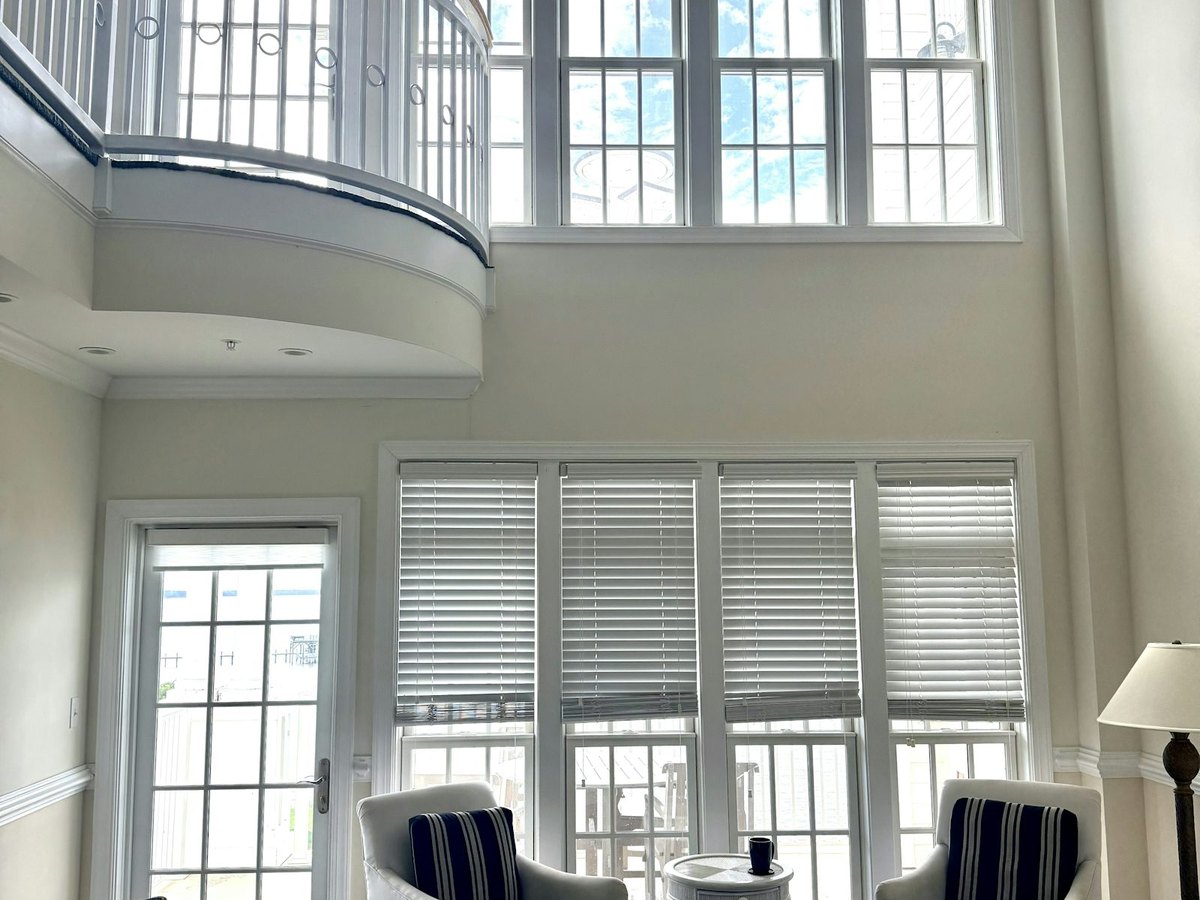
Custom motorized shades make sense in Westchester County and Fairfield County homes when the control choice solves a real room problem: a tall foyer window, a bank of living-room glass, a bedroom shade that is adjusted every morning, or a family room where several windows should move together. The right specification starts with the opening and the room, not the ZIP code.
World Wide Shades serves homeowners and designers who want a made-to-measure shade, fabric from established mills and control options chosen before checkout. The fabric library includes 500+ colors in more than 40 families, with blackout and light-filtering choices from Phifer, Mermet, Ferrari, Copaco, Senbesta and Texstyle. Each fabric has the mill's published openness factor and a genuine swatch photo. Explore the World Wide Shades fabric catalog to compare the material before choosing motorization.
Decide where motorization earns its place
Motorization can simplify repeated adjustments and make a high or wide window easier to operate without reaching the shade. It is especially worth considering for upper-story windows, a two-story entry, a large family-room window wall, or a bedroom where a schedule is part of the routine. A reachable guest-room window used occasionally may call for a different control choice.
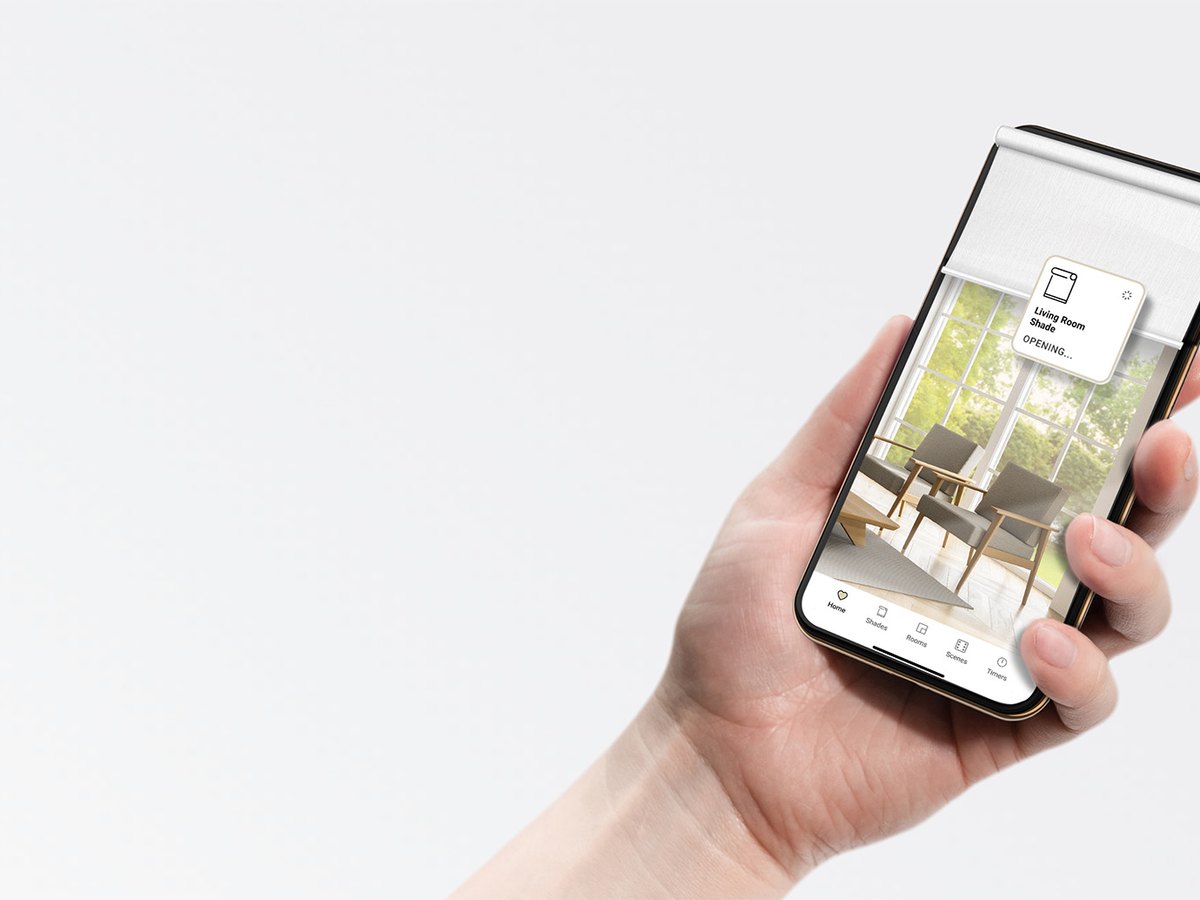
World Wide Shades' motors are rechargeable battery models, so no new wiring is required. Automate is the default motor system. If a homeowner already owns a Somfy remote, they can select a Somfy motor paired to it. Every motorized order needs a remote; the Push 5 remote runs up to five shades. An Automate Pulse 2 hub adds app, voice and scheduled control for Automate motors only. Compare motorized shade options and consider whether a remote alone or the optional hub best fits the household.
For a whole-home plan, separate windows into useful groups before ordering. A group might be the main living space, bedrooms or hard-to-reach windows; the control plan should match how the residents actually use the rooms. Do not assume every shade needs the same motor or hub just because the windows share a floor. World Wide Shades' guide to whole-home motorized shade planning and its article on motorized shades in high-rise homes offer additional planning questions.
Match fabric to daylight, privacy and view
Blackout is a strong starting point where limiting incoming light is the main objective, such as a bedroom. Light filtering suits rooms where the design calls for softened daylight. Solar-screen-style fabrics can preserve some view while managing glare, but the result depends on openness, color, lighting contrast and the window. A lower openness factor is not a promise of complete privacy or room darkening.
Mermet defines openness factor as a fabric's woven density, expressed by the percentage of physical openings. Phifer's interior SheerWeave fabrics span blackout through fabrics listed up to 25% open. Those mill pages explain their own collections; they are useful references, but do not substitute a manufacturer's general example for the published specification of the exact WWS fabric being considered.
For rooms facing a street or neighboring property, evaluate nighttime privacy separately from daytime glare. A screen that lets a homeowner see out during the day may look different after dark when interior lights are on. Choose for the room's priority, and compare actual material information in the World Wide Shades catalog. The light-filtering shade collection and blackout roller shades make those two broad decision paths easier to compare.
Measure each opening and inspect the frame
Older homes, additions and renovated rooms can have different trim, depth and clearances from one opening to the next. Do not copy one window's dimensions across a room unless every frame has been checked. Look at handles, window cranks, trim returns, radiators, built-ins and any planned drapery before deciding whether the shade should mount inside or outside the frame.
For inside mount, measure width at the top, middle and bottom and use the narrowest measurement. Measure height at the left, center and right and use the tallest. Enter the exact opening size in the builder; World Wide Shades' factory makes the deductions, so do not subtract from the measured width. The frame depth must be at least 1.5 inches for inside mount, with 2.5 inches recommended for motorization. Shallower frames should use outside mount.
For outside mount, extend the shade 2–3 inches beyond each side of the frame and 3 inches above it. The measuring guide covers these rules; the builder takes the exact dimensions and configuration. If a window is unusually tall, shallow or obstructed, resolve those conditions before the final order rather than assuming a standard mount will clear them.
Compare motor, remote and hub choices
A remote is the essential control for a motorized shade. For a small group of windows, the Push 5 can run up to five shades. The buyer who wants app, voice and schedules can add the Automate Pulse 2 hub, which works with Automate motors only. The official Pulse 2 setup guide describes its app and automation functions.
The hub is a choice, not a requirement for every motorized order. Consider the household's interest in schedules, scenes, mobile control and voice commands, and check the home's network requirements using the manufacturer's documentation. The remote and hub answer different needs: one gives direct control, while the hub adds connected features.
No charger is included in the motorized shade box. Any USB-C charger works, or the customer can add the Motor Charger. That small detail belongs in the purchase plan, especially when several rechargeable motors are ordered at once. Configure motorized shades from World Wide Shades and use the builder to select the motor and control before reviewing live pricing.
Plan for custom production and protect the fit
Every World Wide Shades shade is 100% custom-made by hand in the USA. Delivery is 2–4 weeks from order; limited-stock fabrics and specialty shapes take 3–4 weeks. Shipping in the United States is free. For a renovation schedule, allow the stated window and coordinate final measurements with the contractor or installer before ordering. No shorter delivery promise should be assumed.
Custom fit and fabrication should be compared with stock products on the dimensions that matter to the homeowner: fit at the actual opening, fabric and opacity, motor choice, the order process and support if the dimensions need correction. Compare the live configuration in the builder with other buying processes on criteria rather than on blanket claims. World Wide Shades' guides to The Shade Store comparison criteria and Hunter Douglas alternatives describe those questions without assuming every project needs the same solution.
Custom orders are not returnable. A manufacturing defect is remade free within 30 days; motor coverage is one year. If the shade was mismeasured, the customer receives a one-time free recut and pays shipping. Read those terms before ordering so the person entering dimensions understands how the fit policy works. Contact World Wide Shades or call (844) 674-2716 if you want to discuss a configuration before placing an order.
Plan room by room
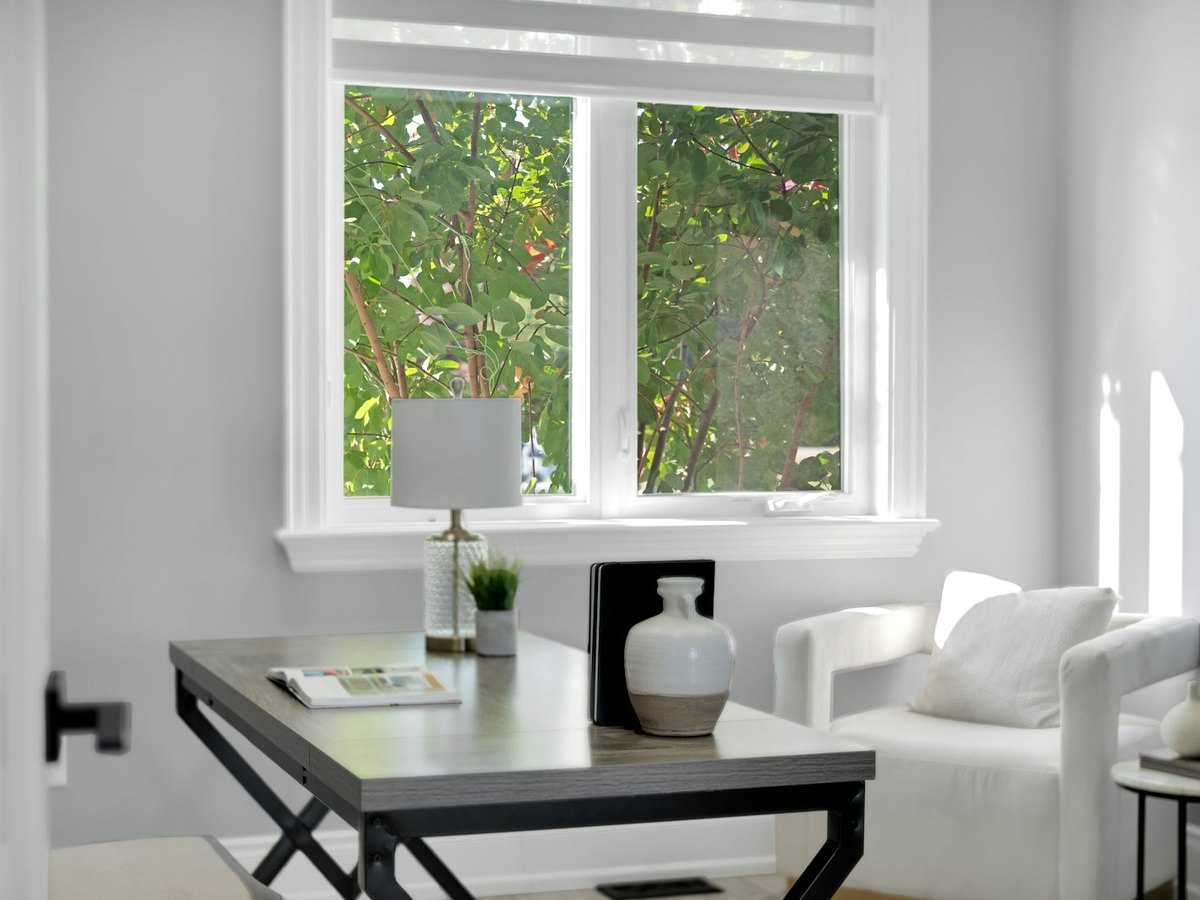
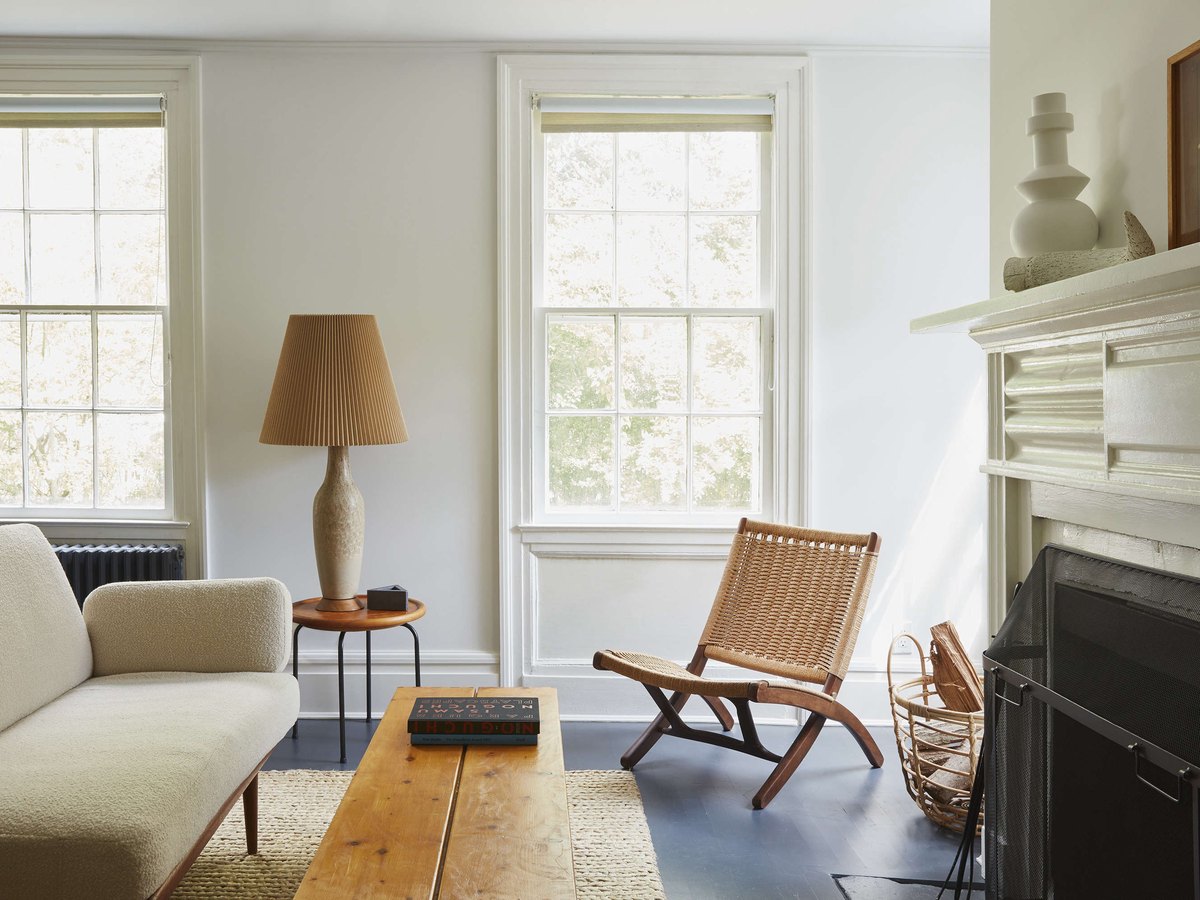
In bedrooms, decide whether blackout is essential and whether automated raising and lowering would help the morning routine. Explore bedroom shade options, the blackout collection and the motorized collection. For a living room, compare view, glare and privacy with living-room shades and light-filtering fabrics. In a home office, prioritize the screen's light control for the desk and monitor position; see home-office options.
The same plan can include unusual openings, but shape changes the buying decision. World Wide Shades makes custom shades for arches, triangles, trapezoids, pentagons, hexagons and skylights. A pure triangle is a fixed panel, while a trapezoid operates on its rectangular section. Review specialty-shape options before assuming a specialty window can use a standard roller-shade configuration.
For related buyer guides, read rechargeable motorized shades without new wiring, Somfy remote compatibility, and motorized shades for floor-to-ceiling windows. This week's companion articles explain designer project specifications, Automate motor, remote and hub choices, vertical-blind replacement decisions, and new-home shade upgrades.
Frequently asked questions
They can be useful where a shade is high, wide, used frequently or part of a coordinated room routine. A reachable window used occasionally may not need motorization. Choose based on the opening and household routine rather than the county or home style.
No. The motorized shades use rechargeable battery motors and require no wiring.
The minimum frame depth is 1.5 inches for inside mount. World Wide Shades recommends 2.5 inches for a motorized shade; use an outside mount for a shallower frame.
Delivery is 2–4 weeks from order. Limited-stock fabrics and specialty shapes take 3–4 weeks. Every shade is custom-made by hand, and US shipping is free.
The hub is an optional addition for Automate motors. A remote is required, and the hub adds app, voice and scheduled control. A charger is not included; any USB-C charger works or the Motor Charger can be added.
Ready to order?
- Measure the exact opening and choose inside or outside mount using the measuring guide.
- Select a fabric and opacity in the catalog, then choose manual or motorized control.
- Configure each shade in the World Wide Shades builder, including the remote and optional hub where applicable.
- Review live pricing in the builder, confirm the fit details and order with the 2–4 week delivery window in mind.
To compare a proposed setup before checkout, contact World Wide Shades or call (844) 674-2716. Start with motorized shade options if you already know the room calls for rechargeable control.