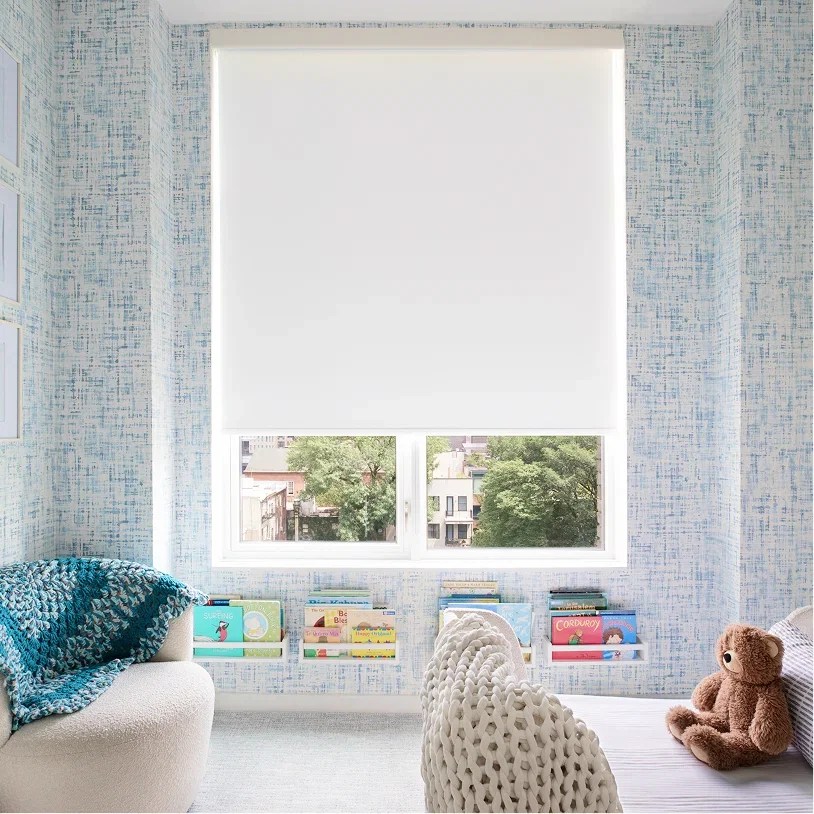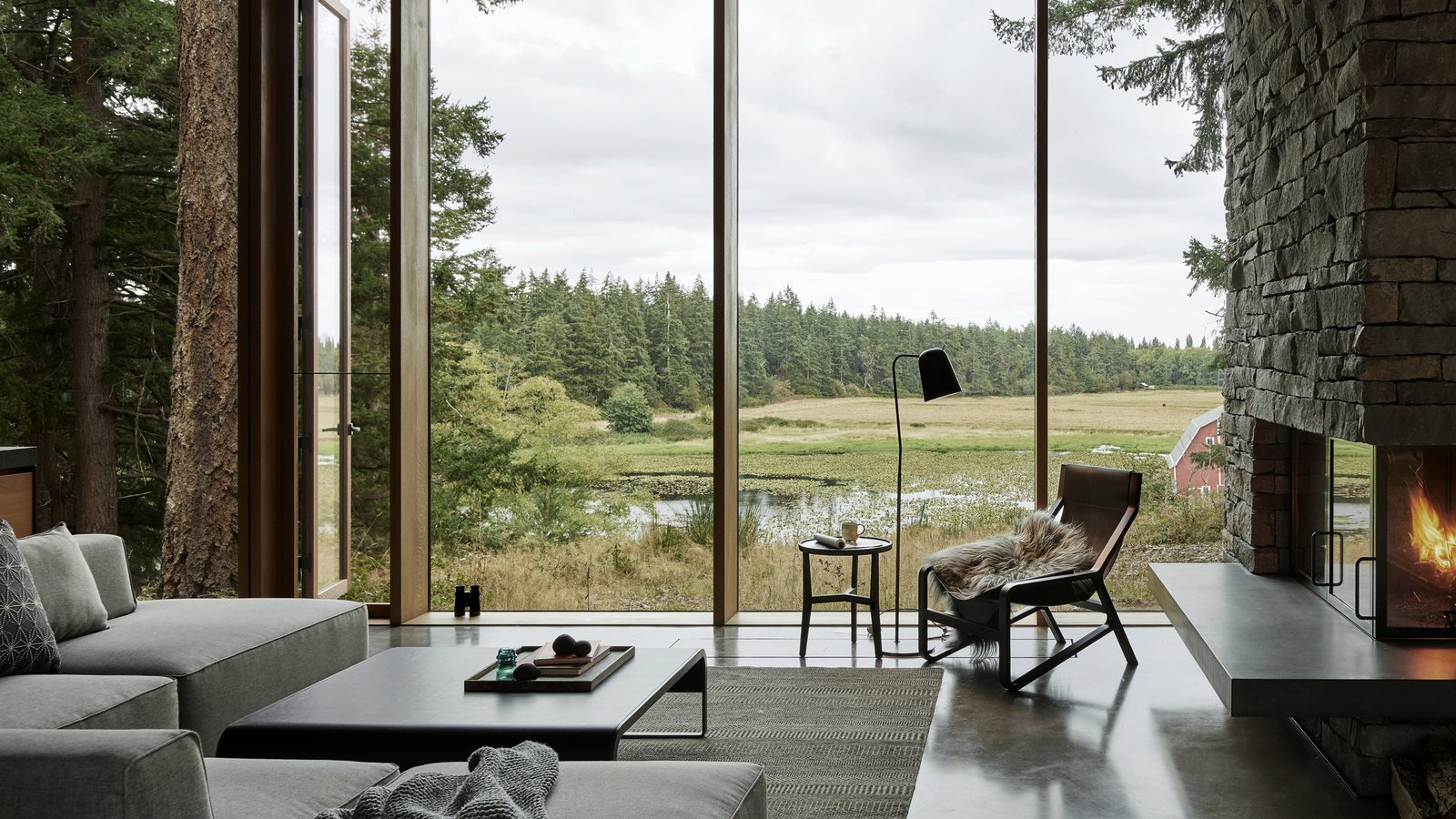
Modern and contemporary homes are built around restraint. Floor-to-ceiling glass, monochromatic palettes, hidden hardware, and clean horizontal lines define the style — and every window treatment has to honor that design language or it visually breaks the room. Roller shades are the only soft treatment that consistently works in these spaces. Done right, they read as architectural detail. Done wrong, they read as apartment-grade leftovers.
World Wide Shades has supplied roller shades for hundreds of modern and contemporary new builds, mid-century restorations, and architect-designed homes. The patterns that work are tight and consistent — and most of them are about subtraction, not addition.
Start your modern-home order at the World Wide Shades builder →
What "Modern" and "Contemporary" Actually Mean
The two terms get mixed up. Modern typically refers to homes designed in the 1920s–1970s style — Bauhaus, mid-century modern, International Style. Flat or low-slope roofs, horizontal emphasis, picture windows, exposed beams.
Contemporary refers to what's being built now — angular forms, mixed materials (concrete, glass, steel, wood cladding), tall windows, open floor plans, and a strong indoor-outdoor connection.
The shade strategy for both is similar: minimize visual clutter, integrate with the architecture, prioritize smart-home compatibility. The fabric and operation specifics differ slightly by sub-style, which is what this guide covers.
Hidden Headrails: The Single Biggest Design Decision
In a traditional home, an exposed roller tube and headrail are fine — they read as honest hardware. In a modern or contemporary home, exposed hardware fights the clean ceiling line. Two solutions:
1. Recessed pocket installation. During new construction or a major renovation, the builder frames a 4–6 inch pocket above each window. The roller shade lives inside the pocket and disappears completely when raised. This is the gold standard for architect-designed homes and the option World Wide Shades recommends discussing with your GC before drywall goes up.
2. Cassette headrail in matching trim color. If the home is already built, a cassette headrail (the metal or fabric-wrapped box that conceals the rolled-up shade) in matte black, white, or matching wall color reads as architectural detail rather than hardware. World Wide Shades' fabric-wrapped cassettes are especially effective — the cassette uses the same fabric as the shade itself, so the line disappears.
For more on this decision, see Roller Shade Valance Options.
Fabric Selection for Modern and Contemporary
The right fabric is almost always solar (3% or 5% openness) for living spaces, and high-tier blackout for bedrooms. Avoid textured linen-blends in modern homes — the visible weave fights the clean aesthetic.
Living rooms, great rooms, dining: 5% openness solar shade in charcoal, dark gray, or white-on-white. Solar shades preserve outdoor views (critical for indoor-outdoor connection) while cutting glare and UV. Charcoal or dark gray is the modern-home default because dark openness fabric reads as "intentional architectural element" rather than "window covering."
Bedrooms: Premium blackout in solid white, light gray, or matching wall color. Look for fabric that has a slight sheen — flat matte blackout can look cheap; a subtle sheen reads as luxury.
Bathrooms with street-facing glass: Light-filtering polyester in warm white or solid neutral. Avoid solar (too see-through at night for street-facing).
For openness percentage details and view-vs-privacy tradeoffs, see the Roller Shades Fabric Openness Guide and Best Fabrics for Roller Shades.
Color Theory: Three Strategies That Work
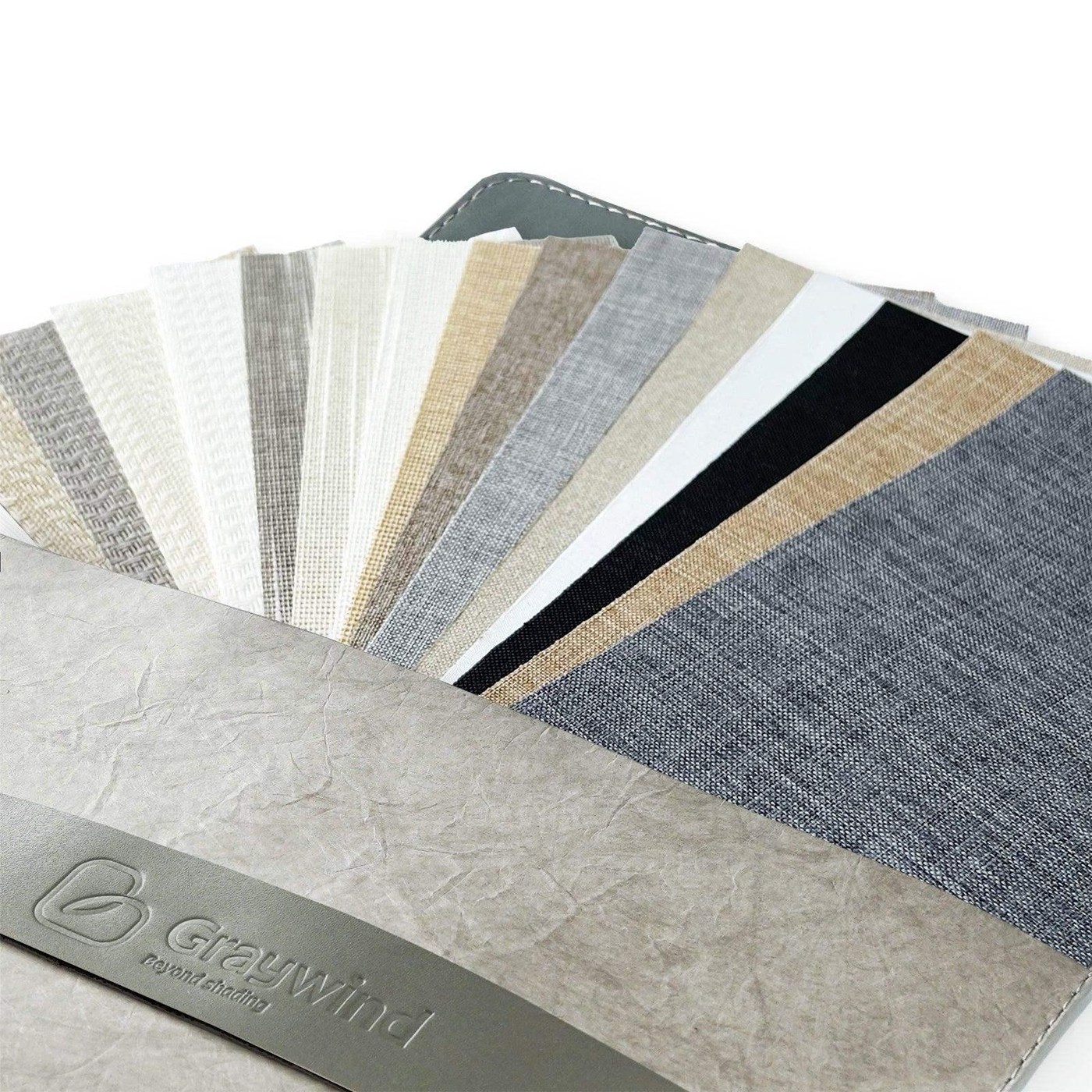
Strategy 1: Disappearing shade. Match shade fabric color exactly to the wall paint. The shade becomes invisible when raised AND nearly invisible when lowered. Works best in light-gray, off-white, and warm-white interiors. World Wide Shades carries a deep enough catalog of whites and grays that an exact match is usually possible — order free swatches and compare in your space.
Strategy 2: Architectural contrast. Spec shades in a single contrasting color that ties to a fixed architectural element — black if the window trim is black, charcoal if the floor is dark concrete, walnut-tone if there's exposed wood cladding. The shade reads as part of the materials palette.
Strategy 3: Monochrome layering. White walls, white shades, white ceiling — but use three slightly different shades of white to create depth. This is the move on many mid-century modern restorations and works extraordinarily well in homes with lots of natural light.
Never use a third color or a saturated accent shade. Save that for furniture and art.
Order free swatches and test in your home's lighting → (844) 674-2716
Motorization: Essentially Required
In modern and contemporary homes, motorized shades are no longer a luxury upgrade — they're the expected baseline. Three reasons:
1. Aesthetic. Pull cords ruin a modern room. Wand controls are slightly better but still read as hardware. Motorized shades with no visible operating mechanism preserve the clean architectural lines.
2. Tall and grouped windows. Modern homes typically have 9–12 ft windows or floor-to-ceiling sliders. Reaching a pull cord on a 10 ft window is impractical; grouped windows over a great-room sectional are physically unreachable. Motorization is the only practical option.
3. Smart-home integration. Modern home buyers expect Alexa, Google Home, or HomeKit integration. World Wide Shades' motorized roller shades support all three. For setup specifics, see Smart Home Motorized Shades Setup and Motorized Roller Shades: Alexa and Google Home Setup.
Battery vs hardwired: Hardwired during new construction (cleaner, never needs charging). Battery-powered for retrofits — see Battery vs Hardwired Motorized Shades for the decision framework.
Floor-to-Ceiling Glass and Sliders
Modern homes are defined by their glass. A great room with a 12 ft slider, a bedroom with floor-to-ceiling glass facing a courtyard — these openings need shades that don't visually shrink the architectural drama.
The right approach for sliders: Single-wide roller shade rather than panel-by-panel. A single-wide shade rolls up and disappears entirely; panel-by-panel leaves visible mullions or seams that fight the clean glass. World Wide Shades produces single-wide roller shades up to approximately 120 inches; beyond that, panel-by-panel is necessary. See Roller Shades for Large Glass Doors and Sliders for the full single-wide vs panel framework.
The right approach for floor-to-ceiling fixed glass: Recessed pocket installation if the home is being built; ceiling-mounted cassette in matching ceiling color if retrofitting. The shade should disappear when raised — a visible roller tube hanging in the middle of a 14 ft window wall kills the architecture.
Common Mistakes in Modern and Contemporary Homes
- Specifying drapery panels alongside roller shades. Layering belongs in transitional and traditional homes. Modern homes look cleaner with shades alone.
- Choosing textured woven fabric. Linen-blends and woven wood belong in heritage and farmhouse styles. They look out of place in modern interiors.
- Visible pull cords. As discussed — go motorized or cordless. Never visible cords in a modern home.
- Mixing white shades with off-white walls. The slight color mismatch reads as careless. Always match to the exact wall paint.
- Skipping the cassette headrail. An exposed roller tube in a modern room visually breaks the ceiling line. Always cassette or recessed.
For the broader minimalist aesthetic philosophy, see Roller Shades for Minimalist and Modern Interiors.
Pricing Expectations for Modern Homes
Modern home shade orders tend to run 20–40% higher than the equivalent square footage in a traditional home because:
- Windows are typically larger (taller shades cost more)
- Motorization is standard rather than optional (adds $80–$140 per window)
- Cassette headrails are standard ($25–$40 per window)
- Premium fabric grades (low-fade solar, premium blackout) are typically specced
A typical 4-bedroom, 2,800 sq ft modern home with 22 windows runs approximately $5,200–$8,800 through World Wide Shades, depending on motorization choices and fabric tier. See How Much Do Custom Roller Shades Cost? for the full pricing framework.
Get a modern home quote from World Wide Shades → (844) 674-2716
FAQ: Roller Shades for Modern and Contemporary Homes
Should I use solar shades or blackout in a modern living room? Solar (3% or 5% openness) in charcoal or dark gray. Preserves the view, cuts glare, reads as architectural.
Are motorized shades really worth the extra cost in a modern home? Yes — in modern homes the design language demands no visible hardware, and most windows are too large for practical cord operation. Motorization is the baseline expectation.
What's the best shade color for white modern walls? Match the white exactly. Order free swatches from World Wide Shades to confirm — there are dozens of "whites" and they read very differently in person.
Can I get a single roller shade for a 10 ft slider? Yes, up to about 120 inches wide. Beyond that, panel-by-panel is necessary. Call (844) 674-2716 to discuss specific dimensions.
Will recessed pocket installation work in my existing home? Usually only during major renovation or new build. For existing homes, a slim cassette headrail in matching color is the next-best option and visually similar.
How long does a modern home order take? Most custom shades ship in 7–14 business days. Motorized orders may add 3–5 days. Rush production available — call (844) 674-2716.
The Bottom Line
Modern and contemporary homes reward subtraction. The best roller shades disappear into the architecture: matched colors, hidden headrails, motorized operation, and fabric textures that don't fight the clean aesthetic. Done right, the shades become part of the building's design language — visible only when needed, invisible the rest of the time.
Start your modern home order at the World Wide Shades builder, grab free swatches, or call (844) 674-2716 to talk through your project with a specialist.