A motorized shade that will not stop at the right position is usually dealing with a limit setting, a power problem, or an obstruction—not a ruined motor. Most roller-shade motors use stored upper and lower limits, so a shade can stop 3–6 inches early when the limit was programmed incorrectly, the fabric has telescoped, or the battery voltage has dropped. The safest fix is to identify the symptom before pressing reset.
This guide explains how to diagnose a shade that stops too high, too low, halfway, or at a different point than the rest of a group. World Wide Shades can help you choose a replacement motor or reprogram a custom shade without guessing. Start with the World Wide Shades builder if the fabric, width, or control system also needs to change.
First, identify the stopping pattern
Run the shade from fully open to fully closed while watching the fabric, tube, and bottom rail. Write down the position where it stops and whether the motor sounds normal. A consistent stop at the same wrong position points to a stored limit; a random stop, hesitation, or slow crawl points more often to power, radio, heat, or mechanical resistance.
If the shade stops at exactly the same point every time, measure the error from the sill or top of the window. An error of 1–2 inches can be a mounting or fabric alignment issue, while an error of 6 inches or more is commonly a limit-setting mistake. Take a short video before changing settings so a World Wide Shades specialist can see the behavior if you need help; use /contact or call (844) 674-2716.
Common reasons a motorized shade stops too early
Most motors store two travel limits: the open position and the closed position. A remote button sequence, a power interruption during setup, or an accidental long press can overwrite one limit. On a grouped remote, the wrong channel may also be selected, making it appear that several shades have changed when only one was edited.
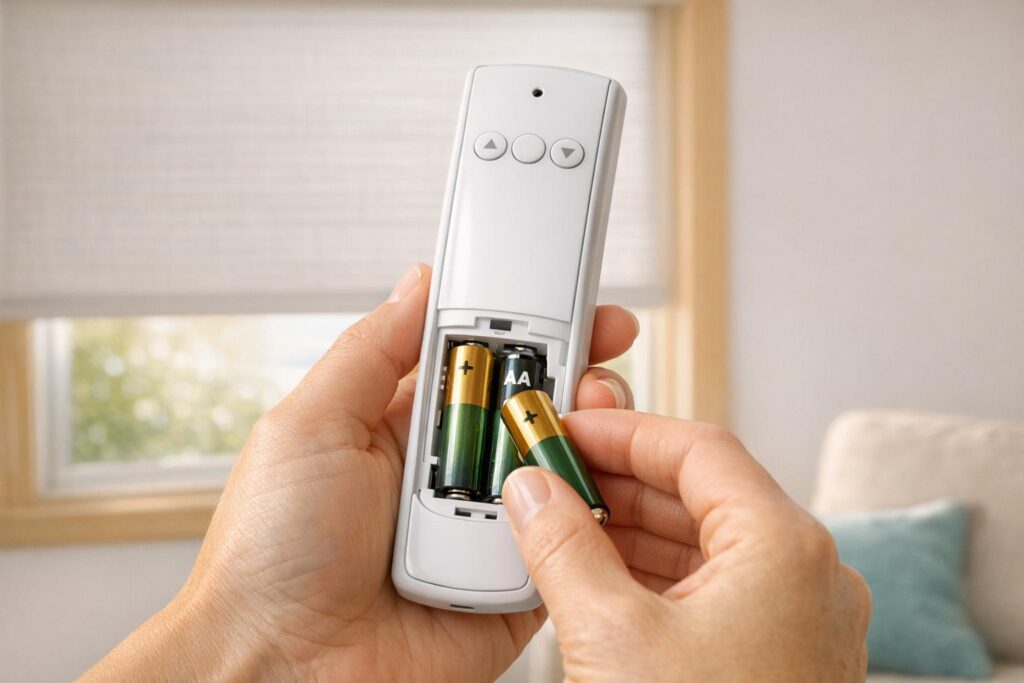
Battery motors often slow down before they stop responding completely. A shade that reaches the top in the morning but stops 4 inches short in the evening may be running on a voltage drop, especially after 8–12 months of daily cycles. Recharge the motor according to its manual; do not keep holding the button when the shade is stalled because repeated stalled cycles create unnecessary heat.
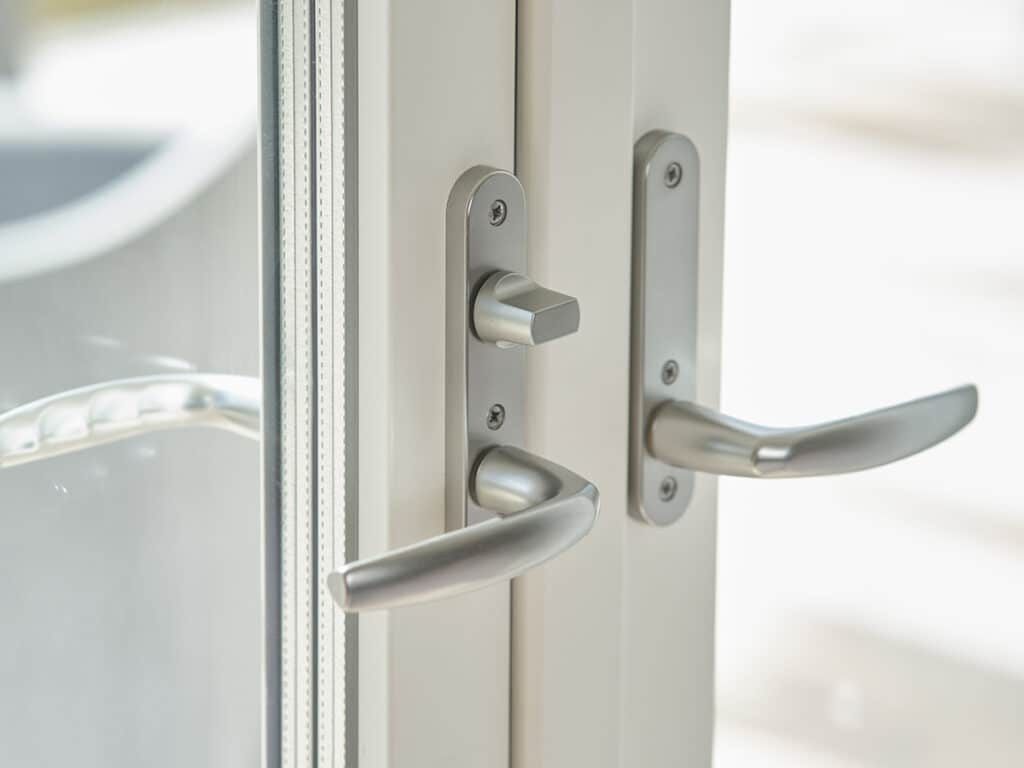
A valance, window handle, insect screen, or side channel can catch the bottom rail. Even a 1/8-inch contact point can trigger a motor’s obstruction protection. Check the full path and compare the shade with side-channel light blockers if the goal is blackout rather than a tight mechanical squeeze.
Telescoping means the roll walks toward one side as it travels. The fabric edge can rub a bracket or cassette, causing the motor to stop at a different point. A crooked roll needs mechanical correction before a limit reset; see why a roller shade rolls up crooked for the alignment sequence.
Safe troubleshooting sequence
Raise the shade and inspect both ends of the tube. Remove objects within 2 inches of the fabric path, confirm the bottom rail is level, and make sure a handle or crank is not touching the material. Never pull the fabric down by hand while the motor is moving.
Recharge the battery or replace batteries only if the manufacturer permits it. A typical rechargeable motor needs 4–6 hours for a full charge, while alkaline battery tubes may use 8–12 cells depending on shade width. If one shade in a group is slow but the others are normal, troubleshoot that shade’s power first.
Select the individual channel, not “all.” Press the stop button once, then test open and close. If the shade responds to a local wall switch but not the remote, the travel limits are probably not the first problem; check pairing and radio range. World Wide Shades can match a new control to your motor platform—send the remote model through /contact.
Limit procedures vary by motor. Some use a program button on the motor head, some use a remote combination, and some require a hub app. Do not borrow a sequence from a different brand: a reset can erase pairing, favorite positions, and group assignments. Record the current positions before starting, then set the upper limit with the fabric safely clear of the cassette and the lower limit 1/4–1/2 inch above any hard contact.
Run open, stop halfway, close, and reopen three times. The shade should stop within roughly 1/4 inch of the programmed position on each cycle. If the error grows from 1 inch to 4 inches, stop testing and schedule service; that pattern suggests slip, obstruction, or a damaged clutch rather than a simple setting.
When the issue is a control or automation problem
A hub routine can appear to stop a shade at the wrong position when the shade itself is working correctly. Check whether the app is sending a percentage command such as 70% open instead of a true stop command. A scene that combines several rooms may also send commands in rapid succession, and some motors need 1–3 seconds between commands.
For dependable routines, name each shade by room and window, use one percentage per scene, and avoid overlapping schedules. The setup principles in smart home motorized shades setup and motorized shades with Alexa and Google Home help separate motor travel from voice-assistant behavior. World Wide Shades can specify compatible controls when you design a new group in the /builder.
Replace the motor or the entire shade?
Replace only the motor when the tube, brackets, fabric, and cassette are in good condition and the motor platform is still supported. A motor replacement is often sensible for a 2–5-year-old shade with clean fabric and a stable mount. Replace the whole shade when the fabric is frayed, the tube is bent, the cassette is damaged, or the opening has changed.
Budget roughly $150–$450 for a replacement motor component and $350–$1,200 for a custom motorized roller shade, depending on width, fabric, cassette, battery type, and control integration. Actual pricing depends on the specification; compare current options with how much custom roller shades cost. Ask World Wide Shades for a fit check before ordering a motor alone, because a motor must match the tube diameter, torque, and shade weight.
How to prevent wrong stopping positions
Set limits after the shade is mounted permanently, not on a workbench. Keep at least 1/2 inch of clearance from handles, trim, and sill hardware, and inspect the roll every few months. Recharge batteries before they are fully depleted, especially in a high-use room with two or more daily cycles.
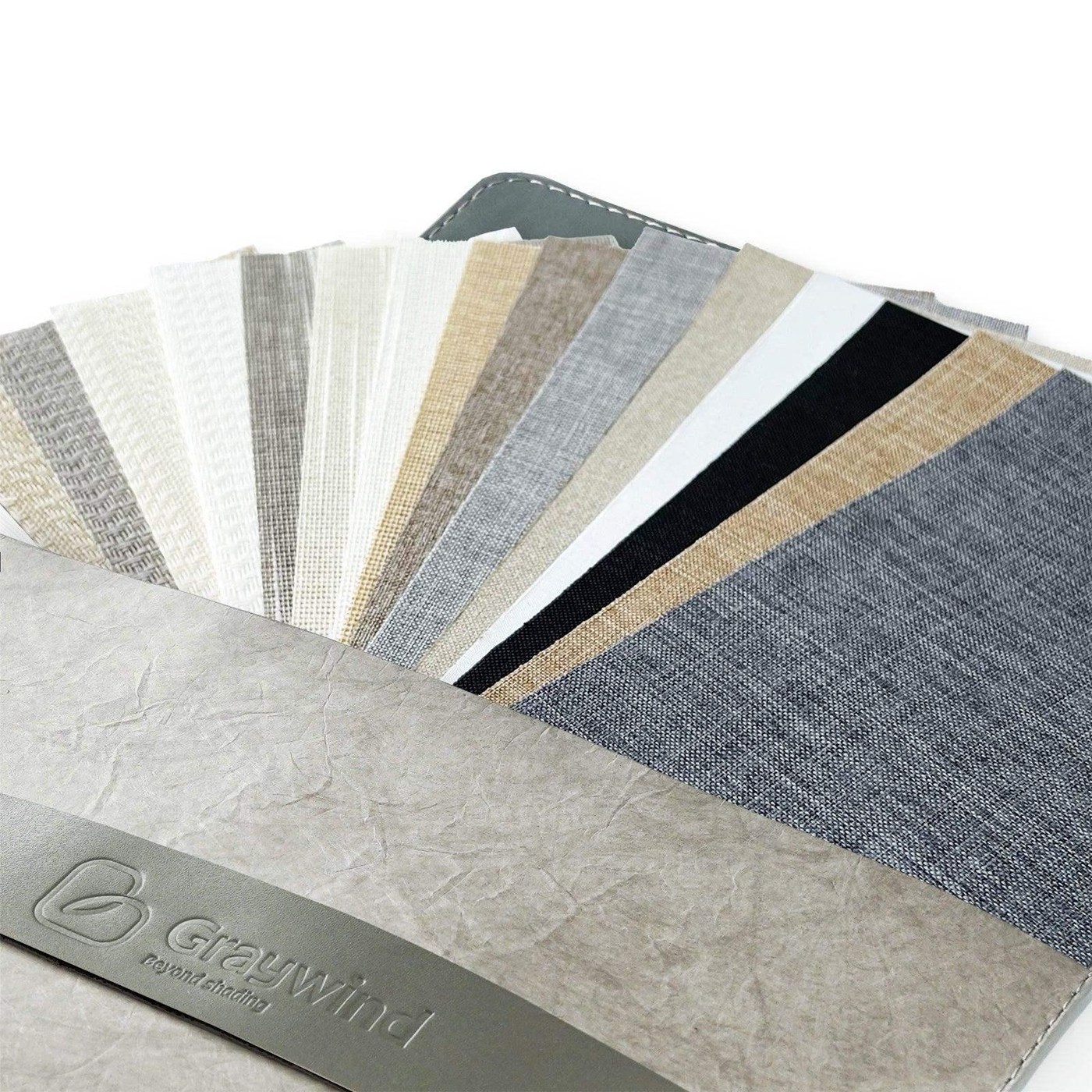
For a new installation, choose a fabric and operating method together. Blackout fabrics may need side channels; wide shades may need a stronger motor; and large windows may benefit from separate zones. World Wide Shades can coordinate those decisions through /swatches, and World Wide Shades support is available at (844) 674-2716 when the symptom is hard to describe.
Frequently Asked Questions
The lower limit may be set too high, or the bottom rail may be meeting a sill, handle, side channel, or other obstruction. Clear the path, confirm the battery is charged, and reprogram the lower limit using the motor’s specific instructions. If the stop point changes from cycle to cycle, contact World Wide Shades instead of repeatedly forcing the motor.
Random stopping is more consistent with low power, radio interference, a stalled motor, or fabric rubbing than with a stored limit. Recharge the motor, test the individual remote channel, and inspect both ends of the roll. A hub schedule can also send conflicting commands, so temporarily disable automations while testing.
It depends on the motor. Some systems preserve pairing during a limit reset, while a factory reset erases the hub connection and group names. World Wide Shades recommends identifying the motor model first and saving your current automation settings before pressing a program or reset button.
Leave enough clearance to prevent the bottom rail from touching the sill or hardware; 1/4–1/2 inch is a practical starting point for many installations. The correct gap depends on the sill shape, fabric, and side channels. A professional can set a tighter blackout fit when the hardware is designed for it.
A limit reset or recharge may cost nothing, while a motor replacement commonly runs about $150–$450 and a complete custom shade about $350–$1,200. The right choice depends on fabric condition, tube compatibility, and warranty coverage. Request a World Wide Shades recommendation through /contact before buying a part.
When a shade repeatedly ignores a correct limit, the best long-term solution is a properly matched motor, fabric, and mounting system. World Wide Shades can diagnose the existing unit, specify a new one, and build a room-by-room plan at /builder.