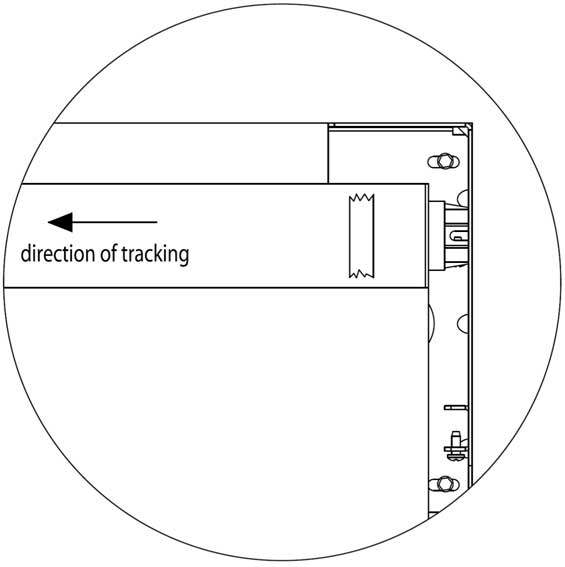
A roller shade that rolls up crooked is usually experiencing telescoping: the fabric migrates toward one bracket instead of winding in an even cylinder. The drift may start as only 1/8 inch per cycle, but after 10 cycles the fabric edge can rub the cassette, crease, or stop the shade. Correcting the cause early is safer than repeatedly pulling the material sideways.
The three big causes are an out-of-level tube, brackets mounted at different depths, and fabric that is not centered or square on the roll. World Wide Shades can verify the opening and recommend a better tube or cassette for a replacement. If you are planning a new shade, begin with the World Wide Shades builder and save your measured width, height, and mounting type.
What telescoping looks like
Watch the top roll while the shade moves through at least 12 inches of travel. If the left edge advances toward the bracket by 1/16–1/8 inch per revolution, the shade is telescoping. If the bottom rail is level but the top roll shifts, the problem is above the rail; if the rail itself tilts, the brackets or mounting surface need attention.
A shade can also look crooked because the window opening is not square. Measure the diagonal from top-left to bottom-right and top-right to bottom-left. A difference greater than 1/4 inch over a 60-inch diagonal is enough to create visible tracking issues in some inside-mount installations. Send a photo to World Wide Shades through /contact if you cannot tell whether the window or the shade is out of square.
The safest inspection sequence
Stop the shade with 12–18 inches of fabric exposed. Do not unroll the entire shade onto the floor and do not tug the fabric while the tube is turning. Look for a diagonal edge, a crease, a loose adhesive line, or dust on one side of the tube.
Place a small level on the bottom rail. It should be within about 1/8 inch of level across a typical 36–72-inch shade. If the rail is more than 1/4 inch out of level, the brackets may be at different heights or the fabric may have been installed off-square.
Measure from the front edge of the frame to each bracket. The dimensions should match within 1/16–1/8 inch. A bracket that is 1/4 inch deeper than its partner can twist the tube and make the roll climb toward one side. Confirm both ends are fully seated; a partially latched cassette can mimic a tracking fault.
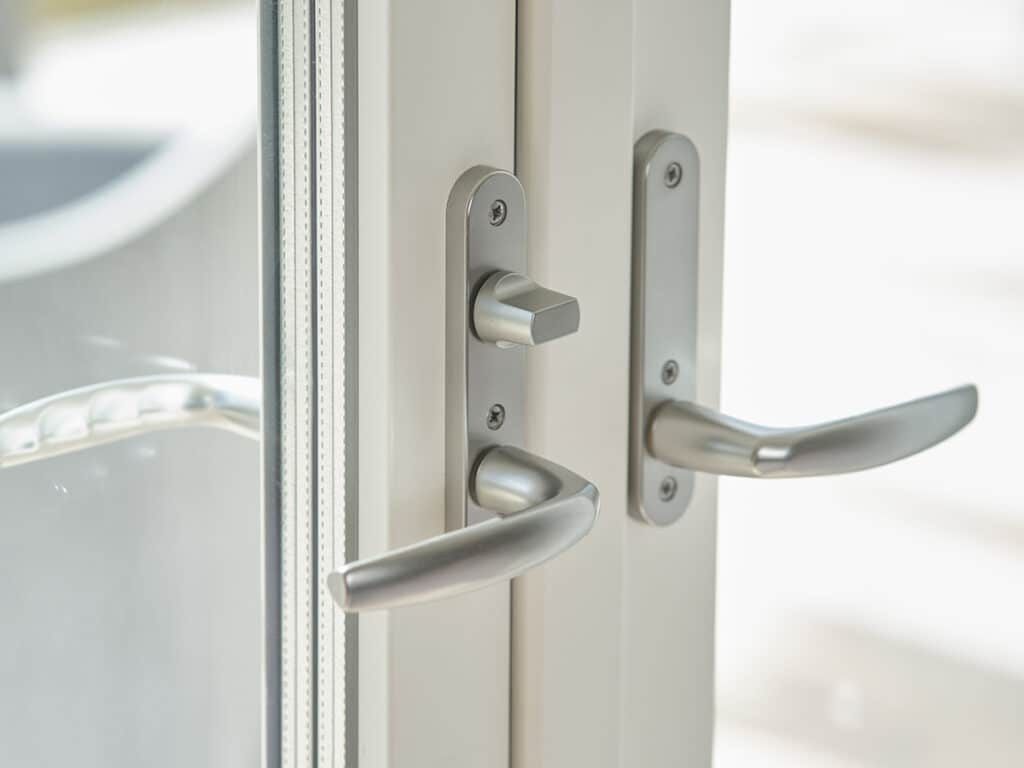
Handles, window locks, trim, and side channels can touch the fabric. A 1/8-inch rub is enough to pull the material sideways over repeated cycles. If you need edge sealing for blackout, compare the dedicated side-channel light blockers rather than improvising foam that presses directly on the fabric.
Quick fixes for a minor drift
For a small drift on a removable shade, clean dust from the tube and brackets, then confirm the fabric is centered. Some roller-shade systems allow a manufacturer-approved shim or adjustment at the idle-end bracket. A thin shim may correct a minor level difference, but adding material without knowing the bracket design can change the tube axis and make the problem worse.
Never spray oil, silicone, or household cleaner on the fabric. Lubricant can stain the weave, attract dust, and reduce adhesive performance. Use a dry microfiber cloth on accessible hard surfaces and follow the care label. World Wide Shades can identify whether your system supports an idle-end adjustment; order fabric swatches for a replacement before the existing fabric becomes permanently creased.
When the shade needs remounting
Remount when the rail is visibly tilted, bracket heights differ, or the opening is square but the tube is not. Mark the bracket locations, remove the shade with two people if it is wider than 60 inches, and recheck the mounting surface for a bowed header. Use appropriate anchors for drywall, wood, or masonry; a bracket held only in trim can loosen as the shade cycles.
For inside mount, measure the narrowest width at three points and use the manufacturer’s deduction rules. For outside mount, keep the tube parallel to the sill and center the overlap. The installation fundamentals in how to install roller shades apply, while how to measure inside-mount roller shades covers the width checks that prevent a forced fit.
If you want a professional review before drilling new holes, World Wide Shades can evaluate photos and dimensions through /contact. Call (844) 674-2716 when the shade is high, wide, or motorized and you cannot safely remove it.
Roller shade design choices that reduce drift
Wider shades place more torque on the tube. A shade wider than 72 inches may need a larger tube, center support, cassette, or motor depending on fabric weight. A heavy blackout fabric can weigh more than a light solar screen at the same size, so the product should be specified by total shade area and fabric weight rather than width alone.
A cassette headrail protects the roll and keeps the tube aligned, while an exposed tube makes service easier but leaves the roll more vulnerable to dust and accidental contact. Read cassette headrail versus exposed tube before choosing hardware. World Wide Shades can size the support system and match the finish to your trim; use the /builder to compare options.
Manual versus motorized correction
A manual shade can usually be diagnosed by watching the roll and checking the brackets. A motorized shade adds limit settings and torque protection, but the mechanical alignment still comes first. Resetting limits will not straighten a tube that is rubbing a bracket, and repeatedly cycling it can damage the fabric edge.
If the shade is difficult to reach, a motorized replacement may be the practical solution. Plan a charge point or battery access before installation and keep each window on its own channel until testing is complete. Explore smart home motorized shades setup and ask World Wide Shades to confirm whether your existing opening can accept a compatible motor.
When replacement is smarter than repair
Replace the fabric and tube when the roll has a permanent diagonal crease, the fabric has delaminated, the tube is bent, or the clutch slips. A minor bracket adjustment may cost less than $100 as a service call, but a custom replacement commonly ranges from $250–$900 for a manual shade and $450–$1,200 for a motorized unit, depending on size, fabric, and cassette.
Those ranges are planning estimates, not a quote. Use how much custom roller shades cost to understand the variables, then request a World Wide Shades fit review at /contact. Matching the new shade to the window’s true dimensions is more important than copying the old shade’s nominal width.
Preventing a crooked roll
Keep the tube level, avoid side pressure on the bottom rail, and dust the cassette twice a year. Operate a manual chain with a straight downward motion instead of pulling diagonally. For motorized shades, keep the battery charged and investigate any new clicking or hesitation immediately.
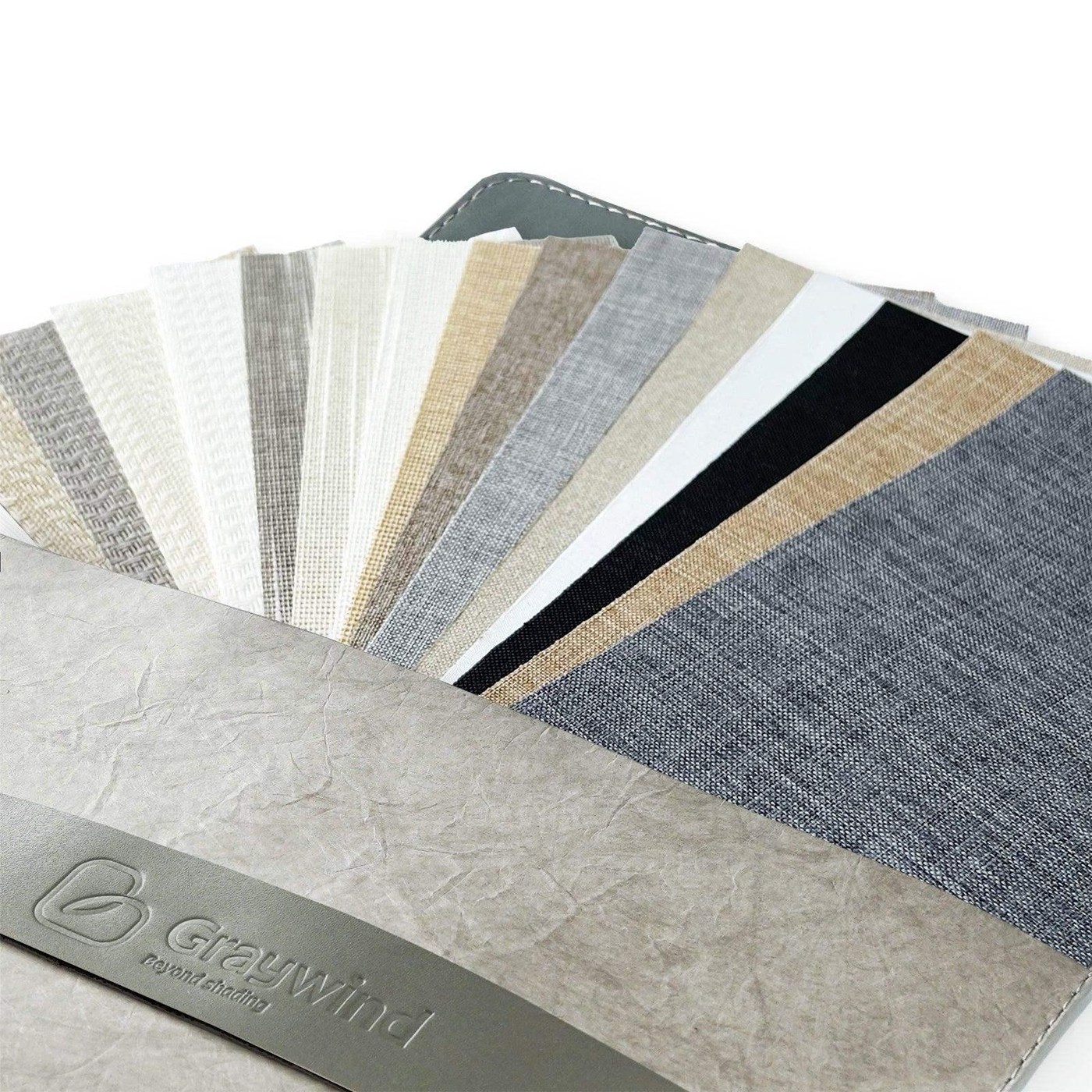
At the design stage, request a sample, verify the mount, and specify center support for wide spans. World Wide Shades can coordinate those details from swatch selection through installation, and the /swatches page is the fastest way to compare fabrics before you commit. For difficult access, call (844) 674-2716 before you remove the shade.
Frequently Asked Questions
The shade is probably telescoping because the tube is not level, the brackets sit at different depths, the fabric was attached off-center, or one edge is rubbing. Check the bottom rail, bracket measurements, and clearance before changing limits or adding shims.
No. Sideways pulling can stretch the fabric edge, loosen the adhesive, or bend the tube. Stop the shade, inspect the mounting and friction points, and make only adjustments approved for that shade system. World Wide Shades can help identify a safe correction from photos.
Aim for the tube and bottom rail to be within about 1/8 inch of level across a typical residential shade. A larger error can become visible after repeated cycles, especially on a 60-inch or wider opening. The acceptable tolerance depends on the product and mount.
A cassette can protect and support the roll, but it cannot compensate for brackets mounted out of level or a square fabric cut. It reduces accidental contact and can improve alignment when correctly installed. Choose the cassette after confirming the tube size and opening geometry.
It may be covered when the issue comes from a manufacturing defect, but installation damage, a bowed wall, or an obstruction may be excluded. Document the symptom, purchase date, and mounting photos before attempting a repair. Ask World Wide Shades about coverage through /contact.
A crooked roll is fixable when you address the tube axis instead of treating the symptom. World Wide Shades can specify a square, properly supported replacement through /builder and help you avoid another telescoping problem.