Inside-mount roller shades sit inside the window opening, so the fit depends on the smallest usable width, the shortest usable height, and enough depth for the hardware. A tape measure reading that is off by 1/4 inch can create a shade that binds, leaves an avoidable gap, or cannot clear a handle. The good news is that accurate measuring is repeatable when you use the same sequence for every window.
This guide covers tools, depth, width and height readings, deduction rules, doors, unusual openings, and what to send a custom shade team. World Wide Shades can review your numbers before you order; start with the online builder if the opening is a standard rectangle.
What inside mount means
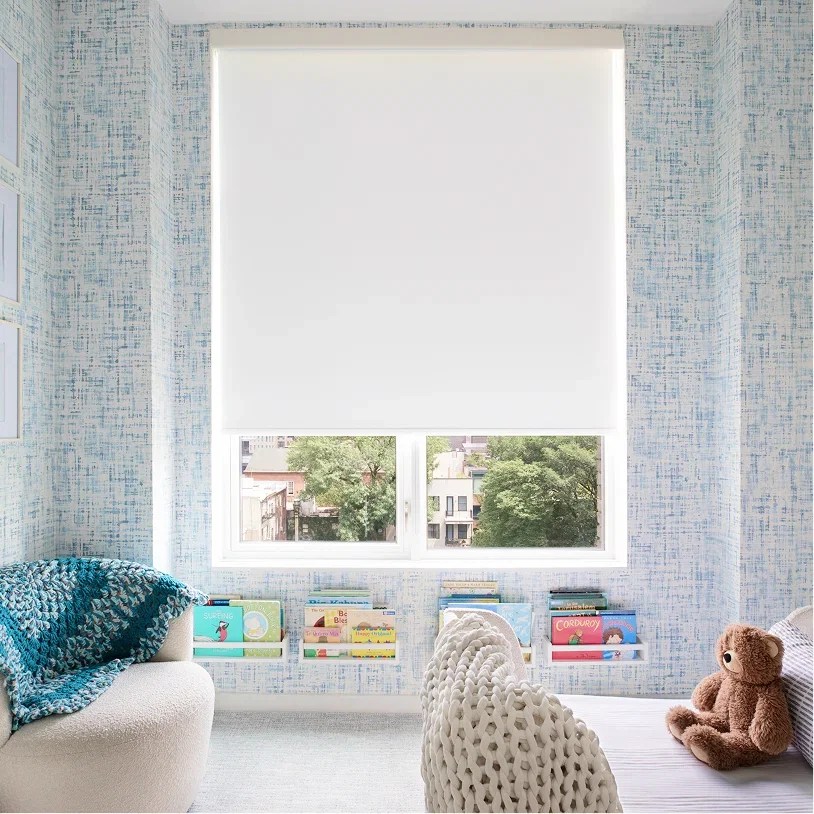
An inside-mount shade attaches within the window frame or recess rather than on the wall or trim. The fabric roll and brackets occupy part of the opening, so you measure the clear space where the product will actually sit. The finished shade is normally made slightly narrower than the opening by the manufacturer; do not subtract an extra amount unless the ordering instructions explicitly tell you to.
Inside mount is popular because it shows off casing, keeps the profile compact, and aligns neatly across a group of windows. It is less forgiving when the opening is out of square or shallow. If the frame is only 1 1/2 inches deep and the selected cassette needs 2 1/4 inches, an outside mount is the better solution.
For a second opinion, send a photo of the frame and your dimensions to World Wide Shades through /contact. A quick depth check can prevent an incorrect mount choice.
Tools that improve accuracy
Use a rigid steel tape measure with 1/16-inch markings, a pencil, paper or a notes app, and a small level if the opening looks uneven. A step ladder is safer than stretching from a chair. Measure in the light and remove any temporary screen, insect insert, or object that changes the clear opening.
Write each window on its own line and label it by room and position, such as “kitchen, left of sink.” Do not assume two windows that look identical are identical; older framing can vary by 1/8–3/8 inch. If you are ordering several shades, record every reading instead of copying the first one.
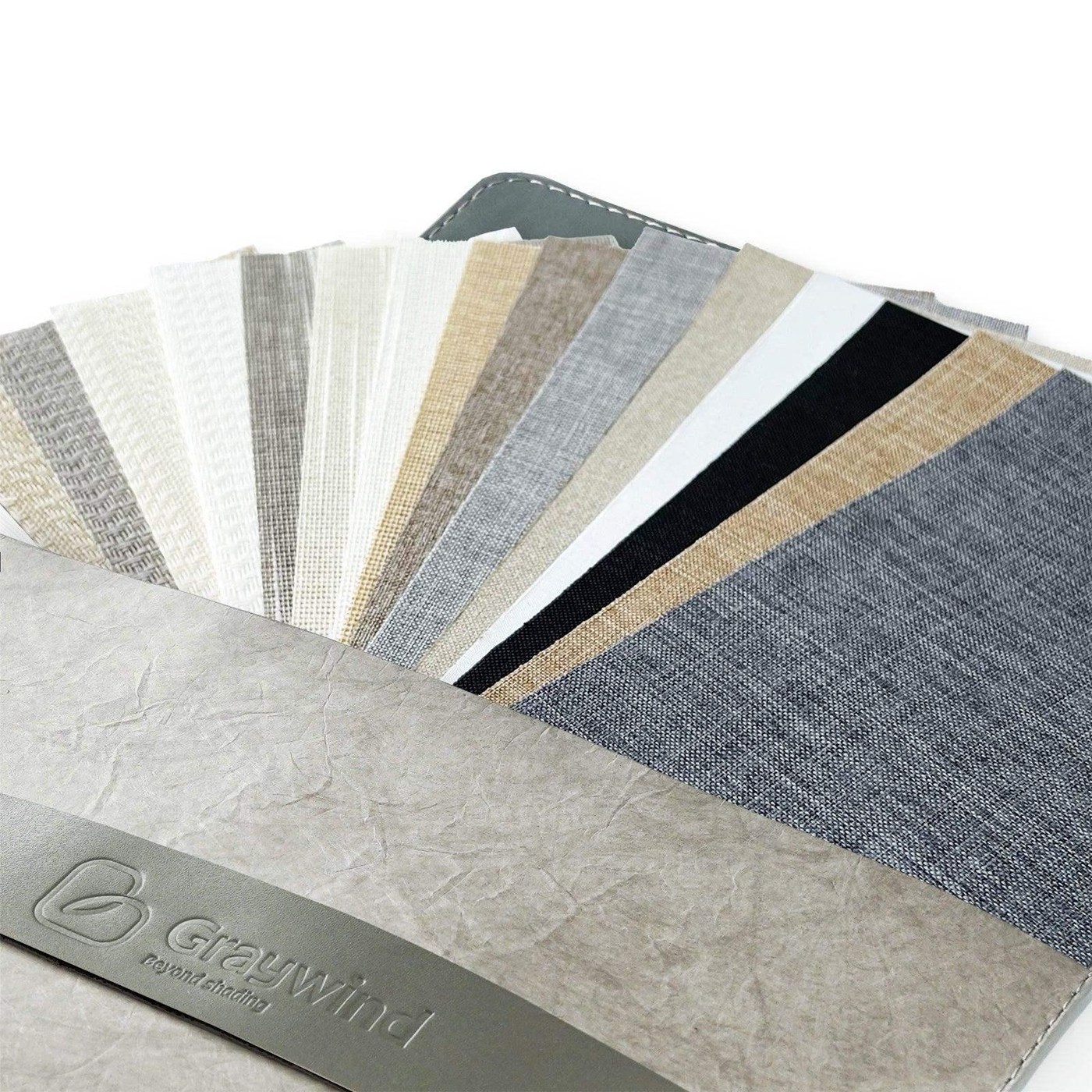
If you want to compare fabric before measuring again, use /swatches. World Wide Shades can help match the fabric’s roll size and cassette to the available depth.
Check depth before taking width
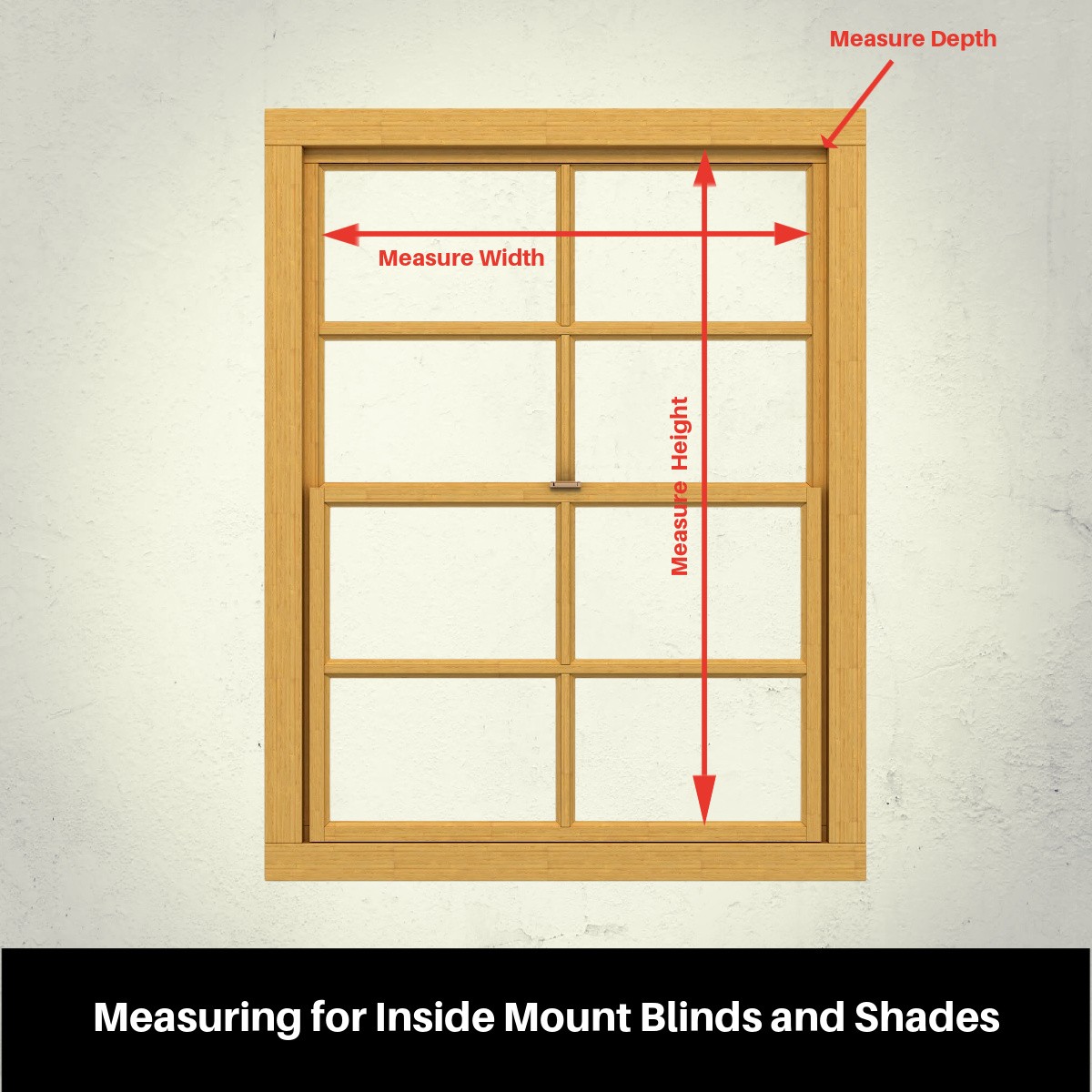
Depth is the measurement most often skipped. Measure from the front edge of the frame to the glass, then check the manufacturer’s minimum depth for the exact shade and cassette. Also look for window cranks, locks, tilt latches, mullions, and inward-opening sashes.
A 2-inch recess may accept a low-profile roller shade but not a larger fascia. A handle that projects 2 1/2 inches can interfere even when the jamb itself is deep enough. For a clean fit, the shade must clear the obstruction through its full travel, not just when it is raised.
If the recess is too shallow, do not force an inside mount. An outside-mount shade can preserve operation and reduce light leakage. The installation principles in how to install roller shades explain the hardware relationship, while World Wide Shades can recommend a profile that fits your frame.
Measure width three times
Measure the clear inside width at the top, middle, and bottom of the opening. Record all three to the nearest 1/8 inch. If the values differ, use the smallest measurement for a typical inside-mount roller shade unless the manufacturer provides a different rule.
For example, if the top is 35 7/8 inches, the middle is 35 3/4 inches, and the bottom is 35 13/16 inches, record 35 3/4 inches as the controlling width. Do not average the readings; the shade has to pass through the narrowest point. A 1/8-inch difference is common, while a 1/2-inch difference signals an opening that may need an outside mount or professional review.
Measure between the actual mounting surfaces, not between decorative trim faces. If the trim angles inward, use the point where the brackets will sit. World Wide Shades will confirm how the production deduction is handled; use /contact rather than guessing at a subtraction.
Measure height three times
Measure clear height at the left, center, and right of the opening. Record each to the nearest 1/8 inch and use the longest dimension for a standard inside-mount roller shade so the fabric reaches the sill across the full width. Unlike width, extra height generally gives the roll more travel; the manufacturer may trim or size it according to the order.
Check that the sill is level. If the left height is 61 1/4 inches, center is 61 3/8 inches, and right is 61 1/8 inches, record the product height according to the supplier’s instructions and flag the 1/4-inch variation. A visibly sloped sill may call for a small clearance so the hembar does not rub.
Never measure from the glass itself. Measure from the upper mounting surface to the sill or lower frame surface where the shade will finish. For inside mounts on doors, confirm the shade will not strike the floor, handle, or nearby molding during movement.
Note the square of the opening
A quick diagonal check reveals whether the frame is out of square. Measure from the top-left corner to the bottom-right, then top-right to bottom-left. If the diagonals differ by more than about 1/4 inch on a typical opening, expect uneven side gaps or a hembar that does not sit level.
That does not automatically rule out inside mount, but it changes the plan. A small gap can be hidden with a side channel or an outside mount. For a bedroom where darkness matters, discuss edge-sealing options instead of relying on a tight-looking measurement alone. See the blackout curtains versus blackout shades comparison for realistic light-gap expectations.
Understand the manufacturer deduction
Custom roller shade companies usually make an inside-mount shade narrower than the measured opening so it can operate without rubbing. The deduction can vary by product, bracket, cassette, and fabric roll. It may be specified as a fixed amount, a range, or a “finished width” convention.
The safest rule is simple: provide the exact opening measurements and clearly select inside mount. Do not subtract 1/4 inch, 1/2 inch, or any other amount unless the order form tells you to. Over-deducting can create a gap that reduces privacy and increases light spill.
World Wide Shades checks the mount type and fabrication notes before production. If you are unsure whether a number is an opening size or a finished shade size, call (844) 674-2716 before submitting the order.
Special cases that need extra notes
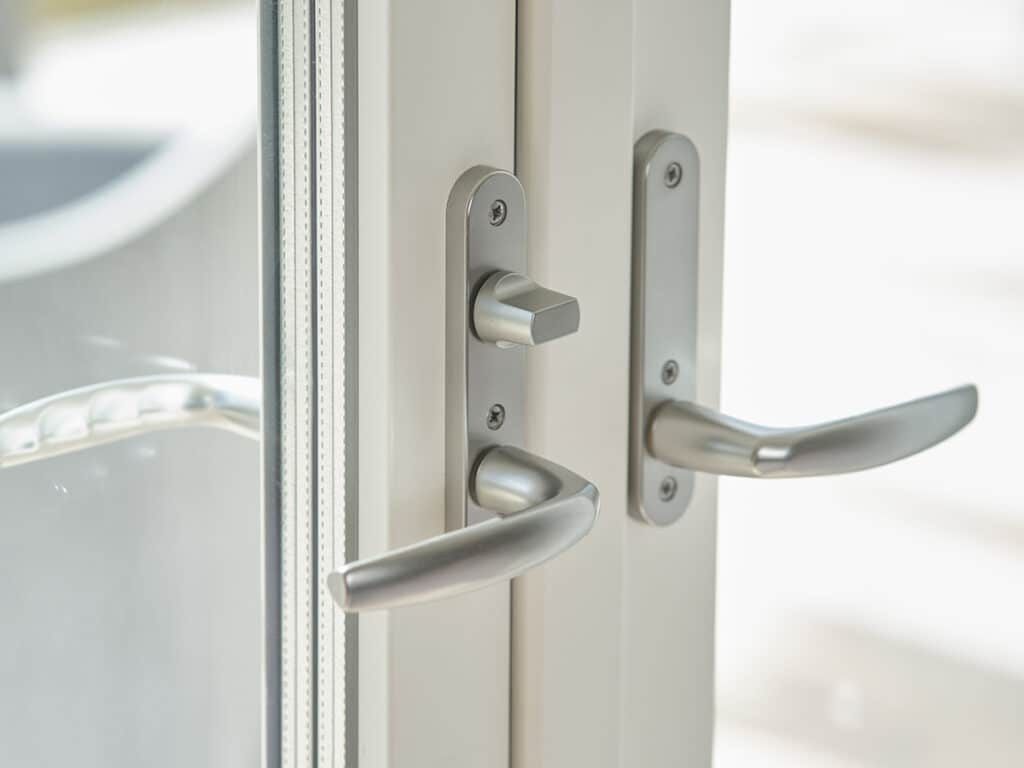
Measure the handle projection and its height above the sill. A low-profile shade may clear it, while a fascia or cassette may not. Photograph the obstruction with a ruler in the frame.
Measure each side independently if you want two shades. A single shade across a mullion may not sit flat and may prevent either sash from operating.
Inside mount normally uses the recess behind the trim, not the outer casing. If the trim is proud of the wall or the recess changes depth, an outside mount can look cleaner.
Measure each plane separately and note the angle between sections. Shade hardware may need additional clearance where adjacent headrails meet.
Door glass often has a shallow recess and a projecting handle. Review roller shades for French doors before choosing inside mount, and consider an outside mount if the handle is within the shade’s travel path.
A worked example
Imagine a bedroom window with a clear opening of 46 1/8 inches at the top, 46 inches in the middle, and 46 1/16 inches at the bottom. The height reads 58 3/4 inches left, 58 7/8 inches center, and 58 5/8 inches right. The recess is 2 3/8 inches deep, and the chosen low-profile cassette requires 2 inches.
The controlling width is 46 inches. The height should be entered according to the supplier’s inside-mount convention, with the 58 7/8-inch center measurement flagged because the sill varies by 1/4 inch. The depth appears workable, but the final decision depends on bracket dimensions and whether the blackout fabric needs extra clearance. This is exactly the kind of opening where a quick review from World Wide Shades is useful.
Why fabric choice affects fit
Roller fabric thickness, roll diameter, and cassette size all influence the required depth. A heavier blackout fabric on a 72-inch-tall shade can create a larger roll than a thin 5% solar screen. Side channels, valances, and fascia add further clearance requirements.
Do not measure once for a light-filtering shade and assume the same opening is automatically ready for a blackout or motorized model. Confirm the specification for the exact product. The best fabrics for roller shades guide can help you compare performance, weight, and room use.
What to send with your measurements
For each window, include room name, inside width at three points, inside height at three points, depth, obstruction notes, mount preference, and a straight-on photo. Add a side-angle photo if the jamb is sloped or the frame is unusually deep. Note whether the window opens inward and whether the sill must remain usable.
A complete record makes a quote faster and reduces back-and-forth. World Wide Shades can turn those notes into a workable shade plan; start at /builder, compare samples in /swatches, or contact the team at /contact.
If the room is a bedroom, also compare the privacy and fabric guidance in best window shades for a bedroom before you finalize the mount and openness percentage.
FAQs about measuring inside-mount roller shades
Measure the clear window opening where the new brackets will attach, not the existing shade. Existing shades may have different deductions, headrails, or outside-mount dimensions.
Usually no. Give the three actual inside-opening widths and select inside mount. The manufacturer applies the correct deduction for the product. Subtract only when the order instructions specifically require it.
Use the smallest of the top, middle, and bottom width readings for a typical inside-mount roller shade. If the difference is large, ask whether outside mount or side channels would produce a better fit.
Measure left, center, and right. Use the ordering convention supplied for the shade, usually the longest opening height, and flag any sloped sill or uneven frame so the hembar can be checked.
The required depth depends on the roller, cassette, fascia, motor, and fabric. A recess around 2 inches may fit a low-profile model, but confirm the exact product specification before ordering.
Yes. Send photos and dimensions through /contact, use the World Wide Shades online builder, or call (844) 674-2716 for help selecting the mount and product profile.