Bedroom window shades have one job everyone notices immediately: control light when you're trying to sleep. But the best bedroom setups do more than block the sunrise. They manage privacy, reduce glare for reading, help regulate temperature, and look intentional with your bedding and wall color.
In 2026, bedroom design trends are moving toward warmer neutrals, textured fabrics, and cleaner hardware lines. That's good news for shades, because roller and roman styles can deliver hotel-level polish without the bulk of heavy drapery. World Wide Shades fabricates every shade to your exact window measurements from our Bronx production facility — so the fit, fabric, and finish are right the first time.
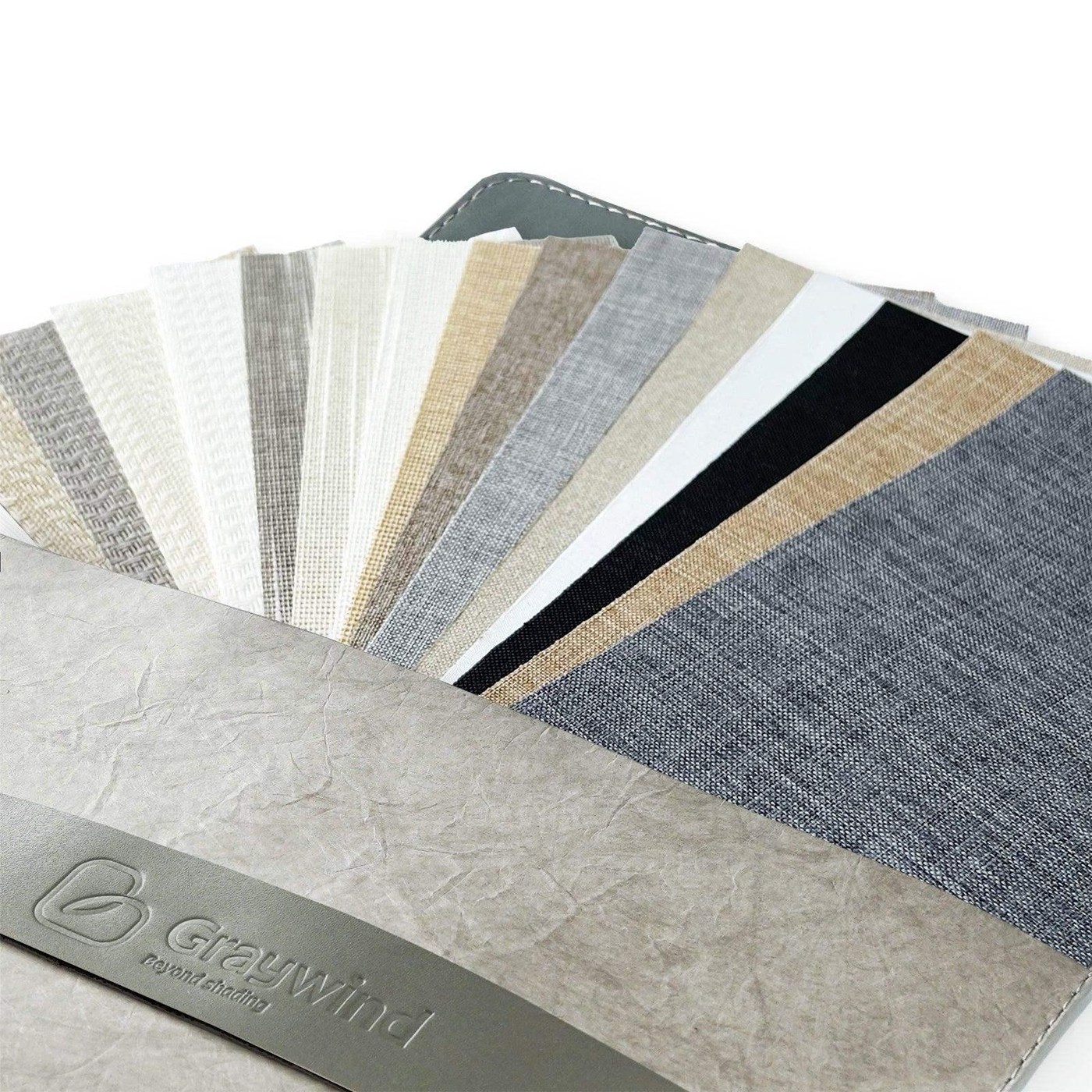
Use our online shade builder to configure and price your custom bedroom shades in minutes, or browse free fabric swatches to see and feel materials before you order.
What "best for sleep" really means
Many shoppers assume "blackout" is the only metric. In reality, sleep-friendly shades come from a combination of:
- Low light leakage at the edges (mount choice and coverage)
- A fabric that matches your darkness goal (room-darkening vs. true blackout)
- Quiet, consistent operation (chain, cordless, or motor)
- Thermal performance that helps keep the room at a stable temperature
A blackout fabric mounted inside the frame can still allow a bright outline around the sides. Meanwhile, a room-darkening fabric mounted outside the frame with generous overlap can feel darker than you'd expect. World Wide Shades helps you choose the right combination of mount type and fabric opacity for your specific windows — because those two decisions together determine how dark your bedroom actually gets.
Top shade options for bedrooms
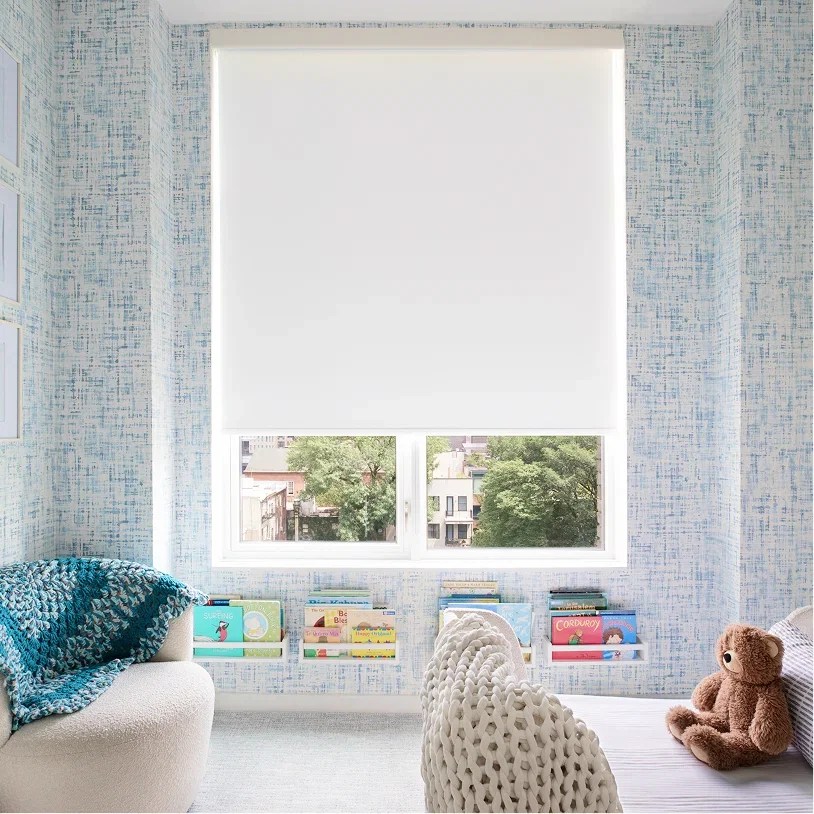
Blackout roller shades are the most popular bedroom choice at World Wide Shades because they look clean, come in many colors, and deliver real darkness at an accessible price point.
- Best for: primary bedrooms, nurseries, shift workers
- Look: modern, minimal
- Typical price range: about $180–$450 per window depending on size and fabric
For the darkest result, choose an outside mount with at least 2 inches of overlap on each side. If you're sensitive to light, consider pairing with side channels. World Wide Shades builds every blackout roller shade with a true opaque backing — not a tinted weave that still glows in afternoon sun.
Not everyone wants a room that's pitch black at noon. Room-darkening shades reduce early-morning light and streetlamp glow while keeping a softer daytime feel.
- Best for: guest rooms, teens' rooms, bedrooms that double as home offices
- Look: modern, flexible
- Typical price range: about $160–$380 per window
Room-darkening fabrics often have a backing that improves privacy at night, which matters if your bedroom faces a neighboring property. Browse our fabric swatch collection to see exactly how different room-darkening options perform at various light levels.
Roman shades bring texture and softness, which can make a bedroom feel calmer and more finished.
- Best for: traditional or transitional bedrooms, design-forward spaces
- Look: tailored folds, fabric-forward
- Typical price range: about $250–$650 per window depending on fabric and liner
Romans can be room-darkening or blackout with the right liner, but expect a bit more light leakage at the sides compared with a well-fitted roller shade. World Wide Shades can help you select the right liner for your roman shade to hit your darkness target without sacrificing the elegant look.
Cellular shades trap air in their pockets, improving insulation.
- Best for: bedrooms with hot afternoon sun or cold winters
- Look: simple, slightly more "utilitarian" than rollers
- Typical price range: about $170–$500 per window
If temperature swings wake you up, a cellular shade can be a practical upgrade. See our full breakdown in the energy-efficient window shades guide for how much difference the right shade can make on utility bills.
Some bedrooms benefit from two modes: privacy and daylight in the day, darkness at night. A day/night setup might use a light-filtering shade plus a blackout layer.
- Best for: rooms with strong morning light but daytime use
- Look: flexible, premium
- Typical price range: about $350–$900 per window depending on system
A simpler alternative is pairing one shade with curtains. If you want a clean "shade-only" look, a dual system can make the room more versatile. Contact World Wide Shades at (844) 674-2716 for a free consultation on layered systems — we'll help you figure out whether a dual system or a single well-specified shade is the smarter investment for your room.
Fabric performance: what to look for in 2026
Bedroom fabrics are trending toward softer textures and warmer whites, but performance details still matter.
For screen and light-filtering fabrics, openness (often 1%–10%) describes how much you can see through the weave.
- Bedrooms generally do best with tighter weaves (lower openness) for privacy.
- A 3%–5% openness fabric can reduce glare while still allowing some view; for bedrooms that face neighbors, that may be too open at night with lights on.
The light-filtering shades guide goes deeper on how openness percentages translate to real privacy and glare control at different times of day.
- Blackout fabrics typically have an acrylic foam or opaque backing.
- Room-darkening fabrics often have a dense weave or a lighter backing that reduces light without total opacity.
If you're ordering samples, hold them against a bright window in the afternoon. You'll see immediately whether the fabric is truly opaque. World Wide Shades ships free swatches so you can do exactly this test — order yours at /swatches before placing your final order.
Blackout fabrics in very light colors often use a backing that can read slightly cooler or more matte than paint and trim. That doesn't mean it looks bad, but you should check the undertone.
Ordering samples from /swatches helps you verify whether a warm white reads creamy next to beige walls or whether it looks stark next to warmer trim.
Mount choices that affect bedroom darkness
Bedroom darkness is affected by small geometry decisions. A typical roller shade fabric is slightly narrower than the ordered width so it can move freely inside brackets; that difference can leave roughly 1/4 to 3/8 inch of gap per side on many systems. If you're very light sensitive, you'll feel those gaps at sunrise.
Practical sizing targets that usually work well:
- Outside mount overlap: aim for 2 inches per side for most bedrooms; 3 inches per side if the window faces a streetlight.
- Height coverage: mount the hardware high enough that the fabric covers the full glass when fully lowered, plus a bit of extra to account for trim irregularities.
If your bedroom has multiple windows, keep your overlap consistent so the window line looks deliberate rather than "almost the same." World Wide Shades builds every shade to your specified width — so the overlap you plan is the overlap you get, not an approximation.
Inside mount looks sleek, but it leaves the natural gap between fabric and frame.
- Pros: clean look, minimal projection
- Cons: more edge light, depends heavily on square frames
Inside mount is great if your priority is appearance and you can tolerate a halo of light. Our installation guide covers inside-mount bracket placement in detail.
Outside mount is the most effective way to reduce light bleed.
- Pros: better coverage, can make the room darker
- Cons: more visual presence, requires careful leveling
For bedrooms, outside mount is often the better choice if you're serious about sleep. World Wide Shades lets you specify inside or outside mount during the configuration process, and we cut the fabric to match.
Bedrooms benefit from a cleaner head treatment because it can reduce the top light gap.
- A cassette can tighten the fabric exit point and hide the roll for a premium look.
- A fascia is a good middle ground when you want a finished look but are prioritizing budget.
For a full walkthrough of valance and cassette options, see the roller shade valance options guide.
Light leakage solutions: side channels, returns, and layered setups
If your goal is true darkness, the last 10% comes from edge control.
Side channels guide the fabric edges and reduce the bright sliver that can appear along the jamb.
- Best for: nurseries, shift workers, anyone who wakes easily
- Trade-off: more visible hardware and more precision during install
- Typical cost add: about $80–$200 per window depending on height and system
Contact World Wide Shades at (844) 674-2716 to discuss whether side channels make sense for your bedroom windows — they're not always necessary, but for certain setups they're the single biggest upgrade you can make.
Even if you prefer a shade-first look, adding soft drapery can improve performance and aesthetics.
- A blackout shade does the functional work every day.
- Curtains add a light seal at the sides and a softer "finished" feel.
If you choose curtains, mount the rod wide enough that panels can stack off the glass. A common guideline is 8–12 inches beyond the window casing on each side when wall space allows.
A cassette can reduce the top light gap and also creates a cleaner line in a primary bedroom. If you want a deep dive into those options, read the roller shade valance options guide. For a full comparison of how blackout shades stack up against curtains in real-world darkness performance, see blackout curtains vs. blackout shades.
Noise and operation: chain vs. cordless vs. motor
In a bedroom, noise and consistency matter.
- Chain control is reliable and cost-effective, but a chain can tap against the wall if not tensioned.
- Cordless options remove dangling cords and often feel quieter.
- Motorized shades provide the smoothest daily routine, especially if you open/close shades twice a day.
Motorization pricing varies, but a realistic planning range is an additional $150–$300 per shade depending on size and motor type. The convenience is tangible in bedrooms because you use them every day. World Wide Shades offers motorized options that integrate with smart home systems — see our smart home motorized shades setup guide for details on compatible platforms.
Noise matters too. In quiet bedrooms, a poorly tensioned chain can click against the wall, and some cordless mechanisms can "thump" at the end of travel. If you're a light sleeper, prioritize:
- A smooth clutch feel (no grinding)
- A properly mounted chain tension device
- Soft-stop motor features if you're motorizing
A small detail: in rooms with thin drywall, anchoring the chain tensioner into a solid wood jamb reduces vibration and makes operation feel more refined.
Budgeting by bedroom type
A smart approach is to spend where you'll feel the benefit daily.
- Primary bedroom: blackout or room-darkening + upgraded top finish (often a cassette)
- Nursery/kids' room: cordless or motorized for safety + durable wipeable fabric
- Guest bedroom: room-darkening can be enough, especially with a neutral color that suits many guests
If you're outfitting several bedrooms, you can mix finishes: premium in the primary, simpler hardware in secondary rooms. Get a custom quote from World Wide Shades that covers your entire home — it's easy to configure multiple rooms at once in the builder and compare totals before you commit.
For child safety considerations in nurseries and kids' rooms, our child-safe window treatments guide covers every relevant option including cordless mechanisms and motor types that keep cords out of reach.
Cross-links: related guides to refine your choice
These posts can help you finalize fabric and performance decisions:
- Light-filtering shades guide for understanding privacy and daylight balance
- Energy-efficient window shades for comfort and insulation strategies
- Child-safe window treatments for safer options in nurseries and kids' rooms
- Blackout curtains vs. blackout shades for a side-by-side performance comparison
- Roller shade valance options to choose the right head rail finish
- Smart home motorized shades setup if you're considering automation
FAQ: bedroom window shades
Blackout fabric is designed to be opaque and block most light through the material. Room-darkening reduces light significantly but may still glow in direct sun. The mount and side gaps also play a major role in overall darkness. World Wide Shades offers both fabric categories with detailed descriptions so you can choose the right opacity for your sleep needs.
Yes. Roller shades are one of the best bedroom choices because they can be blackout, look clean, and stack neatly at the top so the window feels open when the shade is raised. World Wide Shades builds custom roller shades to your exact window dimensions, so you get proper coverage without awkward gaps or oversized fabric.
Side channels can reduce edge light, especially on outside mounts. They're most valuable if you're highly light sensitive, work night shifts, or need a nursery to stay dark for naps. Contact World Wide Shades at (844) 674-2716 to discuss whether side channels are the right upgrade for your specific windows.
Yes, but choose cordless or motorized lift options whenever possible, and keep any control components secured. If you're planning a nursery, our child-safe window treatments guide goes deeper on safer configurations.
A common target is 2 inches of overlap per side. If the window faces bright outdoor lighting or early sunrise, 3 inches per side often feels noticeably better without looking oversized. When you build your shade at World Wide Shades, you specify the overall fabric width — so the overlap is engineered in from the start.
Warm whites, soft taupes, and muted grays are popular because they blend with most bedding and wall colors. Ordering free swatches from World Wide Shades helps confirm undertones in your room's actual lighting before you commit to a color.
Build a sleep-friendly bedroom setup
The right bedroom shade isn't just about blocking light — it's about getting the mount, fabric, and finish working together so your room feels exactly the way you want it. World Wide Shades custom-fabricates every shade to your exact measurements, with fabric options from room-darkening to true blackout and hardware that ranges from simple cordless to fully motorized.
Design your shades at our shade builder, order fabric samples from /swatches to confirm color and texture, and contact World Wide Shades at (844) 674-2716 if you want help choosing between blackout, room-darkening, or layered options for your bedroom. We're based in the Bronx and work with customers throughout New York City and across the country.