Why finished attics are uniquely tricky to shade
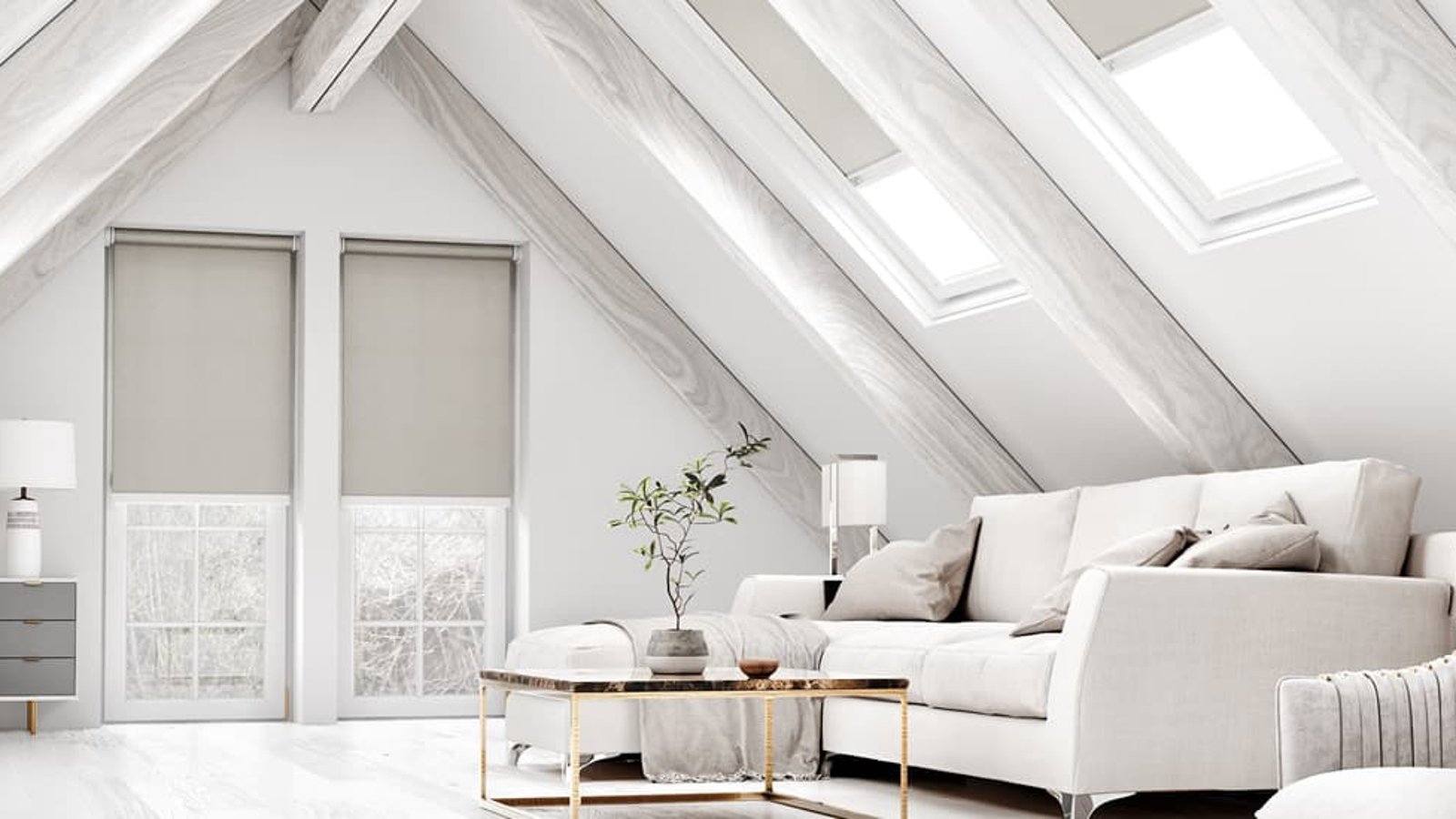
Finished attics, bonus rooms, and dormers are some of the most uncomfortable spaces in a home when the windows are left untreated. Between a roofline that bakes in summer, cold surfaces in winter, and angled dormer geometry, “normal” off-the-shelf shades often look awkward or simply don’t fit.
World Wide Shades designs custom window shades for real-world windows, including dormers and other non-standard openings. Start your custom quote in the Shade Builder to see options that can be made to the exact width you need, then use Order free swatches to confirm fabric color and light control.
Common attic window types (and what they mean for shades)
Attic spaces usually include one or more of these:
Dormers typically have short wall height and tight trim clearances. That makes mounting choices important, especially if you want the shade to clear casing and still sit straight.
Some finished attics include roof windows or skylights where the “window” sits in the roof plane. Those require a solution that stays close to the glass and handles heat gain and glare. (For dedicated skylight guidance, see our Skylight Shades Guide.)
A gable-end wall can hold a standard window, but it often faces strong sun and is paired with a warm attic envelope. Solar control and insulation matter.
What most homeowners want from attic window shades
Attic rooms tend to be multi-purpose: guest room, teen bedroom, home office, or a media room. That means your shades usually need to do more than “look nice.”
If you’re battling a hot room in summer, start with solar control. Our guide to energy efficient window shades explains how shade fabrics can reduce solar heat gain while keeping a room usable.
If the attic is a bedroom, prioritize darkness and coverage. Our bedroom breakdown at best window shades for bedrooms explains how to think about opacity, mounting, and light leakage.
Attic bonus rooms often become office space. Light-filtering or solar fabrics can cut glare without turning the room into a cave; compare options in our light filtering shades guide.
Best shade styles for finished attics and dormers
There’s no single “best” shade for every attic, but these options cover the most common goals.
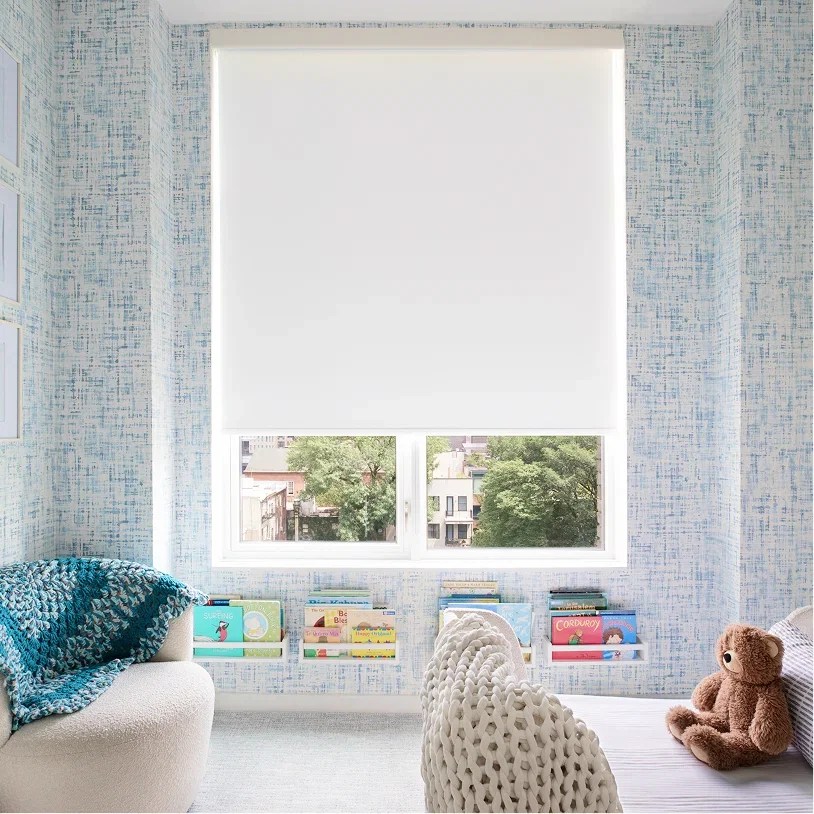
Roller shades are usually the cleanest look in dormers because they sit close to the window and don’t add visual bulk to a small wall area. With World Wide Shades, you can choose light filtering, room darkening, or blackout fabrics and order the exact size instead of compromising.
If you’re new to roller shades, read how to install roller shades before ordering so you understand bracket placement, clearance, and leveling.
For attic windows that face strong sun, solar shades can be the “sweet spot”: glare reduction plus view preservation. Our UV protection window shades guide explains why UV matters for flooring, furniture, and artwork in sun-drenched upper floors.
When an attic becomes a guest room or kid’s room, blackout is often the priority. The biggest mistake is assuming “blackout fabric” automatically means “zero light in the room.” The mount, side gaps, and top gap matter too.
World Wide Shades can help you pick a blackout fabric and the right mounting approach for your dormer. Talk to a shade specialist at (844) 674-2716 if you want help choosing between room darkening and full blackout.
Inside mount vs outside mount in tight dormers
The mounting decision often makes or breaks an attic installation.
Inside mount looks tailored, but it needs enough depth and reasonably square trim. Many dormers have shallow trim or uneven casing. If you’re unsure, review our inside mount vs outside mount shades guide and measure the depth at multiple points.
Outside mount can cover more glass, reduce light leakage at the sides, and work around shallow trim. It can also forgive a window opening that isn’t perfectly square.
If you’re trying to reduce light gaps, outside mount is often step one. You may also want to pair the right mount with a fabric choice that matches your comfort goals.
How to measure attic and dormer windows without reordering
Measuring is where dormer projects go wrong. Here’s a reliable approach.
Measure the top, middle, and bottom of the window opening. For inside mount, you’ll typically use the narrowest measurement so the shade fits without rubbing.
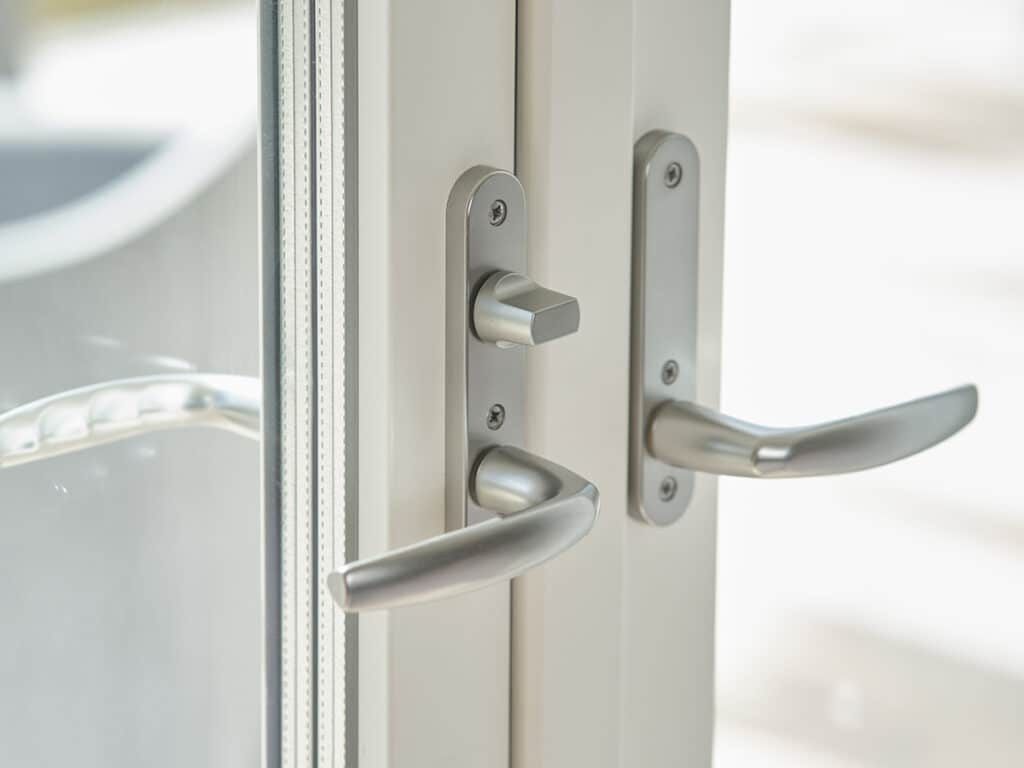
Dormers sometimes have window cranks, locks, or trim returns that interfere with the shade roll or bottom hembar. Make sure you measure height and note any obstructions.
The fabric roll and brackets need space. If the dormer ceiling slopes close to the window, you may need a more compact headrail or an outside-mount position that clears the slope.
World Wide Shades customers often find it easier to start in the Shade Builder, then confirm mount and measurements from there. Start your custom quote in the Shade Builder when you’re ready.
Managing light gaps and uneven walls in attic rooms
Dormers can be visually charming but geometrically imperfect.
Roller shades need a little side clearance, which can let light in at the edges. That’s normal, especially with inside-mount blackout. If this is a deal-breaker for sleep, choose outside mount or ask about light-blocking upgrades.
If you want “soft light,” a light-filtering fabric in a warm tone can make an attic feel less harsh than bare glass. If your goal is “no glare,” a solar fabric may be better.
If your attic has a big picture-style gable window, you may need one wide shade or multiple shades side by side depending on width. Our guide to roller shades for large windows explains what to expect.
Style tips: making an attic feel intentional (not like a converted storage space)
A finished attic can look custom when the window treatments are consistent.
If you have multiple dormers, using the same shade style and fabric creates a cleaner line.
Lighter fabrics can visually raise the ceiling and reduce contrast in low-knee-wall spaces. If you’re considering whites or creams, our window shades color guide is a helpful starting point.
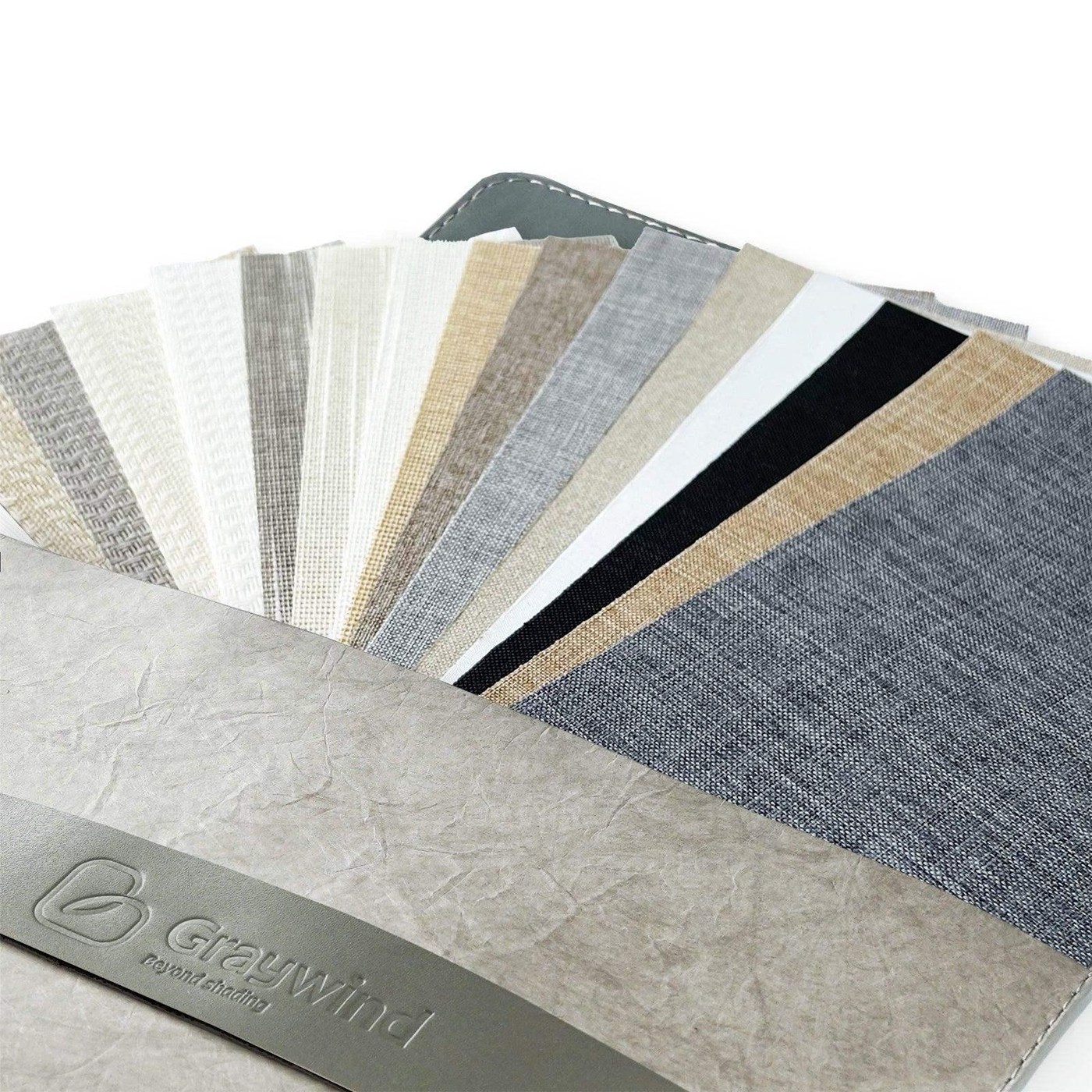
Attic lighting can be dramatic (direct sun plus shadows from the roofline). Testing fabric is especially important here. World Wide Shades makes it easy to Order free swatches so you can check the look in morning, afternoon, and evening.
Cost expectations for custom attic window shades
Custom shades aren’t “one price,” but they are predictable when you understand the drivers.
Fabric type (solar vs blackout), width/height, and upgrades like motorization usually affect price. If you want a quick sense of ranges, see how much do custom roller shades cost.
Attic windows are often non-standard. When you’re trying to avoid gaps, awkward overlaps, or reordering, custom sizing usually saves time and frustration.
World Wide Shades can help you build the right solution the first time. Contact World Wide Shades if you want a recommendation for your specific dormer layout.
Frequently asked questions about attic window shades
Solar shades or light-filtering roller shades designed for sun exposure are common choices because they reduce glare and help manage solar heat gain. The exact pick depends on orientation and how much view you want to keep.
You can reduce perceived light leakage by using outside mount, increasing coverage beyond the trim, and selecting a blackout fabric. Some installations also add light-blocking accessories depending on window geometry.
If the window is high, hard to reach, or used daily, motorization can make the attic more livable. It also helps when you want consistent shade positions across multiple dormers.
If the room is uncomfortable because of heat, glare, or privacy, shades can make it usable—turning “extra space” into real square footage. Many homeowners start with swatches and one window, then match the rest.
Next steps: build your attic shade plan
If you want a finished attic that feels like a true bedroom, office, or lounge, start with a shade plan: identify your window types, pick the light-control goal for each, then choose a mount that fits the dormer geometry.
World Wide Shades can help at every step. Start your custom quote in the Shade Builder to configure your shades, Order free swatches to confirm the fabric, or Talk to a shade specialist at (844) 674-2716 to talk through tricky dormer measurements.