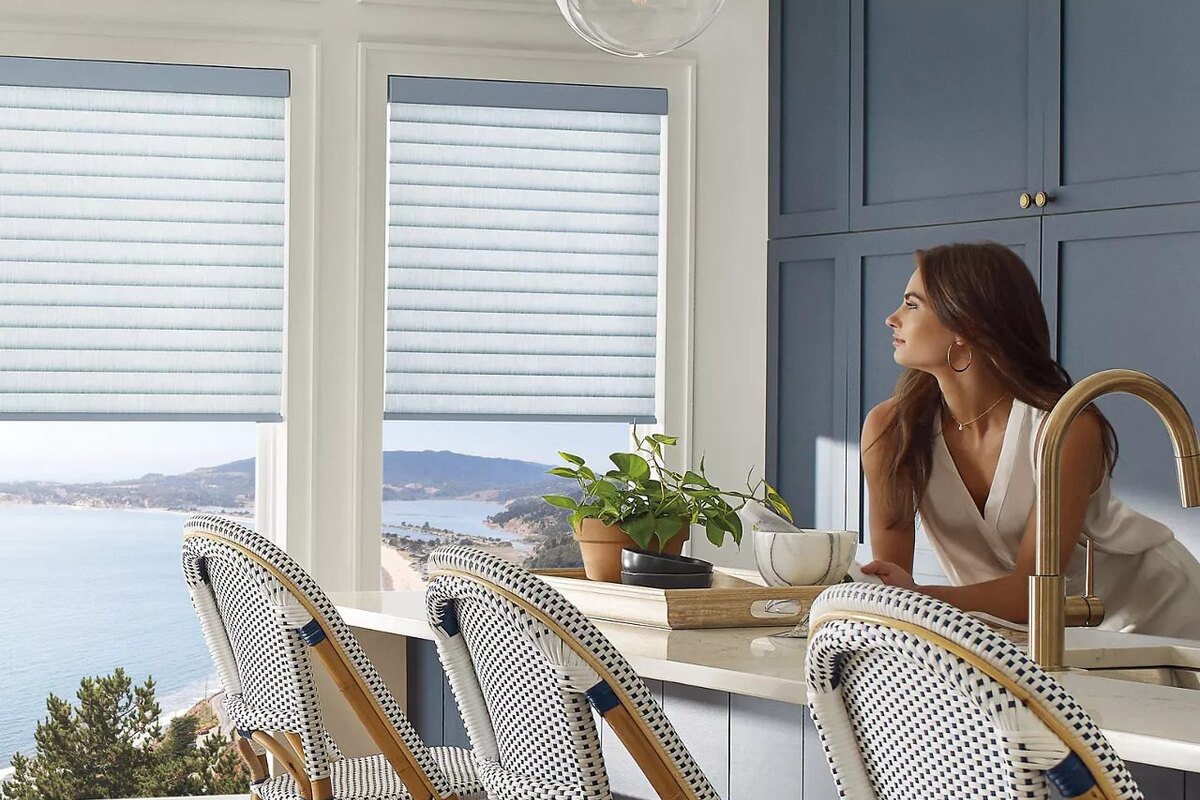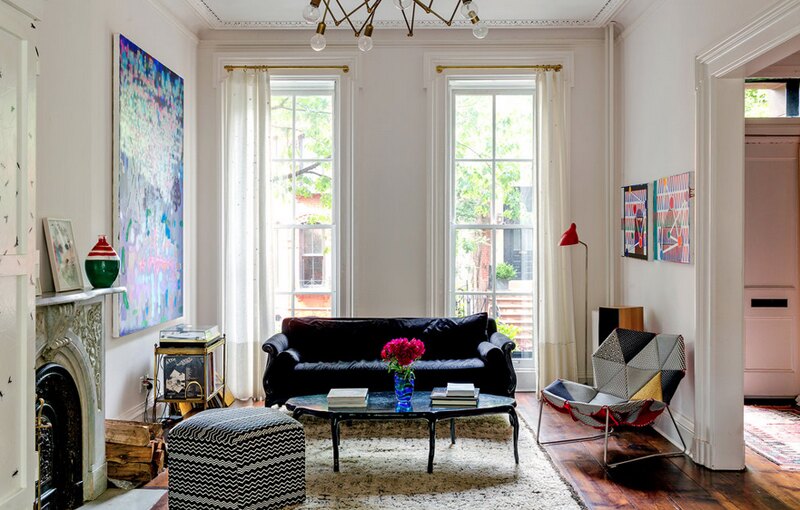
When you buy custom roller shades for a Brooklyn brownstone, start with the windows you have, not the ones you expect. A deep front window may happily take a recessed shade, while a replacement sash upstairs may leave little usable bracket depth. The best result can use two mount types and several fabrics without looking like a collection of unrelated decisions.
Choose one window that sets the visual direction, such as a prominent living-room opening, and one that presents the hardest fit, such as a sash with a projecting lock. Resolve those two before repeating a specification throughout the house. You can use the World Wide Shades builder to explore the configurations separately rather than treating the first window as a template for all the others.
Evaluate the depth where the shade will actually sit
Deep casing can make a window look like a natural candidate for an inside mount, but the visible recess and the usable bracket depth are not the same thing. Look at the flat, sound surface available at the top of the opening. A stepped molding profile, an insert frame, or a lip in the jamb can change where the bracket sits. A recess can also be deep enough for a bracket without hiding the entire roll or cassette behind the plane of the trim.
If the window has an operable sash, look at it both closed and in use. On a double-hung window, for example, a lock or lift can project farther forward than the glass. Picture the path of the cloth and bottom rail past that hardware, and consider how you access the lock or tilt the sash for cleaning. If the space looks close, don't assume the roll direction will solve it. Review the proposed hardware with World Wide Shades before choosing the mount. Contact World Wide Shades or call (844) 674-2716 to discuss what may interfere.
An inside mount gives the molding a clear perimeter and can let the shade sit visually behind it. World Wide Shades requires at least 1.5 inches of inside-mount depth and recommends 2.5 inches for motorized shades. Use an outside mount if the opening is shallower than the minimum. Confirm the profile of the actual bracket and any cover you choose before expecting a flush appearance.
For an inside mount, measure width at the top, middle, and bottom and use the narrowest. Measure height at the left, center, and right and use the tallest. Enter the exact opening dimensions; World Wide Shades makes the factory deductions. That narrowest width is the fit input, not a promise that the fabric will fill an uneven opening evenly. If a sash is visibly out of square, an inside mount may make the side reveal more noticeable. The World Wide Shades measuring guide is a useful reference before you commit.
An outside mount can move the fabric forward of projecting sash hardware and give it room to overlap the edges of the opening. For an outside mount, add 2 to 3 inches on each side and 3 inches above. Apply that guidance where you have the space and a suitable mounting surface. If you run into a crown molding, a neighboring casing, or a tight wall return, work through that conflict before placing the order.
Decide from across the room whether you want the shade to cover part of the trim or sit above it when raised. An exposed roll can keep the top profile simple. A cassette or valance can conceal the mechanism, but it also adds a visible shape that may compete with ornate molding. Compare these roller shade valance and cassette options against the specific windows you intend to order, not just the cleanest opening in the house.
Make mixed window sizes look intentional
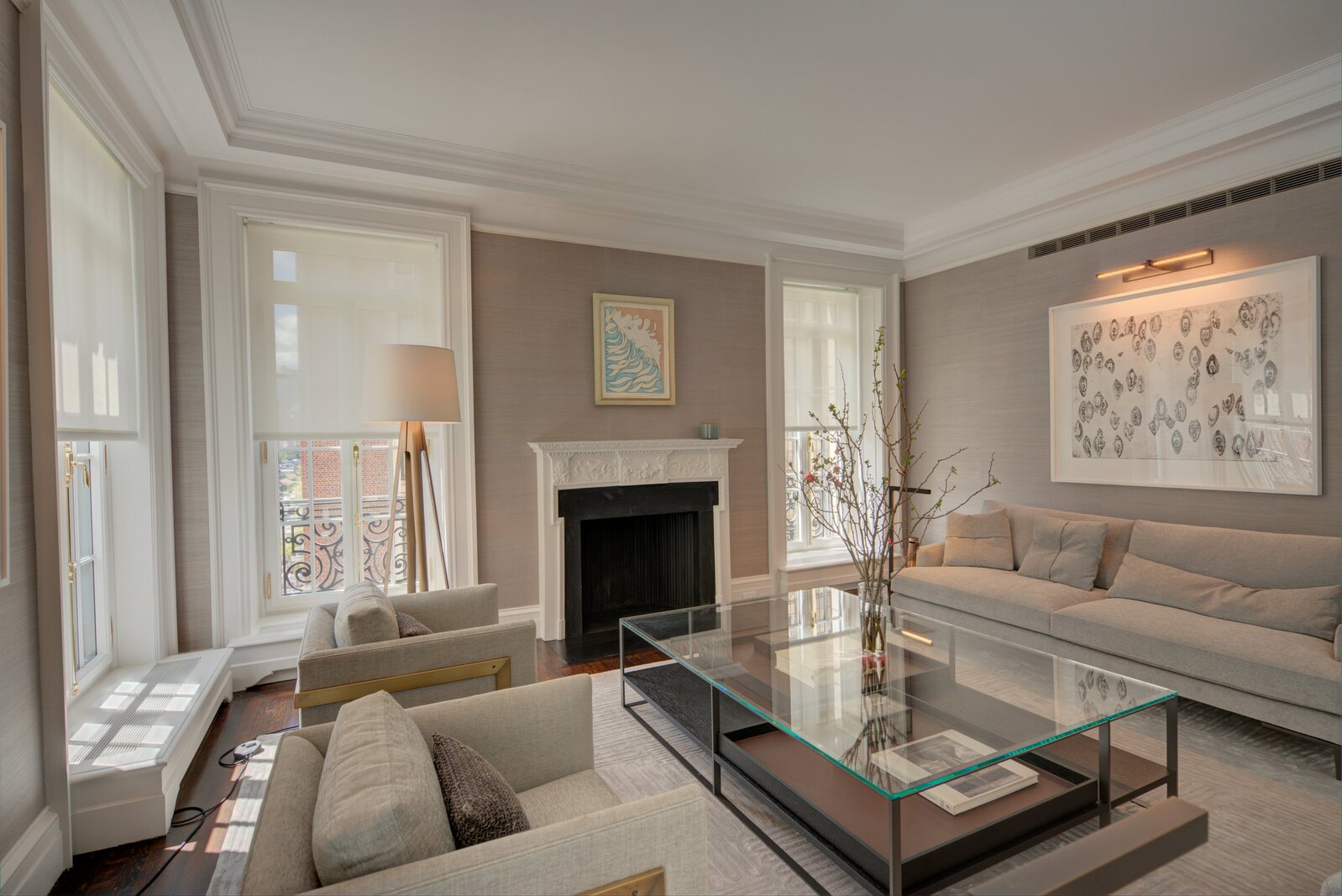
If two tall windows flank a fireplace, or if several openings share a wall, align the details people actually see together. Depending on the opening, that may be the top of the cover, the finish of the bottom rails, or the line of the shades when they're raised. A deep casing on one window and a shallow one on the other can make identical hardware look less consistent than different mounts finished in the same color.
Treat each opening as its own order line, even when two windows look interchangeable. A stock shade starts with a predetermined size and leaves you to decide where the extra reveal or overlap will land. A custom order lets you specify each opening independently and repeat the fabric and hardware details that should match. It won't straighten an old jamb or eliminate all edge gaps, but it lets you choose where to frame the opening and where to cover it.
If you're considering one shade across multiple sashes, ask where you'd like to control the light independently. Separate shades can let you lower one panel for glare while keeping another view open, and a center mullion can give the split a natural visual break. A single shade avoids the break between panels, but the span may affect the available fabric, hardware, and control choices. That trade-off comes up at a larger scale in this guide to custom shades for Greenwich estate homes. For your own project, configure the widest opening first to see which choices you can repeat elsewhere.
Coordinate color without using the same fabric in every room
Start with the trim you will keep. Against warm painted millwork, compare a soft white with a warm linen to see which reads closer in your room. If the casing is dark or stained, decide whether you want the shade to blend with that frame or look like a separate pale panel. Compare both how each cloth looks in front of light and how it looks against the trim after dark. Fabric color, weave, and openness are related choices, but they do not tell you the same thing.
World Wide Shades lists 500+ colors across 40+ fabric families, with fabric photos and published openness factors. There is no sample program, so use the images to make a shortlist rather than treating screen color as an exact match to your paint. If you are weighing outward view against glare, read the comparison of white versus charcoal solar shade fabric, then browse World Wide Shades fabrics by the performance and palette you need.
The street-facing living room might call for filtered light, while a bedroom needs better coverage after dark and at sunrise. You can carry a similar warm-neutral tone across the two rooms and still choose different materials. Where someone can see directly into a room, make nighttime privacy a separate decision: don't order an open-weave solar fabric on the assumption that daytime privacy will hold when the lights are on inside. The roller shade fabric guide compares the options, and the blackout roller shades collection is a starting point for rooms where darkening takes priority.
Keep operation consistent where people notice it
There is no need to motorize a reachable guest-room shade just because you want one-touch control at a bank of tall windows. Prioritize the shades you adjust daily, those behind furniture, and those that are difficult to reach. For groups you plan to operate together, decide whether you also need separate control for a shade near a desk, bed, or television. Think through who will use the room and where they will be standing when they want to close the shades.
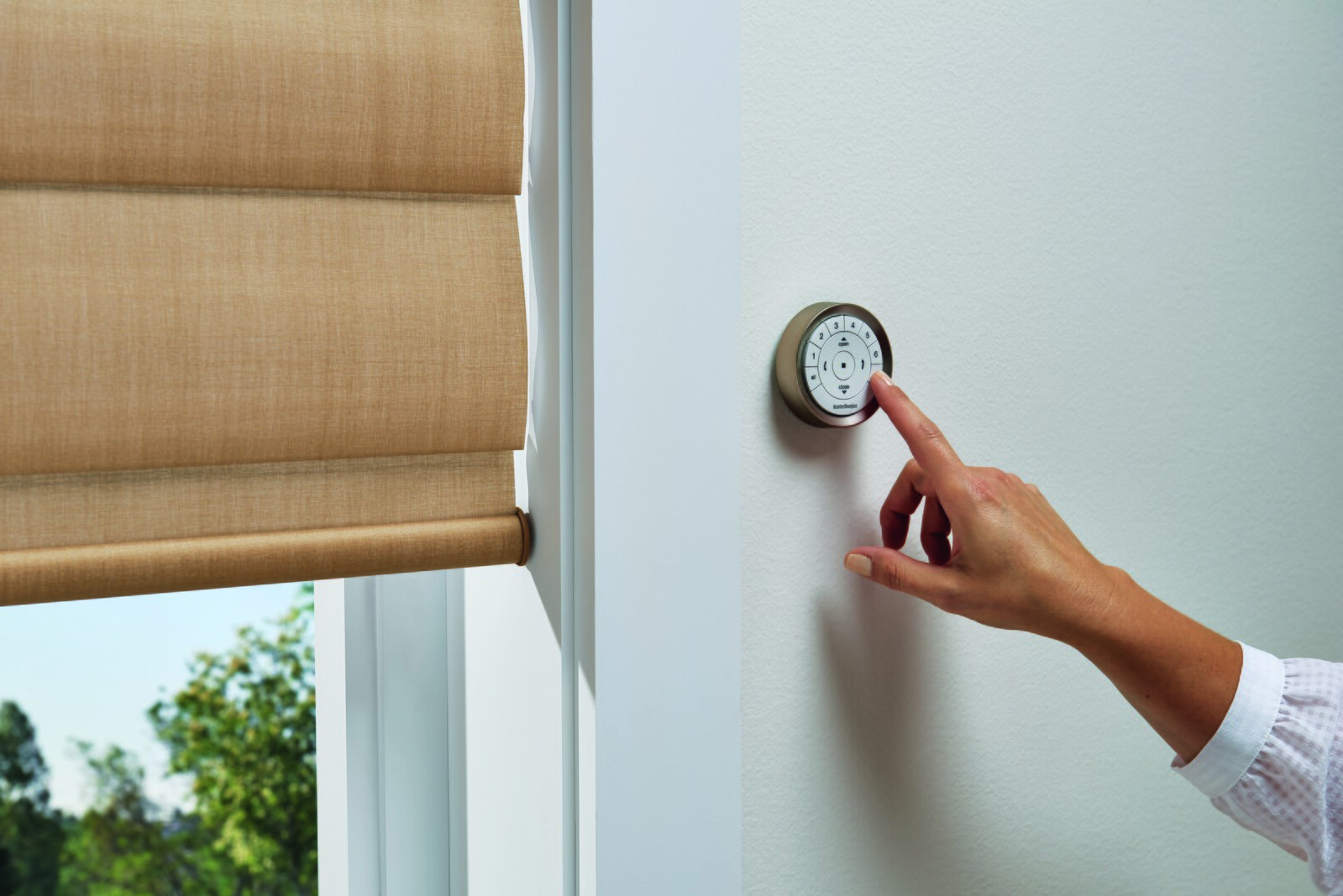
For motorized shades, select the control ecosystem and decide how you will power or service the unit before settling on the mount. A power connection or charging point that's easy to access on a drawing may be awkward once there's furniture in front of it. The PowerView versus Somfy comparison is useful for evaluating ecosystems, while this guide to motorized shades for Hamptons second homes covers scheduled and remote operation. To plan your own setup, explore World Wide Shades motorized options and confirm compatibility for the exact shades you intend to order.
Frequently asked questions
Yes. An inside mount can preserve a prominent casing, while an outside mount can work better where a sash lock projects or there isn't enough depth. Repeat the finish and fabric tone, and compare the top lines from your usual seat or from the doorway before deciding whether the difference will stand out.
Blackout fabric blocks light through the fabric itself, but light can still pass around the sides or hardware. If those gaps will bother you, consider whether an outside mount with overlap will work, or whether a separate drapery layer makes sense for the room. Don't judge whole-room darkening from the fabric name alone.
If a particular window raises a mount or finish question, you can order that room first and see the result before repeating it elsewhere. If matching several windows on one elevation is more important, settle their shared specifications and order that group together. World Wide Shades makes each shade by hand to order in the USA, typically in 2 to 4 weeks, or 3 to 4 weeks for limited-stock or specialty options, with free U.S. shipping.
Use the measurements for each individual opening instead of averaging the two. Label the windows by room and position in your notes so the finished shade goes to the correct opening. You can still match the fabric, finish, and controls.
Ready to Order?
Use the most demanding opening to settle your mount and hardware choices, then work through the house in groups of windows that are seen or used together. If an unusual sash or trim detail makes the choice uncertain, contact World Wide Shades or call (844) 674-2716 before submitting the order.
- Measure: Choose the mount for each opening and save the dimensions under its room and location.
- Choose fabric: Compare fabrics for the rooms that need glare control, privacy, or darkening, then settle the palette across adjacent spaces.
- Choose controls: Decide which shades will stay manual, which should operate independently, and which motorized shades should move together.
- See live pricing: See live pricing in the builder using the actual dimensions, fabric, and controls for each window.
- Order: Review which shade belongs in each opening, then place your custom order through World Wide Shades.