When a roller shade chain keeps slipping, the chain is often no longer engaging the clutch teeth correctly. The chain may feel loose, skip over the sprocket, jam at one point, or move while the roller barely turns. Common causes include a stretched bead chain, a worn clutch, an incorrectly seated chain loop, and a safety tensioner mounted too far from the frame.
A slipping chain is more than an annoyance. Each skipped pull can drop the shade unevenly and create a diagonal roll, while a loose loop can become a child-safety hazard. World Wide Shades can help determine whether a clutch-only repair is sensible or whether a new custom shade is safer. Compare replacement options in the World Wide Shades builder before buying a generic chain.
How the clutch and chain are supposed to work
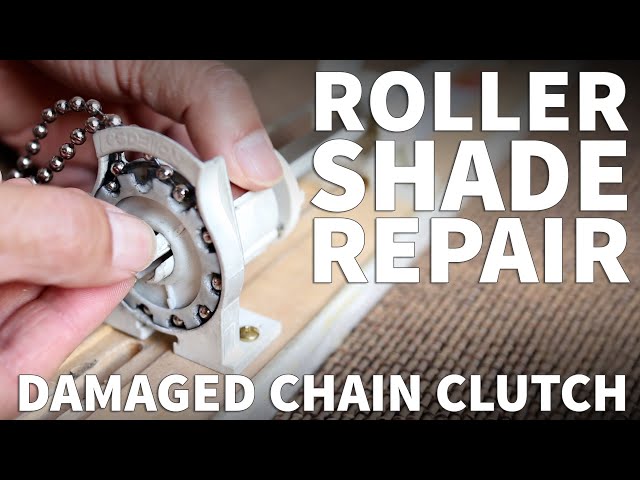
A roller shade clutch contains a toothed wheel that grips the beads on a continuous loop. Pulling one side of the loop turns the wheel and rotates the tube; pulling the other side reverses it. The tensioner keeps the loop aligned and limits slack, but it should not carry the shade’s operating load.
Most standard bead chains use a 3–4.5 mm bead spacing, but the chain size and clutch profile must match. A chain that looks similar can still skip because the beads sit too shallow or too far apart. Take a close photo of the clutch and measure the bead center-to-center spacing before ordering parts; send it to World Wide Shades through /contact.
Signs the chain is worn versus the clutch
A worn chain often shows flattened beads, rough seams, discoloration, or a loop that has become visibly longer. It may skip only under load or at one section of the loop. If the chain slips but the clutch wheel looks clean and the shade moves smoothly when assisted lightly, replacing the loop may solve the problem.
A failing clutch can click, grind, free-spin, or slip even with a new chain. The shade may feel heavier in one direction and easier in the other. A clutch that has lost teeth, cracked housing, or excessive side play should be replaced rather than lubricated; household oil can contaminate the fabric and attract dust.
The tensioner should sit vertically with the chain running freely and the bottom of the loop secured. If it is tilted, mounted more than a small distance away from the clutch, or pinching the beads, the loop can climb out of the track. Child-safe tensioner instructions take priority over convenience. World Wide Shades can recommend a compliant operating method through /contact.
Safe step-by-step diagnosis
Do not yank harder. Hard pulls can crack the clutch housing, pull a bracket out of the wall, or break the loop. Lower the shade by supporting the bottom rail only if the system’s instructions permit it, and keep hands clear of the roller.
Look for missing beads, a melted section, a knot, or a splice. Count the beads around the loop if you are ordering a replacement; a loop that is 1–2 inches too long can hang lower than intended, while one that is too short can overload the clutch.
With the shade safely supported, look at the point where the chain enters the clutch. The loop should sit in the wheel’s track without riding over the side. Do not remove a cassette or clutch from a wide shade alone; a 72-inch shade can be heavy enough to damage the fabric or bracket when it drops.
The chain should move with a smooth, moderate pull and no visible side bend. A tensioner that is cracked, loose, or positioned so the chain rubs the frame needs replacement. Child-safe devices should not be bypassed. Review child-safe window treatments for why the tensioner matters.
When you can replace the chain loop
A chain-only replacement is reasonable when the roller, clutch, brackets, and fabric are in good condition and the chain is the clear failure point. Match bead spacing, loop length, color, and connector style. Many loops can be changed without removing the fabric, but the exact method varies by clutch; follow the product instructions instead of forcing the chain over the wheel.
Plan on about $15–$45 for a compatible chain loop and $75–$175 for a service visit, excluding difficult access. A professional repair is usually cheaper than replacing a custom shade when the fabric is clean and the clutch has no damage. World Wide Shades can help source the correct component; order swatches at the same time if the fabric is due for an update.
When the clutch should be replaced
Replace the clutch when it free-spins, skips with a new correctly sized chain, or shows cracked teeth. The clutch must match the tube diameter, shade weight, control side, and bracket system. A wrong clutch can make the chain feel tight but still fail under the shade’s load.
For a 36-inch shade, a clutch repair may be straightforward. For a 90-inch blackout shade or a cassette with a valance, the tube and hardware may be sold as a matched assembly. See roller-shade valance options and cassette headrail versus exposed tube before selecting parts. Call (844) 674-2716 to have World Wide Shades confirm compatibility.
Chain repair versus motorization
If the shade is hard to reach, repeatedly used, or installed in a child’s room, motorization can remove the chain entirely. A battery motor typically needs charging every 6–12 months depending on width, fabric weight, and cycles per day. Motorized control also makes it easier to set repeatable positions on tall or wide windows.
Motorization costs more up front—often $350–$1,200 for a complete custom roller shade—but it can be the better long-term choice when chain failures recur. Read smart home motorized shades setup and ask World Wide Shades to compare a repair with a new motorized specification at /builder.
Why a new chain can still slip
A replacement loop will not fix a crooked tube, a bent bracket, or a fabric roll that is rubbing one side. Check the shade’s alignment before declaring the new chain defective. If the bottom rail tilts or the fabric walks toward one end, use roller shade rolls up crooked for a mechanical diagnosis.
Dust is another culprit. Fine grit in the clutch wheel can prevent the beads from seating, especially in kitchens, garages, and open windows. Vacuum loose dust with a brush attachment and use only the cleaning method approved for the clutch. World Wide Shades can recommend a more durable fabric and cassette when you are replacing a shade in a high-dust room.
Preventing future chain failures
Operate the loop with a straight, controlled pull and keep it away from handles, pets, and furniture. Check the tensioner twice a year and immediately after moving furniture. Replace a rough or missing-bead chain rather than waiting for a full skip.
For a new order, specify a cordless or motorized operating method when safety, reach, or frequency matters. World Wide Shades can coordinate child-safe hardware, fabric, and installation in one plan. Start with /contact, or call (844) 674-2716 for a practical repair-versus-replacement answer.
Frequently Asked Questions
The clutch may be free-spinning, the chain may be skipping its teeth, or the chain may have come out of the wheel track. Stop pulling, inspect the loop and clutch, and match any replacement chain to the clutch profile. A new chain will not cure a broken clutch.
No. Bead spacing, bead diameter, loop length, connector, and clutch design must match. A universal loop can appear to fit while skipping under load. World Wide Shades can identify a compatible replacement from the shade model and a close-up photo.
A compatible chain loop often costs about $15–$45, while a service visit can add roughly $75–$175. A clutch or matched hardware assembly costs more, especially on a wide custom shade. Request a World Wide Shades estimate through /contact.
Yes. A loose continuous loop can create an entanglement hazard. Keep furniture away, secure the tensioner correctly, and never remove a safety device to make the chain easier to pull. For a child’s room, consider cordless or motorized shades.
Repair the clutch when the fabric, tube, and brackets are sound and the system has compatible parts. Replace the whole shade when the fabric is damaged, the tube is bent, or the operating hardware is obsolete. World Wide Shades can compare both paths in the /builder.
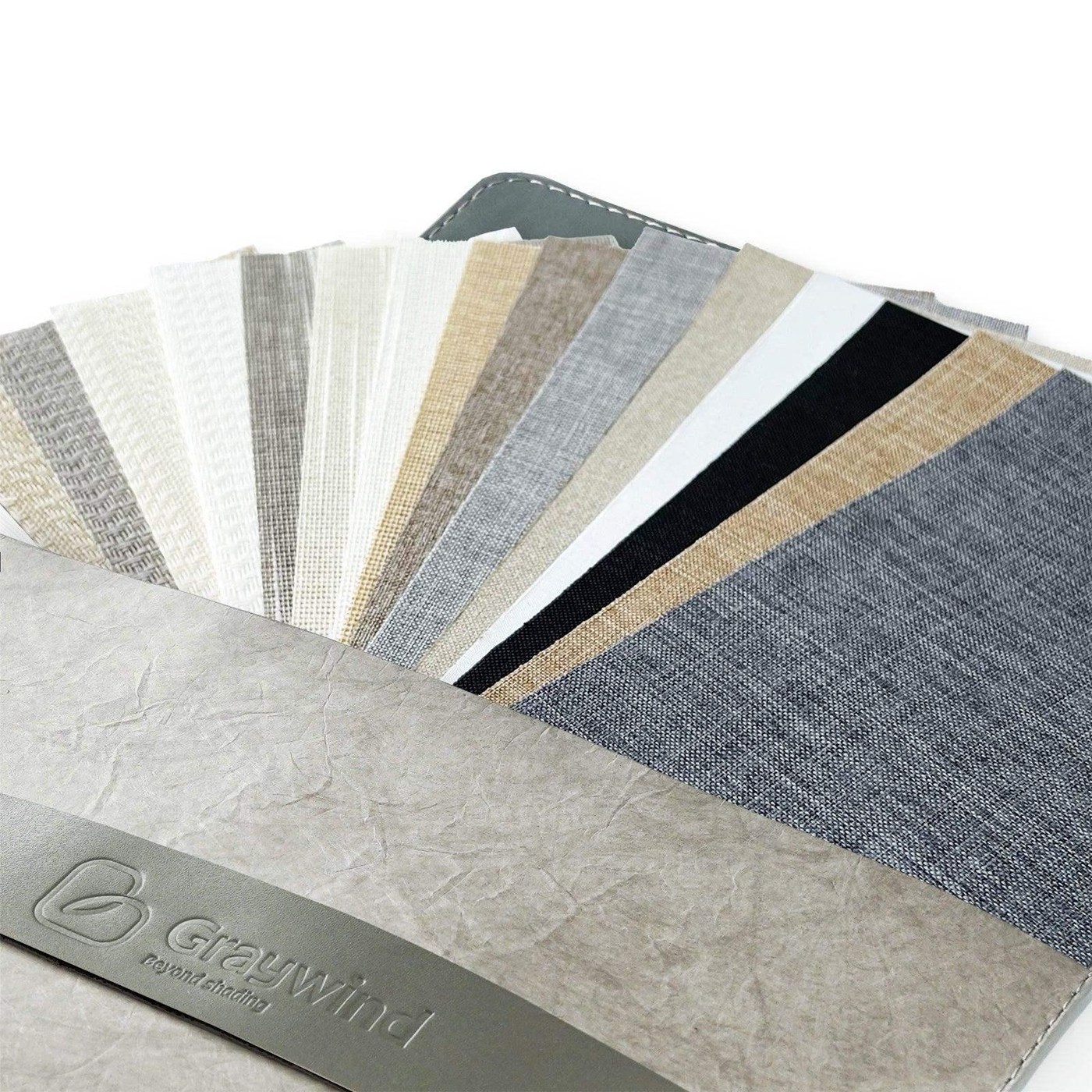
A chain should move smoothly, engage consistently, and remain secured at the bottom. World Wide Shades can restore that operation or design a safer replacement using the World Wide Shades swatches and a correctly matched clutch.