Bay windows are beautiful, but they can be frustrating when it’s time to add shades. Multiple panels, angles, handles, and trim depth all create chances for shades to bump into each other or leave awkward gaps.
This guide shows you how to plan bay window roller shades the right way: how to measure each panel, choose fabrics that make sense for glare and privacy, and set up mounts so everything lines up cleanly.
If you want a second set of eyes on your measurements, World Wide Shades can help. Call (844) 674-2716 or reach us on /contact and we’ll point you in the right direction.
Why bay windows are tricky for roller shades
Roller shades are sleek and simple—until you put three (or five) of them next to each other in a bay.
The most common issues are:
- Corner collisions: Shade brackets and cassettes can run into each other where the bay angles meet.
- Uneven depths: One panel may have enough depth for an inside mount, while another doesn’t.
- Gaps between panels: Even a small alignment error shows up when panels meet.
- Obstructions: Window cranks, handles, and locks can force the shade to project outward.
The goal is to plan your bay window as a system, not as “three separate windows.” World Wide Shades can help you design the layout and then order with confidence using our Shade Builder.
Bay window types (and what they mean for shades)
Before you measure, identify what you’re working with.
These are the most common: a center panel with side panels set at angles. Angled bays are where corner collisions are most likely.
Panels meet at 90-degree corners. The measurement process is simpler, but you still need to avoid hardware collisions.
More panels, more curve. Roller shades can still work well, but consistency and alignment matter even more.
No matter the type, it’s normal to use one roller shade per panel.
Step-by-step: how to measure for bay window roller shades
Accurate measuring is the difference between “custom-looking” and “why won’t these line up?”
- Inside mount gives a built-in look.
- Outside mount is often easier in bay windows because it can help clear obstructions and reduce corner collisions.
If you’re comparing these approaches, start with inside mount vs outside mount shades.
Depth tells you whether you can use an inside mount and whether the shade will sit flush or protrude.
Blinds.com notes that depth is especially important in bay windows because you want to avoid blinds colliding at the corners, and suggests using a cardboard template to check clearance before ordering.
Read their overview here: Blinds.com bay window measuring guide.
Practical tip: If you’re using a cassette/valance, assume you’ll need more depth than a simple open roll.
For each panel:
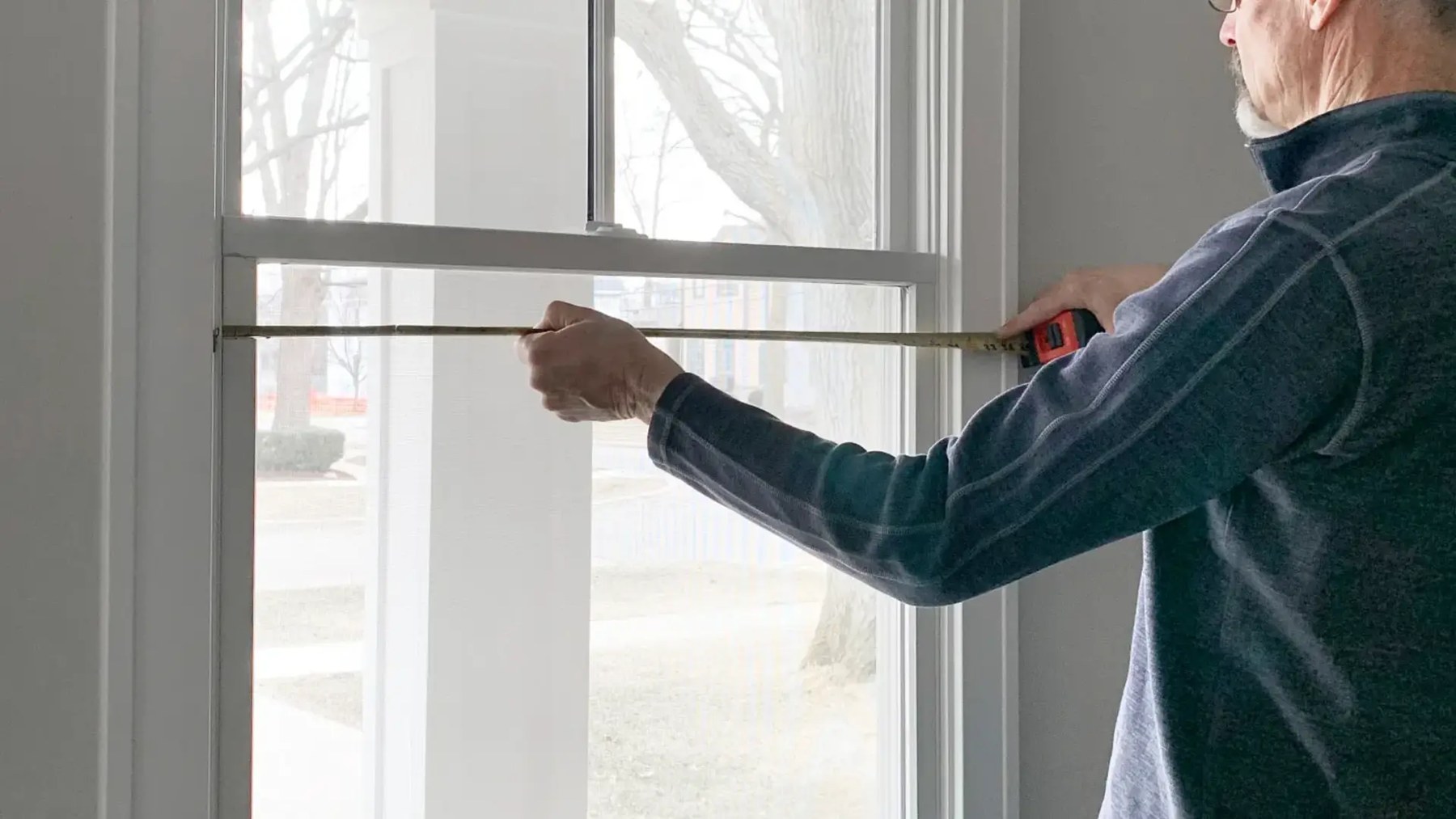
- Measure width in three places (top/middle/bottom) if you’re doing an inside mount.
- Record the smallest width for inside mount ordering (typical guidance for inside mounts).
- Measure height where you plan to mount, then down to the sill or desired drop.
Even in the same bay, panels can vary more than you expect.
On angled bays, the meeting point at the corners matters more than the raw width.
One practical method is to mark where each shade will start/stop near the corners so hardware doesn’t overlap. Some bay-window measuring guides use templates or markers at the angles to define those meeting points.
For example, a bay/corner measuring PDF from Bali (Costco) explains that for bay windows you often measure each window’s width from the corner to the point you want the blind to cover and record bay angles (and that you can use an angle finder/protractor or simple templates to capture the angles).
See: Bali bay/corner measuring guide PDF.
If you want help planning collision-free meet points, call World Wide Shades at (844) 674-2716 or message /contact.
If a handle sticks out, your shade may need to be mounted farther forward.
A good rule of thumb is to include clearance beyond the handle projection so the fabric doesn’t rub. If you’re unsure, World Wide Shades can help you choose a mount strategy—start in the Shade Builder and then contact us if you want a quick confirmation.
Choosing the right roller shade fabric for a bay window
Because bay windows bring in a lot of light from multiple angles, fabric choice matters.
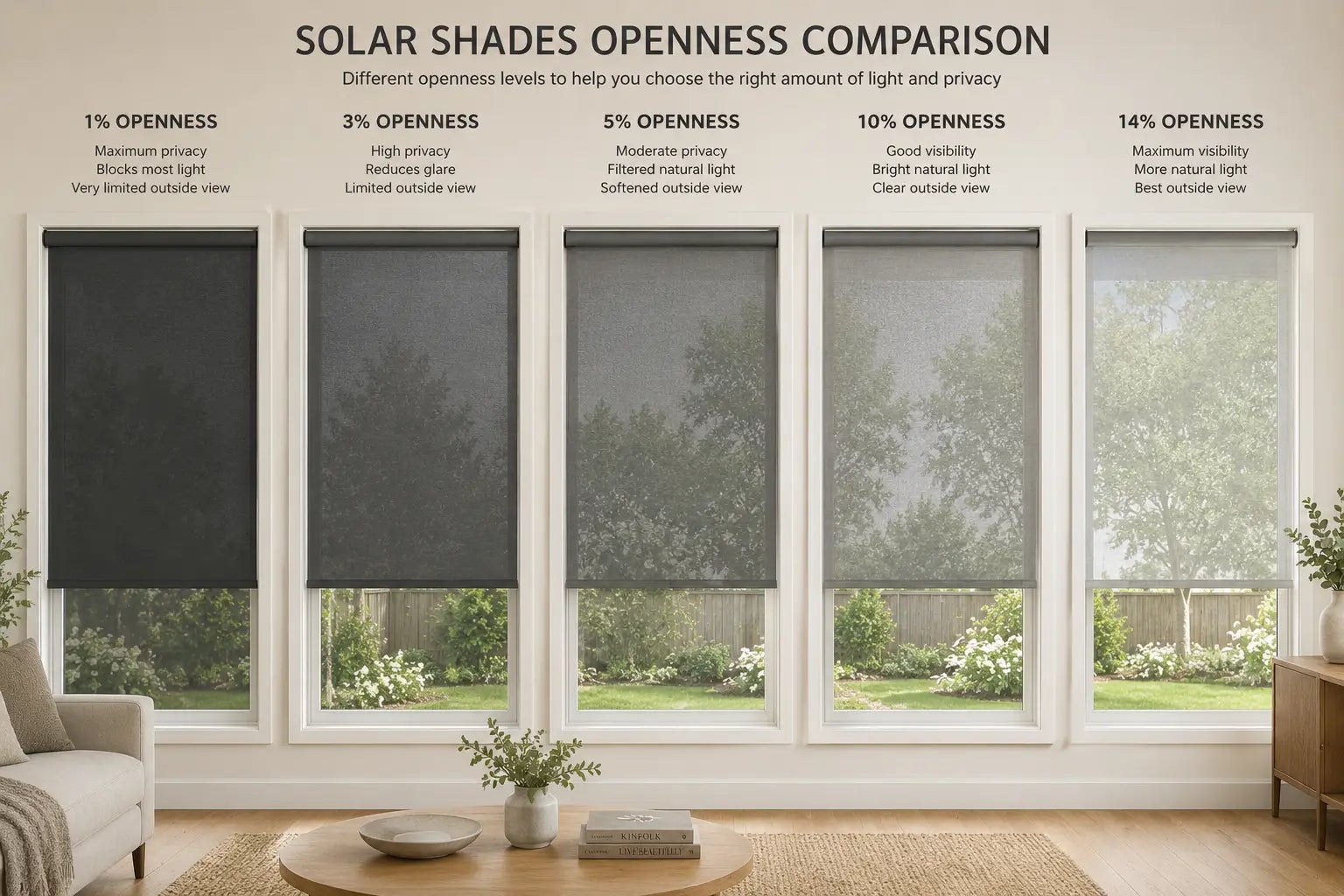
Solar shades can reduce glare and help protect interiors while still letting you see out.
If you’re comparing products, read solar shades vs roller shades and UV protection window shades.
Want to compare openness factors and colors side-by-side? Order World Wide Shades samples at /swatches.
Light filtering is a favorite for living rooms and dining rooms where you want softness, not darkness.
For a deeper breakdown, see light filtering shades guide and best roller shades living room.
If your bay window is in a bedroom, blackout might be the right call—especially if there’s street lighting.
Start with best window shades for bedroom and best fabric blackout shades.
Then build your exact sizes in the World Wide Shades builder.
Hardware and layout tips for a clean, custom-looking bay
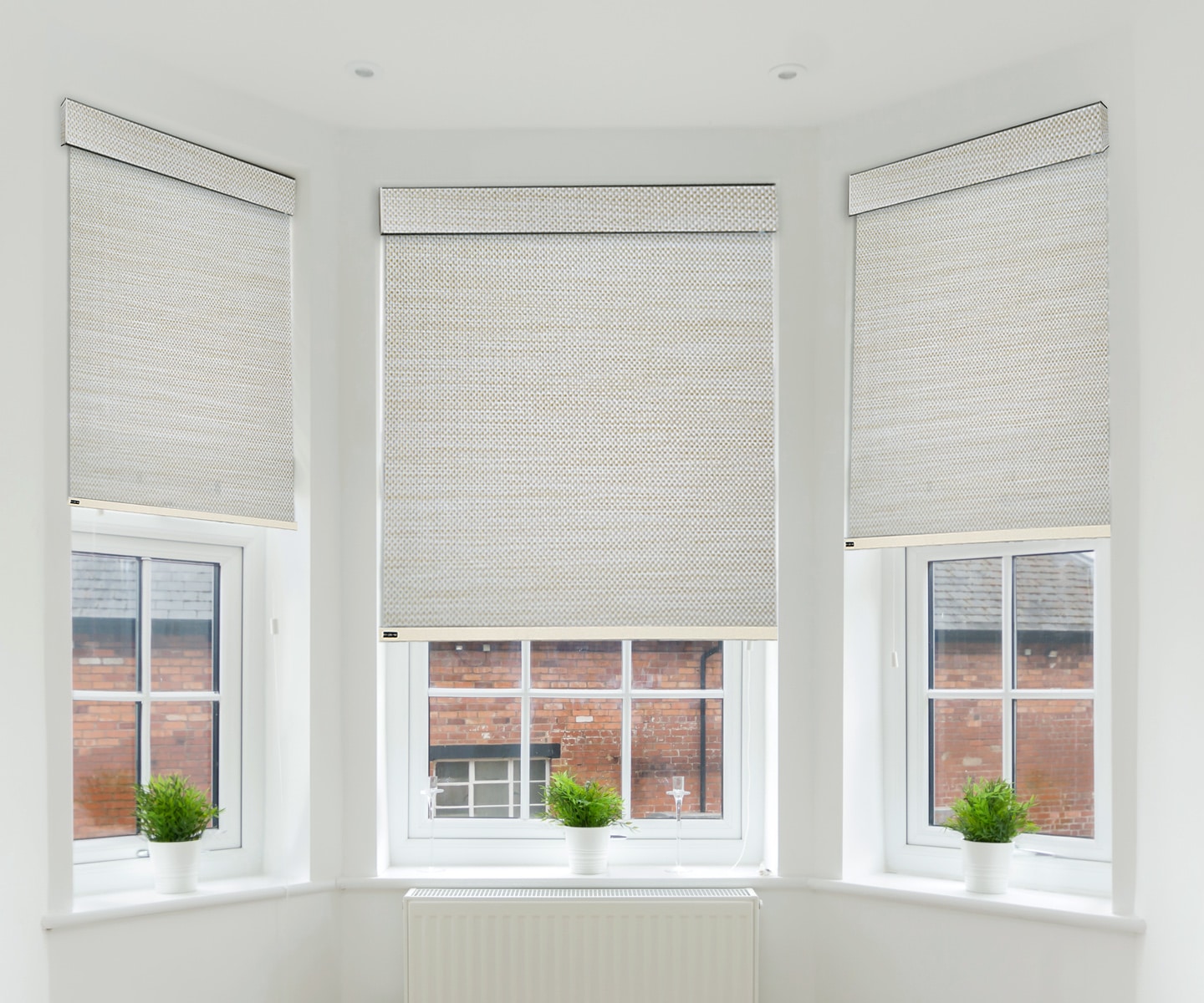
Mixing one cassette and one open roll often makes the bay look pieced together. A consistent fascia/cassette line reads far more custom.
If you want a finished look, browse roller shade valance options.
Even if your panels are slightly different heights, you can usually set the drops so the hems align when shades are fully lowered.
Some bays will have slight gaps between panels. You can reduce the visual impact by:
- Choosing a slightly darker fabric
- Choosing a texture that doesn’t highlight seams
- Using an outside mount with added overlap where possible
World Wide Shades can help you pick a fabric that hides gaps while still matching your décor—start with /swatches.
Installation overview (what to expect)
Roller shades are very DIY-friendly, but bay windows take extra patience.
- Use a level.
- Keep projection consistent.
- Double-check corner clearance before drilling.
If you want general roller shade installation steps, read how to install roller shades.
This is common in bays. The goal is the front plane of the shades lining up nicely, even if the mount style varies behind the scenes.
If your bay has extreme angles, very shallow depth, or expensive trim you don’t want to risk, it’s smart to ask a pro for layout guidance.
You can still order the shades yourself through World Wide Shades; just call (844) 674-2716 or reach us via /contact to confirm the plan.
FAQs about bay window roller shades
Usually no. Most bay windows need one shade per panel so each shade can mount properly and operate without binding at the angles.
Inside mount looks built-in, but outside mount often avoids corner collisions and clears handles more easily. Many bays end up using a mix.
For help deciding, see inside mount vs outside mount shades.
You can’t always remove gaps completely, but you can minimize them with careful corner planning and consistent projection depth. Outside mounts can also allow more overlap.
If you want the cleanest look, World Wide Shades can help you map the meet points—call (844) 674-2716 or message /contact.
Solar fabrics are often best when you want glare reduction without losing the view. Light filtering can also work for softer daylight.
Compare options with World Wide Shades samples at /swatches.
Use the World Wide Shades Shade Builder to enter each panel’s size and compare fabric options.
Ready for a perfect-fit bay window setup?
Bay window roller shades can look incredibly custom—when measurements, depth, and corner clearance are planned upfront.
If you want help before you order, World Wide Shades is here: