Solar shades vs roller shades: the quick decision
If you’re trying to choose between solar shades and roller shades, you’re already asking the right question: what matters most in your room—view, glare control, privacy, or total light blocking?
Solar shades are designed to reduce glare and heat while keeping your view. Roller shades are the versatile “base model” of modern window coverings: they can be sheer, light filtering, room darkening, or blackout depending on fabric.
If you want help choosing without second-guessing, start by building a few options in the World Wide Shades configurator and compare them side by side.
What solar shades are (and what they’re best at)
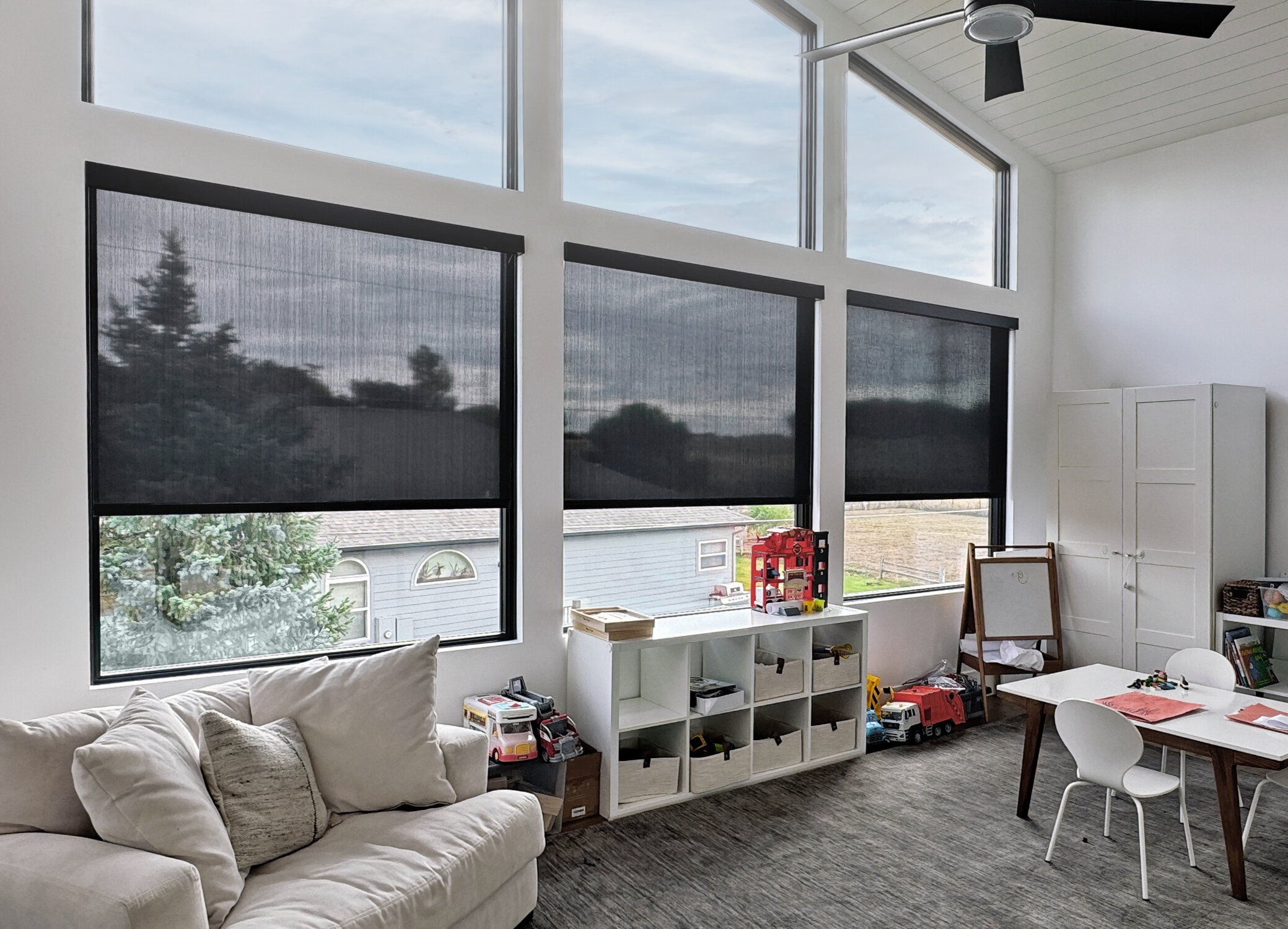
Solar shades are a type of roller-style shade made from screen-like fabrics. They’re often described by “openness factor,” such as 1%, 3%, 5%, or 10%.
Openness factor is the percentage of the fabric that’s “open” space.
- Lower openness (1%–3%): better glare reduction and more daytime privacy, but a dimmer view.
- Mid openness (5%): balanced view + glare control for many rooms.
- Higher openness (10%): the clearest view, but less privacy and more light coming through.
You’ll sometimes see solar fabrics listed with UV blockage percentages. In plain terms: most solar fabrics are intended to reduce UV and glare, but they’re not the same as blackout.
Solar shades tend to be the best choice when:
- You want to preserve a view (water, city, backyard) while cutting glare.
- You need daytime comfort at a computer or TV.
- Your room runs hot from strong sun exposure.
For more on handling intense sun, cross-check this guide on best shades for south-facing windows.
What roller shades are (and why they’re so popular)
Roller shades are the broader category. A solar shade is technically a kind of roller shade, but most homeowners use “roller shade” to mean fabric roller shades that come in a wide range of styles.
Roller shades can be:
- Sheer: soft daylight, minimal privacy
- Light filtering: reduces glare and brightens a room
- Room darkening: noticeably dims the space
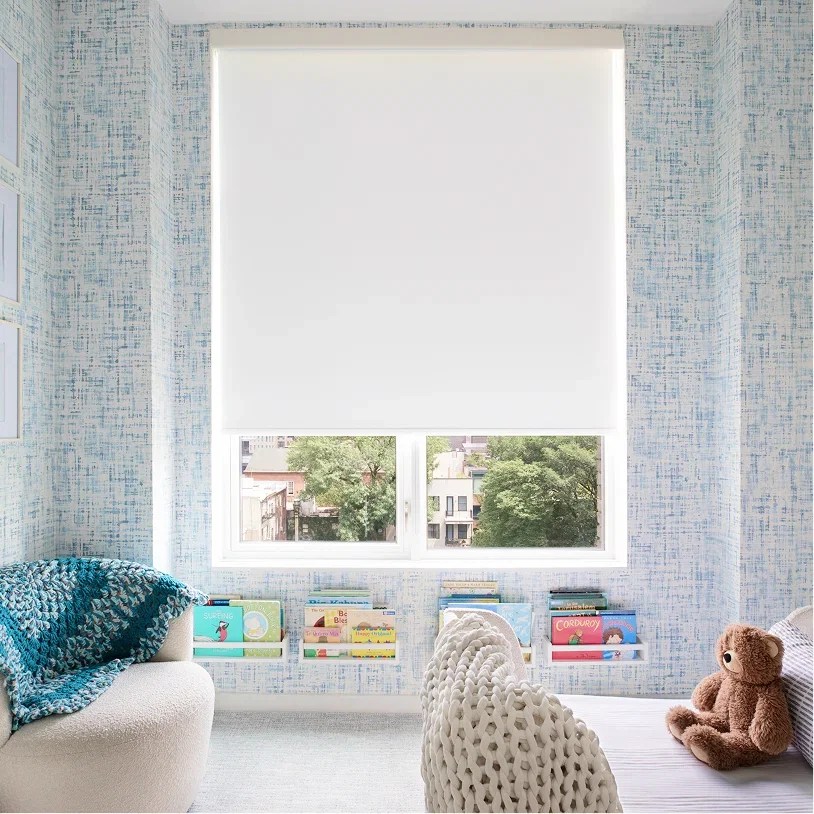
- Blackout: blocks most incoming light (ideal for bedrooms and media rooms)
If you’re prioritizing sleep, compare options in best window shades for bedroom and the deeper comparison in blackout curtains vs blackout shades.
Roller shades often win when you want a clean look, lots of fabric choices, and a simple daily routine.
- They can match nearly any interior style.
- They work on small windows and large windows.
- They can be cordless, motorized, or traditional.
If your project includes oversized glass, see roller shades for large windows.
Side-by-side comparison: solar shades vs roller shades
Here’s how to compare them in the ways that actually affect your day-to-day.
- Solar shades: excellent at glare reduction while keeping the room usable.
- Roller shades: range from light filtering (similar comfort) to blackout (total control).
If your main problem is harsh glare at certain hours, solar shades are usually the easiest win. If your main problem is “the room is too bright for sleeping,” roller blackout is the stronger tool.
Want help matching the right light level? Browse fabric ideas and color effects in window shades color guide and compare fabrics in best fabrics for roller shades.
This is where many shoppers get surprised.
- Solar shades: can provide good daytime privacy depending on openness and lighting conditions, but at night (with lights on indoors) silhouettes may show.
- Roller shades: can be selected specifically for privacy. Room darkening and blackout fabrics offer strong privacy day and night.
If privacy is non-negotiable, build a few room-darkening and blackout options at World Wide Shades so you can choose a fabric that meets your privacy level.
Solar fabrics are often chosen to reduce heat and help rooms feel more comfortable.
Roller shades can also contribute to comfort, especially with thicker, insulating fabrics and tighter weaves.
If your goal is lower HVAC use, it’s worth reading energy efficient window shades and comparing specialized options like thermal insulated roller shades before you decide.
- Solar shades: best-in-class for keeping the view.
- Roller shades: depends on fabric; most privacy-focused fabrics reduce view.
If you love your view and only want to tame glare, solar shades are hard to beat.
Roller shades typically offer more decorative flexibility:
- More colors and textures
- Patterns
- Coordinating valances and fascias
If you care about a finished, built-in look, compare top treatments in roller shade valance options.
Both styles can be cordless and motorized.
If you have kids or pets, prioritizing cordless or motorized is smart. For a practical overview, read child-safe window treatments and pet-friendly window treatments.
If you want smart control, start with smart home motorized shades setup and the platform guide on motorized shades with Alexa and Google Home.
Which should you buy for each room?
Most homes end up mixing shade types by room. Here’s a practical way to choose.
If you want daytime comfort and still want to see outside, solar shades are a strong fit. If your living room doubles as a TV room, consider roller shades with room-darkening fabric.
For more layout ideas and fabric direction, see best roller shades for living rooms.
CTA idea: Build two options—solar 5% and room-darkening roller—then compare them in the World Wide Shades tool.
Bedrooms usually benefit from roller shades because you can choose true room darkening or blackout.
If you’re balancing sleep and style, check light filtering shades guide so you know what you’re giving up when you avoid blackout.
Need total darkness? Start with blackout shades for nursery even if you don’t have a nursery—it’s a clear explanation of light gaps and fabric choices.
CTA idea: If you want help choosing a fabric that blocks light without feeling “too heavy,” contact the World Wide Shades team or call (844) 674-2716.
Solar shades are often the best for home offices because they cut glare on screens while maintaining natural light.
CTA idea: If you’re dealing with afternoon glare, test a solar option in the World Wide Shades configurator, then request matching samples on the swatches page.
In moisture-prone areas, you want fabrics that hold up and clean easily. Roller shades are popular here because you can pick practical fabrics and easy-to-wipe finishes.
See real-world considerations in roller shades for kitchen and bathroom.
For doors, you need stability and a design that doesn’t feel fussy.
- For narrow door panels, see roller shades for French doors.
- For wide openings, solar or roller can both work depending on privacy needs.
CTA idea: If you’re not sure how to measure doors correctly, book help via World Wide Shades or call (844) 674-2716.
How to choose the right openness and fabric (without overthinking)
Use this as a simple decision tree.
- View first: lean solar.
- Privacy first: lean roller (room darkening or blackout).
- Sleep first: blackout roller.
- Glare first: solar or light-filtering roller.
For solar shades:
- Start at 5% for many living rooms and offices.
- Move to 3% if glare is intense and privacy matters.
- Move to 10% if the view is the priority and privacy is less important.
For roller shades:
- Start at light filtering for bright rooms where you still want daylight.
- Move to room darkening for privacy and comfort.
- Move to blackout for bedrooms, nurseries, or media rooms.
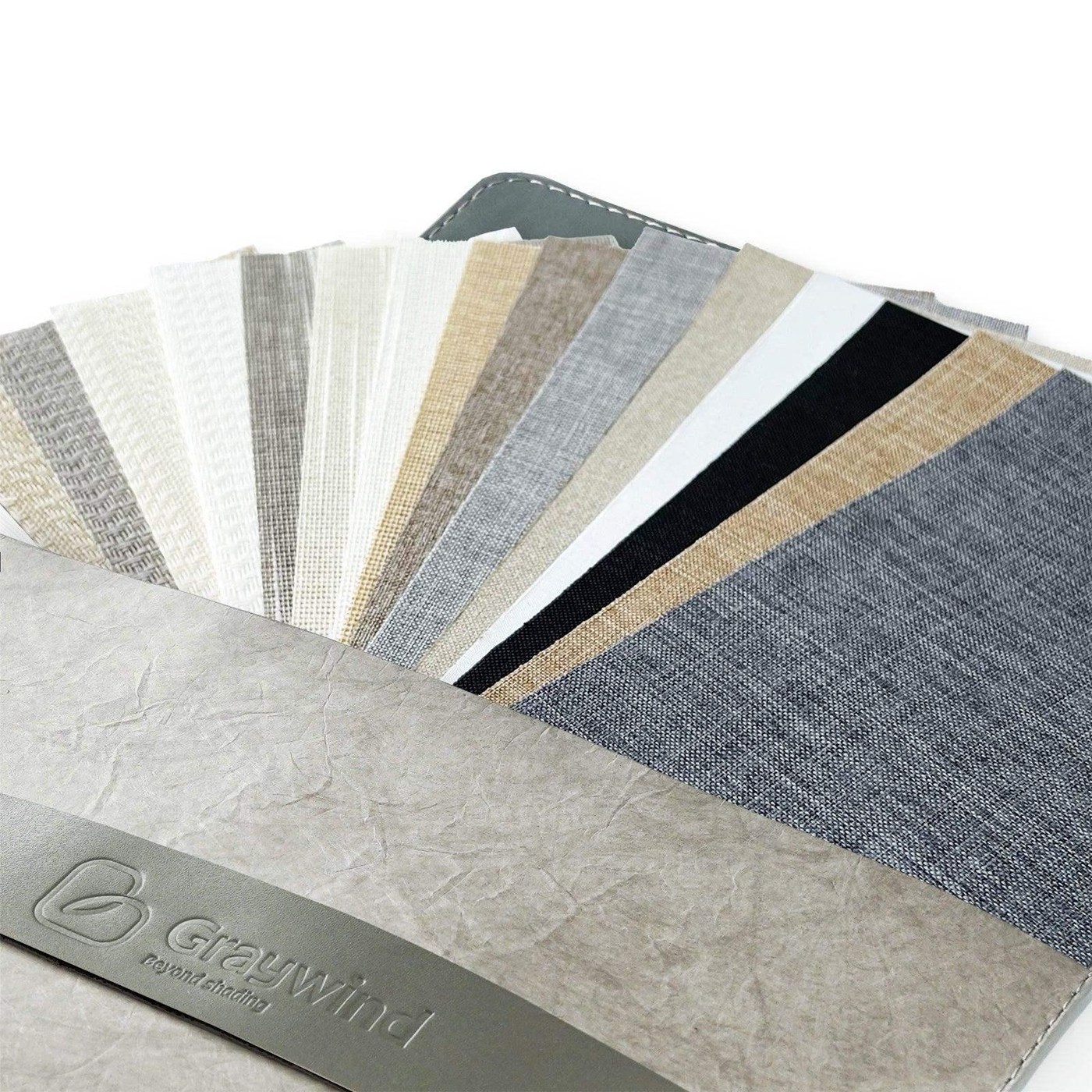
Lighting changes by time of day and by glass type. Swatches save you from regret.
CTA idea: Order fabric samples from World Wide Shades swatches and compare them against your window at noon and at night.
Common mistakes to avoid
Solar shades reduce glare and UV; they do not behave like blackout in a bedroom.
A “5%” from one brand can look different from a “5%” from another due to yarn color, weave, and coating.
If you love solar shades but want better nighttime privacy, consider pairing them with drapery or selecting a tighter openness.
Even the best fabric looks wrong if the shade doesn’t fit well.
If you want a refresher, see how to measure windows for roller shades and choose a mounting approach using inside mount vs outside mount shades.
FAQ: Solar shades vs roller shades
Solar shades are worth it if glare and heat are your main problem and you want to preserve your view. They can make a bright room more usable without turning it into a cave.
They can provide limited privacy at night, but if your lights are on indoors and it’s darker outside, silhouettes may show. If you need strong privacy, consider room-darkening or blackout roller shades.
Not in the true sense. Solar fabrics are made to be open and breathable; blackout requires an opaque fabric or coating. If you need blackout, choose a blackout roller shade.
Yes—solar and roller styles can both be motorized.
If you’re considering smart control, read smart home motorized shades setup and then build your configuration with World Wide Shades.
Ready to choose? Make it easy on yourself
The best choice is the one that matches how you actually use the room.
CTA idea: Start with three quick builds at World Wide Shades—a solar 3%, a solar 5%, and a room-darkening roller—then compare looks, privacy, and brightness.
If you want a second opinion, reach out through contact and the World Wide Shades Team will help you pick the right fabric and control style for your windows.