Boho roller shades are a foundation, not the whole story
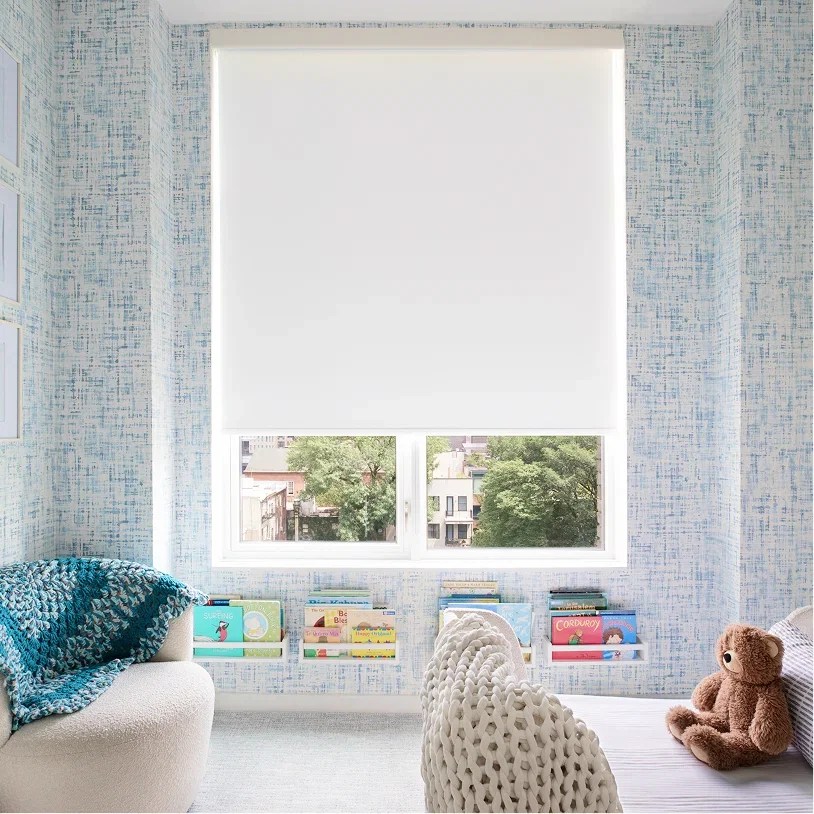
A boho room feels collected because materials, plants, art, and textiles build a relaxed visual rhythm. The window shade should support that rhythm rather than compete with every other pattern. Boho roller shades work especially well as a quiet base: a softly textured fabric handles glare and privacy while curtains, woven baskets, macramé, or colorful art provide the expressive layers.
World Wide Shades can help you choose a shade that feels tactile without creating a difficult-to-clean surface. Use the World Wide Shades builder to compare woven-look, light-filtering, screen, and blackout options for the exact room.
Start with the light problem. A sunny boho living room may need a 3% or 5% screen fabric to protect plants and reduce reflections. A boho bedroom may need room darkening or blackout, especially when patterned bedding and layered textiles make early light more noticeable.
Layer color and texture with intention
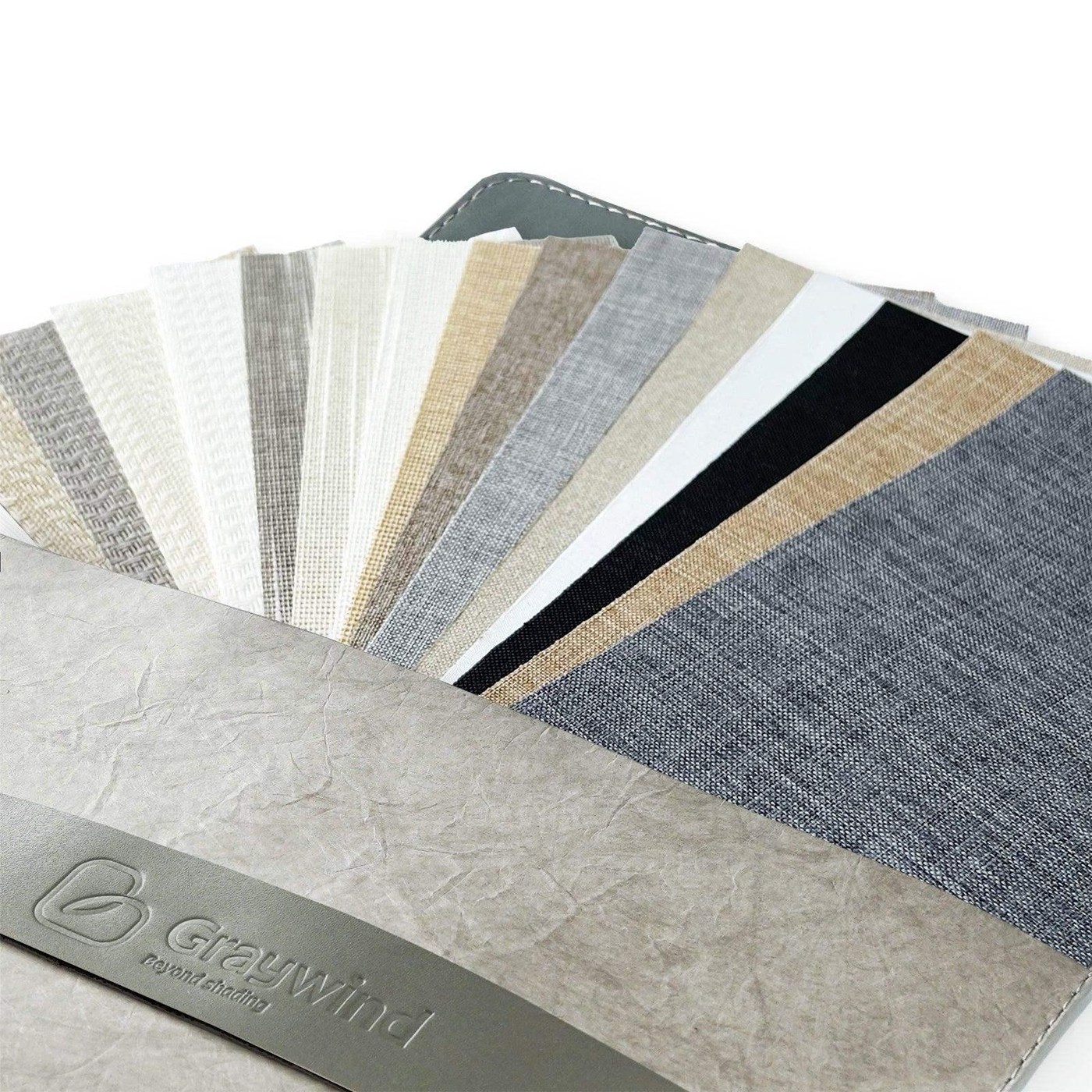
The easiest boho palette starts with one anchor neutral: sand, oat, clay, warm white, mushroom, or muted olive. Add a secondary color through a pillow, rug, or art piece, then use the shade to bridge the two. A flax roller shade can connect terracotta accents to pale oak; a warm gray can calm rust, mustard, and indigo.
Texture should be visible at the distance from which the shade is normally seen. A tiny weave can disappear on a wide window, while a large high-contrast print can dominate a small bedroom. Compare swatches against the wall and upholstery. World Wide Shades swatches are useful because a fabric that looks “natural” online may be much cooler, shinier, or more yellow in person. Order samples from World Wide Shades before you choose.
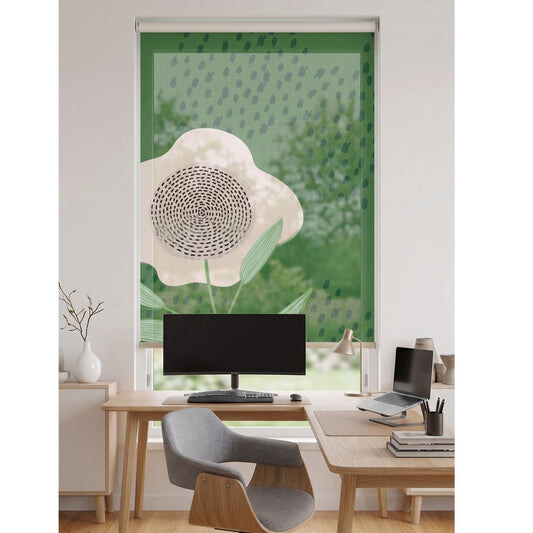
For a patterned room, use a solid roller shade with a subtle slub. For a calmer room, a botanical or geometric shade can become the focal point, but keep the surrounding patterns at a different scale. The woven wood shades guide is a helpful comparison when you want more natural texture than a printed roller can provide.
Filter daylight while keeping the room alive
Boho interiors often rely on daylight, but direct sun can bleach textiles and stress houseplants. Solar screen fabrics are rated by openness: 1% blocks more glare and preserves less view, while 3% and 5% allow progressively more daylight and outward visibility during the day. At night, most screen shades need a second privacy layer because interior lights reverse the visibility.
A light-filtering roller shade diffuses light across the room and gives more privacy than an open screen. It does not create the same darkness as blackout. For a bedroom, use a blackout fabric plus an outside mount or side channels if you need fewer bright edges. The light-filtering shades guide explains the trade-off in plain terms.
A layered boho window can use a light-filtering roller underneath relaxed side panels. Keep the panels clear of the roller’s path and use a holdback if plants or pets could snag the fabric. World Wide Shades can size the roller first, then help you coordinate a treatment that keeps the clean roll visible when the curtains are open.
Make plants, pets, and people part of the plan
A plant-filled room changes the shade’s operating pattern. Place tall plants to the side rather than directly beneath the bottom rail, and allow at least 2–3 inches for leaves to move without catching. If a fiddle-leaf fig needs direct light, use a screen shade that reduces glare while leaving the upper portion open.
Cats and dogs can turn a relaxed textile into a climbing or chewing target. A smooth synthetic face is generally easier to maintain than loose fringe, and a cordless or motorized operating system removes a dangling control. The pet-friendly window treatments guide covers fabric and placement decisions for mixed-use rooms.
Child safety matters in boho nurseries and family rooms, too. Choose cordless or motorized shades and keep cords from layered curtains out of reach. The child-safe window treatments guide explains why the entire window, not only the roller, needs to be evaluated.
Ask World Wide Shades for a layered-window plan when furniture, plants, pets, or curtains make a standard mounting position difficult.
Use hardware as a quiet design accent
Boho style can handle natural wood, aged brass, matte black, and soft bronze hardware. Match the finish to a nearby lamp or picture frame instead of trying to coordinate every metal in the house. A cassette in a fabric-matched neutral makes the shade recede; a contrasting wood-look fascia can make the window feel more intentional.
Inside mount suits a clean, collected look when the frame has enough depth. Outside mount works better when trim is shallow or when you want to overlap the opening to reduce edge light. For a 36-inch-wide window, a 2–3-inch side overlap can materially improve privacy and reduce bright slivers, provided the wall has room.
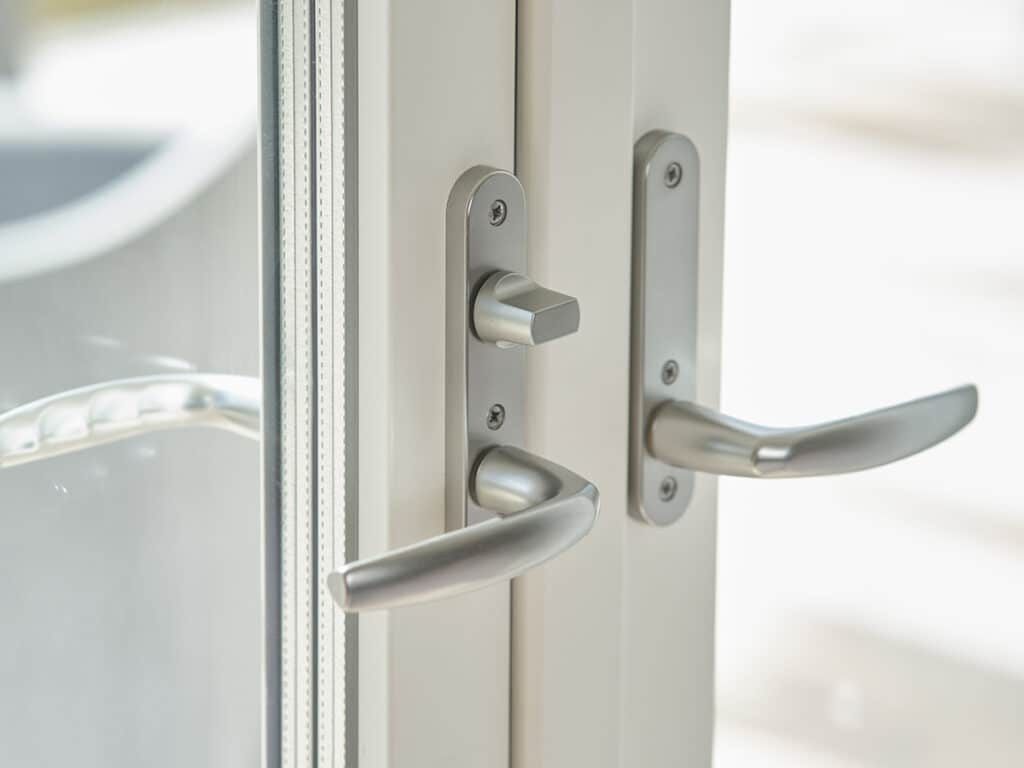
For French doors or windows beside a seating area, use a shallow profile and secure the bottom rail so the shade does not swing. The roller shades for French doors guide covers those door-specific details.
Budget for beauty that stays usable
Custom shade pricing varies with opening size, fabric, control, and installation. As a planning range, a small manual roller may be $150–$350, while a larger specialty or motorized opening can be $400–$1,000 or more. A pair of coordinated shades can cost more than one because each opening needs its own hardware and fabrication.
Spend first on the windows that create the most glare or privacy trouble. Use a simple light-filtering roller in a low-priority window and invest in a motorized blackout or screen shade where daily operation matters. World Wide Shades can help you phase the project instead of making every window carry the same specification. Build a room-by-room quote with World Wide Shades.
Care is part of value. Dust once a month, keep oils and incense smoke away from the fabric when possible, and blot spills rather than rubbing them. Ask World Wide Shades for the correct care instructions before using a cleaner on a textured finish.
Boho shade ideas by room
In a living room, pair a warm sand screen shade with terracotta, cane, and plants. In a bedroom, use a blackout roller in muted clay or mushroom and add relaxed curtains for softness. In a reading nook, use a light-filtering roller that diffuses afternoon light without taking away the view.
In a home office, a 3% screen shade controls video-call glare while preserving some daylight. In a dining room, a washable-looking smooth weave is safer than a fragile fringe near food and candles. World Wide Shades can keep the color story consistent while changing opacity by room.
Talk with World Wide Shades or call (844) 674-2716 if your room has mixed windows, layered curtains, or a shade that must clear plants and furniture. For a second room or a phased project, call (844) 674-2716 and ask World Wide Shades to keep the palette consistent while changing opacity by window.
FAQ: boho roller shades
Warm neutrals such as sand, flax, oat, mushroom, clay, and warm white are flexible foundations. Use samples because undertones can shift beside wood, terracotta, and colorful textiles.
Yes. Choose a woven-look or slub texture, a natural matte finish, or a restrained botanical pattern. Keep the shade’s scale and contrast balanced with rugs, art, and curtains.
Usually not enough on their own. Screen shades can look private during the day but become see-through when indoor lights are on. Add curtains or choose a light-filtering or blackout roller for nighttime privacy.
They can be. Choose cordless or motorized operation, avoid loose fringe within reach, and keep furniture or plant stands from creating a climbable path to the window.
Install the roller so it can move freely, keep curtain panels outside the roll, and leave enough clearance for plants and furniture. Contact World Wide Shades for help planning a layered opening.
A useful layering rule is to assign each layer a job: the roller controls glare, the curtain softens sound and edges, and the decorative textile carries pattern. That division prevents a beautiful treatment from becoming hard to operate. If the window is beside a bed or sofa, keep the roller’s bottom rail level and leave a clear path for hands, pets, and plant leaves.