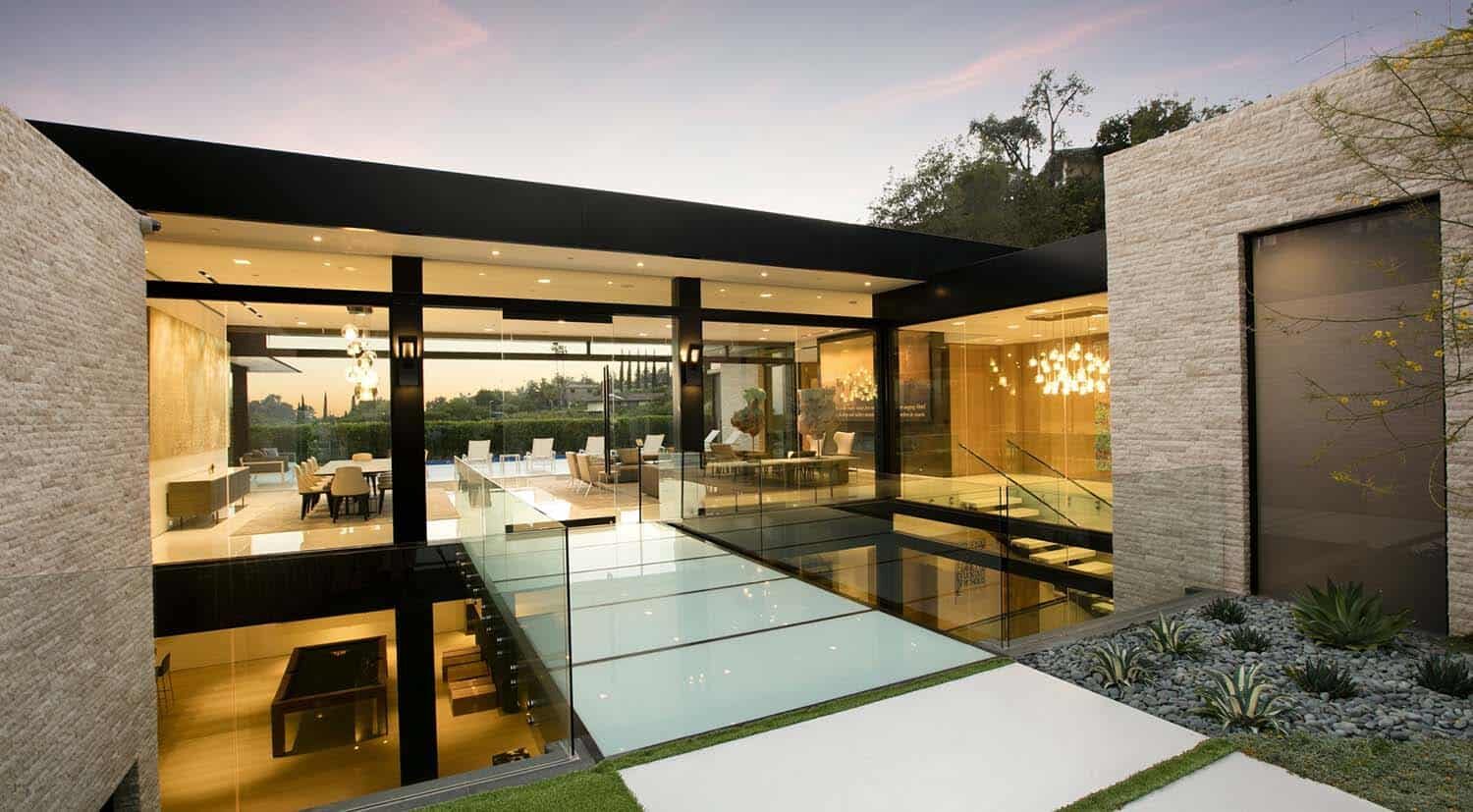
The right custom shades for Los Angeles hillside homes keep the view available when you want it and give you privacy when you need it. A living room can look out over an open hillside and still be visible from a neighbor's deck uphill. Before you choose one fabric for the whole window wall, decide which panes need a view through the shade, which need softer light, and which need coverage after dark.
Pick one opening that represents your toughest decision. If you're torn between keeping the panorama and softening the glare, compare fabrics from World Wide Shades before you settle on a color or control. Then check whether the same fabric would work for the windows people can see into at night.
Read the sightlines before choosing a fabric
Look out from the sofa, dining table, and any desk or screen near the glass. A view can be comfortable from a standing position while a bright patch of sky sits directly behind a television at seated height. In that case, you might lower the shade over the pane behind the screen and leave the rest of the window wall open. For other ways to divide coverage in a shared space, see the living room roller shade guide.
Then think about the view in, not just the view out. A house uphill can have a direct line to an upper-floor bedroom that feels private from the street below. A stair landing or terrace may also reveal an interior that looks secluded from the front door. If you can, turn on the lights you normally use at night and look back from a terrace or another spot you can safely access.
Give each opening a first job: keep the view, diffuse the light, or block the view in. Adjacent windows don't automatically need the same job, but they may look better with the same fabric if you see them together from the main seating area. Where one pane needs a different solution, look for a natural break such as a corner, a set of doors, or the transition into another room.
Choose between solar, light-filtering, and blackout shades
Start with a woven solar fabric where the view matters more than nighttime privacy. The mill's openness factor describes how much of the weave is open, not the percentage of glare, visible light, or heat that the fabric blocks. A more open weave generally makes it easier to see outside; a tighter weave is worth comparing if a bright sky is more distracting than a slightly less distinct view.
The U.S. Department of Energy's building design guide notes that fine mesh roll screens can cut glare and illumination while retaining a view. Interior roller shades are a tool for light, glare, and privacy, not a substitute for exterior heat-control devices; the DOE guide identifies exterior shading as more effective for controlling solar heat gain. If overheating is the main problem, consider exterior shading separately from the fabric decision.
Don't count on an open weave for privacy once the room becomes brighter than the outdoors. A solar shade may soften the view in during the day but reveal people or furnishings after dark. It's a better fit over a window with no consequential nighttime sightline than over a bedroom facing an uphill deck.
Choose a more diffuse light-filtering fabric when you want the room to stay bright but don't need a clear view through the lowered shade. A family room facing a neighboring terrace is a good example: you can soften the light and obscure the outdoor detail instead of closing off daylight altogether. Explore light-filtering shades from World Wide Shades if that's the trade-off you want.
Consider what a person might see from close to the glass after dark. Some light-filtering fabrics still show silhouettes with the room lit, especially if a person is standing close to the shade. If recognizable shadows would bother you, move to blackout for that opening rather than hoping a darker light-filtering color will solve the problem.
Blackout makes sense where you don't need a view while the shade is down, such as a bedroom or media room. It blocks light through the fabric itself; it doesn't eliminate gaps around the sides or at the top. If a neighbor can see the glass from an angle, think about shade overlap as well as fabric opacity. The bedroom shade buying guide and comparison of blackout curtains and shades can help you decide what coverage you need.
World Wide Shades offers 500+ colors across 40+ fabric families, with blackout and light-filtering options from Phifer, Mermet, Ferrari, Copaco, Senbesta, and Texstyle. Open the fabric catalog to compare genuine swatch photos and the mill's openness factor where applicable. Choose the fabric behavior first and compare colors within that group; two fabrics in a similar gray can leave you with very different views when lowered.
If you rarely need to tame daytime glare, start with one blackout shade you can leave raised until evening. If you regularly want the shade down during the day without losing the view, plan separate layers: a solar roller for daylight and an opaque covering for evening. An existing drapery track may give you a place for that second layer. Before buying, check that both coverings can operate without catching on each other or blocking a door handle. That extra layer is most useful where the view and the nighttime sightline are through the same glass.
Choose where each shade starts and stops
Consider an inside mount when the frame is worth keeping visible and the opening has room for the shade to operate without hitting hardware. An outside mount can provide more overlap around the glass, which helps where edge light or a side view in would matter. That overlap takes up space on the wall or trim, so look at how it would meet an adjoining wall, window, or door.
On a wall of windows, let the existing dividers suggest where shades should meet. For example, if a fixed picture window sits next to an operable door, separate shades can let you lower the one over the fixed glass without covering the exit. Decide whether a panel break makes sense from inside the room, not just on the floor plan. If you're still finalizing openings or trim, the custom shades guide for new construction explains what to decide before ordering.
Select your mount before you enter dimensions. With an inside mount, the builder works from the opening; with an outside mount, think about the full area you want the shade to cover, not just the glass. Read the roller shade installation guide to understand how the brackets affect placement. For help with an unusual opening, contact World Wide Shades or call (844) 674-2716 before you submit dimensions.
Pick controls based on how you use the room
A reachable shade you move once in the evening may not need a motor. Motorization is more useful on glass above a stair or behind furniture, or on a row of shades you adjust throughout the day. For a living room with several panes, think about whether you want to adjust the whole wall at once or leave one shade up so you can still see out.
World Wide Shades motorized shades use rechargeable batteries and don't require wiring. Check how you would reach the shade to recharge it before committing to a mount high above a landing. Automate motors are the default; Somfy is available if you have an existing Somfy remote. If you plan to reuse that remote, settle the motor choice before ordering.
A remote is required, and the Push 5 can control up to five shades. Pulse 2 adds app control, voice control, and scheduling for Automate motors only. A schedule can close a regularly exposed window around the time you turn on the room lights, while a remote gives you an easy way to make an exception. Read the guide to motorized shades with Alexa and Google Home if voice control is part of your plan.
Confirm the custom fit and delivery timeline
World Wide Shades roller shades are 100% custom-made by hand in the USA and ship free within the U.S. The usual lead time is two to four weeks from order, or three to four weeks for limited-stock fabrics and specialty shapes. If you're coordinating with a remodel, base the order on the finished opening and actual mounting surface rather than dimensions that could change when the trim goes in.
World Wide Shades custom orders are nonreturnable, so double-check each opening's dimensions against the matching fabric, mount, and control in your order. If you mismeasure, World Wide Shades provides one free recut with shipping paid by the customer. Defects are remade at no charge within 30 days, with one year of coverage for motors. It's worth asking about an uncertain fit before ordering rather than relying on a recut to correct it later.
Frequently asked questions
A solar screen is the best starting point when you want to keep some view-through while softening glare. Compare the mill's openness factor and fabric color, then look at the window from the seat where the view matters most.
Not reliably. When the room is brighter than outdoors, people may see silhouettes or furnishings through an open weave. Choose a more opaque fabric for bedrooms or windows with direct nighttime sightlines.
Not necessarily. Use the same fabric where windows share a view and daylight goal, then choose a different opacity for a pane that faces a neighbor, creates screen glare, or needs privacy after dark.
Consider it for shades above a stair, behind furniture, or across a group of windows you adjust often. A reachable shade that stays in one position may be simpler to operate manually.
Ready to Order?
Use the World Wide Shades builder to configure one opening first. Once the fabric, fit, and control solve the problem for that window, repeat those choices only where the same priorities apply.
- Measure the opening: Choose inside or outside mount and follow the builder's instructions for that mount.
- Select a fabric: Choose a solar weave, a diffuse light-filtering material, or blackout according to the window's first job.
- Choose your control: Select manual or motorized and confirm the remote and any hub you need.
- Review live pricing: See how your dimensions, fabric, and control affect the configured shade total.
- Place the order: Match each configuration to its window before submitting the order.
If you're still deciding between a view-friendly weave and more private coverage, ask World Wide Shades or call (844) 674-2716 before you order. Describe what you can see from the window by day and who can see in after dark so the conversation starts with the opening you need to solve.