A member lounge overlooking a golf course may need its view all afternoon, while a street-facing dining room needs discretion once the lights come on. The right custom roller shades for private clubs address those needs without forcing every room to look or operate the same way. Start with what members should see, what people outside should not see, and who will adjust each shade.
World Wide Shades makes every shade to order by hand in the USA. If you already know the rooms you’re outfitting, start in the shade builder to see how fabric, mount, and operation come together on a single window before planning an entire room.
Choose custom roller shades for private clubs by room
For a lounge with a terrace or landscape view, start with an open-weave light-filtering fabric on the windows that catch direct sun. Compare the view from a seated position, not just standing at the glass. A weave that looks unobtrusive from across the room may be more noticeable when it sits between a member and the view from a favorite chair. The U.S. Department of Energy’s architectural design guide discusses fine-mesh roller screens as a way to reduce glare while maintaining a connection to the view.
A lounge facing a walkway or neighboring building calls for a different decision. If the lower windows need more screening than upper or less exposed bays, use closer-weave or blackout fabric where discretion matters and let the other windows carry the daylight. Explore light-filtering shades for the view-facing bays, then use the light-filtering shade guide to understand the trade-offs before you choose.
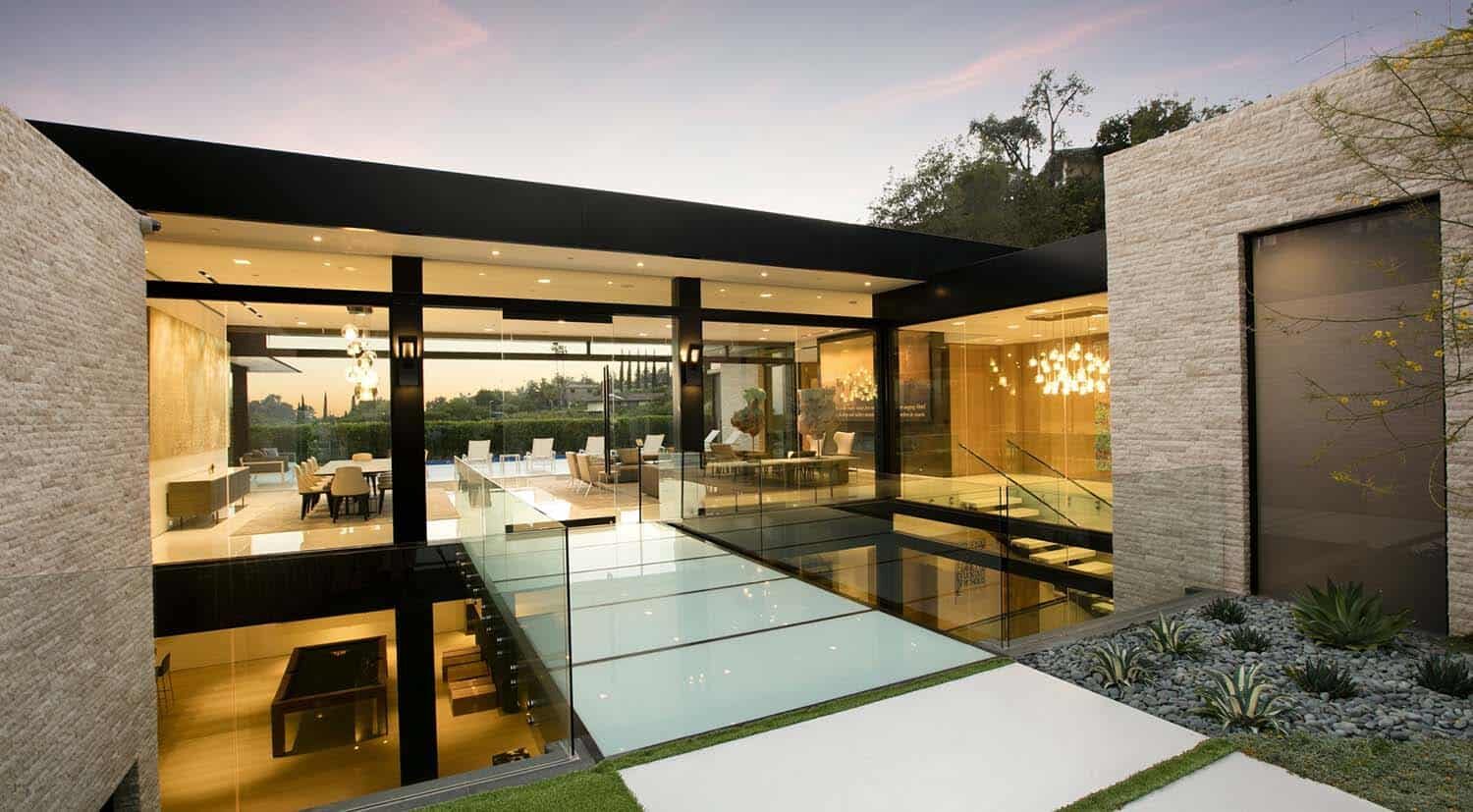
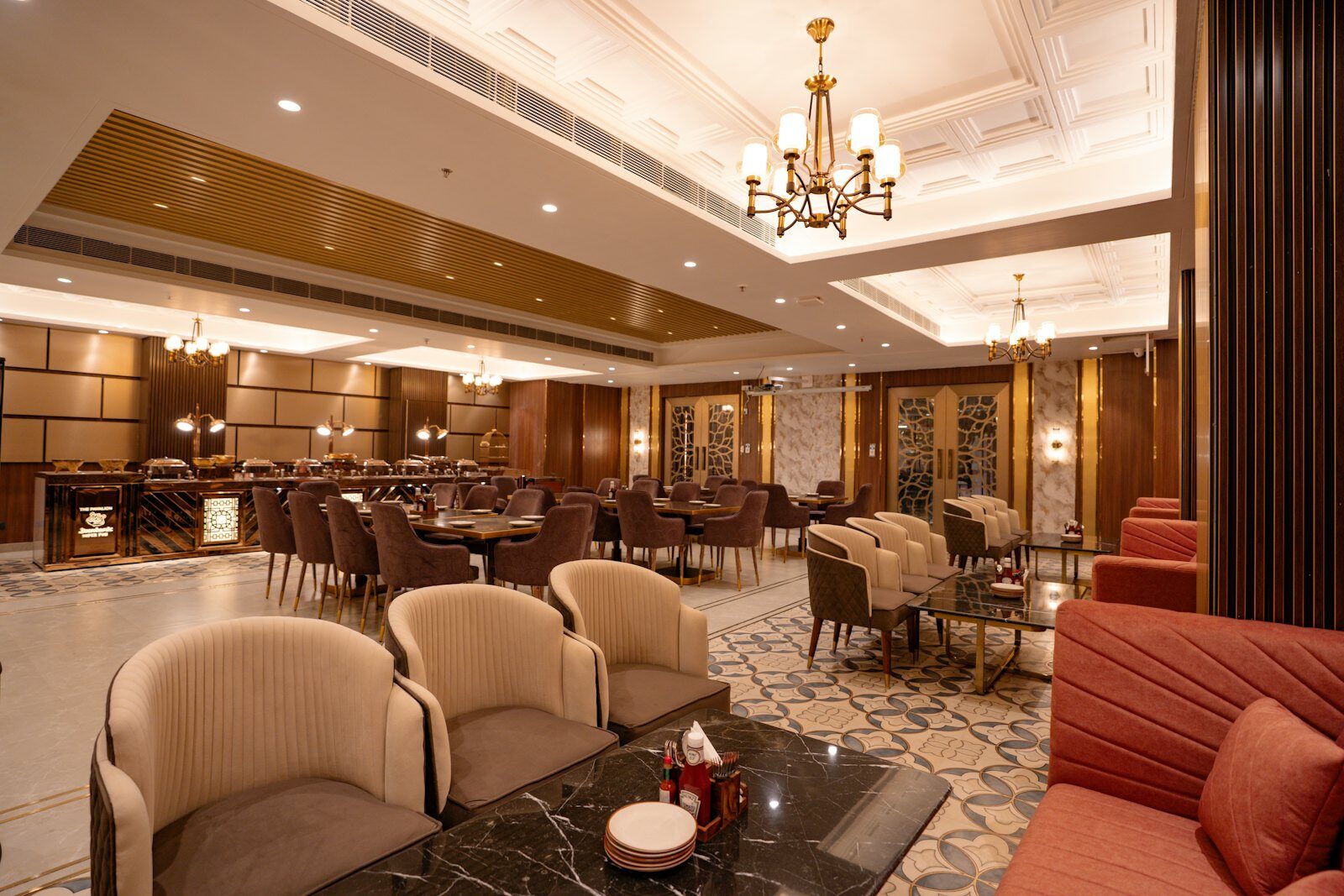
A solar weave can preserve a daytime view when it’s brighter outside than in. After dark, that balance can reverse: a brightly lit dining room can be visible from the sidewalk, terrace, or arrival court. Don’t buy an open-weave shade for nighttime privacy based on how it performs at noon.
If a sightline must be blocked during dinner or a private function, consider blackout fabric at those windows and plan the mount for edge coverage. Other bays can use a coordinating light-filtering fabric for softer daytime light. Check the exposed sightlines from outside at night with the dining lights set as they would be for service, and consider what a person walking past the glass could see at an angle.
In a fitness room, look for direct light on mirrors and console screens. If the sun hits one bank of equipment but leaves the rest of the room comfortable, give the affected bays separate controls rather than darkening the whole room. For a meeting space, check the view from the seats nearest the windows and the far end of the table. A light-filtering shade may be enough for everyday laptop use, while a blackout fabric makes more sense for presentations or meetings where discretion is important. The commercial roller shade guide offers more ideas for screen-heavy rooms.
Compare openness, color, and evening privacy
An openness factor describes how much of a woven fabric is open space. A lower number generally means a tighter weave and less outward visibility; it does not, on its own, tell you what someone will see into a lit room at night. Blackout describes the fabric itself, not the installation. Light or an oblique sightline can still pass around a shade’s edges, depending on how it’s mounted and what it covers.
Color can change the impression of the room as much as the view. Pale neutrals can sit quietly against light plaster and trim; charcoal may read more distinctly next to dark mullions or against a bright window. For adjoining rooms, carry a shared undertone across the fabrics so a shift in opacity looks intentional. The roller shade color guide and the guide to roller shade fabrics can help you compare these choices.
World Wide Shades offers more than 500 colors across more than 40 fabric families, with blackout and light-filtering options from Phifer, Mermet, Ferrari, Copaco, Senbesta, and Texstyle. Browse the fabric library to compare the published mill openness factor and genuine swatch photo for each fabric. World Wide Shades doesn’t offer a sample program, so use those photos and specifications to narrow your options, and decide whether to start with one priority bay before committing to adjacent rooms.
Make multiple window bays look like one design
Repeat the fabric direction, hardware finish, and visible top treatment where windows share a sightline. Measure each bay separately even if the trim appears identical. A row of openings can vary just enough for a single repeated size to leave one shade tight to the frame and another with a noticeably different edge gap. A consistent look comes from fitting each opening, not from ordering identical dimensions.
Inside mounts let inset trim and mullions remain visible when the window frame offers enough depth. Outside mounts can be a better choice for shallow frames or where extra coverage matters, but on adjacent windows the shades still need space to operate independently. At a corner, check that projecting hardware and shades won’t interfere with each other. Use the roller shade valance guide to compare top treatments. For help fitting a window wall before you order, contact World Wide Shades or call (844) 674-2716.
Give staff controls that match the room
Plan motor control zones by how the room is used, not simply by window count. A dining terrace and a street-facing table row might be in the same room but need different positions at dusk. A west-facing lounge and a meeting room might need independent controls even when the shades match. Assign clear zone names such as “Dining Street” and “Lounge West” so the intended adjustment is easy to find.
World Wide Shades uses rechargeable battery motors that don’t need wiring. Automate is the default, and a remote is required for operation. The Automate Push 5 handles up to five shades; for more than five windows, plan the channel layout and allow for additional remotes rather than assuming one Push 5 will run the entire room. If you already have a Somfy remote, you can choose a paired Somfy motor instead.
For Automate installations, the Pulse 2 hub adds app and voice control, plus schedules. A scheduled adjustment can lower the street-facing shades around dinner while leaving the terrace view open; keep a remote available for one-off changes. Pulse 2 is for Automate, not Somfy. Compare motorized shades and read the motorized shade setup guide before settling on a control layout.
Weigh consistency, upkeep, and lead time
Value is not just the initial order. Think about whether staff can find the right remote, reach the motor charging point, and identify the right fabric if a bay needs attention later. Keep a room-by-room record of fabric, color, mount, and control assignments. Follow the chosen fabric’s cleaning instructions and make sure the installer leaves practical access to charging points in tall or recessed bays.
World Wide Shades typically delivers in 2–4 weeks, with 3–4 weeks for limited-stock and specialty orders, and offers free U.S. shipping. If a room opening or event date matters, allow time after delivery for installation and control setup. The shades are custom and nonreturnable, so review the actual order details rather than relying on a room drawing. The custom roller shade cost guide explains which choices affect the order so you can decide where added coverage or motorization is worth it.
Frequently asked questions
Not reliably if the fabric has an open weave and the room is brighter than outdoors. Where nighttime privacy is important, choose blackout fabric and plan enough coverage to address the sightlines around the shade.
Yes. Carry a consistent color undertone and visible hardware finish from room to room, then vary the fabric where the light or privacy demands change.
Yes, but plan the channels and remotes before ordering. One Automate Push 5 handles up to five shades; Automate Pulse 2 adds app control, voice control, and schedules for compatible motors.
World Wide Shades offers a free remake for a defect within 30 days, and the motor warranty is one year. For a mismeasurement, World Wide Shades offers a one-time free recut, with shipping paid by the customer.
Ready to Order?
- For an inside mount, verify at least 1.5 inches of frame depth from the front of the frame to the glass; 2.5 inches is recommended for motorized shades. Use an outside mount for frames shallower than 1.5 inches. For inside dimensions, use the narrowest width at the top, middle, and bottom and the tallest height at the left, center, and right. Enter the exact opening size without subtracting anything; the factory makes the deductions.
- For an outside mount, enter the full coverage dimensions. Plan on 2–3 inches of overlap on each side where space allows. Measure height from the intended top of the shade, typically 3 inches above the frame, to the sill or 2 inches below the opening if there’s no sill.
- Configure each bay in the shade builder with the chosen fabric, mount, and operation. Enter the exact measured opening dimensions and label each shade for its room and window.
- Review the opening labels and confirm which motor, remote, and channel will serve each zone. Check the live pricing in the builder, then place the order.
World Wide Shades has served more than 500 customers and has a 4.9 rating. For a final review of privacy coverage or controls across several rooms, ask the World Wide Shades team or call (844) 674-2716 before placing the order.