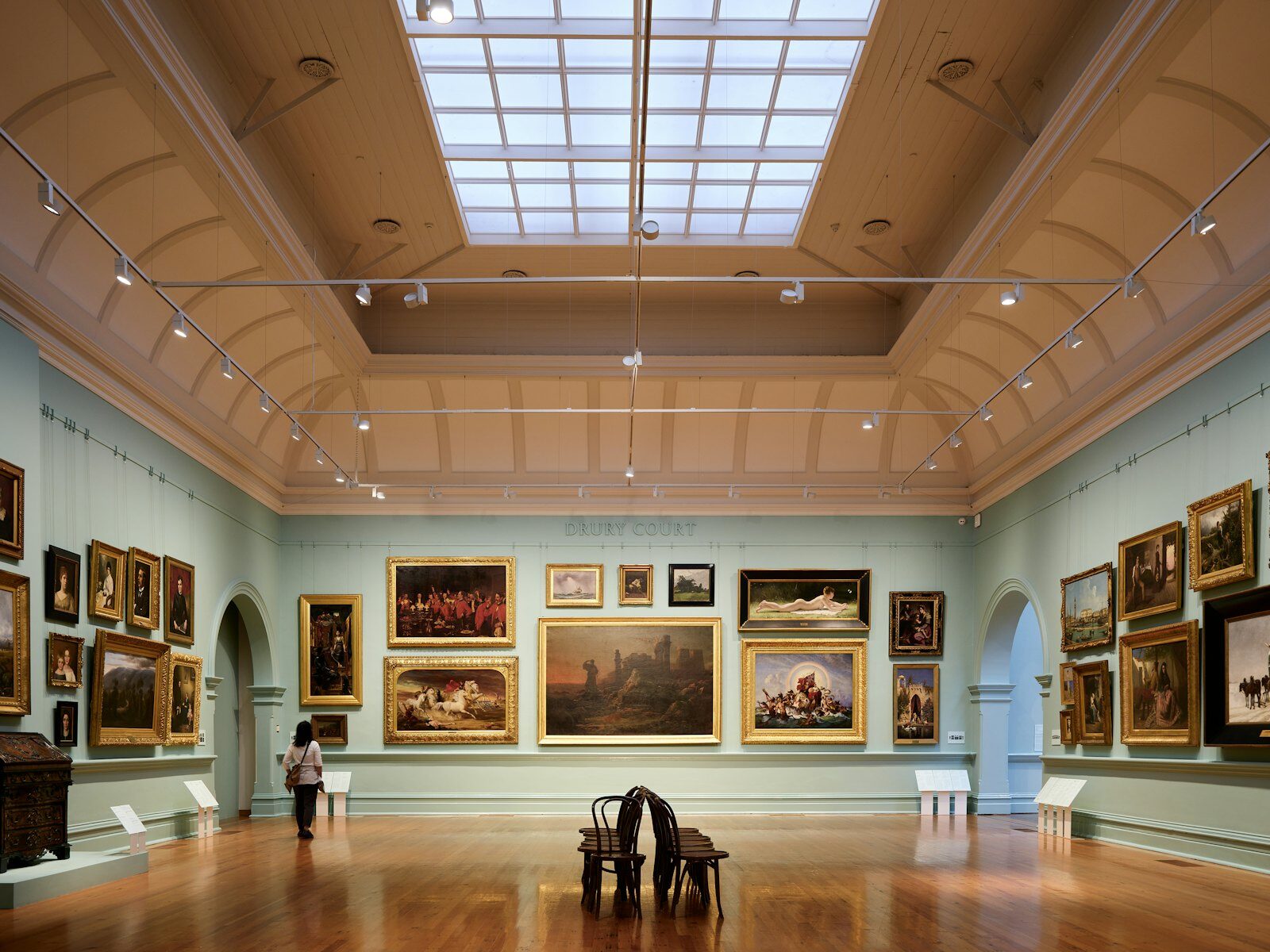
The same window that gives visitors a welcome view can throw a bright reflection across a display case. When choosing custom shades for museum galleries, decide which windows should keep a view, which should soften daylight, and which need to block as much as possible. The right choice may differ between rooms and even between windows in the same room.
Start with the collection and the way visitors use the space, then compare fabrics from World Wide Shades for each window zone. If a gallery changes exhibitions often, plan for the most sensitive objects likely to occupy it rather than choosing a fabric around the current display alone.
What custom shades for museum galleries can and cannot do
The National Park Service Museum Handbook explains that light damage accumulates and is irreversible: both the amount of light and the length of exposure matter. Its guidance lists 50 lux or less for extremely light-sensitive materials, including watercolors and many works on paper, and gives different guidance for less sensitive materials (NPS Museum Handbook). The Canadian Conservation Institute also discusses 50 lux as a longstanding museum benchmark, not a level that prevents fading or a universal requirement for all objects.
A shade can reduce incoming daylight, but it is not a UV certification or a conservation guarantee. Have your conservator review available documentation for the fabric, glazing, and proposed installed system, then measure visible light in lux and UV at the object plane under actual display conditions (NPS Museum Handbook). UV filtering does not prevent fading caused by visible light, so a UV reading is not a substitute for a lux reading (Canadian Conservation Institute). Our guide to window shades and UV protection is a starting point for shopping; your conservator sets the collection criteria.
Match the fabric to what each gallery needs
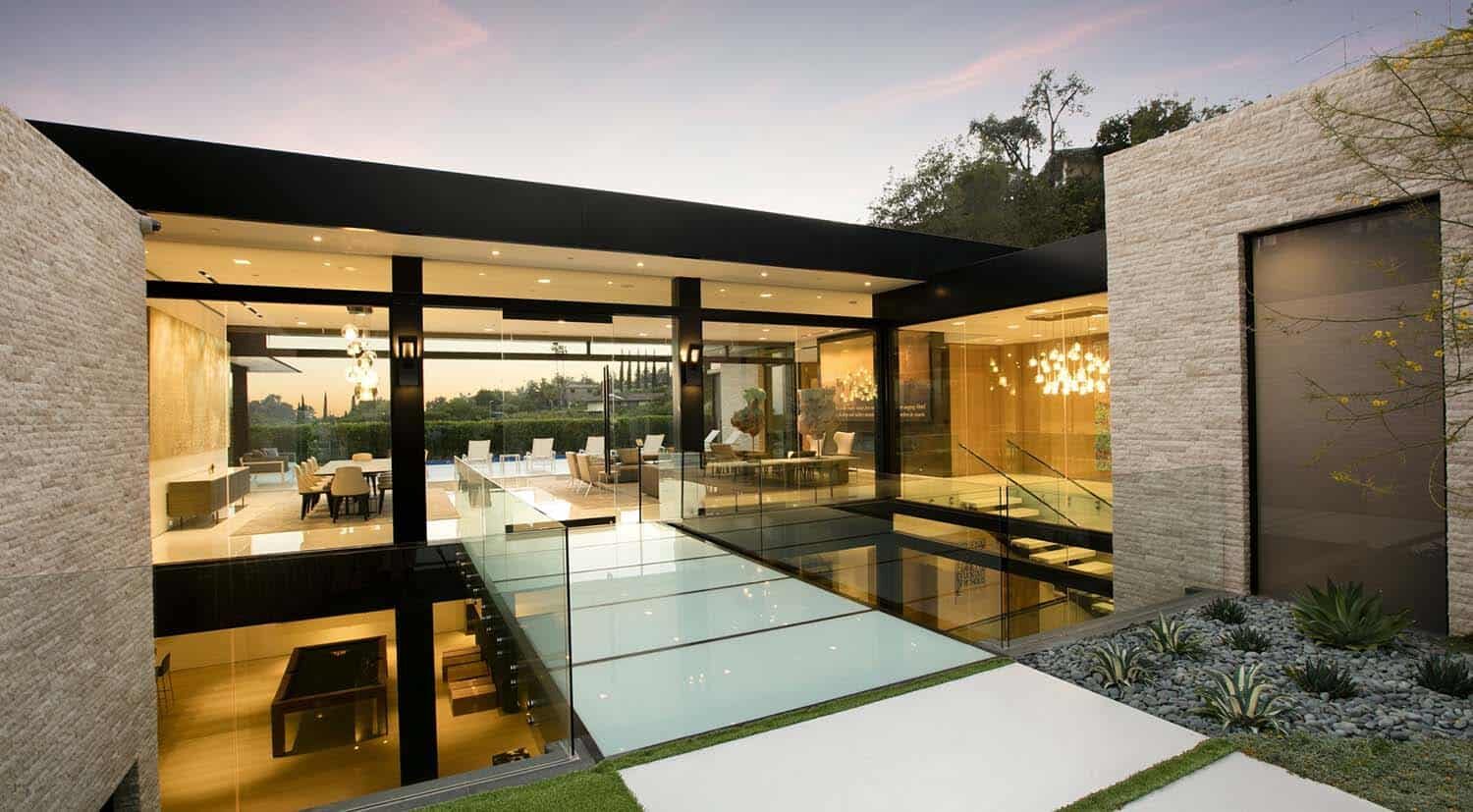
Start with a solar screen where a courtyard or streetscape is part of the visit, such as a sculpture court, circulation gallery, or seating area. Openness describes the proportion of open space in the weave. A tighter weave generally gives a less open view, but the openness number alone does not tell you what the finished gallery will look like or how many lux will reach an object.
For a west-facing room, look at the window from a bench and then from in front of a display case during the afternoon. A view may be worth keeping at the bench while the bay opposite the display case needs stronger control. The guide to shades for sunny windows can help you think through orientation and sun angles before comparing candidate fabrics.
Consider light-filtering shades in education rooms, galleries showing reproductions, and other spaces where a softer wash of daylight matters more than a clear view. A translucent fabric can soften a bright patch without making the room dark, but the shaded window may still look bright in a glazed frame. Check that reflection from the positions visitors actually stand or sit, not just from beside the window.
Explore World Wide Shades light-filtering shades for these zones, and use the light-filtering shades guide to compare this option with more opaque fabrics. In a mixed gallery, consider filtering the windows near the entrance while using stronger daylight control in bays closest to originals.
Start with blackout fabric in rooms reserved for projection or displays of sensitive originals, such as historic photographs, dyed textiles, or watercolors. Ask the conservator whether the plan should also move vulnerable objects away from the windows, shorten display periods, or include an exhibit rotation (NPS Museum Handbook).
Blackout describes the fabric, not a light-tight installation. Light can still enter around the sides or top or between adjacent shades, so review how the installation will address those gaps before committing to a full room. Browse World Wide Shades fabrics and use the roller shade fabric comparison to narrow the choices before reviewing the assembly with your exhibit team.
Keep visitors comfortable without brightening the objects
Walk the whole visitor route before deciding which views to preserve. One effective layout is a brighter windowed landing for orientation, followed by a transition into the dimmer display room. The Canadian Conservation Institute recommends separating bright public areas from display areas and giving visitors' eyes time to adapt (Canadian Conservation Institute).
If the team receives complaints that labels are hard to read, first check reflections and contrast instead of raising light levels across the room. Look at labels from standing and seated positions and try moving a bench or changing a label angle before reopening a nearby shade. For cases and glazed frames, the Canadian Conservation Institute recommends testing for reflections before final fabrication or installation.
Choose controls staff can operate every day
Group shades by what the windows do, not by how many happen to be in the room. For example, keep the sun-exposed bays on a different control from windows overlooking a shaded courtyard. Assign someone to check shade positions after special events, and set a default closed position when display rooms are unoccupied to limit unnecessary exposure (NPS Museum Handbook).
Explore World Wide Shades motorized shades if windows are high or staff need to operate several shades from one spot. The rechargeable battery motors need no wiring, and Automate is the default. Somfy is available if you have an existing Somfy remote. A remote is required; the Push 5 can control up to five shades.
For Automate only, the Automate Pulse 2 supports app control, voice control, and scheduling. Use it to close shades after hours and on days the museum is closed, and decide which rooms should remain closed until staff deliberately reopen them. Read the motorized shades setup guide for control planning, then have facilities agree on who checks battery charge and resets any event overrides.
After installation, log lux and UV at representative display positions at different times of day and in different seasons, and repeat checks when the layout or lighting changes (NPS Museum Handbook). Record the shade position with each reading so the conservator can see whether a particular setting needs to change.
Specify the windows, lead time, and project value
Historic trim, deep reveals, and long runs of glazing can put mounting constraints ahead of fabric choice. Give each opening an ID and decide where separate shades would leave a joint in a sightline or near a display case. For a renovation, the guide to ordering custom shades during construction can help you plan around finished openings. The commercial roller shades guide offers broader context on grouping windows and choosing mount styles.
World Wide Shades offers more than 500 colors across 40-plus fabric families, with blackout and light-filtering options from Phifer, Mermet, Ferrari, Copaco, Senbesta, and Texstyle. The fabric listings show mill-provided openness factors and genuine swatch photos, but there is no sample program. For a large rollout, consider approving one installed shade in a representative bay before ordering the remaining units.
World Wide Shades shades are handmade to order in the USA and ship free within the United States. Delivery typically takes two to four weeks, or three to four weeks for limited-stock special orders. Compare quotes by zone and include installation, post-installation verification, and battery access in your project plan. For a multi-window order or an unusual opening, contact World Wide Shades or call (844) 674-2716 before finalizing the specification.
Frequently asked questions
No. The fabric's openness factor does not account for the window, glare paths, room lighting, or how far the objects sit from the glass. Set the target with your conservator and verify it in the room with a lux meter (NPS Museum Handbook).
Yes. A solar screen can keep a view at one end of a room while blackout fabric limits daylight near a projection area. For shared space, check whether light from the view windows still reaches sensitive objects or washes out the screen.
Yes, with Automate motors and the Automate Pulse 2. Build the schedule around visiting hours and closure days, and give staff a way to verify or restore the intended positions after special events.
World Wide Shades remakes defective shades at no charge within 30 days, and the motor warranty is one year. For a customer measurement error, a one-time free recut is available, with shipping paid by the customer. Custom orders are nonreturnable, so check dimensions and options before submitting.
Ready to Order?
- Measure the finished openings. For an inside mount, measure the width and height in three places and use the narrowest width and tallest height. Enter those exact measurements without subtracting anything; the factory makes the deductions. The minimum depth for an inside mount is 1.5 inches, and 2.5 inches is recommended for motorized shades. Use an outside mount if the opening is shallower than the minimum. For an outside mount, add 2 to 3 inches on each side and 3 inches above the opening.
- Choose fabric by zone. Select fabric for the view, glare, or daylight-control goal at each window. Review the fabric, glazing, and mounting plan with the conservator for rooms displaying originals.
- Select the control for each room. Decide which windows should move together and whether scheduled closing is needed. Assign staff to check positions after overrides and recharge batteries.
- Price and order. Enter the dimensions, fabric, and controls in the World Wide Shades builder to see your configured price before ordering. Call (844) 674-2716 if you want to review an opening or control selection before placing your order.