Why shade samples are a buying tool, not a decoration
A screen image cannot show how a fabric filters your particular window. The same “white” shade can look warm beside oak, cool beside gray paint, or brighter against direct sun. Shade samples let you test color, weave, privacy, glare, and hardware decisions before a custom order is cut. Spend 20 minutes with a sample now to avoid living with the wrong tone for years.
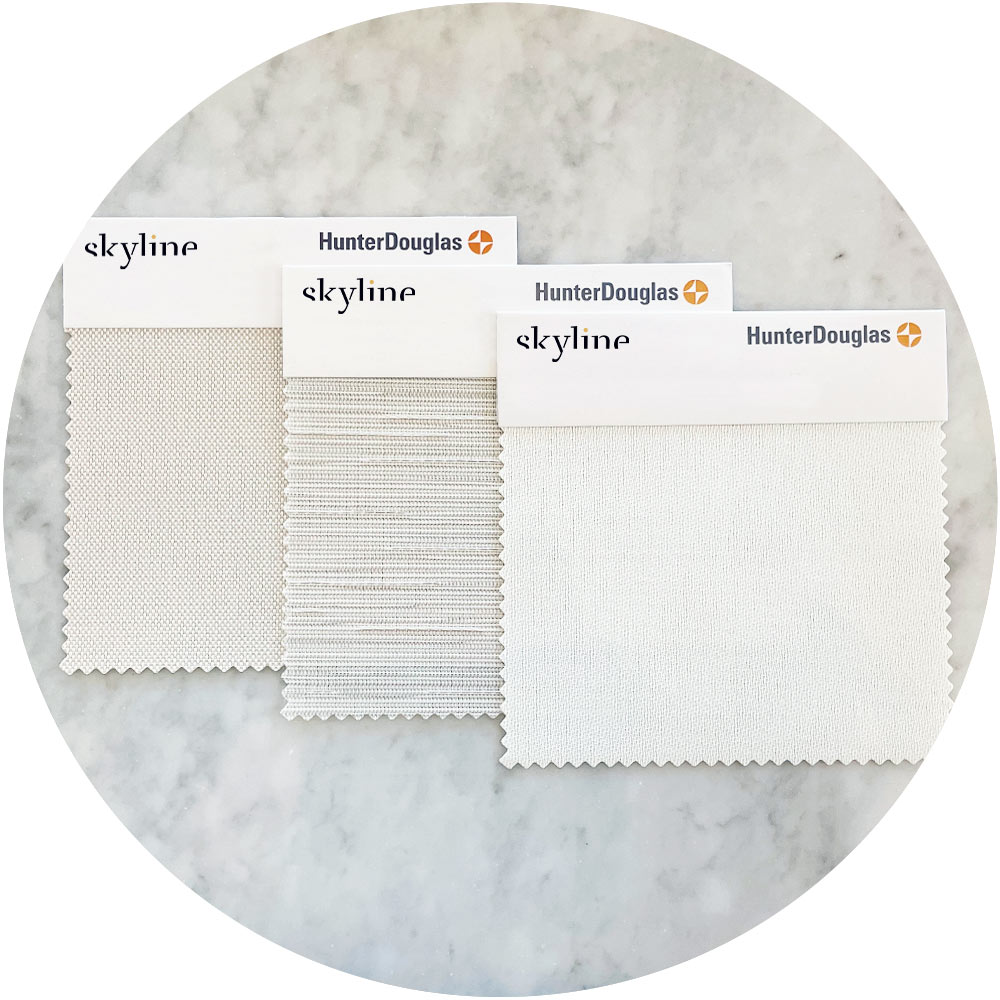
Order samples for the room and window where the shades will be installed. A bedroom, kitchen, and west-facing office can need different performance even if the décor is similar. World Wide Shades recommends comparing two or three openness levels, two color families, and one backup texture rather than ordering a random stack of every option.
For the visual basics, pair this guide with window shades color guide and light-filtering shades guide. They explain why the sample must be viewed in context, not held under a retail ceiling light.
What to order first
After you choose a collection, review what a custom shade warranty covers.
Open the World Wide Shades builder to save a focused sample shortlist by room.
Openness is the approximate percentage of the weave that allows light and view through a solar screen. A 1% fabric generally provides stronger glare control and more daytime privacy than a 5% fabric, while 5% keeps a brighter, more connected view. A 3% option is often a useful middle starting point for living rooms and offices.
Do not treat openness as a universal privacy rating. A dark screen can look more transparent at night, and a light-filtering fabric behaves differently from an open solar weave. Place each sample against the glass and then stand 6 feet away. View it from the street or hallway if privacy is the concern.
Light-filtering fabrics diffuse daylight but can still show shadows after dark. Room-darkening and blackout constructions reduce more light, yet edge gaps can create a halo around the shade. For a bedroom, hold the sample over a bright phone screen or sunny window as a quick comparison, then confirm the product's actual performance with the manufacturer.
If sleep is the goal, also consider mounting and side channels. Our blackout curtains versus blackout shades comparison helps decide whether a single shade or a layered treatment better suits the room.
Look at each swatch in morning, midday, and evening light. Warm whites can read yellow beside cream walls; cool whites can read blue beside warm flooring. Dark fabrics may reduce reflected glare, while light fabrics can make a small room feel brighter. Take photos, but trust your eyes because phone cameras auto-correct white balance.
Tape samples at eye level for at least 24 hours. View them with flooring, paint cards, sofa fabric, and trim. If your window faces south or west, include a sunlit test and a test with interior lights on. World Wide Shades can help narrow the palette, but the final color decision belongs in your room.
Ready to compare? Order or review World Wide Shades swatches, then call (844) 674-2716 if you need help choosing a short list.
How to inspect a sample beyond its color
Ask World Wide Shades for a swatch review when privacy and cleaning needs conflict.
A subtle weave can disappear on a small swatch but create a tailored texture across a 96-inch window. Hold the fabric at arm's length and view it from the side. Look for slubs, printed repeats, directionality, and how the back coating changes the appearance from outside.
Test the sample from inside with the room dark and a lamp on. Then turn the lamp off and compare the silhouette. If possible, ask someone to stand outside while you move around indoors. Privacy depends on lighting contrast, distance, angle, and fabric construction; one quick daytime glance is not enough.
Rub the sample gently with a clean, dry cloth to see whether the surface attracts lint. Ask whether the fabric can be vacuumed, spot-cleaned, or wiped, and whether the backing can tolerate humidity. In a kitchen or bath, compare with our roller shades for kitchens and bathrooms guide. For a home with shedding animals, read pet-friendly window treatments.
A swatch cannot show the final perimeter gap, so use a cardboard rectangle or painter's tape to mock the planned mount. Inside mounts preserve trim but may show a light line; outside mounts can cover more glass edge and hide irregular trim. Bring the sample and mock-up together when deciding.
A simple sample-testing protocol
Order World Wide Shades swatches before you make a full-house color decision.
- Label every swatch with collection, color, openness, and room.
- Tape the samples next to the window, not on a distant wall.
- View them at 9 a.m., 1 p.m., and after sunset with room lights on.
- Stand 6 feet back, then check the weave at 12 inches.
- Photograph the group without filters and write a one-sentence reaction.
- Keep the two finalists up for 24 to 48 hours before ordering.
The process is fast but reveals details a catalog cannot. If you are testing several windows, keep one “control” sample in each room; the same material can change appearance as orientation changes. World Wide Shades can use your labeled finalists to build a consistent house-wide palette with room-specific openness.
Matching samples to control and hardware
Fabric is only one part of the decision. A cassette can conceal the roll and create a cleaner headrail; an exposed tube may suit a minimal budget or industrial look. Chain control works for an accessible window, while cordless spring or motorized control can improve safety and convenience. See roller shade valance options for a profile comparison.
Motorization deserves its own sample conversation. You may not need a motor in a small guest room, but a high stair window or a 100-inch picture window benefits from scheduled control. Review smart home motorized shades setup and ask for battery, wired, hub, and remote choices before a swatch becomes an order.
Use the World Wide Shades builder to save measurements and finalists. Ask for a quote that names the exact fabric, openness, liner, mount, and control; “gray roller shade” is not enough information to protect you from substitutions.
Common sample mistakes
The most common error is choosing from a screen or a tiny online color chip. The next is evaluating only in daylight, when nighttime privacy is the actual concern. Other mistakes include ordering one sample for a multi-room project, ignoring the back view from outside, and selecting a color before confirming the fabric's maximum width.
Avoid choosing a blackout fabric solely because it sounds premium. If you need an outward view and glare control, a solar screen may be more comfortable. Avoid choosing a delicate texture for a high-use door. Ask how the fabric behaves when rolled, cleaned, and exposed to daily sun.
World Wide Shades can explain the trade-offs without pressuring you into the most feature-heavy option. Contact World Wide Shades with a photo of your finalists, or call (844) 674-2716 for a quick fit check. When you are ready, start the builder and carry the winning sample into the final specification.
FAQ: ordering shade samples
Start with six to nine purposeful samples: two or three openness levels, two or three colors, and one or two texture or blackout alternatives. A focused set is easier to compare than a large pile. Add more only when the finalists reveal a specific question.
Keep finalists up for at least 24 hours and view them in morning, afternoon, and evening light. West-facing rooms deserve a peak-glare test, while bedrooms need a test with interior lights on after dark.
It is the best available preview, but a full shade can look slightly different because scale, backing, and reflected light change the appearance. Review the sample from inside and outside, and confirm the collection and color name on the quote.
Light-filtering fabric diffuses daylight and preserves a brighter room. Blackout or room-darkening fabric blocks more light, but perimeter gaps can still admit brightness. Test both against the actual glass and discuss mounting details.
Darker screens often reduce reflected glare and preserve a clearer view, while lighter screens can look brighter and coordinate with pale interiors. The best choice depends on orientation, furnishings, and your tolerance for reflection. Compare both in the room.
Yes, and samples are useful before final measurements. Still, confirm the window width, height, depth, and hardware before selecting a collection because some fabrics or systems have size limits. World Wide Shades can review both steps together.