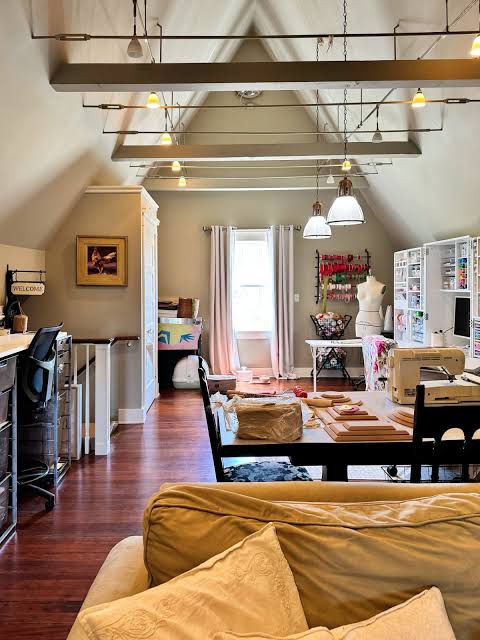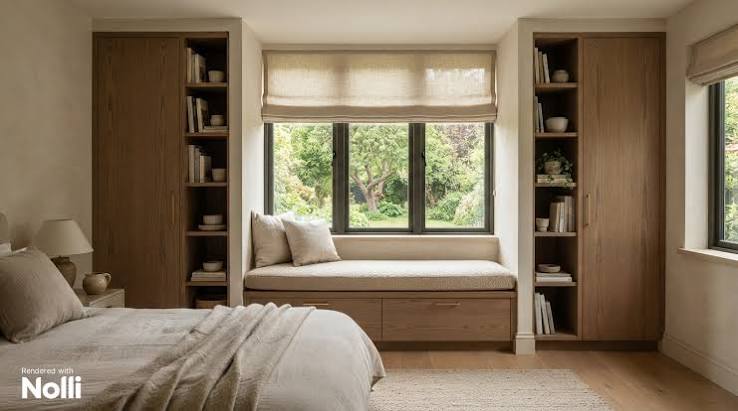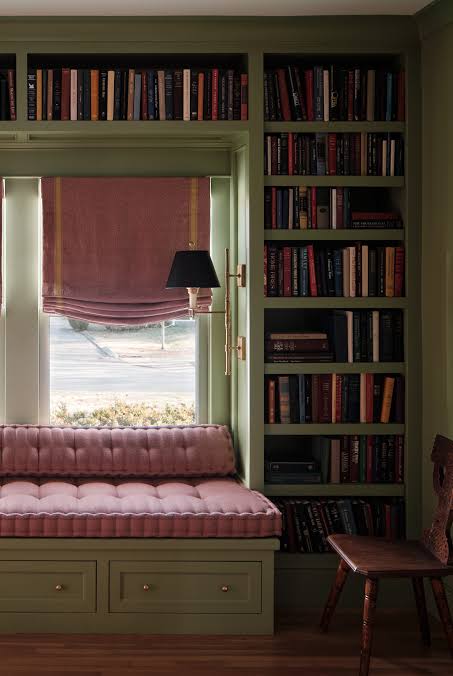
A home library is built around things that are meant to last, but direct sunlight can age those things faster than most readers expect. Paper yellows, dust jackets fade, leather dries and changes color, and a favorite chair can develop a sharply defined pale patch. Home library window shades manage that exposure while keeping enough daylight for reading. World Wide Shades designs custom treatments around shelves, desks, ladders, and the hours you use the room. Start a library shade plan in the World Wide Shades builder.
Why books need controlled daylight
Sunlight contains ultraviolet radiation as well as visible light and infrared heat. UV contributes to fading and material breakdown, while visible light also adds to cumulative exposure over time. A book does not have to feel hot to be at risk; a bright west-facing window can damage a spine or page edge over many seasons even when the room is comfortable.
The practical goal is not to make every library dark all day. It is to keep direct rays off shelves and reading surfaces, soften glare on open pages, and lower the shade during the strongest hours. If a narrow beam lands on the same shelf every afternoon, treat that window first. Contact World Wide Shades with the room orientation and shelf layout for a more targeted recommendation.
Identify the vulnerable zones
Walk the room at 9 a.m., noon, 3 p.m., and near sunset on a clear day. Mark the shelves that receive direct rays, the desk where a screen reflects the window, and the reading chair where glare makes print uncomfortable. Pay special attention to glass doors, transoms, and clerestory windows; a shade on the main window cannot protect a shelf illuminated from above.
If shelves sit directly beside or in front of a window, a shade should cover the full opening and extend far enough to avoid a bright side stripe. Outside mounting can be useful when the trim is shallow or uneven. An inside mount preserves a clean built-in appearance when the frame is deep enough for the selected headrail. World Wide Shades can review both options before fabrication. Use the online builder to begin with one opening or the whole room.
Pick a fabric for reading and preservation
Light-filtering fabric is often the best library compromise. It turns hard sun into softer ambient light and keeps the room usable without the cave-like effect of full blackout. A tighter weave and lower openness reduce glare; neutral white, flax, and pale gray can keep daylight looking natural. If the library doubles as a media room or has a projector, a blackout roller shade may be more appropriate. Compare the tradeoffs in blackout curtains versus blackout shades.
Solar shades describe openness in percentages such as 1%, 3%, and 5%. A 1% fabric gives stronger solar control and privacy; 3% is a common balance; 5% preserves a more open daytime view but allows more light. These figures describe the weave opening, not a promise that a room will receive exactly that percentage of daylight. Order World Wide Shades swatches and look at them next to book jackets, cream paper, and dark wood.
For a warm, traditional library, a linen-look roller shade can add texture without competing with rows of books. Woven wood shades bring natural grain and a softer filter, while a flat roller shade is easier to wipe and keeps shelves visually quiet. The woven wood shades guide and best fabrics for roller shades can help you compare texture, maintenance, and coverage. Ask World Wide Shades for a coordinated palette if the room includes built-ins in several wood tones.
Control glare at the desk and chair
Reading glare is a contrast problem: the bright window makes the page look darker, then your eyes work harder to separate letters from the paper. A shade positioned just below the top of the glass may still leave a bright band in your field of view. Lower the fabric until the direct beam is gone, or use a dual shade that combines a solar screen with a blackout or room-darkening layer.
Computer monitors need a separate check. Place the screen perpendicular to the window when possible, and use a 1% or 3% solar shade if you want a view while cutting reflected brightness. If the shade fabric has a strong color cast, it can change how book covers and artwork appear. Test white paper, skin tones, and a color card before committing. Compare samples from World Wide Shades in the actual reading position.
Keep shelves accessible
Window treatments should not trap a ladder, block cabinet doors, or strike a shelf when raised. Measure the distance from the glass to the nearest bookcase, then note the depth of the headrail and any cassette. If an inside mount leaves only a small gap above the frame, an outside mount may clear the shelf more effectively. A cordless shade avoids a pull chain brushing book spines, while motorization helps with tall windows and high clerestories.
For a library with multiple elevations, separate shades are usually more flexible than one continuous treatment. Close the west window at 4 p.m. without darkening the north wall. Grouping motors into “reading,” “away,” and “evening” scenes makes exposure control repeatable. The smart-home motorized shades setup guide explains the planning steps, and Alexa and Google Home motorized shades covers voice-control options. Contact World Wide Shades if a ladder would otherwise be needed to reach the control.
Consider heat and energy
A library with large south- or west-facing glass can become warmer than the rest of the home, causing readers to close doors or run cooling longer. A solar shade reduces some solar gain while preserving a view; a cellular or insulating construction can add a thermal air pocket. These solve different problems, so specify whether the priority is glare, heat, preservation, or all three.
Use the energy-efficient window shades guide and best shades for south-facing windows when orientation is driving the room’s temperature. For books and art, also review UV-protection window shades. World Wide Shades can help layer the goals instead of over-darkening a room that you want to use every morning.
Match the style to the architecture
Built-in shelves already provide strong horizontal lines, so a shade with a simple hembar and minimal hardware often looks most intentional. Warm ivory or flax can echo aged paper; a soft gray can bridge cool paint and walnut; a deep charcoal can make a modern library feel more cinematic. Avoid choosing a color from a phone screen alone because fabric texture and daylight change its appearance.
The window shade color guide offers a useful way to compare undertones. If the room combines classic trim with contemporary furniture, roller shades versus Roman shades explains when a tailored flat panel or a softer fold will better fit. Order samples from World Wide Shades and place them beside the shelves at both midday and evening.
Budget for lasting hardware
Plan on approximately $200 to $900 per opening for custom manual library shades, with width, height, fabric, cassette, and installation driving the range. Motorization may add $250 to $650 per shade, while tall or hard-to-wire windows can cost more. A library with 8 windows could therefore fall near $1,600 to $7,200 before special electrical work; use that as a planning range, not a quote.
Do not compare only the fabric price. Include measuring, mounting, control, and the cost of correcting light gaps later. Request a detailed World Wide Shades estimate that lists every opening and operating system, or call (844) 674-2716 to discuss which shelves need the most protection.
Maintenance and daily habits
Dust the shade with a soft brush or vacuum attachment on low suction, following the fabric instructions. Avoid saturating a roller shade near books because moisture can transfer to paper and swell wood shelves. Lower shades before the sun hits vulnerable spines rather than waiting for a room to feel hot. Move especially valuable or fragile books away from direct exposure, even with a shade.
An automatic schedule can lower west-facing shades at 2:30 p.m. in summer, but use a sensor or seasonal adjustment rather than a fixed time forever. The room’s exposure changes with trees, neighboring buildings, and the sun’s angle. Have World Wide Shades help program a practical routine after installation.
Frequently asked questions
They can reduce direct UV and visible-light exposure, especially when the shade covers the entire opening and is lowered during bright hours. No shade replaces good placement for rare books, but it is an effective everyday layer.
A neutral light-filtering roller shade is a strong default for a reading room because it softens glare while keeping daylight. Choose a lower-openness solar or blackout construction when direct sun, artwork, or a projector makes stronger control necessary.
Not necessarily. Blackout is useful on a west-facing window or in a library that doubles as a media room, but you may prefer a dual shade so the room can be bright during the day and dark at night.
Inside mounting looks integrated when the frame has adequate depth and is square. Outside mounting can cover trim gaps, improve edge overlap, and clear built-in shelves. World Wide Shades can recommend the mount after checking depth and obstructions.
Manual custom shades often plan around $200 to $900 per opening, while motorization may add $250 to $650. Width, height, hardware, and installation change the final figure. Request a World Wide Shades quote for accurate pricing.
Yes. Send the shelf and window layout, compare fabrics, or call (844) 674-2716 so World Wide Shades can plan clearance, color, and control together.
Preserve the room you built
Home library window shades should make the room easier to use while quietly reducing the exposure that ages books and furniture. With the right openness, full coverage, and a control plan that matches the sun, you can read comfortably without turning the library into a dark box. World Wide Shades can make the result precise enough for built-ins and flexible enough for everyday life.
Design a custom solution, order swatches, or contact World Wide Shades to begin. Your collection deserves more than a generic shade that leaves the brightest window untreated.