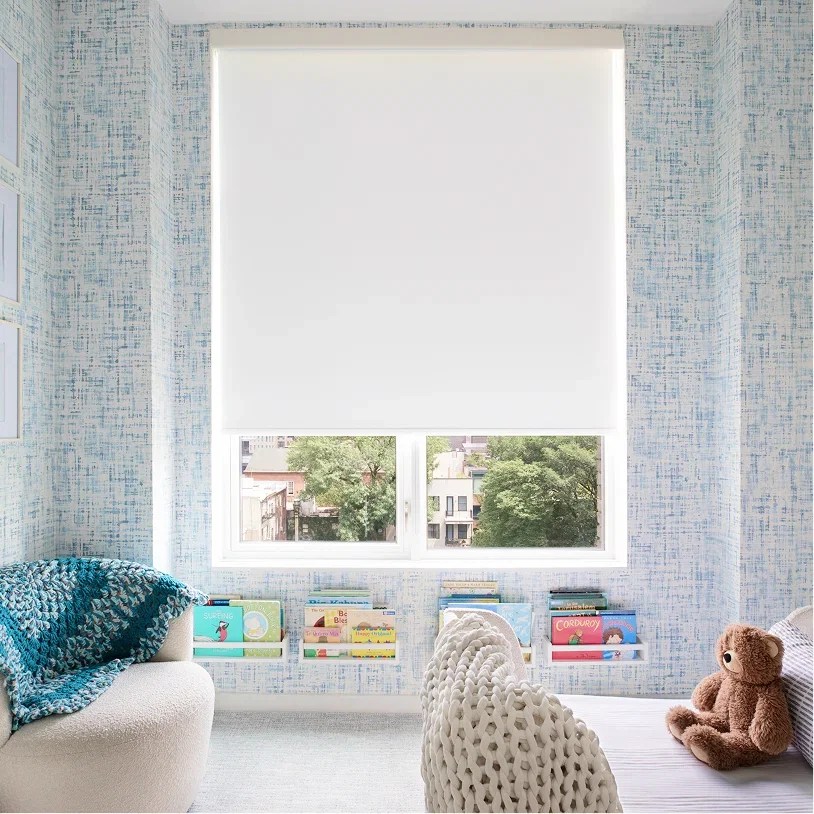
The choice between premium vs budget roller shades is not simply a choice between a designer label and a discount label. The meaningful differences are usually hidden in five places: fabric performance, cut accuracy, hardware, controls, and support after delivery. A low-cost shade can be perfectly appropriate for a guest room, while a premium system can make sense for a wide west-facing window or a room used every day.
World Wide Shades helps customers spend on the features they will actually notice. Start with the World Wide Shades builder to price a real window, and request fabric swatches before treating a sample photo as a final color decision.
What counts as budget and what counts as premium?
For planning purposes, a budget manual roller shade for a standard 36-by-60-inch window often costs about $60–$150. A mid-range custom shade commonly lands around $125–$300, while a premium custom shade with upgraded fabric, cassette, lining, or motorization may range from $300–$900 per opening. Extra-wide windows, specialty shapes, and installation can push the total higher.
These are project ranges, not fixed quotes. A 72-inch-wide shade uses more material and may require a center support or stronger tube than a 24-inch shade. World Wide Shades can provide an apples-to-apples comparison using the same size and mount type, so the premium is tied to a specific performance upgrade.
Fabric is the first feature worth paying for
Cheap fabric is not always bad, but a fabric's openness, backing, weave, and colorfastness determine how it behaves. Solar shade openness is commonly specified as 1%, 3%, 5%, or 10%. A 1% fabric provides stronger glare and privacy control; a 5% fabric preserves a brighter, more open view; 10% is more transparent and is often chosen where view is the priority.
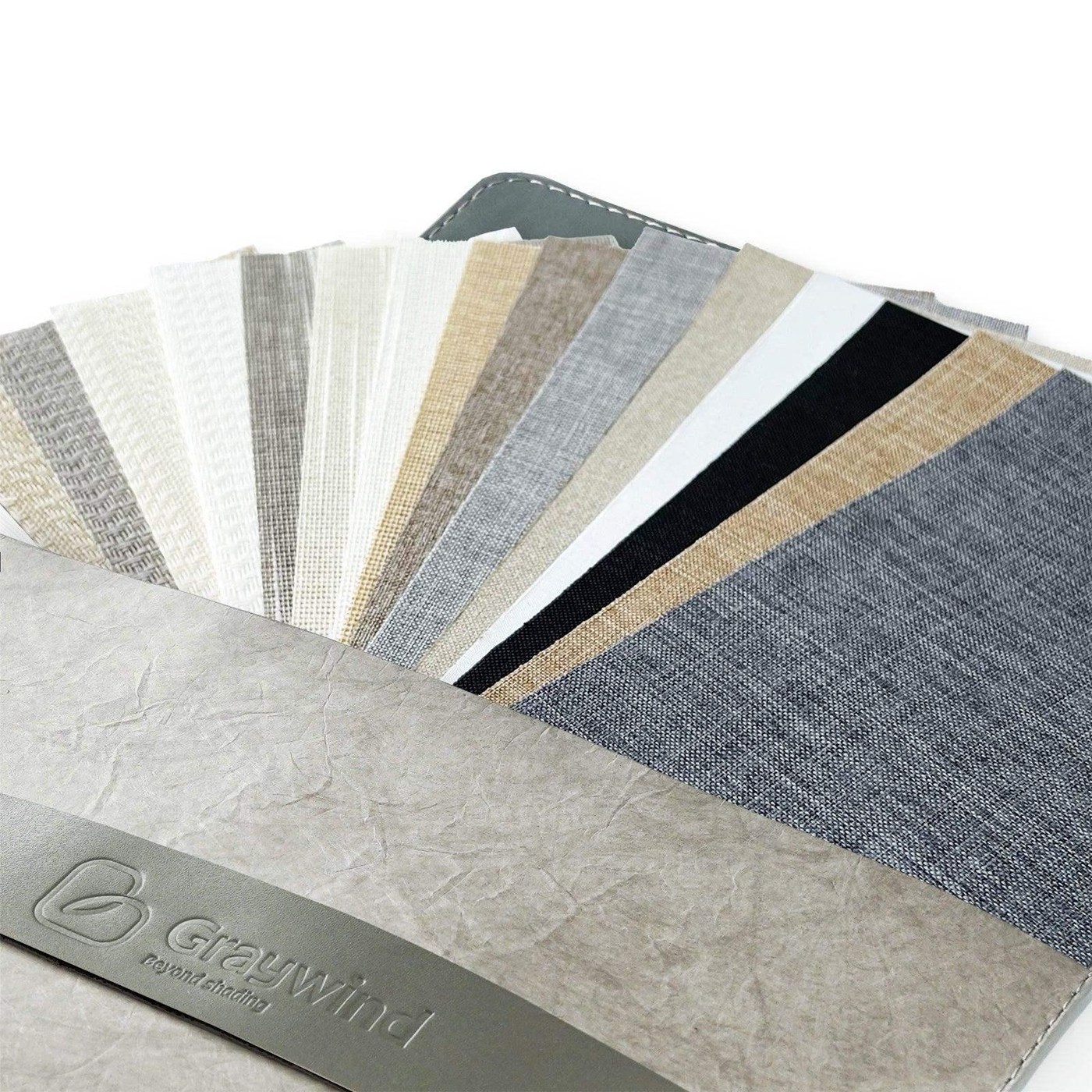
Premium fabrics may have a tighter weave, a more consistent reverse side, better edge stability, or a softer linen-look texture. Blackout fabrics may use a coated backing that reduces pinholes and color shift. If UV fading is a concern, read the UV protection window shades guide and compare the actual opacity rather than relying on the word “premium.”
Order World Wide Shades swatches and hold them against the glass at noon and after dark. This small step can prevent a $200 mistake, especially with whites, warm neutrals, and charcoal fabrics that look different in direct sun.
Hardware affects appearance and lifespan
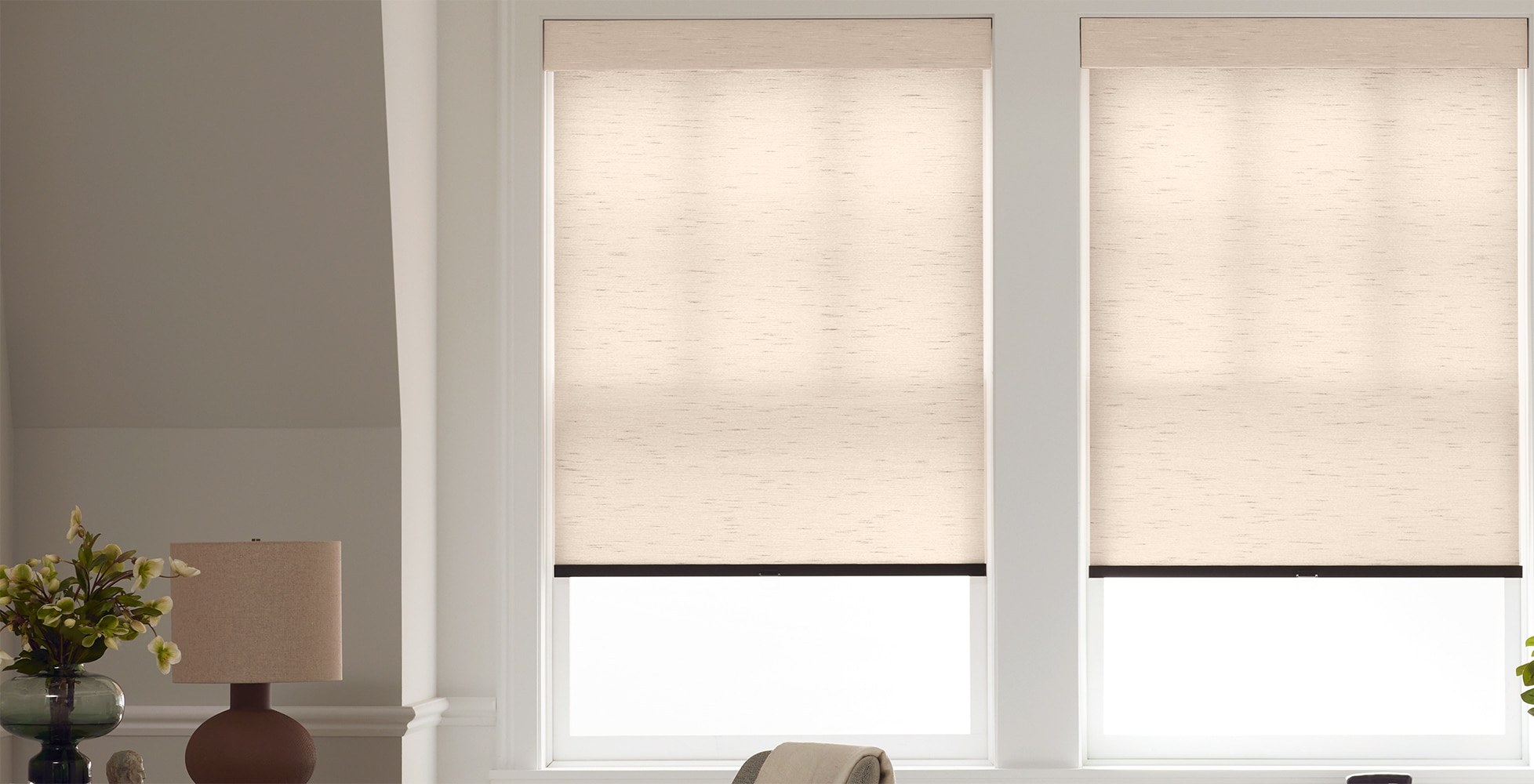
A budget shade may expose the roller tube and use a lightweight clutch. That can be fine on a small window used occasionally. Premium hardware may add a wrapped cassette, a heavier tube, a smoother clutch, a quieter motor, or a more stable hembar. The value is most visible on large shades, frequent-use windows, and installations where the headrail is in direct view.
Measure the width before judging the hardware. A shade wider than about 60–72 inches may need a center support or a larger tube to prevent deflection. A heavy blackout fabric can also require more robust hardware than a light solar screen. World Wide Shades can recommend the construction based on width, drop, and fabric weight rather than putting the same bracket on every opening.
Custom sizing is often more important than a premium label
A perfectly priced shade that is 1/4 inch too wide can rub, bind, or leave an uneven gap. A shade cut to the right width and ordered with the correct mount can look more finished than a premium product installed with guesswork. Take width measurements at the top, middle, and bottom of an inside opening; record the smallest dimension and confirm the manufacturer's deduction rules.
For outside mount, plan approximately 1 1/2–3 inches of overlap per side and enough height for the rolled stack. Review how to install roller shades before choosing a mount. World Wide Shades can verify unusual jamb depth, French doors, and extra-wide openings before production.
Motorization: where the premium may pay back
Motorization is an upgrade when a window is hard to reach, used on a daily schedule, or part of a child-safe room. Battery-operated motors commonly add $150–$300 per shade; hardwired systems can add $250–$600 or more depending on wiring access. A smart hub or bridge may add another $50–$200 to the project.
Spend on motorization when automation changes behavior: closing south-facing shades during peak afternoon heat, opening bedroom shades at 7 a.m., or raising a tall stairwell shade without a ladder. Skip it when the window is easy to reach and will be adjusted only a few times per year. See motorized shades with Alexa and Google Home for integration considerations.
Configure a motorized or manual option with World Wide Shades, and call (844) 674-2716 if you want help choosing battery versus hardwired control.
Warranty and service are part of the price
Compare warranty length, coverage, exclusions, and the process for reporting a problem. Ask whether the warranty covers fabric, motor, clutch, and workmanship separately. A five-year motor warranty does not necessarily mean five years of coverage for every component.
Also consider who answers a measurement or installation question. A low initial price can lose its advantage if an incorrect order requires a return shipment or if replacement hardware is difficult to source. World Wide Shades can help check dimensions and operating details before an order is finalized. Contact World Wide Shades to discuss the project and ask what is included.
Where to save and where to spend
Save on rooms with low exposure and light use. A budget light-filtering shade can be a sensible choice for a guest room, pantry, or short-term rental. Select a neutral fabric and keep the same mount style across adjacent windows to maintain a cohesive look.
Spend on daily-use rooms, unusually wide glass, high solar exposure, moisture-prone locations, and windows that are difficult to reach. A better fabric or stronger tube can prevent early replacement. For broader fabric selection guidance, compare the best fabrics for roller shades.
Avoid paying for features that do not solve a problem. A decorative valance does not improve glare control, and an expensive motor cannot correct a bad measurement. A careful specification is often the highest-return upgrade available.
Value by window type
Treat each opening as its own decision. A small north-facing guest-room window may need only a durable light-filtering fabric and a cordless control. A west-facing office window may justify a 1% or 3% solar fabric because glare can interfere with a monitor for several hours each afternoon. A bedroom window may deserve blackout fabric and an outside mount, even if the adjacent hallway uses a simpler shade.
Large picture windows deserve special attention to tube strength and fabric weight. A premium fabric that stays flatter and a properly sized tube can prevent the center from bowing. For pets, kitchens, or rental units, durability and easy cleaning may matter more than a decorative texture. Review the pet-friendly window treatment guide before choosing a surface that attracts fur or snags easily.
Frequently asked questions
They can be worth it when improved fabric, hardware, motorization, or service addresses a real need. For a lightly used small window, a well-sized budget shade may deliver better value than a premium material.
Plan roughly $125–$300 for a custom manual shade on a standard opening and $300–$900 for a premium or motorized configuration. Width, fabric, cassette, controls, and installation can change the final price.
Often, but not solely because of price. Tube size, clutch quality, fabric stability, correct sizing, and operating frequency have more direct effects on service life. Protect any shade by avoiding forced pulls and following the fabric care instructions.
It is practical when it removes a ladder, enables a schedule, or improves child safety. It is mostly discretionary on an easily reached window that rarely changes position.
Match window size, inside or outside mount, fabric opacity, control type, cassette, shipping, installation, and warranty. Then compare the total installed cost instead of the fabric-only price. World Wide Shades can help create a consistent specification.
Yes. Samples reveal texture, reverse-side color, and brightness under your own glass. Request World Wide Shades swatches, then build the final shade after reviewing them in daytime and nighttime light.
Ready to spend where it matters? Compare a budget and premium build with World Wide Shades, order swatches, or call (844) 674-2716 for a practical recommendation.