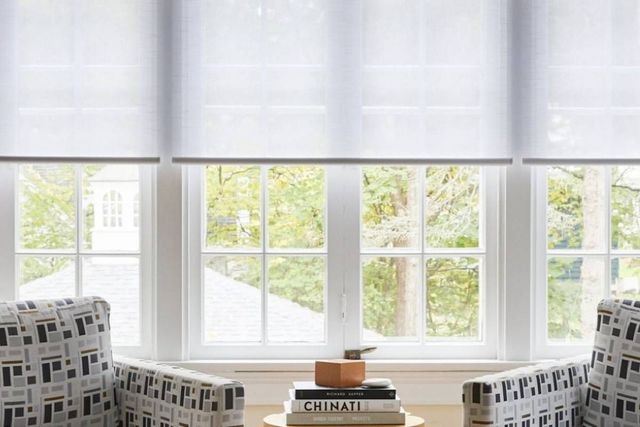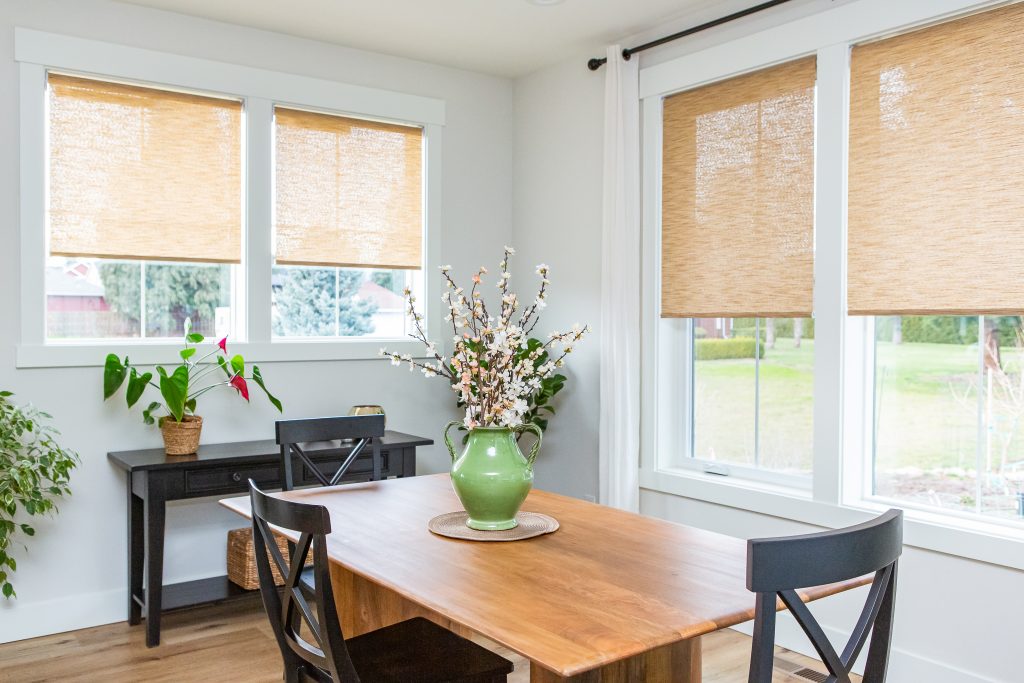
A roller shade can look "custom" or "contractor-basic" depending on what happens at the very top of the window. That top treatment—typically a fascia/valance, a cassette, or an exposed roll—controls what you see when the shade is up, how the fabric tracks when it's down, and how much light sneaks in around the headrail.
If you're ordering online, the names can feel interchangeable: valance, fascia, cassette, headbox, headrail, pocket. In practice, these are different finishing systems with different strengths. World Wide Shades builds every one of these finish options to custom dimensions, so you're never locked into a standard size or a one-size-fits-all look. Below is a practical breakdown of how each option performs, what it costs, and which rooms benefit most.
Along the way, you'll see how to make the decision quickly inside the World Wide Shades design flow, and how to verify color and texture before you buy by ordering real swatches.
Use our online shade builder to configure and price your custom shades — including your choice of top finish — before you commit to a single window.
Valance vs. cassette vs. exposed roll: what's the difference?
Most custom roller shades are built around the same core components: brackets mounted at the top, a tube that the fabric rolls onto, and a bottom hembar (or weight). The "finish" you choose changes how much of that hardware is visible.
Exposed roll means the tube and fabric roll are visible when the shade is raised. Brackets may be visible from some angles.
Fascia/valance (often an aluminum "face" that covers the front) hides the roll from view when you're standing in the room. The sides can still be open.
Cassette (also called a headbox) is a three-sided enclosure that wraps the roll, often with a small fabric insert or coordinated finish. It's the most finished look and can help with light control.
In modern interiors—especially with larger windows—these top finishes matter because your eyes are naturally drawn to the head of the window. A clean cassette line can make a roller shade feel as intentional as built-in millwork. World Wide Shades offers all three options across every fabric in our catalog.
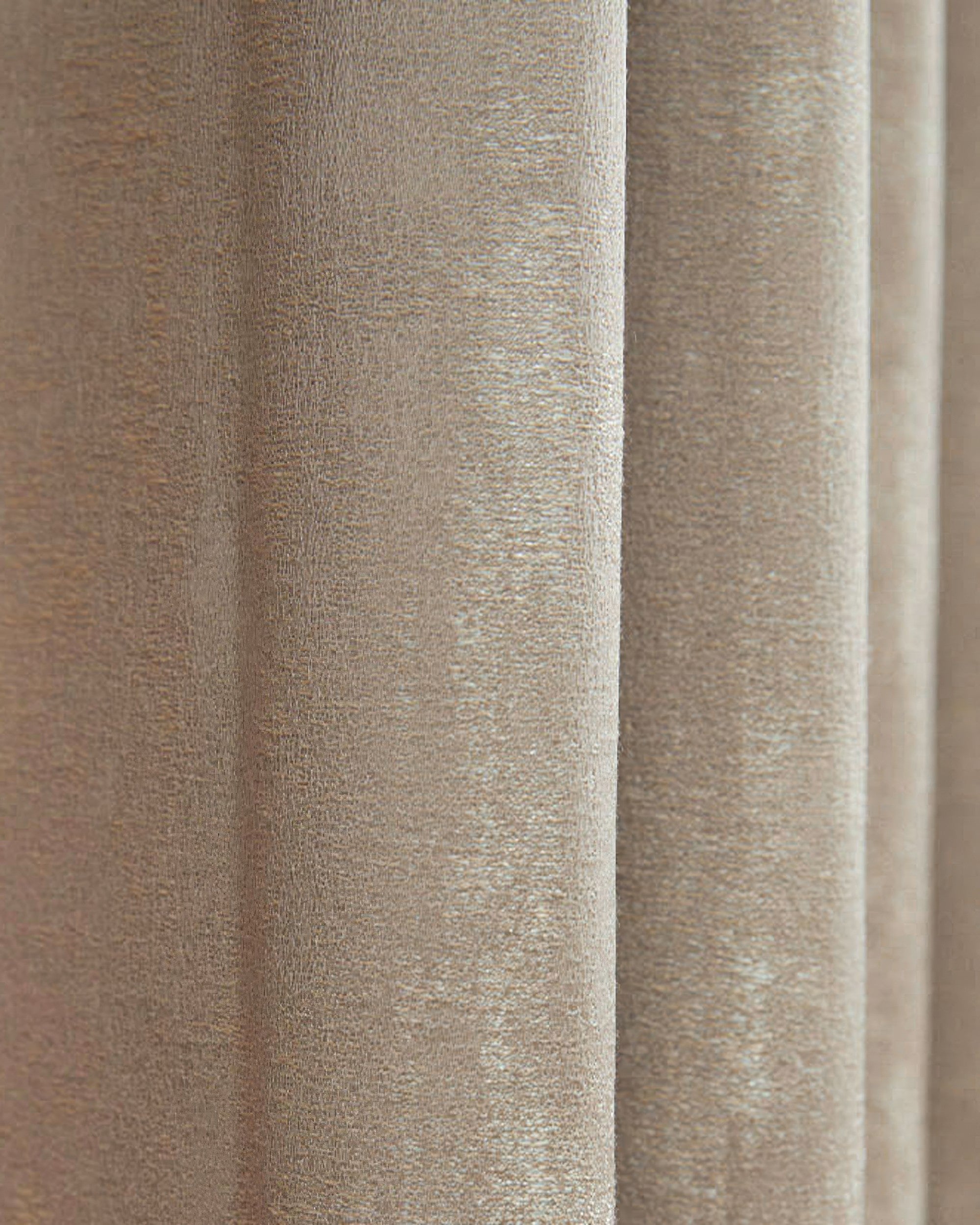
Not sure which fabric pairs best with your finish choice? Browse free fabric swatches to see and feel materials before you order.
When an exposed roll is the right choice
There are times when "no valance" is the smartest decision.
You want the lowest profile inside-mount. In many windows, depth is limited. An exposed roll often needs less depth than a full cassette, which can make the difference between a true inside mount and a partial projection.
You're prioritizing budget for many windows. For an entire home, skipping cassettes can free up budget for better fabric (like higher UV blocking) or upgrades like motorization.
The look is intentionally industrial or minimal. In lofts, studios, and modern spaces with black window frames, a visible tube can feel architectural—especially with darker hardware.
Typical price impact: exposed roll is usually the baseline price. In many custom programs, adding a fascia adds roughly $25–$60 per shade depending on width; a cassette can add about $50–$120 per shade. Those ranges vary by fabric, lift type, and overall size, but they're a realistic budgeting starting point.
If you're planning a whole-home installation and weighing where to put the finish budget, check out our guide to best fabrics for roller shades — understanding fabric tiers helps you decide when it's worth upgrading the finish vs. the material.
Fascia/valance: the best value "finished" look
A fascia is the most common upgrade because it gives you a cleaner sightline without the bulk of a full headbox.
Hides the roll from the room. If you're sitting across from a window (common in living rooms), you'll mostly see a neat horizontal line.
Pairs well with outside-mount installs. Outside mount often leaves the top hardware fully visible without a fascia. If you're mounting above trim to cover light gaps, a fascia is a strong aesthetic upgrade.
Keeps the system easy to service. A fascia is usually a snap-on piece. If you ever need to re-tension the shade or service a motor, it's generally simpler than a fully enclosed cassette.
Not as strong for light control. Because the sides are open, light can enter from above and through the bracket area.
Not as "built-in" from close range. If the window is at eye level (kitchen sink, stair landing), you might still see side hardware.
- Living rooms and dining rooms where you care about aesthetics but don't need blackout-level control
- Kitchens (especially if you're concerned about grease buildup in a closed headbox) — see our full guide to roller shades for kitchens and bathrooms for more on this
- Office spaces where glare control matters more than full darkness
Contact World Wide Shades for a free consultation at (844) 674-2716 — our team can recommend the right finish for each room based on your window dimensions and light goals.
Cassettes: where they shine (and when they don't)
A cassette is a top enclosure that typically covers the front and sides of the roll. Many cassettes have a "lip" that brings the fabric closer to the wall, which can help reduce the top light gap.
Cleanest visual line. If you want the shade to look like a single integrated unit, a cassette is usually the winner.
Better perceived quality. Real estate and design professionals often notice cassettes because they're a cue that the window treatments are custom.
Improved light blocking at the head. While a cassette alone doesn't make a shade blackout (side gaps still exist), it can noticeably reduce the bright halo at the top—especially on outside mounts.
Protects the fabric roll. In kitchens or near HVAC vents, a cassette can keep dust and splatter off the roll when the shade is raised.
More depth. A cassette is thicker. On shallow windows, that can push you toward outside mount or a protruding inside mount.
Higher cost. If you have 12 windows, the upgrade can be meaningful. Sometimes your budget is better spent on a higher-performance fabric instead.
Not always necessary. If the window is high, rarely seen up close, or in a guest room, the difference may not justify the cost.
Get started with a custom quote from World Wide Shades — configure your windows one at a time, compare finish options side by side, and price the full project before ordering.
Matching the finish to your design style
Choosing the right finish is partly about performance, but mostly about how you want the window to read in the room.
Modern rooms benefit from tight lines and consistent finishes.
- Best choice: cassette in a clean neutral (white, black, or anodized aluminum) or a fascia with a crisp squared profile
- Pair with: smooth screen fabrics (3%–5% openness) or neutral light-filtering weaves
For bedroom applications, World Wide Shades offers blackout roller shades with cassette finishes in crisp whites and soft grays that integrate cleanly into minimalist spaces. Our guide to best window shades for bedrooms covers how finish and fabric interact in sleeping spaces.
If your space features wood floors, linen upholstery, and soft neutrals, the goal is "quiet" hardware.
- Best choice: fascia or cassette with a fabric insert that coordinates with the shade fabric
- Pair with: textured light-filtering fabric or woven-wood-style roller fabrics
For a deeper look at organic material options, see our woven wood shades guide.
If you have substantial casing, the top finish often needs to blend into the architecture.
- Best choice: outside-mount fascia painted to match trim, or a cassette that aligns with the trim's top line
- Pair with: room-darkening fabric in bedrooms, light-filtering in public spaces
Inside mount vs. outside mount: how the finish changes the outcome
Mount type has a major impact on what the valance/cassette accomplishes.
Inside mount emphasizes a clean "in the window" look. However, inside mounts are limited by depth.
- If your depth is under about 2 1/4 inches, an exposed roll or a low-profile fascia is usually safer.
- If you have 3 inches or more, you can often fit a standard cassette while keeping the shade flush.
Inside mount also highlights side hardware when you're close to the window. In that situation, a true cassette can look noticeably more polished than a fascia.
Outside mount is often chosen to cover light gaps or to clear obstructions like window cranks.
- A fascia dramatically improves the look because the brackets would otherwise be obvious.
- A cassette can reduce the top light gap and create a continuous architectural line—especially when you align multiple windows.
If your goal is "hotel blackout," a cassette is helpful, but it's only part of the solution. You still need the right fabric and often side channels. Our guide to blackout curtains vs. blackout shades walks through the full picture.
How finishes affect light gaps and glare
Most homeowners notice light gaps in two places: above the fabric and at the sides.
- A cassette generally reduces the top gap because the fabric exits closer to the wall.
- A fascia mostly improves the look but doesn't dramatically change the top gap.
- Neither option fully solves side gaps because the fabric must move freely.
If glare is a key concern (home office, media room), consider combining the right top finish with the right fabric. For a complete breakdown of light control fabrics, see our light-filtering shades guide.
Practical rule of thumb:
- For daytime glare control, a light-filtering or screen fabric plus a fascia is often enough.
- For nighttime darkness, a room-darkening or blackout fabric plus a cassette improves the head gap, but you'll also want careful mounting height and possibly side channels depending on sensitivity.
Browse free fabric swatches from World Wide Shades to see how different opacities and finishes look together before you place your order.
Finish durability and cleaning: what to expect
Hardware finishes are typically powder-coated aluminum. They hold up well, but the best finish depends on the room.
- Kitchens: fascia is easy to wipe and less likely to trap grease than a closed headbox.
- Bathrooms: a cassette can protect fabric from humidity-driven dust buildup when the shade is raised, but choose corrosion-resistant hardware.
- High-traffic family rooms: either works; focus on smudge-resistant colors (soft white or matte black hide fingerprints better than glossy).
In most homes, a microfiber cloth and mild soap are enough for the hardware. Avoid harsh abrasives that can dull powder coat.
Costs and budgeting: a realistic way to choose
Instead of asking "Is a cassette worth it?" ask: "Where will I see it, and what problem is it solving?"
Here's a quick budgeting approach:
- Public spaces (living/dining): prioritize aesthetics → fascia or cassette depending on sightlines
- Bedrooms: prioritize darkness → cassette is more likely to earn its cost
- Secondary rooms (laundry, closets): exposed roll often makes sense
If your average shade is $180–$350 depending on size and fabric, a $60–$100 cassette upgrade can be a 20%–40% premium. That's absolutely worth it on featured windows, and often unnecessary on the ones you rarely notice.
For new construction projects where every window gets treated at once, World Wide Shades can provide volume pricing and a coordinated spec recommendation for the whole home. Call us at (844) 674-2716 or visit our custom shades for new construction guide for project planning guidance.
How to select the right option in the World Wide Shades builder
The fastest way to dial in the finish is to build one "hero" window first and then replicate settings across similar windows.
- Start your configuration in the online builder and choose your fabric first.
- Select mount type based on depth and desired coverage.
- Choose the top finish (exposed roll, fascia, or cassette) based on the room's visibility and light needs.
- Save that configuration as your baseline and adjust measurements window-by-window.
If you're unsure whether a bright white cassette will match your trim or whether a textured fabric will read too warm, order swatches first at /swatches. Seeing the fabric in your actual daylight and evening lighting is far more reliable than any screen preview.
FAQ: valances, fascias, and cassettes
A cassette can reduce the light that leaks in above the fabric, but it does not eliminate side light gaps. For true blackout performance, World Wide Shades recommends combining a blackout fabric with careful outside mounting and side channels if you're extremely light sensitive. Our blackout curtains vs. blackout shades guide covers the full system approach.
In most modern roller shade systems, "fascia" and "valance" are used interchangeably to mean a front cover that hides the roll. Some brands reserve "valance" for decorative wood cornices, but in roller shade context it typically means an aluminum face.
Usually, the shade needs to be built with the correct brackets and headbox components from the start. In some systems you can upgrade hardware later, but it's not guaranteed and often costs nearly as much as ordering the finish up front. Contact World Wide Shades at (844) 674-2716 before ordering if you're uncertain — we can confirm compatibility for your specific window and motor combination.
For wide windows and sliders, a cassette often looks the most intentional because it creates a continuous line. If you prefer a lighter visual, a fascia is a strong compromise that still hides the roll. World Wide Shades fabricates cassettes up to 144 inches wide for large openings and sliders.
Rentals often call for low-impact mounting that does minimal wall damage. Our guide to roller shades for rental apartments covers mounting strategies that work in renter-friendly installations — including which finishes install and remove cleanly.
Ready to choose a clean finish?
World Wide Shades makes it straightforward to configure the right top finish for every window in your home. Build your roller shades in minutes at /builder, confirm fabric color and texture with real samples from /swatches, and reach out through /contact if you want help choosing between a fascia and a cassette for your specific window depth and light goals. Call us at (844) 674-2716 — our team in The Bronx is ready to help you get every window exactly right.