Why retail stores need a different kind of window shade
Retail windows do more jobs than any other window in your building. They’re your billboard, your lighting system, and (if you sell anything that can fade) a risk.
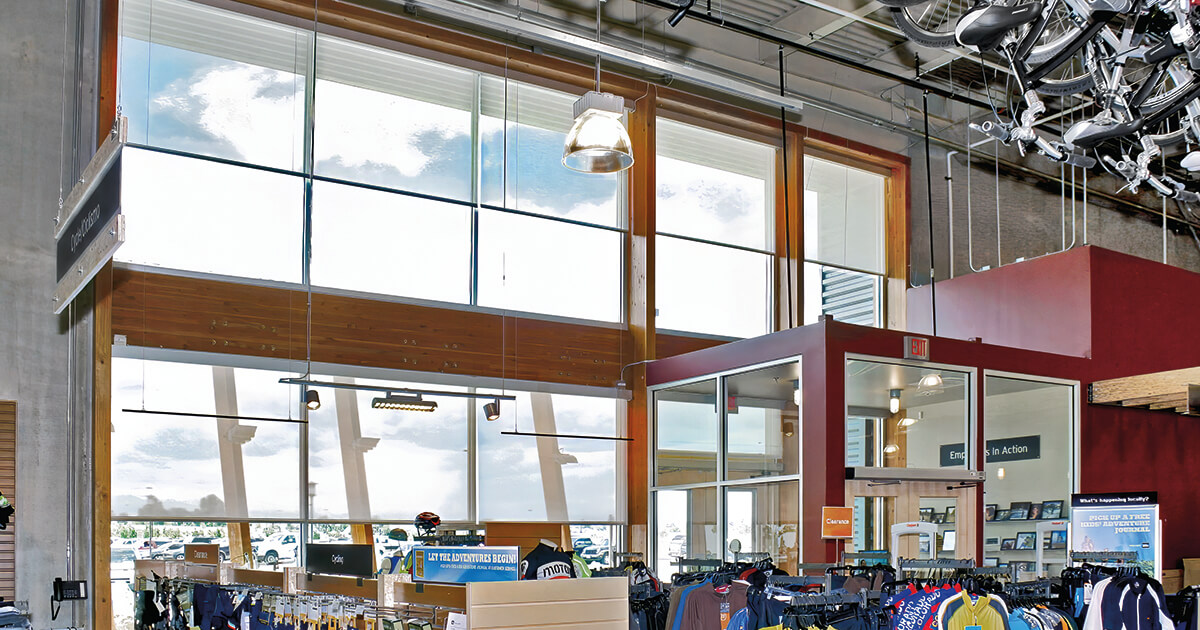
Retail store window shades solve a tricky problem: you want bright, inviting daylight that helps customers see and feel good inside your space, but you also need control over glare, heat, and UV exposure that can quietly damage your inventory.
World Wide Shades works with retailers who need shades that look intentional from the sidewalk and perform like commercial equipment behind the scenes. If you want help designing a setup that protects your products without blocking your storefront, start with the online builder: Design your shades in minutes.
What UV light does to retail inventory (and why it costs more than you think)
UV damage is usually “invisible” until it’s expensive.
If your windows get direct sun for a few hours a day, you’ve likely seen at least one of these:
- Fabric and apparel fading (especially darker dyes)
- Leather and faux leather drying, cracking, or discoloring
- Packaging bleaching (labels and branding lose contrast)
- Wood finishes yellowing or drying
- Artwork, signage, and printed graphics fading
Even if you rotate products, the most sun-exposed areas of your store can become “dead zones” for premium merchandise.
Harsh sunlight can blow out colors and create glare on glossy packaging. That affects how shoppers evaluate quality and can increase returns when “the color looked different in the store.”
If you’re building a better light environment for your displays, World Wide Shades can help you choose openness, fabric type, and coverage strategy. To compare textures and colors that still look great in daylight, order samples here: Get swatches.
Storefront goals: visibility from the street vs. glare control inside
Retail shades should support two goals that can feel like opposites:
- Street-side visibility so people can see in and feel invited
- In-store comfort and merchandise protection so staff and shoppers aren’t squinting, sweating, or fighting glare
The right solution usually isn’t “open all day” or “closed all day.” It’s a plan that matches your sun exposure patterns and merchandising layout.
World Wide Shades often recommends building a daily routine into your shade plan (especially for west-facing storefront glass). If you’d like a quick recommendation, talk to our team: Contact World Wide Shades or call (844) 674-2716.
The best retail store window shades by use case
Different retail categories have different window priorities. Here’s how to match shade types and specs to your needs.
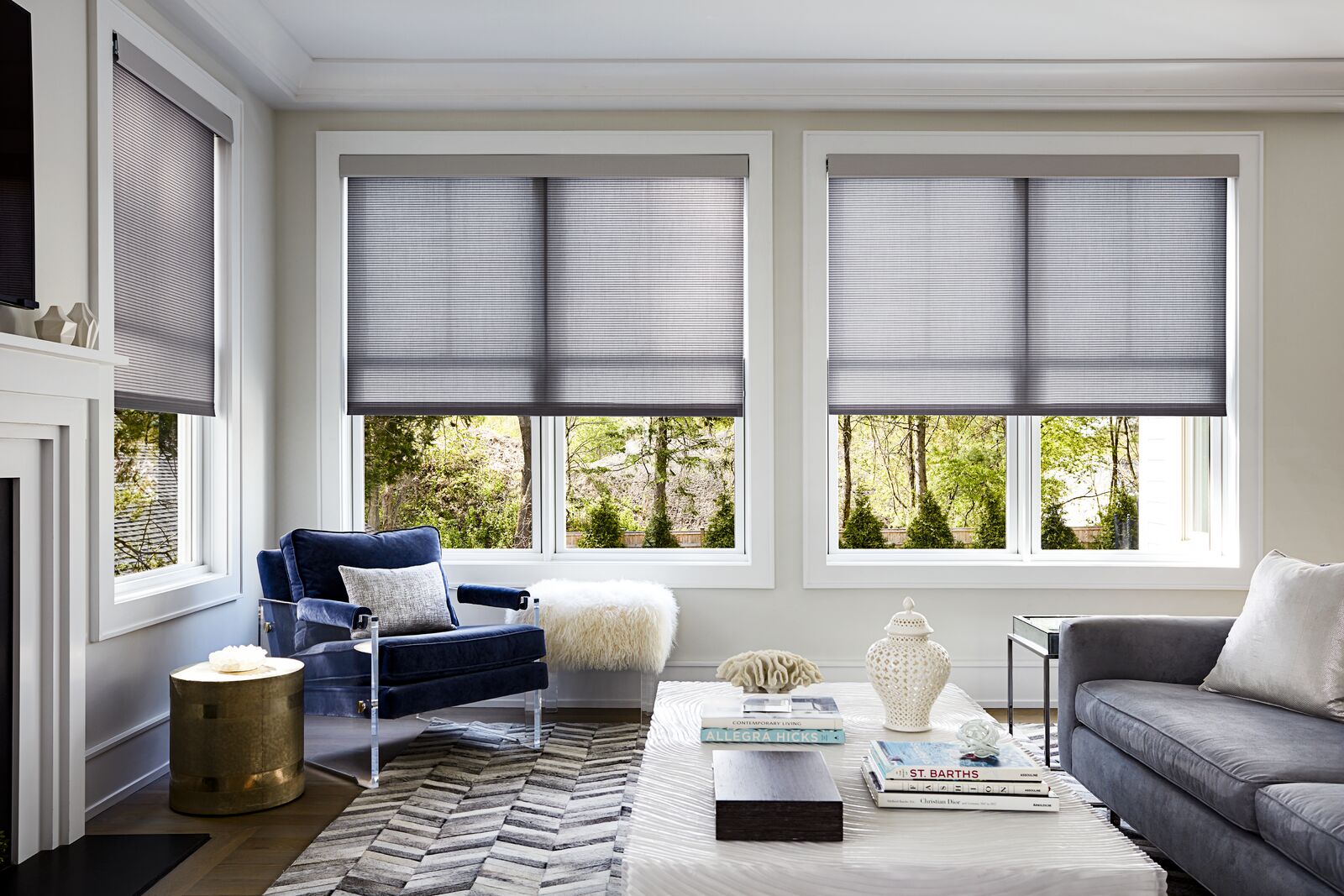
Solar shades are a top pick for retail because they can block a large portion of UV and glare while maintaining an “open” feeling.
What to look for:
- Openness factor (lower openness = more glare reduction; higher openness = more view)
- Color (darker fabrics usually reduce glare better; lighter fabrics can feel brighter)
- Where the sun hits (midday front glare vs. afternoon side glare changes the plan)
If you want a primer on how UV protection works, cross-reference our guide: UV protection window shades.
World Wide Shades can help you pick the best openness for a retail storefront so your window display stays visible from the sidewalk. Start here: Build a custom quote.
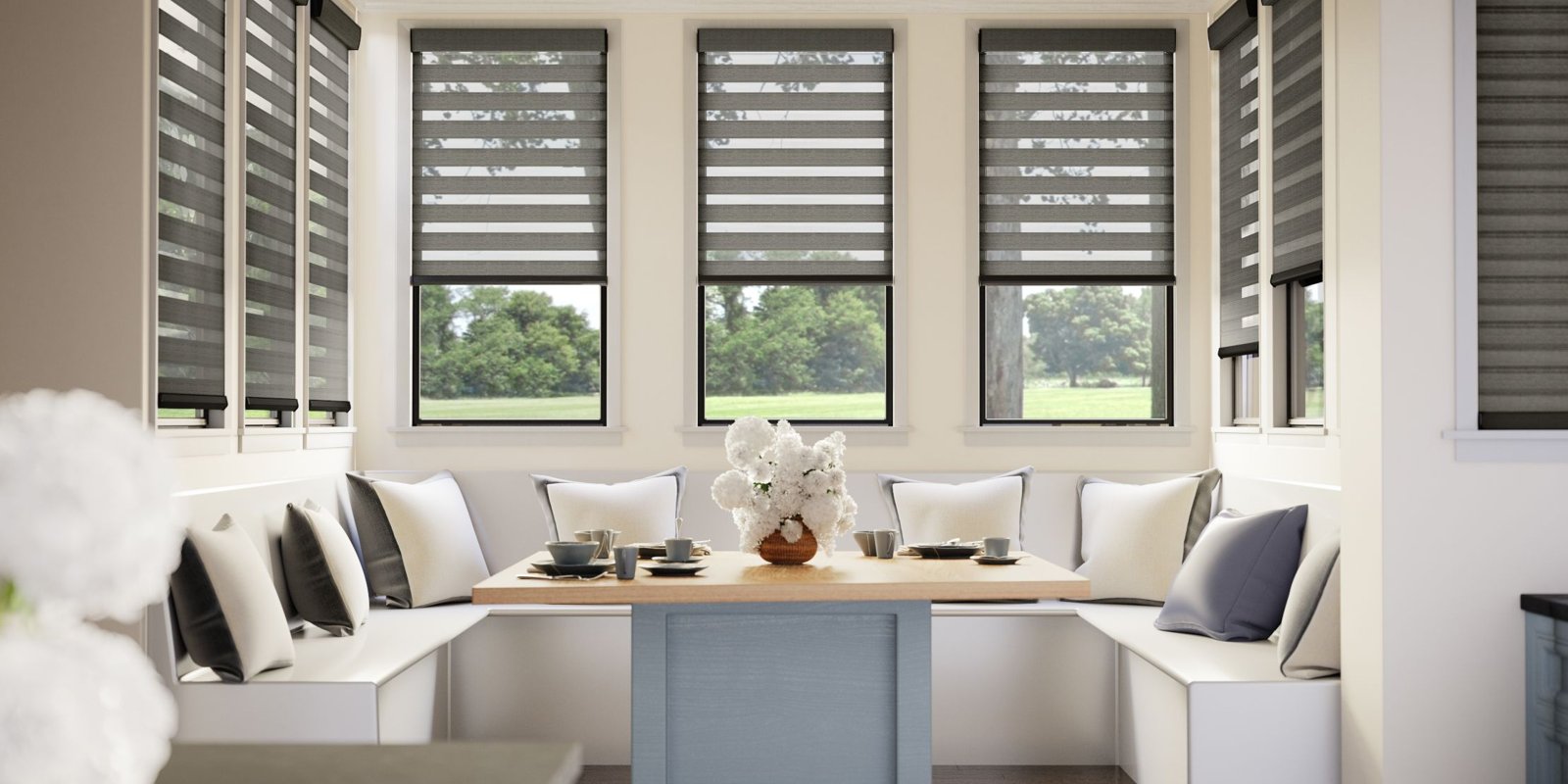
Light-filtering fabrics soften harsh sun and create a consistent, flattering interior light. Many boutiques prefer this because it improves the way color and texture look in-store.
These are a strong option when:
- You want a bright showroom without hard shadow lines
- Your displays are close to the glass
- Staff work near the windows and deal with glare all day
For a deeper breakdown of light-filtering performance, see: Light filtering shades guide.
Blackout is rarely the “all day” storefront answer, but it can be the perfect solution for:
- After-hours privacy and security (especially if you store high-value items)
- Back-room or fitting room glare control
- AV areas (screens, digital signage, photo/video corners)
If you’re weighing blackout options, compare with this article: Blackout curtains vs blackout shades.
World Wide Shades can design a dual approach: view-preserving fabrics for daytime plus blackout coverage where you truly need it. Ask us about that setup: Contact us or call (844) 674-2716.
Placement strategy: where shades deliver the biggest retail ROI
A lot of retail owners default to “shade every window the same.” It’s simple, but it’s not always best.
Start by identifying:
- Which windows get direct sun (morning, midday, or afternoon)
- Which displays are within a few feet of that glass
- Which products are most fade-sensitive (dyes, leather, printed packaging)
Then treat those zones first. You’ll often get most of the protection and comfort with a smaller, smarter shade plan.
Glare isn’t just annoying. It affects productivity and can drive staff to rearrange your merchandising in ways you didn’t intend.
If your POS area gets sun glare, shades can reduce eye strain and help staff see screens clearly.
Openness factor explained for retailers (in plain language)
Openness factor is one of the most important retail shade decisions because it controls the trade-off between “see out/see in” and “block glare.”
- Lower openness: better glare control + more privacy, less visibility
- Higher openness: more visibility, less glare control
Most retail stores choose a middle ground for the main storefront and adjust for problem areas (like western sun).
World Wide Shades can help you choose an openness that keeps your store feeling open while protecting inventory. To get suggestions based on your window sizes and goals, start here: Use the shade builder.
Heat control: keeping shoppers comfortable without killing natural light
Hot sun through glass can make your store uncomfortable fast, especially near displays and checkout.
Shades help by reducing:
- Radiant heat near the window
- Glare that makes the store feel harsher
- Temperature swings that push your HVAC harder
If you want a bigger picture on energy savings, these two posts complement retail decisions:
Even in a retail setting, lowering peak heat by a few degrees can keep customers in the space longer, which can lift conversion.
Security and after-hours privacy: what retailers get wrong
Retail security is not only about locks and cameras. It’s also about reducing the “window shopping” criminals do after hours.
Many stores run:
- Daytime: solar or light-filtering shades for visibility + comfort
- Evening close: close down to a lower position to limit visibility into storage and displays
- Night: blackout coverage in high-value zones or street-facing glass where needed
World Wide Shades can recommend a setup that fits your security priorities and your brand aesthetic. Contact our team and we’ll talk it through.
Branding and aesthetics: shades should look intentional from the street
Retail customers notice your storefront details. Shades that look like an afterthought can hurt perception.
To keep your storefront clean:
- Match shade color to your brand palette or wall tone
- Pick a uniform hem and hardware style
- Use the same mounting style across a row of windows
If you’re considering finishing details, browse this design-focused guide: Roller shade valance options.
Some fabrics make light feel cool and clinical; others make it warm and inviting. This matters if you sell apparel, home goods, or anything color-sensitive.
For general color planning, use: Window shades color guide.
Measuring and installing shades in a retail environment
Retail stores have real constraints: limited downtime, customers coming in, and lots of glass.
Accurate measurements are the difference between “custom and polished” and “almost fits.” If your team is measuring in-house, follow a clear, documented measuring process and double-check every opening.
Most retailers install during:
- Early morning before opening
- After close
- A slow weekday window
World Wide Shades can help you plan measurements and ordering so you don’t have to redo anything. Start your build and we’ll guide you from there.
Maintenance and cleaning: what’s realistic for retail
Retail shades need to look good even with daily use.
Tips that actually work:
- Choose fabrics that wipe clean easily in high-touch areas
- Set staff guidelines for raising/lowering (avoid “yanking”)
- Schedule light cleaning as part of regular merchandising reset
Cost factors for retail store window shades
Retail owners often want a fast number, but cost depends on decisions you can control.
Key cost drivers:
- Window size and quantity
- Fabric type (solar vs light-filtering vs blackout)
- Hardware upgrades
- Manual vs motorized operation
If you’re budgeting for multiple windows, our general pricing guide can help: How much do custom roller shades cost?.
World Wide Shades can also help you plan a phased approach (start with high-risk UV zones first, then expand). Contact us if you’d like a recommendation.
FAQ: retail store window shades
Not if you choose the right fabric and openness. Solar and light-filtering fabrics can reduce glare and UV while still letting people see your displays and activity.
Not always. Many retailers use blackout only for after-hours privacy, storage visibility reduction, or high-value zones. A mixed approach is common.
Yes. UV-reducing fabrics and smart placement can significantly reduce UV exposure while keeping your space bright and welcoming.
Motorization is useful when you have tall glass, multiple windows, or a daily open/close routine. It helps staff keep shades consistent and avoids uneven wear.
Use the online shade builder to price out your windows, order swatches to confirm the look, or contact World Wide Shades for help choosing the right retail setup.