Transitional style is the sweet spot between traditional warmth and modern simplicity. It’s not fussy, not cold, and it doesn’t rely on one trendy look. The challenge is that window treatments can easily push a room too formal (heavy drapery) or too stark (flat, shiny shades).
This guide breaks down how to choose window shades that feel perfectly transitional: clean lines, soft texture, and a palette that plays nicely with both classic and contemporary finishes. When you’re ready to build your exact look, you can design it in the World Wide Shades builder and fine-tune your fabric choice with World Wide Shades swatches.
What is transitional style (and why window shades matter so much)?
Transitional interiors mix two ideas:
- Classic structure: traditional silhouettes, gentle curves, warm woods, and layered comfort
- Modern restraint: cleaner lines, fewer patterns, and more negative space
Window shades sit at eye level and cover a large surface area. That means the wrong shade fabric can make the room feel:
- Too modern (slick, bright white, overly minimal)
- Too traditional (busy patterns, heavy pleats, ornate hardware)
The right roller shade or soft shade acts like a “quiet background” that ties both sides together.
CTA: If you want help choosing the right balance, contact World Wide Shades or call (844) 674-2716.
The best window shade types for transitional homes
Transitional design is flexible, so several shade types can work. The key is choosing a style that supports calm, layered simplicity.
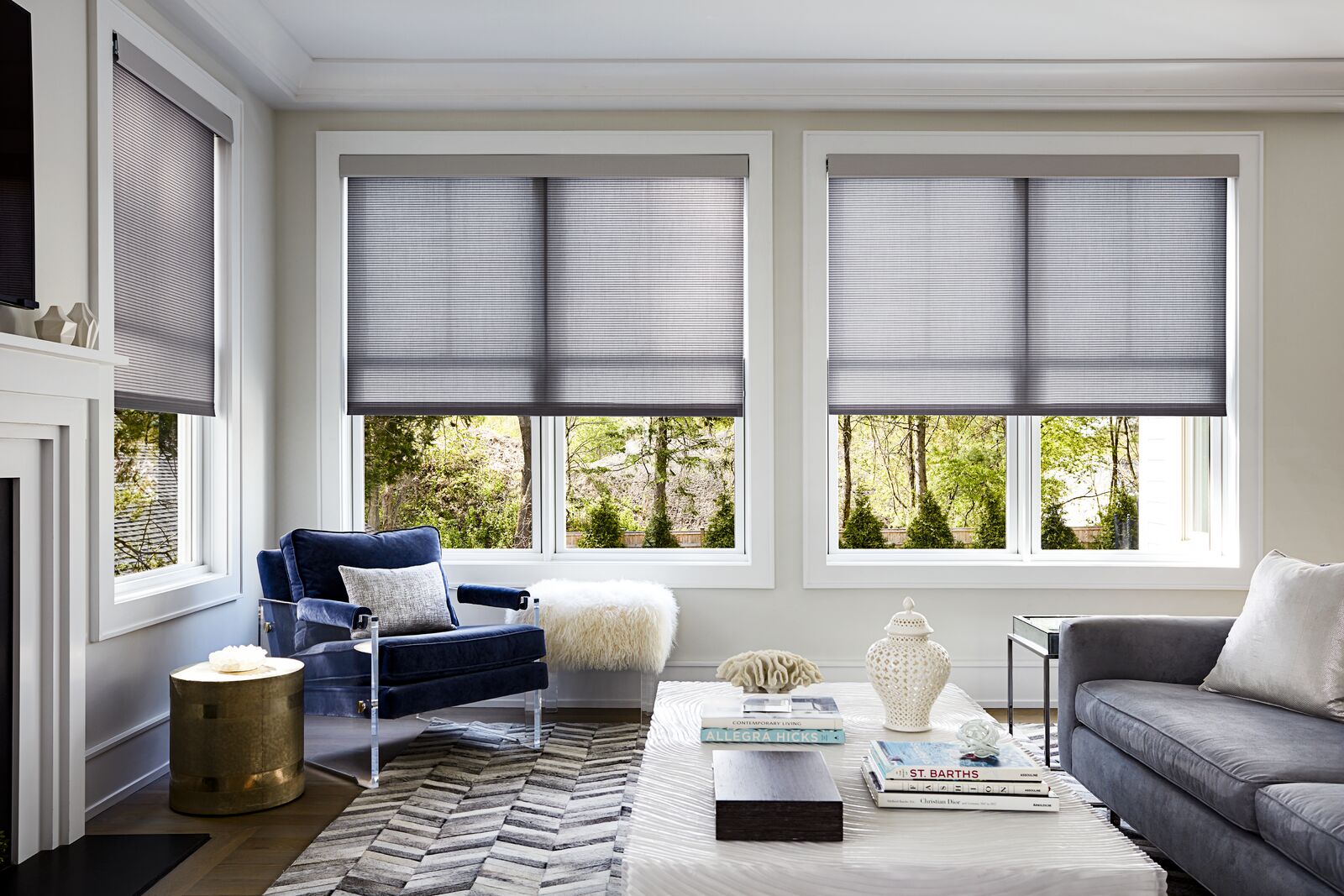
Roller shades are a transitional favorite because they’re streamlined and easy to pair with other elements like drapery panels or decorative rods.
To keep roller shades from looking too modern, choose:
- Matte finishes (avoid shiny vinyl looks)
- Subtle texture (linen-look or soft slub)
- Warm neutrals rather than icy whites
If you’re comparing styles, see Roller Shades vs Roman Shades.
Roman shades naturally lean classic. To keep them transitional:
- Choose a simpler fold style
- Stick to solids or quiet textures
- Avoid high-contrast, traditional patterns
Roman shades can be especially beautiful in dining rooms, bedrooms, and sitting rooms.
Woven woods can look transitional when they’re not too rustic. Look for cleaner weaves and neutral tones. For deeper guidance, read Woven Wood Shades Guide.
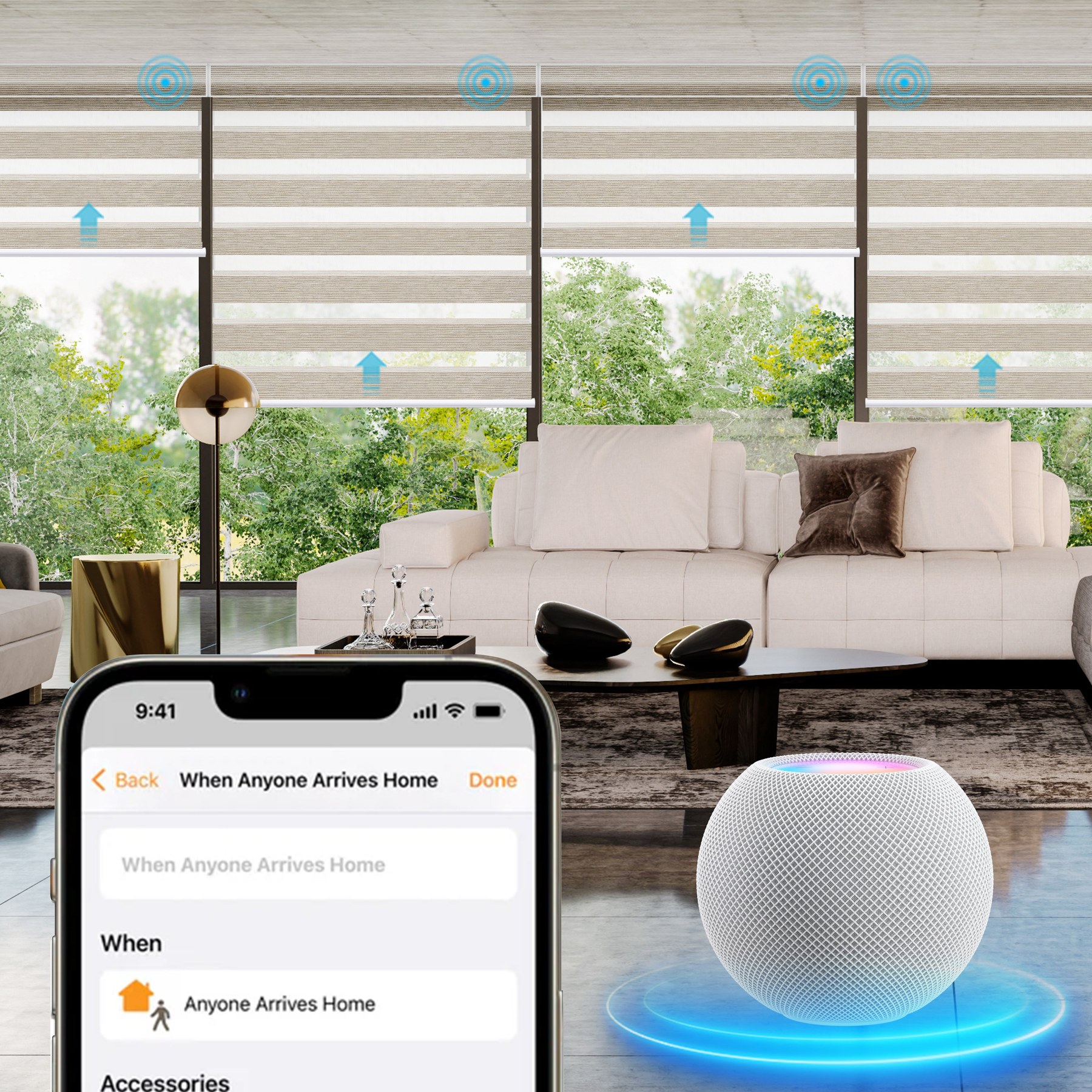
Automation is one of those “modern” upgrades that works in any style if the fabric is right. If you want motorized shades that still feel warm and transitional, start with a textured neutral and add smart controls.
See setup ideas in Smart Home Motorized Shades Setup and compatibility tips in Motorized Shades: Alexa and Google Home.
CTA: Want a transitional look with modern convenience? Build a motorized option with the World Wide Shades builder.
Transitional shade fabrics: what looks timeless in 2026
In 2026, transitional homes are leaning into softness and texture, but without going rustic.
A linen-look fabric is the fastest way to make a shade feel “designed” rather than generic. It adds depth and pairs well with both:
- Traditional furniture shapes
- Modern clean-lined sofas
Transitional homes often prioritize a bright, airy feel. Light-filtering fabrics help keep rooms comfortable without turning them into caves.
If you’re deciding between light-filtering and blackout, start with Light Filtering Shades Guide and compare sleep-focused needs in Best Window Shades for the Bedroom.
Blackout doesn’t have to feel heavy. The trick is choosing a blackout fabric with subtle texture and a color that complements the room’s palette.
For a deeper sleep-first breakdown, read Blackout Curtains vs Blackout Shades.
CTA: If your bedroom needs blackout but you still want a transitional look, contact World Wide Shades or call (844) 674-2716.
Best transitional color palettes for window shades
Transitional color is about harmony. These combinations are reliable, flexible, and popular right now.
Warm whites look crisp but not clinical. They pair well with classic trim and also work in modern, open layouts.
These tones read cozy and high-end, especially with texture. They also match both warm woods and cooler stones.
Greige is a useful “bridge” if you have mixed finishes—like warm wood floors with cooler countertops or tile.
If you want more help picking undertones, reference Window Shades Color Guide.
CTA: Unsure between two neutrals? Compare them in your space with World Wide Shades swatches.
Should transitional homes layer shades with curtains?
Often, yes—but it depends on the room.
Layering is most effective when you want:
- Softness around the window
- Better sound absorption
- A more finished, “designer” look
A common transitional formula:
- Roller shade for daily light control
- Simple drapery panels on the sides for softness (often stationary)
In kitchens, bathrooms, and many home offices, a single shade is usually the cleaner solution.
If you’re working with a rental or want simpler installs, see Roller Shades for Rental Apartments.
Room-by-room transitional shade ideas
The living room is the heart of transitional style: comfortable, layered, and calm.
Great options:
- Linen-look roller shades in warm white, oatmeal, or taupe
- Light-filtering fabrics for daytime privacy
- Optional side panels in a solid, textured weave
If your living room is your main gathering space, also consider durability and easy operation. For a high-level pick list, see Best Roller Shades for Living Rooms.
CTA: Build a living-room set in the World Wide Shades builder and keep the same fabric across multiple windows for a cohesive look.
Transitional bedrooms usually aim for hotel-like calm. Best picks:
- Soft taupe or mushroom tones
- Blackout if sleep matters
- Cordless or motorized operation for clean lines
For safety-focused households, review Child-Safe Window Treatments.
Dining rooms can handle a bit more richness and texture. Consider:
- Slightly deeper neutrals (taupe, warm greige)
- Layering with simple drapery panels
- A valance for a tailored finish in more formal spaces
For finishing ideas, see Roller Shade Valance Options.
These rooms need practicality. Transitional kitchens and baths often do best with:
- Smooth matte neutrals
- Easy-clean performance fabrics
- Light filtering for brightness
See detailed recommendations in Roller Shades for Kitchen and Bathroom.
If you work from home, you want flattering light and less glare. Light-filtering shades in warm neutrals are a strong transitional choice.
For remote-work specifics, see Best Window Shades for a Home Office.
Common mistakes that make transitional window shades look “off”
Bright whites can look modern, but they can also feel cold in transitional rooms. A warmer white usually looks more expensive.
Shiny materials fight the soft, layered vibe of transitional style. Choose matte textures instead.
Transitional homes can use pattern, but window shades are usually better as a calmer base. If you want pattern, bring it in through rugs, pillows, or art.
Function impacts how a room feels. If the room needs darkness, choose blackout construction. If privacy is the goal, choose the right openness and layering.
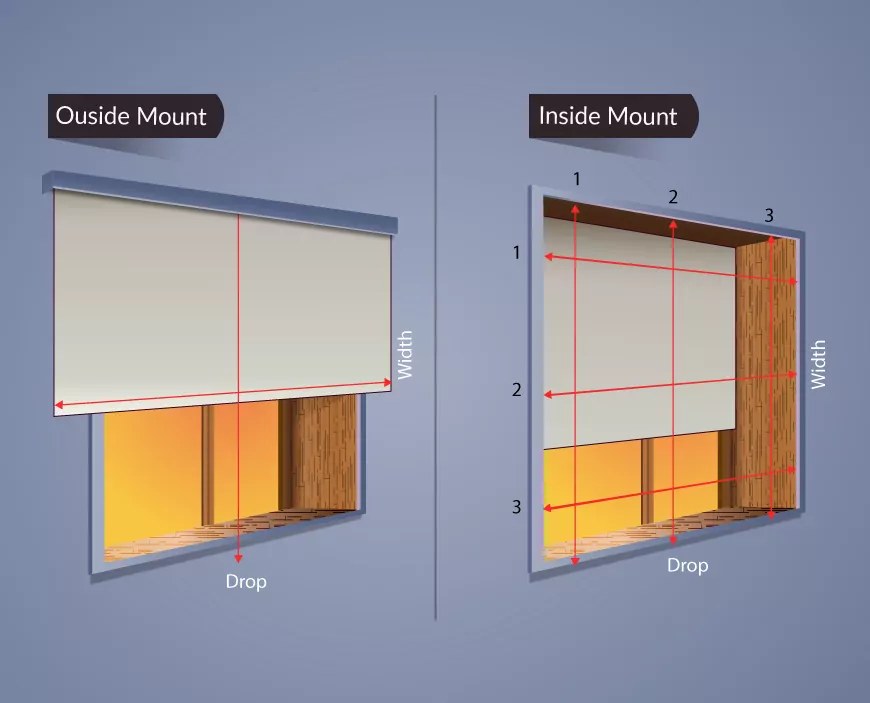
For installation and fit basics, read How to Install Roller Shades.
CTA: If you want someone to sanity-check privacy vs. light control, reach out to World Wide Shades or call (844) 674-2716.
FAQs about window shades for transitional style homes
Roller shades can look very transitional when you choose matte fabrics with subtle texture and warm undertones. Pairing them with simple drapery panels can add softness without losing clean lines.
A consistent linen-look roller shade in a warm neutral (warm white, oatmeal, light taupe) is usually the safest and most cohesive.
It depends on the room. Living spaces often feel best with light filtering for brightness, while bedrooms benefit from blackout for sleep.
Not if the fabric is right. Motorization is a convenience feature; the shade’s color and texture do the styling work.
Bring transitional balance home with World Wide Shades
Transitional style is all about balance: clean lines plus softness, timeless choices plus modern comfort. The right window shades should support that—quietly.
Start by designing your look in the World Wide Shades builder, compare options with World Wide Shades swatches, and reach out through World Wide Shades contact if you want help matching fabrics to your exact finishes.