A beach house is brutal on window treatments. Salt air corrodes hardware. UV is intensified by ocean reflection. Sand gets into every mechanism. Humidity warps wood and rusts metal. And if the house is a vacation rental, the shades cycle 100+ times per week instead of the typical 5–10 in a primary residence.
Standard roller shades from a big-box store rarely survive their first full season at the shore. World Wide Shades customers in coastal markets — Jersey Shore, Hamptons, Cape Cod, Outer Banks, Gulf Coast, Florida coastal — consistently report the same lesson: spending more upfront on the right hardware and fabric saves you 3–4 shade replacements over a decade.
This guide breaks down what actually matters for beach house shades, and what to skip.
The four forces that destroy beach house shades
Salt aerosol travels inland up to 5 miles in coastal climates. It coats every horizontal surface, including window hardware, with a thin layer of sodium chloride. Combined with humidity, this creates an active corrosion environment 365 days a year.
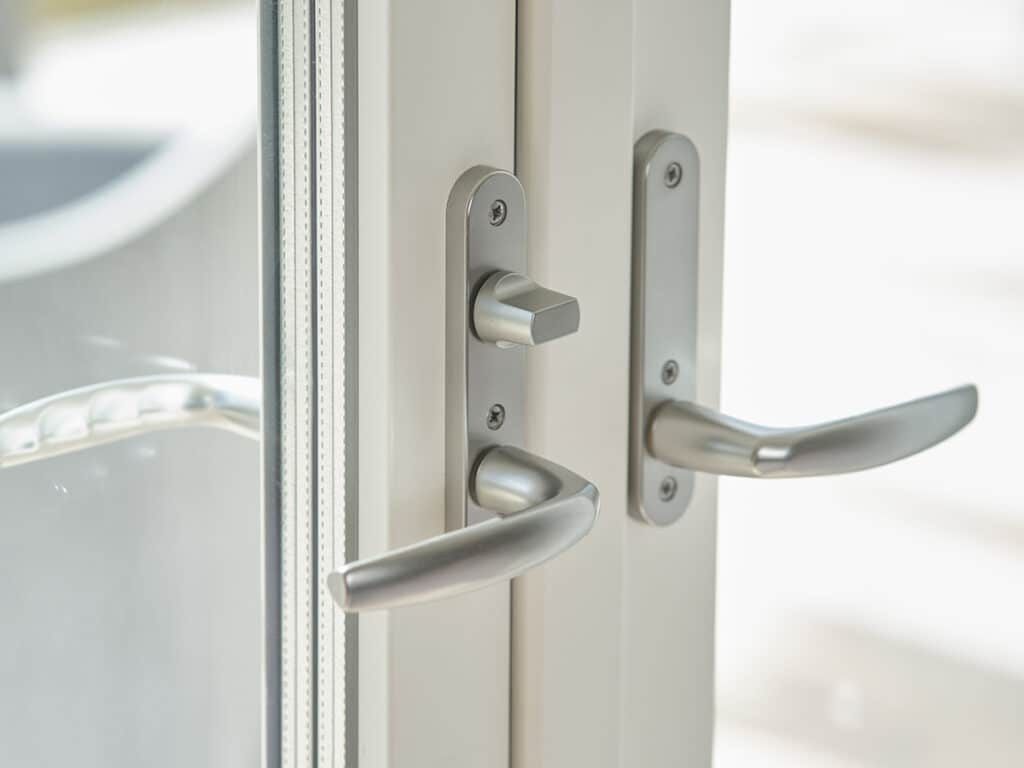
Standard steel brackets rust through within 12–24 months at the shore. Standard aluminum brackets corrode within 3–5 years. World Wide Shades offers marine-grade 316 stainless steel brackets specifically for coastal homes — these last 15–20+ years with no surface degradation.
Sunlight reflected off water hits south- and east-facing beach house windows at roughly 1.4x the intensity of inland sun. Fabrics that hold their color for 7+ years inland may fade noticeably within 2–3 years at the shore.
Solar-grade UV-resistant fabrics from World Wide Shades are tested for 5,000+ hours of accelerated UV exposure — equivalent to 7–10 years of coastal direct sun before noticeable fading. Pair this with our UV protection window shades guide for full fabric specs.
Coastal humidity averages 75–85% year-round. This causes natural fiber fabrics (linen, cotton, jute) to absorb moisture, warp, and grow mold. It also warps wood headrails and rusts metal mechanisms.
For shore homes, synthetic fabrics — polyester, vinyl, coated-polyester — are dramatically more durable than natural fibers. See our polyester vs vinyl vs PVC fabric comparison for specific fabric guidance.
Every time someone walks into the house from the beach, they bring sand. Sand gets into roller tube mechanisms, into chain operators, into bottom-rail tracks. Each grain is microscopically abrasive. Over months, this wears down moving parts.
Sealed motor housings and cassette headrails block sand from entering the mechanism. World Wide Shades offers fully enclosed cassette designs specifically for coastal homes.
What to look for in beach house roller shades
Not 304 stainless — 316. The two grades look identical but 316 has higher molybdenum content, which prevents salt-pitting corrosion. 304 stainless will rust at the shore within 3–5 years. 316 stainless will not.
World Wide Shades uses 316 stainless brackets and chain hardware as standard for any shade ordered to a coastal zip code.
Both materials are essentially impervious to humidity, salt aerosol, and most coastal weathering. They wipe clean with a damp cloth — perfect for sand and salt residue. Natural-look polyester from World Wide Shades mimics linen texture without the durability problems.
Look for fabrics specifically rated for solar exposure — usually marked as "solar fabric" or "outdoor-rated" by the manufacturer. World Wide Shades solar shade fabrics carry GREENGUARD UV-resistance certifications.
A cassette covers the roller tube and headrail mechanism in a sealed aluminum housing. Sand and salt can't enter. The shade looks cleaner from below too. Worth the $30–$60 per window upgrade for any beach house.
Beach houses often have tall windows, sliding glass doors, and other hard-to-reach openings. Battery motorization beats hardwired here because:
- No exterior wiring to corrode
- Solar-panel accessories take advantage of intense coastal sun
- Easier to retrofit existing beach houses
See our battery vs hardwired motorized shades guide for full motorization specifics. For coastal smart-home setup, our Apple HomeKit roller shades guide covers integration.
Some World Wide Shades fabrics include factory-applied anti-microbial treatments that prevent mold growth in humid coastal climates. Especially valuable in bathrooms, laundry rooms, and any window without consistent air conditioning.
Beach house shade configurations by window orientation
Morning sun is the gentlest exposure. A 5% solar shade in a warm neutral fabric handles east-facing windows beautifully. Light filters in for morning coffee on the deck. UV protection prevents furniture fade.
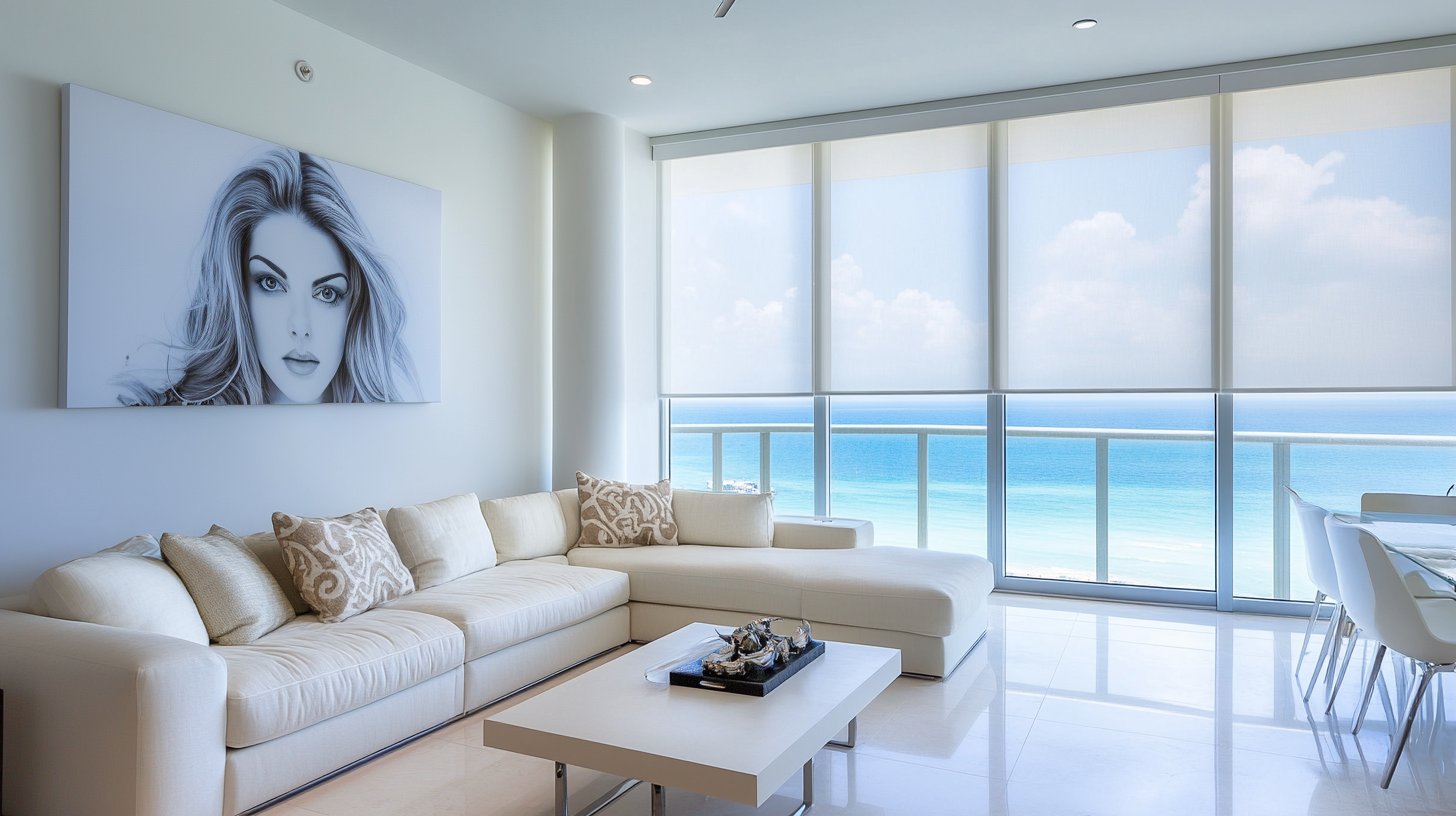
South-facing windows take the heaviest sun. Choose a 3% solar shade in a darker fabric (charcoal, graphite, deep oat) for maximum heat rejection. Pair with a layer of natural-linen-look fabric inside for cooler evenings.
The most punishing exposure. West-facing beach house windows can hit 130°F+ on a summer afternoon. Choose a 1% or 3% solar shade in the darkest color you can stand — graphite or charcoal — and consider motorized automation to lower the shade automatically at 3 p.m. on hot days.
Our smart home shade scenes guide covers afternoon-close automations in detail.
North-facing beach house windows take the least UV abuse. You can use lighter, more decorative fabrics here — natural linen-look fabrics, openness up to 10%, anything that maintains the view of dunes or marsh. World Wide Shades offers white, oat, and sand-colored fabrics specifically for north-facing coastal rooms.
Beach house shade maintenance schedule
A simple maintenance routine extends shade life by 5+ years:
- Wipe down headrails and brackets with fresh water, then dry
- Vacuum hembar and roller tube with brush attachment
- Full shade wipe-down with damp cloth (mild dish soap if needed)
- Check brackets for any visible corrosion (rare with 316 stainless, but worth confirming)
- Test motorized shades for any sluggishness or noise change
- Deep clean fabric per manufacturer specs (most synthetic fabrics handle gentle hand-washing or wipe-down)
- Lubricate any roller mechanisms per World Wide Shades care instructions
- Charge or replace batteries on motorized shades
- Inspect for any sun-fade and rotate shades between rooms if some windows fade faster than others
This routine takes about 1 hour per shade per year. Worth it.
Specific shade picks for different beach house situations
Premium fabrics, marine-grade hardware, full motorization. Spend up. You'll use these shades 5–10 cycles per day and they need to last.
Mid-tier fabrics, marine-grade hardware, optional motorization. Most cycle wear happens in 4–5 months per year, so durability requirements are lower.
Highest-cycle environment. Premium hardware (marine-grade 316 stainless) and ultra-durable vinyl or coated-polyester fabric are critical. Cassette headrails essential to prevent guest tampering with internal mechanisms.
Add storm-shutter coordination. Roller shades go inside the storm shutters. World Wide Shades can coordinate sizing with major storm shutter brands. Mount points should be drilled through framing, not just drywall — important for storm-rated installs.
For Florida-specific cleaning and storm considerations, our pet-friendly window treatments guide covers similar high-durability use cases.
Beach house shade cost expectations
Coastal-grade roller shades from World Wide Shades typically run:
- Standard manual roller, marine-grade hardware: $200–$450 per window
- Solar shade with UV-rated fabric, marine hardware: $250–$550 per window
- Motorized with marine hardware, no solar: $400–$750 per window
- Motorized with solar accessory and full automation: $500–$900 per window
- Cassette headrail upgrade: +$50–$100 per shade
- Side channels for blackout sealing (bedrooms): +$80–$150 per shade
Total for a typical 12-window beach house with mixed configurations: $4,000–$8,500. For a project-specific quote, call (844) 674-2716 or use /contact.
Common beach house shade mistakes
The single biggest mistake. Standard hardware will corrode, standard fabric will fade, and you'll replace the shades in 2–3 years anyway. Spend up once for marine-grade and save long-term.
White fabric reflects light back into the room, which causes glare but does almost nothing for heat. Darker fabrics absorb heat at the window. For west-facing beach houses, dark fabric is the right call.
$50–$100 per shade. Adds 5+ years to mechanism life by sealing out sand and salt. Worth it.
A $50–$80 solar panel keeps the battery topped up indefinitely. South- and east-facing beach windows have plenty of sun for this.
Beach houses get wind. Window frames get racked. Always mount brackets into framing or into a structural lath behind drywall. World Wide Shades can spec mounting hardware for any wall construction.
Linen, cotton, jute — beautiful in living rooms, disastrous in coastal bathrooms. Stick with synthetic fabrics anywhere humidity is high.
FAQs: beach house roller shades
Yes. Standard inland shades typically last 7–10 years. At the shore, they often need replacement within 2–4 years unless you upgrade to marine-grade hardware and synthetic fabrics. World Wide Shades coastal-grade shades typically last 10–15+ years.
For high-humidity environments (bathrooms, laundry, full-time air conditioning off), vinyl is more durable than natural fabric. For dry living-room conditions with consistent climate control, polyester or coated-polyester is the sweet spot — better look, similar durability.
Choose synthetic fabrics, run dehumidifiers in shoulder seasons, and follow the quarterly cleaning schedule. World Wide Shades anti-microbial fabric treatments add additional protection.
Yes — especially battery-powered with solar accessories. The solar panel keeps the battery topped up indefinitely in coastal sun. Battery motorization also eliminates concerns about salt-corroded wiring.
A 3% solar shade in a darker color (charcoal, graphite, or deep oat). This rejects 75–85% of solar heat while preserving the view. Lighter colors look cooler but reject less heat.
Generally no. Lower them before the storm hits to prevent fabric damage from cracked windows. Better practice: lower them to 50% to prevent both wind battering and full-fabric exposure if a window breaks.
Often, yes. Beach houses tend to have rooms with very different orientations (sunrise rooms, sunset rooms, north-facing utility rooms). The right shade varies by room. World Wide Shades consultants can plan a whole-house configuration.
Ready to spec your beach house roller shades?
World Wide Shades offers coastal-grade custom roller shades with marine-grade 316 stainless hardware, UV-rated fabrics, and full motorization options. To get started:
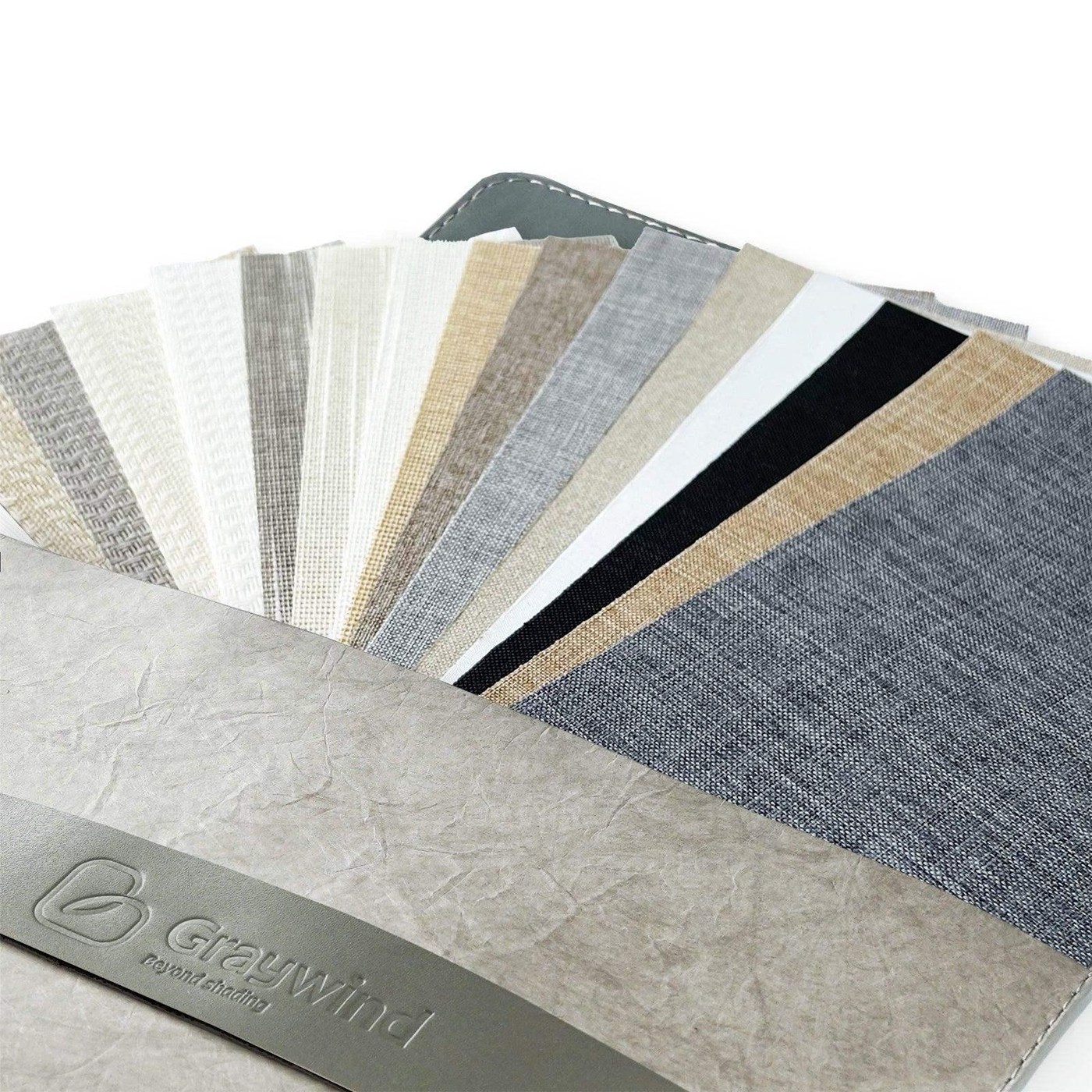
- Browse coastal-friendly fabrics in our swatches gallery.
- Configure your shades in the online builder.
- For project planning or marine-grade specs, call (844) 674-2716 or reach us at /contact.
World Wide Shades helps you build a beach house shade system that survives salt, sun, sand, and time.