A motorized roller shade is only as good as the automation it runs. Most homeowners use the app for a week, then never open it again — and the shades go back to being expensive manual blinds. That's not the goal.
The goal is to set up scenes and triggers once, then never think about them. Light, temperature, glare, and privacy get handled in the background. Across the World Wide Shades customer base, the homes that love their motorized shades the most are the ones running 5–10 small automations they set up in the first month.
Here are the 10 that matter, in order of how often they get used.
1. Sunrise wake-up scene
A gentle 30-minute roll-up that starts 10 minutes before your alarm beats a blackout-room jolt awake. Set it to your latitude (sunrise time shifts in winter and summer) and it will follow the seasons automatically.
Most platforms support this:
- Apple Home / HomeKit: time-based automation with "starts at sunrise" trigger.
- Google Home: sunrise-relative routines via the Home app.
- Alexa: routines triggered on sunrise.
- SmartThings: more granular timing options and weather conditions.
The reason this works: human circadian biology responds to natural light far better than any sunrise alarm clock. If you've never tried it, this single automation is the one that changes how people feel about motorized shades.
For motor-and-fabric combinations that wake up quietly without buzzing, World Wide Shades offers ultra-quiet lithium-ion motors that run under 35 dB at the hembar. Call (844) 674-2716 or contact us for specifics.
2. West-facing afternoon close
Most homes have one or two windows that turn into a heat-and-glare oven from 3–6 p.m. in summer. A scene that lowers those shades to 70% closed at 2:30 p.m. on summer afternoons can drop interior temperature by 4–8°F and reduce HVAC runtime measurably.
The trigger pattern that works best:
- Time: 2:30 p.m. local time
- Conditions: outdoor temperature > 80°F and day of week ≠ heavy cloud cover
- Action: lower west-facing shades to 70% open (still lets light through)
- Reverse at sunset
For glare control without losing the view, a 3% or 5% solar shade fabric is the right pick. Read more in our solar shade openness guide and the energy-efficient window shades guide.
3. Movie-night blackout scene
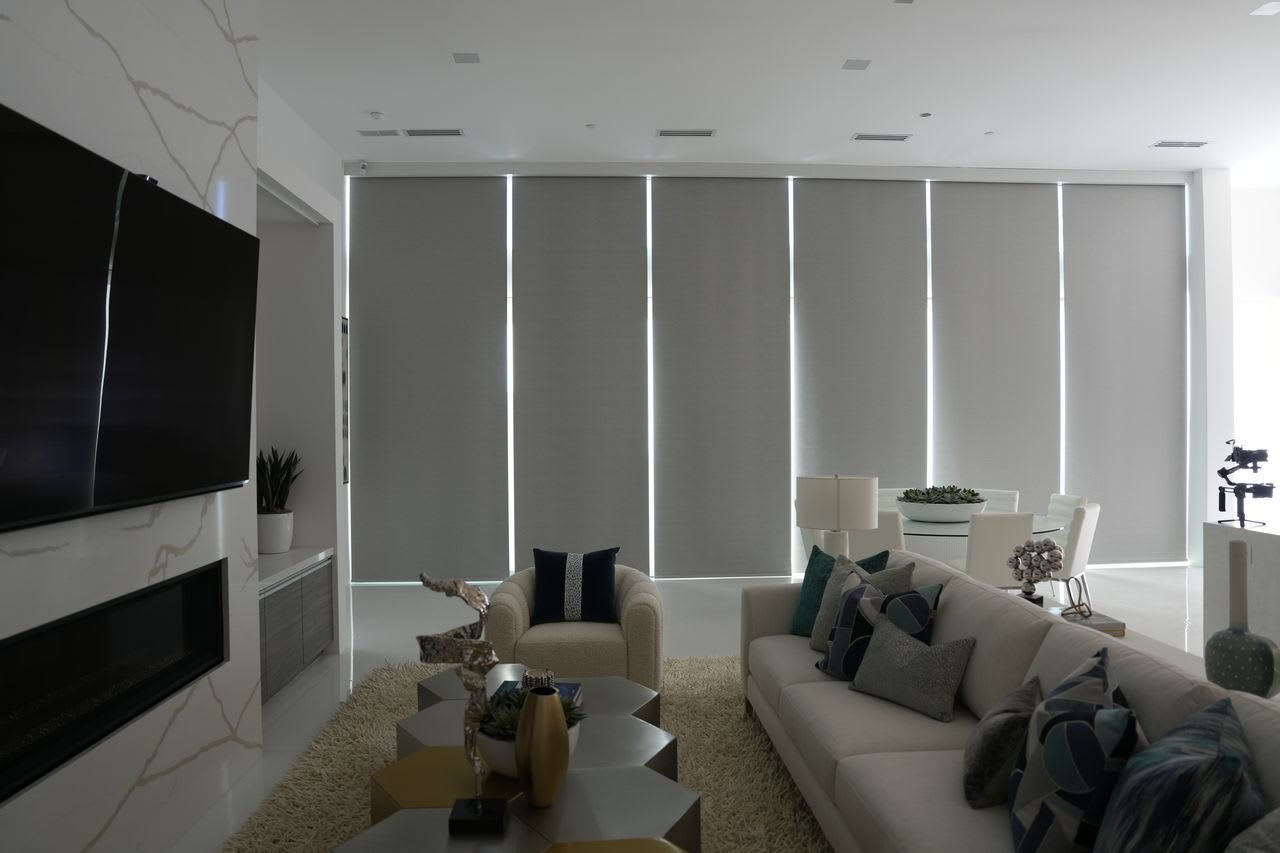
One button (physical button, voice command, or screen tap) that closes every shade in the media room to 100%, dims the lights to 15%, and turns the TV on. This is the scene that justifies motorized shades for many media-room buyers.
World Wide Shades blackout fabrics with side channels block over 99% of incoming light when properly sized — see our blackout shades vs blackout curtains comparison for the technical difference.
4. Away-mode privacy
When the last family member leaves for the day, street-facing shades drop to 50–60% to obscure interior views without making the home look fully closed up. This protects privacy without screaming "nobody's home."
Geofencing makes this seamless:
- Apple Home: "When the last person leaves home"
- Google Home: presence-based routines
- Alexa: home/away routines
Combined with light-filtering fabrics, this gives the impression of an occupied home from the street even when the house is empty.
5. Vacation random mode
When the family is away for a week or more, motorized shades can mimic occupancy by opening and closing on a randomized schedule. The pattern shouldn't be perfectly random — real people have habits. Best practice: shades raise around 7 a.m. local time (±20 minutes), drop around 9 p.m. local time (±30 minutes), and add one random midday adjustment.
This is more effective than a single timer-controlled lamp because shade movement is visible from the street and matches real human behavior.
6. Geofencing return-home scene
Pull into the driveway after dark and your living room shades raise to your evening setting, lights come on, and the smart lock unlocks. This is the scene that makes a house feel like it's welcoming you home.
The catch: motorized shades draw power and make some noise. Setting return-home scenes to only trigger after sunset prevents the system from running pointless cycles during the day.
For homes pairing World Wide Shades motors with Alexa, Google Home, or HomeKit, our motorized shade setup guide walks through the integration. Call (844) 674-2716 for help planning the system.
7. Temperature-triggered shading
The most underrated scene. Pair shade automations with a temperature sensor: if a bedroom hits 76°F before 3 p.m., close the south- or west-facing shade automatically. This passive cooling can save an estimated 8–15% on summer cooling costs in homes with substantial west or south exposure.
Required hardware:
- A temperature sensor in each room (or a smart thermostat with multi-zone sensors)
- A motorized shade on the offending window
- A smart-home platform that supports conditional automations
Both Apple Home and SmartThings handle this well. Google Home and Alexa support it through routines but with less flexibility.
8. Sun-tracking automation
Advanced setup, but worth it for homes with motorized shades on multiple exposures. The system reads the sun's position and adjusts shades throughout the day:
- East-facing shades partially close in the morning
- South-facing shades close in midday peak (summer only)
- West-facing shades close in the afternoon
- All shades raise after sunset for views
This requires a smart-home platform that supports sun-position triggers — SmartThings, Home Assistant, and Hubitat handle this best. Apple Home and Google Home offer simpler sunrise/sunset triggers, which work well for most homes.
9. Bedtime wind-down scene
Bedroom shades close fully, primary bath shades close, hallway lights dim, and the bedroom thermostat drops by 3°F. One scene. One trigger. The wind-down routine reinforces the sleep cue and makes the home feel intentional about rest.
For homes with kids, a separate "kids' bedtime" scene can run 90 minutes earlier on weeknights.
10. Storm and weather automations
If your smart-home platform supports weather conditions, you can trigger automations based on forecast:
- Close all shades when wind speeds exceed 30 mph (protects motors from rattling on loose windows)
- Close skylight shades when severe weather is forecast (see our skylight shades guide)
- Lower shades when hail or heavy rain is predicted (protects fabric from spray on cracked windows)
World Wide Shades customers in storm-prone regions — Gulf Coast, Florida, Tornado Alley — consistently report this as the automation that pays for itself the first time it runs.
Platform compatibility: what works with what
Most World Wide Shades motorized shades work with all four major smart-home platforms via Matter or Zigbee bridges. The simplest setups:
- Apple HomeKit: native HomeKit motors or Matter-over-Thread motors. Pair with an Apple TV or HomePod as the home hub. Our HomeKit setup guide covers full configuration.
- Google Home: Matter or Google-native motors, paired with Nest or Google hubs.
- Amazon Alexa: Zigbee, Matter, or Alexa-skill-based motors with an Echo hub.
- SmartThings: Zigbee or Matter motors with a SmartThings hub — best for advanced conditional automations.
For specifics on platform pairing, our Alexa and Google Home motorized shade guide explains hub requirements.
Common scene-setup mistakes
The five mistakes that turn motorized shades into expensive manual blinds:
- Too many scenes. Stick to 5–10 that you actually use. Delete the rest.
- Conflicting triggers. Two scenes trying to close the same shade at the same time creates erratic behavior. Audit triggers monthly.
- No physical override. Always keep a wall switch or remote available. Voice and app control fail; physical control should not.
- Ignoring battery life. Battery-powered motors drain faster with more automations. See our battery vs hardwired comparison.
- Not testing scenes after a system update. Every time the smart-home hub firmware updates, retest critical scenes. Things change.
Cost of motorized shades with full automation
A typical 8–10 window motorized World Wide Shades project runs $4,000–$8,000 installed depending on motor type, fabric, and window size. Adding scenes and automations costs no extra — those are software, and they're free.
For pricing, see our motorized roller shade cost guide. Or call World Wide Shades at (844) 674-2716 for a project-specific quote.
FAQs: smart shade scenes and automations
Start with 3–5 (wake-up, west-facing close, away-mode, bedtime, and one weather-triggered). Add more only when you find yourself manually adjusting a shade at the same time of day repeatedly.
Yes — temperature-triggered and sun-position automations can reduce summer cooling costs by 8–15% in homes with significant west or south exposure. Winter savings are smaller but still meaningful for blackout shades with side channels.
Sunrise wake-up. It's the one most World Wide Shades customers report using daily, even months after install.
Apple HomeKit (with a HomePod or Apple TV hub) and SmartThings (with a local hub) can run many automations offline. Cloud-only systems like older Alexa setups will pause automations during internet outages.
Brand apps work, but a smart-home platform (Apple Home, Google Home, Alexa, SmartThings) lets you combine shades with lights, thermostat, locks, and sensors for true automation.
Battery-powered motorized shades from World Wide Shades require no wiring and can be removed at move-out. See our condo HOA window shade approval guide for rental and HOA considerations.
Ready to set up smart shade scenes that actually work?
World Wide Shades offers motorized roller shades with full Apple Home, Google Home, Alexa, and SmartThings compatibility. To plan automations for your home:
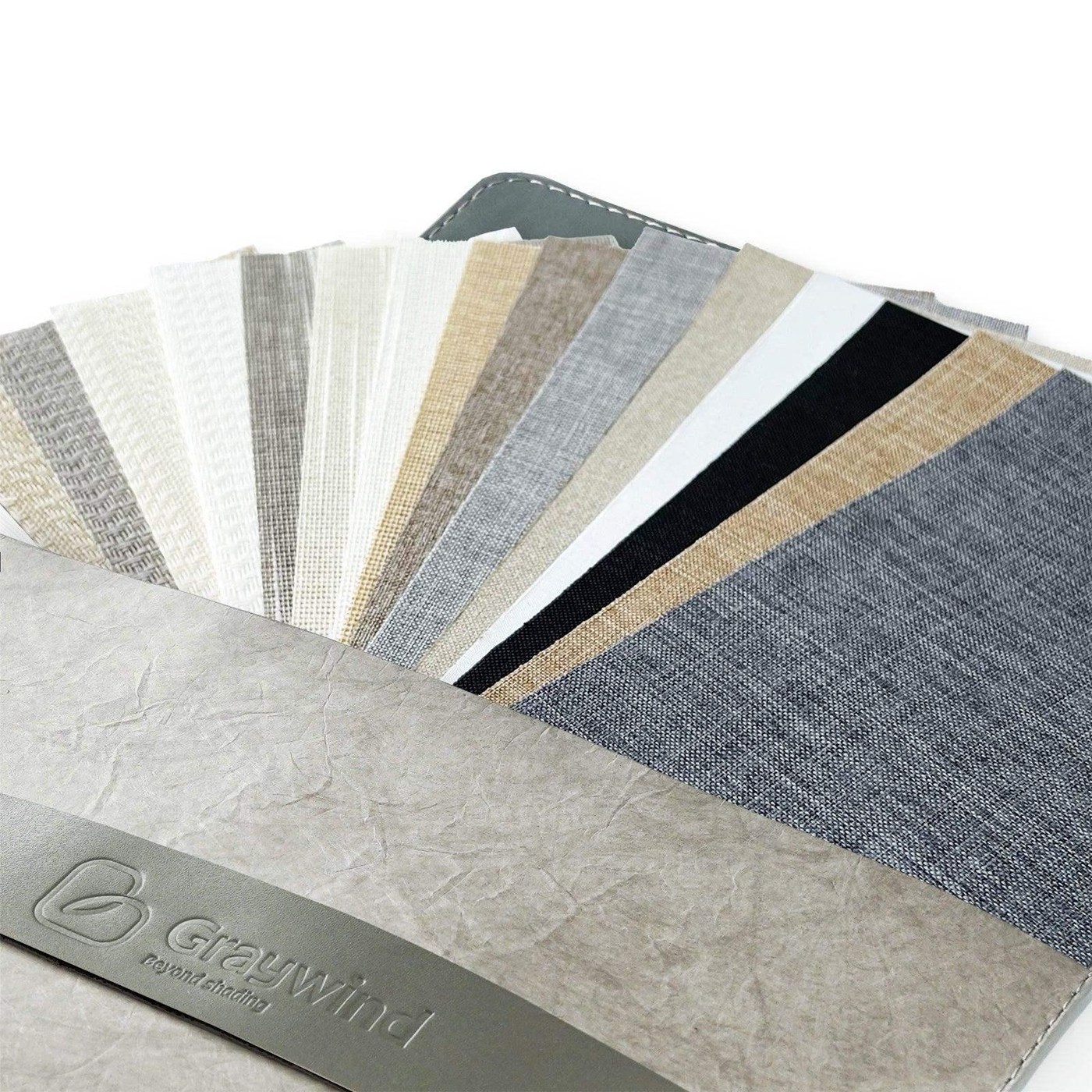
- Browse fabrics in our swatches gallery.
- Design your shades in the online builder.
- For automation planning or specific platform questions, call (844) 674-2716 or reach us via /contact.
World Wide Shades helps you build a motorized shade system that runs in the background and makes daily life smoother.