Why craft rooms need different window shades than “normal” rooms
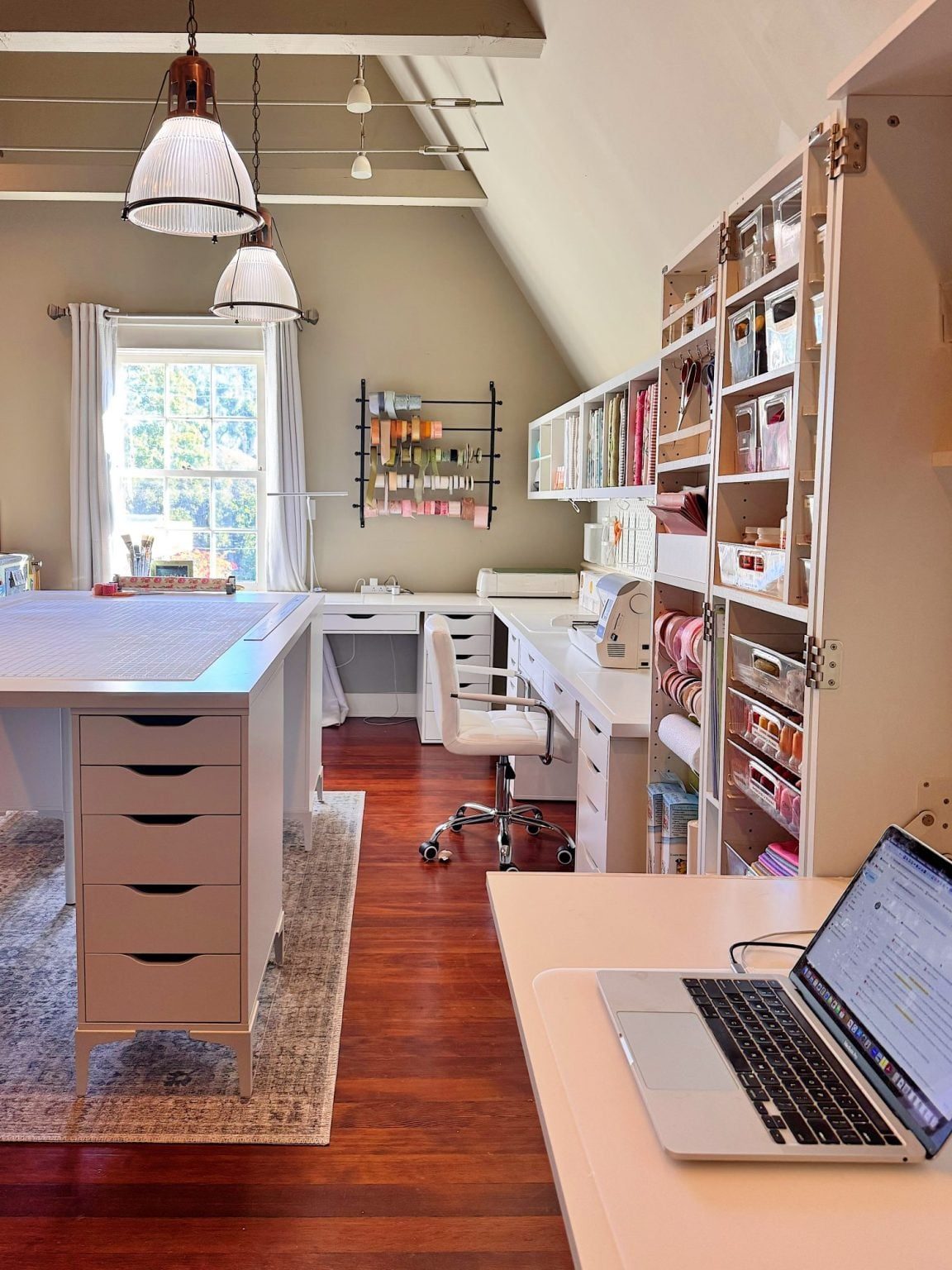
Craft rooms and hobby studios are part workshop, part storage, and part creative sanctuary. The “best” window treatment isn’t just about looking nice—it’s about protecting materials, controlling glare on fine-detail work, and keeping color perception consistent so your projects come out the way you intended.
Sunlight is both friend and enemy in a creative space. You want enough daylight to reduce eye strain and see true colors, but you do not want harsh hotspots, shifting color temperature, or UV exposure that fades fabric, paper, paint, and thread.
When you choose roller shades for a craft room, prioritize four outcomes:
- Color-true light (stable, soft daylight without severe color shift)
- UV protection (to reduce fading of materials and finished projects)
- Glare reduction (especially on cutting mats, glossy tools, and computer screens)
- Cleanability (because studios collect lint, glitter, and dust)
If you want help narrowing the perfect combination of openness, fabric type, and mount style, start with the World Wide Shades online configurator and build a shade around how you actually craft: Design your shades in the builder.
Start with the light you actually have: window direction and time of day
Before you pick fabrics, map your light conditions for one typical week.
These rooms usually need the most protection. Late afternoon sun can create intense glare and heat, and UV exposure is strongest.
- Prioritize solar/UV-screen fabrics (often measured by openness) or light-filtering fabrics with strong UV reduction.
- Consider dual shades (a screen layer for daytime + a privacy/room-darkening layer for evenings).
For more on managing sun intensity, read: Best Shades for South-Facing Windows and UV Protection Window Shades.
North light is typically more even—great for color work.
- Light-filtering fabrics can be enough, focusing more on glare control and privacy.
- If you do photography or color matching, you may prefer higher openness screens to maintain a natural look.
Morning sun can be sharp when you sit near the window.
- Choose a fabric that softens morning glare.
- If you craft early, consider corded or motorized operation so you adjust quickly without interrupting workflow.
The best roller shade fabrics for craft rooms (and what to avoid)
Not all “light-filtering” fabrics behave the same. The best fabrics for a craft studio depend on whether you do color-critical work (quilting, painting, photography) or detail work (miniatures, jewelry, model building).
Solar screens are popular in studios because they maintain daytime visibility while reducing glare.
- Typical openness ranges: 1%–10%.
- Lower openness (1%–3%) blocks more light and glare.
- Higher openness (5%–10%) preserves more view and daylight.
A practical guideline for craft rooms:
- 1%–3% openness if you face intense sun or do computer + fine detail work.
- 5% openness as a balanced option for most hobby studios.
- 10% openness if you want maximum daylight and have low-glare exposure.
If you want a deeper breakdown, see: Roller Shade Fabric Openness: 1% vs 3% vs 5% vs 10%.
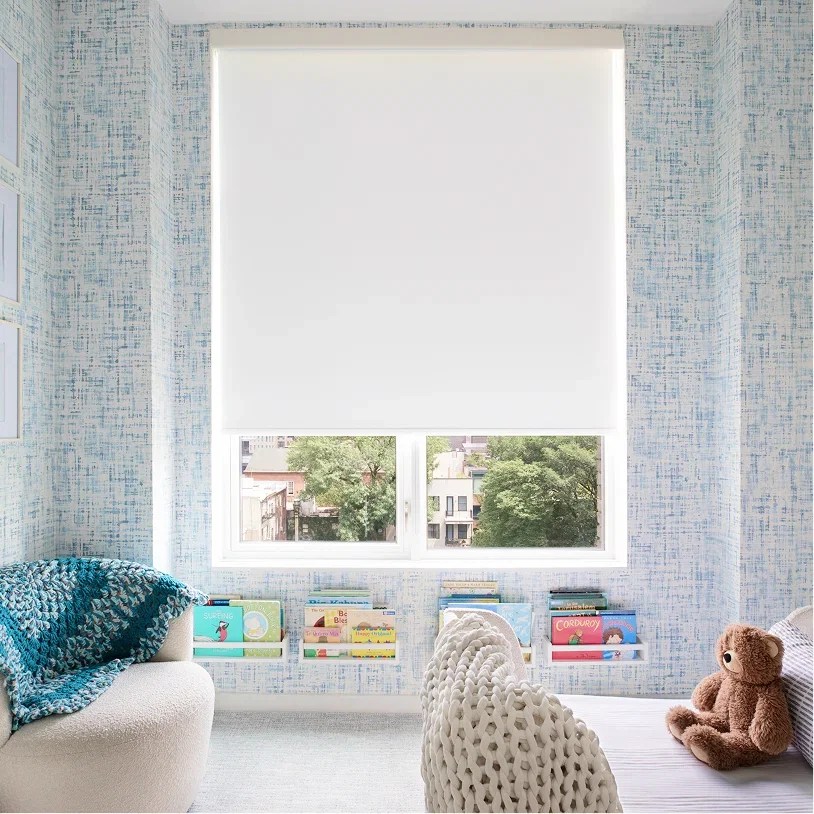
Light-filtering roller shades soften the incoming daylight into a more even field—excellent for painting and sewing.
Look for:
- A fabric described as “diffusing” or “soft glow”
- A weave that avoids obvious hotspots (especially on large windows)
- Neutral whites/ivories rather than bright optical white, which can feel harsh
If you’re matching decor, you’ll like: White Roller Shades Style Guide and Window Shades Color Guide.
Blackout can be perfect for:
- Cyanotype or UV-sensitive crafts
- Project storage in sun-exposed rooms
- Digital color grading on a monitor
If you mainly craft at night and need privacy, room-darkening is often enough. If you need near-total light control, go blackout.
Related reads: Blackout Curtains vs Blackout Shades and How Much Do Custom Roller Shades Cost?.
Color accuracy: how to pick a shade that doesn’t distort your projects
Crafting is often color-driven, so you want window coverings that don’t trick your eyes.
Warm beige fabrics can make whites look creamier; cool grays can make warm tones look dull. For color-critical work:
- Prefer neutral white, soft white, or light gray fabrics.
- Avoid strongly tinted fabrics unless you love the mood and accept the trade-off.
Daylight can shift from cool in the morning to warm in late afternoon. A good light-filtering shade diffuses that shift so your workspace looks more consistent.
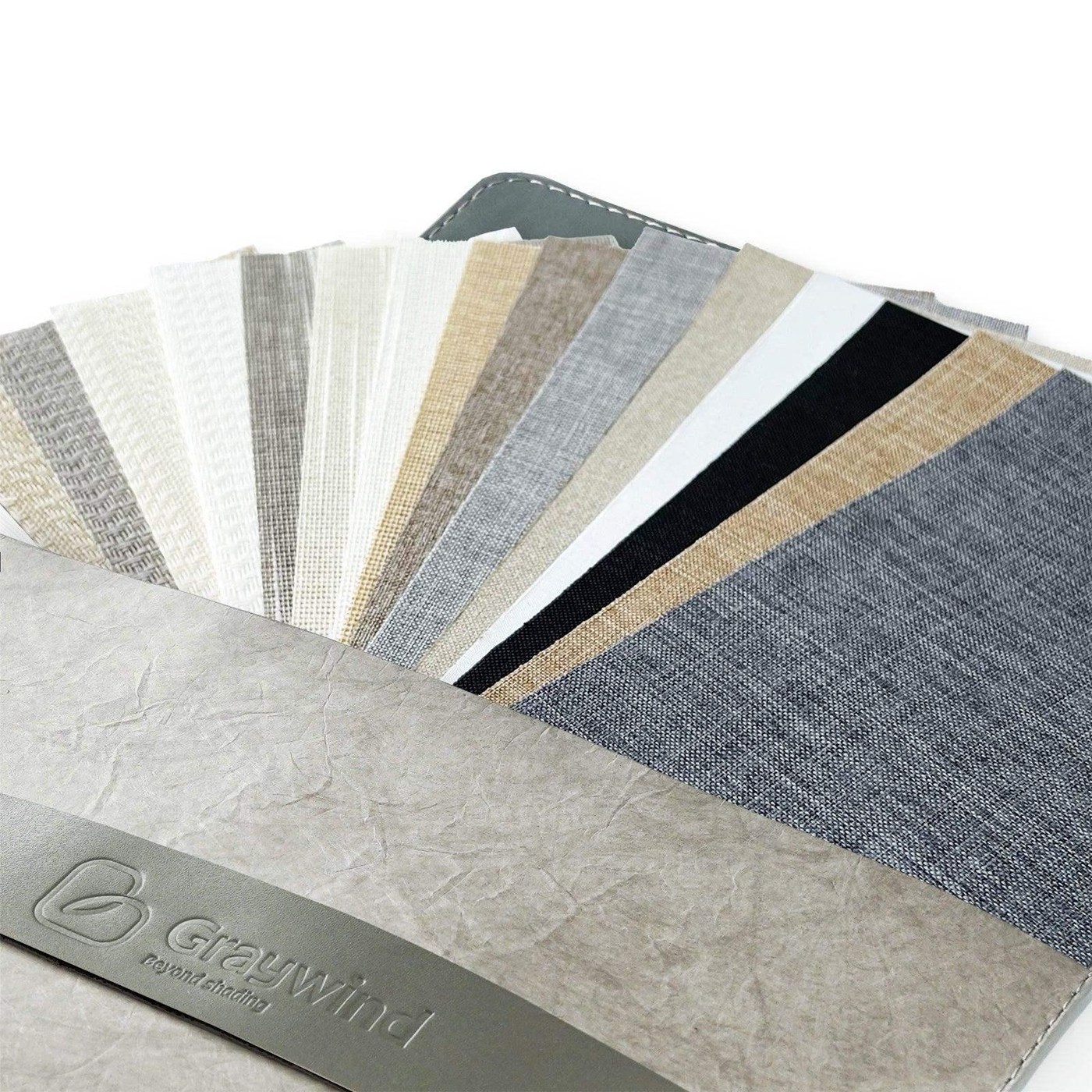
For color-intensive work, order swatches and check them at the times you craft most.
CTA: If you’re deciding between two fabrics, World Wide Shades can help you compare them in your actual room—start here: Order swatches.
UV protection for fabrics, paper, yarn, and finished projects
UV is a quiet destroyer in studios. It fades:
- Quilt fabric and thread
- Watercolor, ink, and paper
- Wood stains and finished surfaces
- Plastics and some resins
Even if your window glass already blocks some UV, adding a UV-focused shade can significantly reduce exposure to your supplies.
Practical studio storage tip: If you keep fabric bolts or paper near windows, move them at least 12–24 inches away from direct sun paths and use a lower-openness screen or light-filtering shade.
To get a UV-focused setup, World Wide Shades can recommend fabric types based on your windows and craft type: Talk to our team or call (844) 674-2716.
Cleanability and durability: the “glitter test” for hobby studios
Craft rooms are messier than living rooms. Your shade needs to survive:
- Airborne glitter and lint
- Dust from paper cutting
- Spray adhesive overspray (yes, it happens)
- PVC-free polyester screens are often easy to dust or gently vacuum.
- Some vinyl-coated options are wipeable but can feel more “commercial.”
If you want to learn how different materials behave, see: Polyester vs Vinyl Roller Shade Fabric and How to Clean Roller Shades.
CTA: If cleaning is a top priority, World Wide Shades can steer you toward fabrics that handle regular dusting and spot cleaning—build your options in minutes: Start in the builder.
Operation style: cordless, chain, or motorized for a busy workspace
Your craft room shade should be fast to adjust because you’ll tweak light levels often.
Cordless is great if the room is also a play space or you want a tidy studio.
Related: Child-Safe Window Treatments.
Chain control is popular in workrooms because you can micro-adjust height to eliminate glare lines on your desk.
If your studio has large windows or you switch between tasks, motorized shades are a productivity upgrade.
- Create schedules for morning diffusion and afternoon glare control.
- Use voice control when your hands are messy with paint or glue.
CTA: Want a motorized setup that fits your routine? World Wide Shades can help you choose the right control type—reach out at (844) 674-2716 or use Contact.
Mounting and fit: inside mount vs outside mount in craft rooms
The mount affects both aesthetics and function.
Inside mount is great when you want a tidy look and your window frames are deep enough.
Outside mount can reduce light gaps that hit shelves and storage bins.
If you’re fighting light leaks, also see: Roller Shade Light Gaps: Side Fixes and Roller Shades with Side Channels.
CTA: Not sure which mount you have? World Wide Shades can help you pick the mount that fits your trim and your workspace goals—start with the builder.
Practical setups by craft type (what to choose and why)
Below are common craft styles and the roller shade setups that typically work best.
- Light-filtering for soft, even illumination
- UV-focused fabric to reduce fading of fabric bolts
- Neutral color to keep fabric tones accurate
- Diffusing light-filtering fabric to reduce hotspots
- Consider pairing with task lighting at 4000K–5000K for consistent color work
- Light-filtering for a soft fill light
- Optional blackout for full control during product shoots
- Screen fabric to reduce glare on glossy vinyl
- Outside mount if you need to cut sun streaks across a desk
- Room-darkening or blackout for storage areas
- Keep supplies away from direct windows, even with shades
Cost expectations: what craft-room roller shades typically run
Pricing depends on size, fabric type, and upgrades.
As a planning range:
- Manual roller shades often land in the low hundreds per window for custom sizing.
- Motorized upgrades usually add a meaningful premium, especially on wide or tall windows.
For a detailed pricing breakdown, see: How Much Do Custom Roller Shades Cost? and How Much Do Motorized Roller Shades Cost?.
CTA: For an exact quote in minutes, World Wide Shades makes it easy to configure by size and fabric: Price your shade in the builder.
FAQ: craft room roller shades
A common “safe” choice is 5% openness because it reduces glare while still letting in usable daylight and some view, but 1%–3% is better for intense afternoon sun.
Yes—especially when you choose UV-focused screen or light-filtering fabrics and keep supplies away from direct sun paths. Pairing shades with smart daily habits (closing during peak sun) makes the protection more effective.
Not if you use them intentionally. Blackout is great for light-sensitive materials, projector/screens, or when you want total control for photography—just plan additional task lighting.
Tighter weaves and screen-style materials tend to dust off more easily than textured fabrics. Regular vacuuming with a brush attachment helps keep lint from embedding.
Inside mount looks cleaner, but outside mount can reduce side light that hits storage shelves or a worktable. If you’re trying to protect supplies, outside mount is often the better functional choice.
Choose a neutral fabric (soft white, neutral white, light gray), then verify with swatches under your typical crafting conditions (morning, afternoon, and evening lighting).
Next step: build a craft-room shade that matches how you work
The best craft room roller shades are the ones you’ll actually use every day—easy to adjust, easy to clean, and tailored to your light.
CTA: Configure your ideal fabric and control style with World Wide Shades: Start your custom shade in the builder. If you want a quick recommendation, call (844) 674-2716 or use our contact page.