Side light gaps are one of the most common “something’s wrong” moments with roller shades. You install the shade, step back, and suddenly you can see slivers of daylight on the left and right edges—especially in a bedroom at sunrise or when streetlights hit at night.
Here’s the reassuring truth: side gaps are normal on most roller shades, particularly inside-mount installations, because the fabric has to be narrower than the window opening to clear brackets and operate smoothly. The better news is that you can usually reduce the gap dramatically (and sometimes almost eliminate it) with the right mount choice, better measurements, and a few proven upgrades.
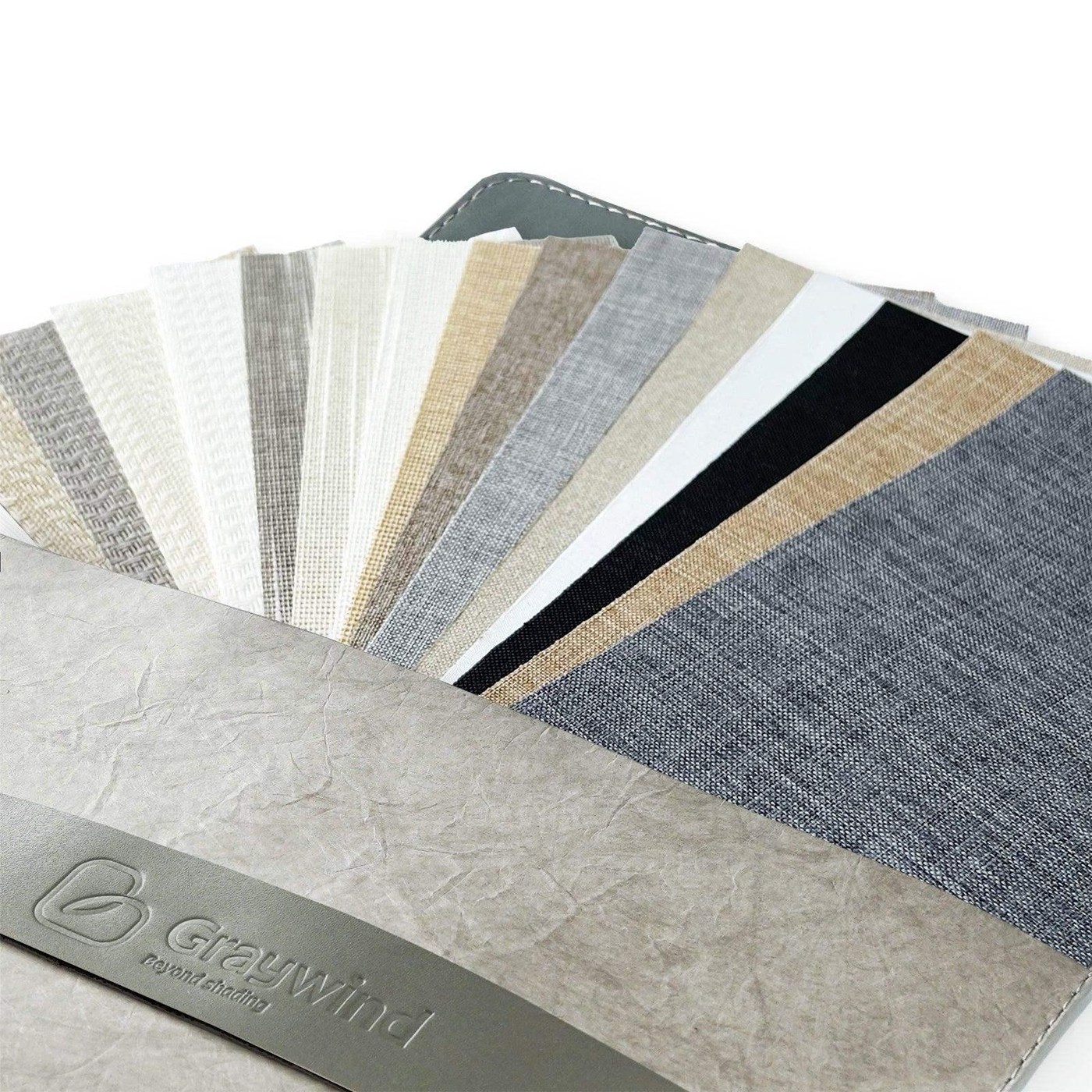
If you want help choosing the right solution for your exact window, start with the easiest next step: design your shade in the World Wide Shades builder. You can also request material guidance and privacy options through World Wide Shades swatches.
Why roller shades have side light gaps (even when installed correctly)
Roller shades aren’t like a solid door that seals to a frame. They’re a piece of fabric wrapped around a tube with hardware on both ends. That hardware needs clearance. As a result, the fabric width is typically narrower than the “overall” width of the shade.
For many inside-mount systems, the resulting light gap is measured in fractions of an inch per side. For example, Bali notes that inside-mount roller/solar shades often have light gaps around 9/16" to 11/16" per side depending on lift type, and Smart Pull can be wider on one side (Bali Blinds measuring guide). Lutron also documents typical factory deductions (often 1/16" per side on many inside-mount shades) and light-gap dimensions that vary by system and tube size (Lutron measuring guidelines PDF).
That means if you’re seeing light lines at the edges, you might be looking at standard engineering—not a bad install.
First: confirm what kind of “gap” you’re dealing with
Before you try to fix anything, identify which of these situations you have:
- Fabric gap: the fabric is narrower than the opening even though the brackets are close to the jambs. This is the most common.
- Whole-shade gap: the shade is centered poorly, brackets are off, or the shade was ordered too narrow.
- Light bleed is a thin line of brightness. It’s often acceptable for living rooms and light-filtering fabrics.
- Light beam is a bright stripe that feels like a flashlight at sunrise. That’s common with blackout fabrics because your eyes notice contrast more.
If you’re unsure which you have, take a quick photo from across the room and then measure the opening and the bracket-to-bracket distance. If you want a second set of eyes, contact World Wide Shades and include your measurements—if you prefer to talk it through, call (844) 674-2716.
The biggest decision: inside mount vs. outside mount
If you want fewer side gaps, the most effective change is often switching mount type.
Inside mount sits inside the window frame and looks “built in.” But because the shade has to clear the jambs, you’ll usually see more light at the edges—especially on blackout shades.
If you’re prioritizing a modern, trimmed-in look, inside mount is still a great choice. Just plan to handle gaps with one of the fixes below.
Outside mount overlaps the window opening. That overlap blocks more side light and can cover small measurement issues.
If side gaps are the reason you’re unhappy, outside mount is often the simplest “reset.” You can configure outside-mount coverage in the World Wide Shades builder and request matching materials via World Wide Shades swatches before ordering.
Fix #1: Re-center the shade and check bracket placement
This is the fastest fix and costs nothing.
- Is the shade centered? A shade that’s 1/4" off-center can create a very noticeable bright stripe on one side.
- Are the brackets level? If brackets are slightly out of level, the shade may “walk” to one side as it rolls.
- Are the brackets tight to the jambs (inside mount)? If you left extra room on both sides, you’ve increased gaps.
If you need a quick refresher, see how to install roller shades and double-check your measurement approach in how to measure windows for roller shades.
Fix #2: Choose the right fabric opacity (especially for bedrooms)
A big surprise for homeowners: blackout fabric can make side gaps feel worse, even if the gap isn’t larger.
- With light-filtering fabric, the whole window glows softly, so edge gaps are less visually harsh.
- With blackout fabric, the room is darker and your eyes lock onto any bright line.
If you’re shopping for a sleep space, compare your options with best window shades for the bedroom and the deeper technical breakdown in blackout curtains vs blackout shades.
For personalized recommendations based on your room orientation and goals, reach out to World Wide Shades or call (844) 674-2716.
Fix #3: Add side channels or light-blocking tracks
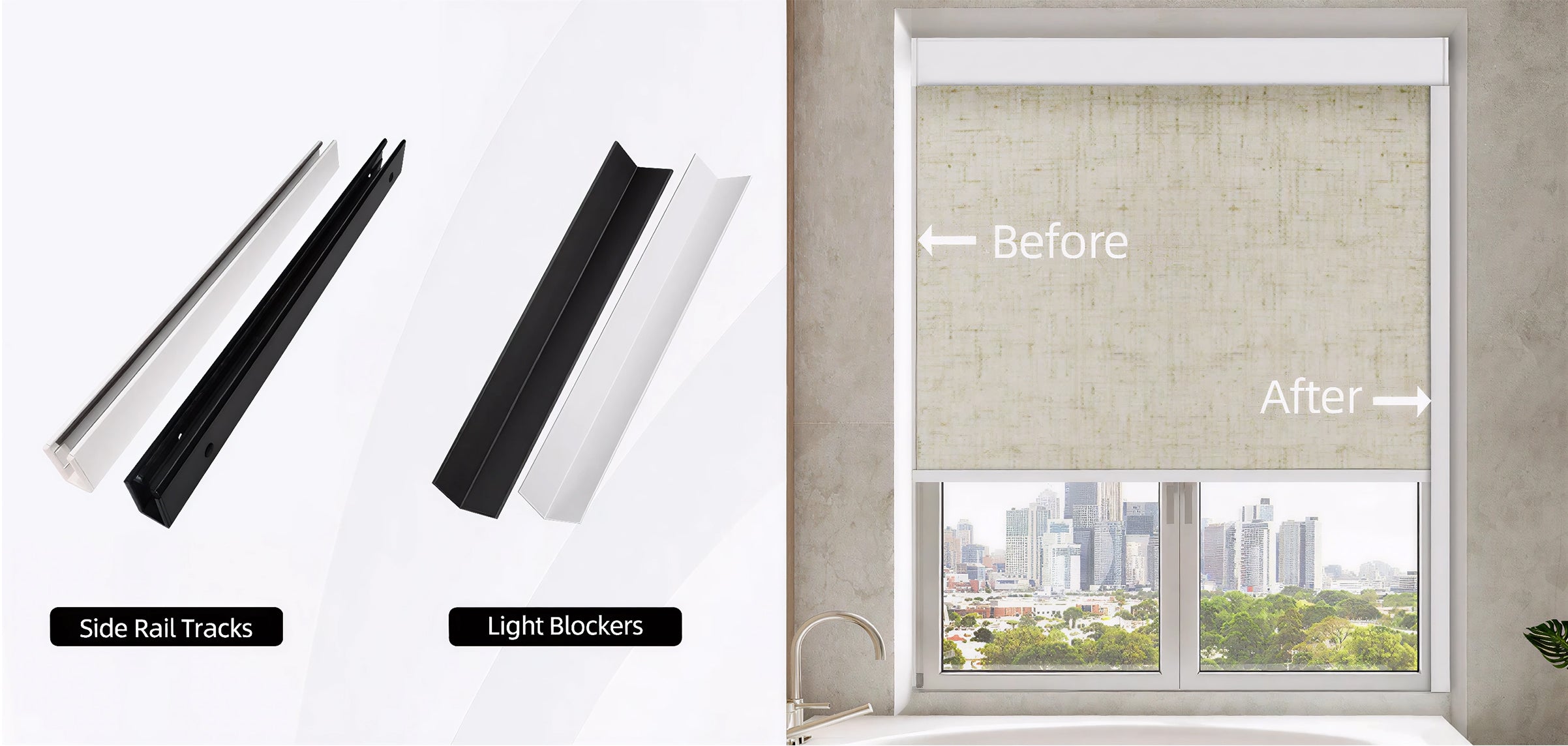
If you want the closest thing to “hotel blackout,” side channels are the upgrade to know.
Side channels are slim vertical tracks that mount along the sides of the window. The shade fabric runs within the tracks, reducing side light leakage.
- Bedrooms where sunrise hits directly
- Nurseries and kids’ rooms
- Media rooms where you want near-total darkness
- Street-facing windows with bright night lighting
If you’re building a full blackout room, pair this article with best shades for a media room or home theater and the practical blackout planning tips in blackout shades for a master bedroom.
Want help specifying the right system? Start in the World Wide Shades builder and send your window details to our team via contact.
Fix #4: Increase outside-mount overlap (the “bigger shade” approach)
If you’re using outside mount, you can often reduce light by simply increasing coverage.
Many installers aim for an extra couple inches beyond the opening on each side when space allows. The goal is to block angled morning and evening light.
This is also a smart solution if your window opening is slightly out of square. Outside mount gives you room to hide imperfections.
Fix #5: Layer treatments (shade + drapery or curtains)
Layering is not just a design move; it’s a light-control strategy.
- A roller shade handles everyday privacy and sun control.
- Side panels or drapery can hide edge gaps and add insulation.
Layering is especially effective in larger living rooms and bedrooms. If you like a cleaner look, consider a valance too—see roller shade valance options.
Fix #6: Pick a system designed for tighter clearances
Not all roller shades are engineered the same way. Hardware size, tube diameter, and lift type can change how much clearance is needed.
- Smaller bracket profiles (when available)
- Certain cordless systems
- Motorized systems with more consistent tracking
If you’re considering automation, learn the setup basics in smart home motorized shades setup and see compatibility notes in motorized shades Alexa Google Home.
The measurement and ordering checklist (the version that actually matters)
You don’t need perfection, but you do need consistency.
- Measure width at the top, middle, and bottom.
- Use the narrowest width as your ordering reference.
- Measure to the nearest 1/8".
Inside mount requires enough depth for brackets and any fascia/valance. Also check for:
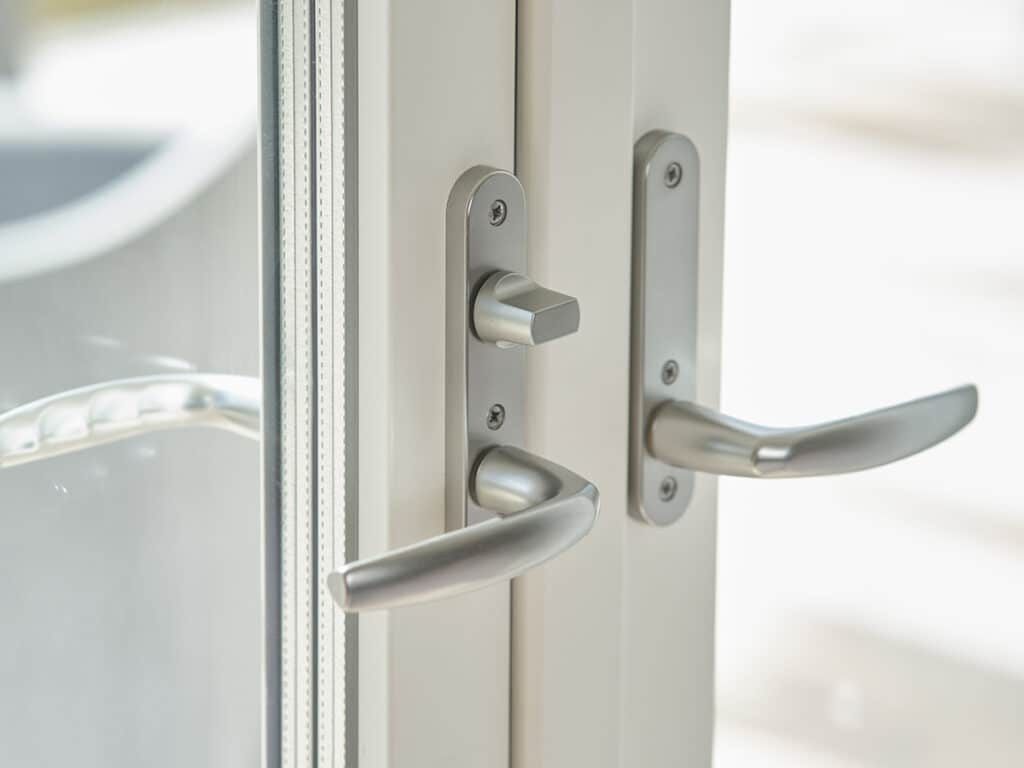
- window cranks (common on casement windows)
- alarms/sensors
- locks that protrude
If you have a crank or tight clearance, this related guide can help: roller shades for French doors (many of the clearance principles are similar).
Outside mount is more forgiving, but you should decide coverage based on:
- how much light you want to block
- whether trim/molding limits the shade width
- how close the shade can sit to the wall
To simplify all of this, use the World Wide Shades builder. If you’d rather talk through your measurements, contact World Wide Shades or call (844) 674-2716.
Common myths about side gaps (and what’s true)
Not always. Many manufacturers maintain a hardware-to-fabric deduction. Wider overall width can still keep the same difference between hardware and fabric.
Their shade might be outside mounted, layered with drapery, or using side channels. Or they might have a different lift system.
Blackout fabric can be 100% opaque and still allow side light at the edges. Opacity and edge sealing are separate problems.
FAQs
Yes. Inside-mount shades generally require fabric deductions and hardware clearance, which creates visible side gaps. The exact gap depends on system and lift type.
If you want the strongest improvement, use outside mount with extra overlap or add side channels. For many bedrooms, those changes outperform smaller tweaks.
A valance can hide the top light gap and improve the finished look, but it typically doesn’t seal the sides. Side channels or outside-mount overlap are the usual solutions.
Sometimes. Re-centering, remounting, and adding layered curtains can reduce the problem. If the shade was ordered too narrow or you need near-total blackout, a replacement or side-channel system may be the cleanest solution.
Get a cleaner fit with World Wide Shades
Side light gaps are frustrating, but they’re also predictable—and that means they’re fixable.
If you want shades that fit the way you expect, start by designing your shade in the World Wide Shades builder. If you’re choosing between fabrics or privacy levels, order World Wide Shades swatches. And if you want a recommendation for your exact window, reach out through contact or call (844) 674-2716.