Why media rooms need different shades than “regular” rooms
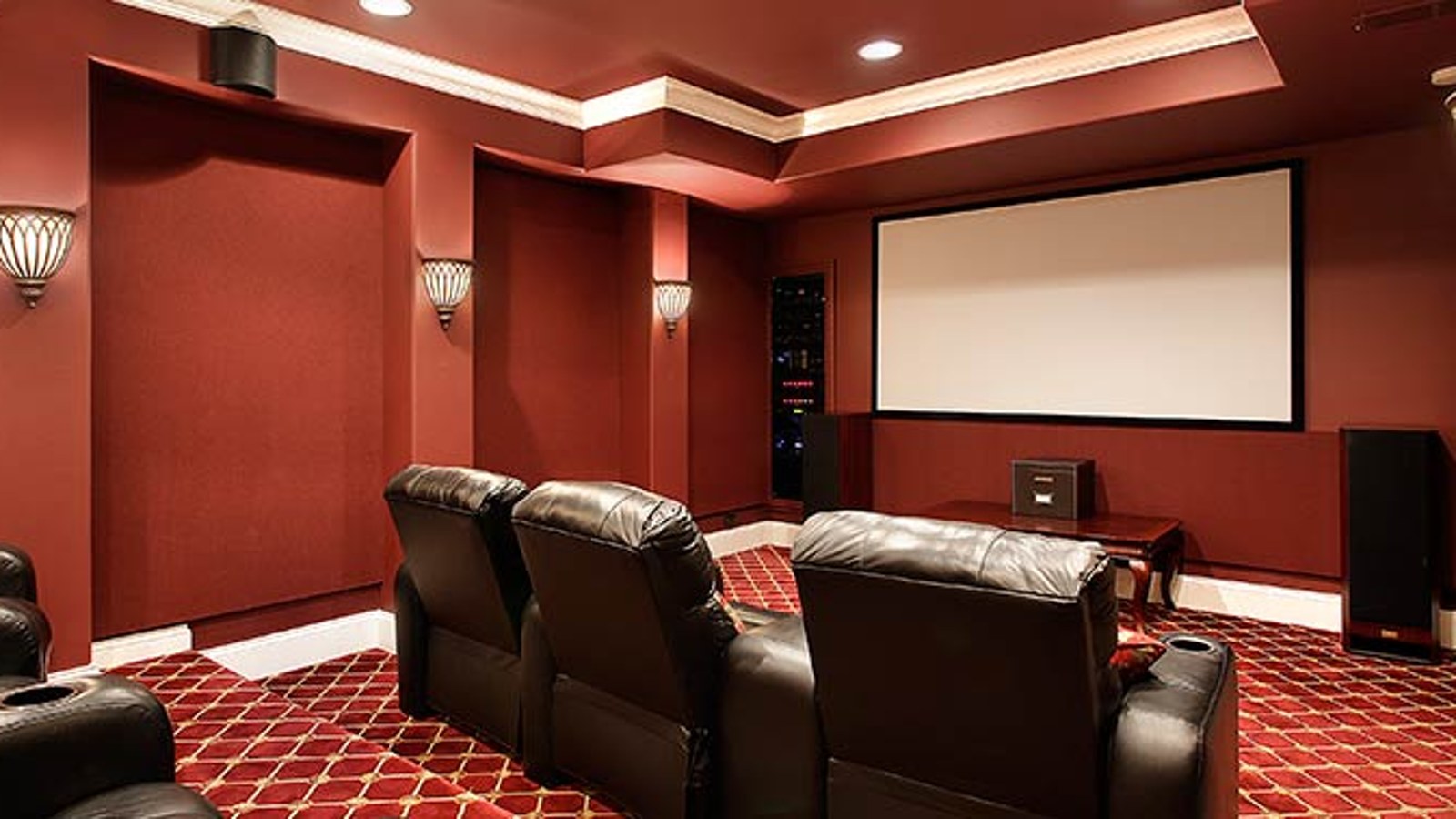
A media room or dedicated home theater is basically a light-control project disguised as a design project. One small leak of daylight can wash out blacks on the screen, reduce contrast, and make you crank the projector brightness (which shortens lamp life and can increase fan noise).
World Wide Shades works with homeowners who are surprised by how much “almost blackout” still looks like daylight once the movie starts. If you want true cinema vibes, the best shades for a media room are the ones that control light at the glass and at the edges, not just the middle of the window.
If you’re planning a full room upgrade, start by building your shade plan first, then choose the paint and screen. You can also jump straight into options with the World Wide Shades Builder to see what configurations fit your windows.
What “100% light blocking” really means (and what it doesn’t)
When people say “100% light blocking,” they usually mean the fabric is blackout. That’s a great start, but it’s not the whole story.
A true blackout fabric prevents light from passing through the shade material. This is the part most shoppers understand.
Even with blackout fabric, you can still get bright slivers around the sides, top, or bottom. In a home theater, those slivers reflect off glossy screens, light-colored ceilings, and even AV components.
If you want a cinema-dark room in the afternoon, you need to think about:
- Side gaps (light leaking between the fabric and window frame)
- Top gaps (light above the roll or headrail)
- Bottom gaps (light below the hem bar)
World Wide Shades can help you choose an approach that matches your room goal, whether it’s “movie nights only” or “midday total darkness.” Start with a quick configuration in the Builder.
The 4 best shade types for media rooms and home theaters
Different rooms need different tradeoffs: darkness, sound, aesthetics, and convenience.
For most media rooms, blackout roller shades are the cleanest, simplest path to serious light control.
Why they work well:
- Minimal light glow through the fabric
- Sleek look that fits modern theater design
- Easy to motorize for one-touch “Cinema Mode”
Where they can fall short:
- Edge gaps if you don’t add a light-control strategy (more on that below)
If you’re comparing shade styles for your whole home, you may also like reading roller-shades-vs-roman-shades and blackout-curtains-vs-blackout-shades before you commit.
CTA: Want true blackout without bulky drapery? Configure blackout rollers in the World Wide Shades Builder.
If your room does double-duty as a living room, playroom, or hangout space, dual shades can be a smart move. You can run a light-filtering layer during the day, then switch to blackout for movies.
The upside:
- Great for rooms that need light sometimes
- Cleaner than layering curtains
The downside:
- More components than a single shade, so measurements and headroom matter
If you like this approach, it pairs well with advice in light-filtering-shades-guide.
CTA: Build a day/night setup for your theater windows in the World Wide Shades Builder.
In bright climates, it can help to reduce solar intensity before it enters the room. Outdoor shades are often used for patios, but the concept can also support sun-exposed media rooms.
If you’re curious about this category, see outdoor-roller-shades-patio.
If your home theater is next-level (high-lumen projector, large screen, bright daytime use), layering can be the difference between “pretty dark” and “wow, it’s night in here.”
A common combo:
- Blackout roller shade at the window (primary light block)
- Side drapery panels (secondary edge control + softness)
But remember: not all rooms need this. Many homeowners get 90% of the benefit with a well-designed shade plus edge-gap control.
How to eliminate light leaks: side channels, tracks, and smarter mounting
This is where most “theater shade” advice gets vague. Here’s a practical breakdown you can use.
Side channels guide the shade edges and dramatically cut side light leakage. They’re ideal when the room goal is true darkness, not just reduced glare.
Best for:
- Dedicated theaters
- East/west-facing windows with strong sun
- Homes where daytime viewing matters
Potential tradeoffs:
- More visible hardware (although it can look very clean if planned)
- More precise measurement and installation
CTA: If you want near-total edge control, talk to World Wide Shades via /contact and ask about channel-friendly setups. Call (844) 674-2716.
Inside mount can look built-in and premium, but it often leaves thin light lines on the sides. In some media rooms, that’s acceptable, especially if the goal is reducing glare rather than total darkness.
If you’re deciding between mount styles, read inside-mount-vs-outside-mount-shades.
Outside mount shades sit on the wall above the window and can overlap the trim. That overlap reduces side light leaks without special channels.
Best for:
- Rentals or quick upgrades
- Windows with shallow depth
- People who want a fast path to better darkness
You can also pair outside mount with blackout fabric to get impressive results.
CTA: Not sure which mount makes sense for your theater room? Build both options in the World Wide Shades Builder and compare.
Motorized shades: the secret weapon for a better theater experience
If you’ve ever fumbled with cords or chains right when the movie starts, you already understand the appeal.
Motorized shades help because:
- You can drop all shades at once
- You can set a consistent viewing environment every time
- You can integrate scenes (lights dim + shades down)
If you’re building a smart setup, check out smart-home-motorized-shades-setup and motorized-shades-alexa-google-home.
CTA: Want one-button “Cinema Mode”? Contact World Wide Shades at /contact or call (844) 674-2716 to discuss motorization.
Sound considerations: can shades help with acoustics?
Shades aren’t acoustic panels, but they can contribute to a room that feels less “echoey,” especially compared to bare glass. In media rooms with many hard surfaces, every soft layer helps.
Practical tips:
- If your room is very reflective, consider combining shades with rugs, upholstered seating, and wall treatments.
- Avoid letting sunlight force you to crank volume; better light control often improves perceived audio clarity.
If sound is a priority, you may also like noise-reducing-window-shades for a window-focused approach.
Choosing the right openness and color for a theater room
For a true home theater, you’ll usually choose blackout, so “openness” (a solar shade metric) matters less. But color and reflectivity still matter.
Dark fabrics and darker valances reduce bounce light. In a theater room, a bright white shade can reflect light back into the room even when it blocks transmission.
If your media room is a stylish hangout space, you may want a shade that looks premium in daylight. This is where ordering swatches becomes a smart move.
CTA: Before you commit, order materials from World Wide Shades Swatches to see colors in projector light and daylight.
Measuring for theater shades: what to get right the first time
A media room is unforgiving. Small mistakes show up as light leaks.
Key measurement reminders:
- Measure width in three places and use the smallest for inside mount.
- Confirm depth if you want a flush inside mount.
- Plan for overlap if you want outside mount to reduce gaps.
For a full walkthrough, see how-to-measure-windows-for-roller-shades.
CTA: If measuring makes you nervous, reach out to World Wide Shades at /contact for guidance.
Installation tips: getting a pro finish without drama
Most theater shades are straightforward to install, but a few details make a big difference:
A small top gap can turn into a bright strip once sunlight hits it. Mount as high as practical, and choose hardware that minimizes the gap.
A slight tilt can cause one side to leak more light. Use a level and confirm bracket alignment.
If the window is opposite the screen, you’ll notice reflections more. If the window is off to the side, you may be able to accept a little edge leakage.
If you want step-by-step help, see how-to-install-roller-shades.
Common mistakes that make home theater shades disappointing
Avoid these and you’ll save money and frustration.
Room-darkening can be great in bedrooms, but it usually won’t satisfy a theater. If you need true darkness, choose blackout.
If the room matters, the edges matter. Build a plan: outside mount overlap, channels, or layering.
The right shade in a theater room is about feel. Swatches help you evaluate texture, sheen, and how the fabric looks when the projector is on.
CTA: Get your materials first from World Wide Shades Swatches so your final choice matches your room.
If the shade is annoying to operate, you won’t use it consistently. Motorization is often the difference between “we should use the theater more” and “we actually do.”
Quick-buy checklist: picking the best option for your room
Use this as a fast decision tool.
- Blackout roller shade
- Outside mount overlap or side channels
- Consider motorization
- Dual shade (light filtering + blackout) or blackout with flexible lighting
- Choose a color that looks good in daylight
- Consider solar shades or light-filtering options
- Pair with smart lighting control
World Wide Shades can help you match these choices to your exact windows. Start your setup in the Builder.
FAQ: media room and home theater shades
Blackout shades tend to look cleaner and take up less space, while curtains can help seal side gaps and add softness. Many theater rooms do great with blackout shades alone, and the most demanding setups layer both. For a detailed comparison, see blackout-curtains-vs-blackout-shades.
Not always. Outside mount overlap can reduce gaps significantly. Side channels are best when you want the closest thing to “lights off” darkness in full sun.
Yes, many homeowners do. The key is measuring carefully and mounting level. If you’re unsure, World Wide Shades can guide you through the options and what matters most.
CTA: Ready to build your theater setup? Start with the World Wide Shades Builder and then contact us at /contact if you want a second set of eyes.