A custom window shade quote is useful only when you can tell what is included, what is assumed, and what might change the final total. Two proposals can look similar while one includes motors, installation, and finished measurements and the other prices only the shade. A clear process turns a quote into a decision tool instead of a number that is hard to compare.
World Wide Shades helps shoppers organize opening details, fabric choices, and control requirements before an order is placed. This guide explains what to prepare, what a complete proposal should show, and how to compare competing offers without treating the lowest headline amount as the whole project cost.
Prepare a consistent opening list
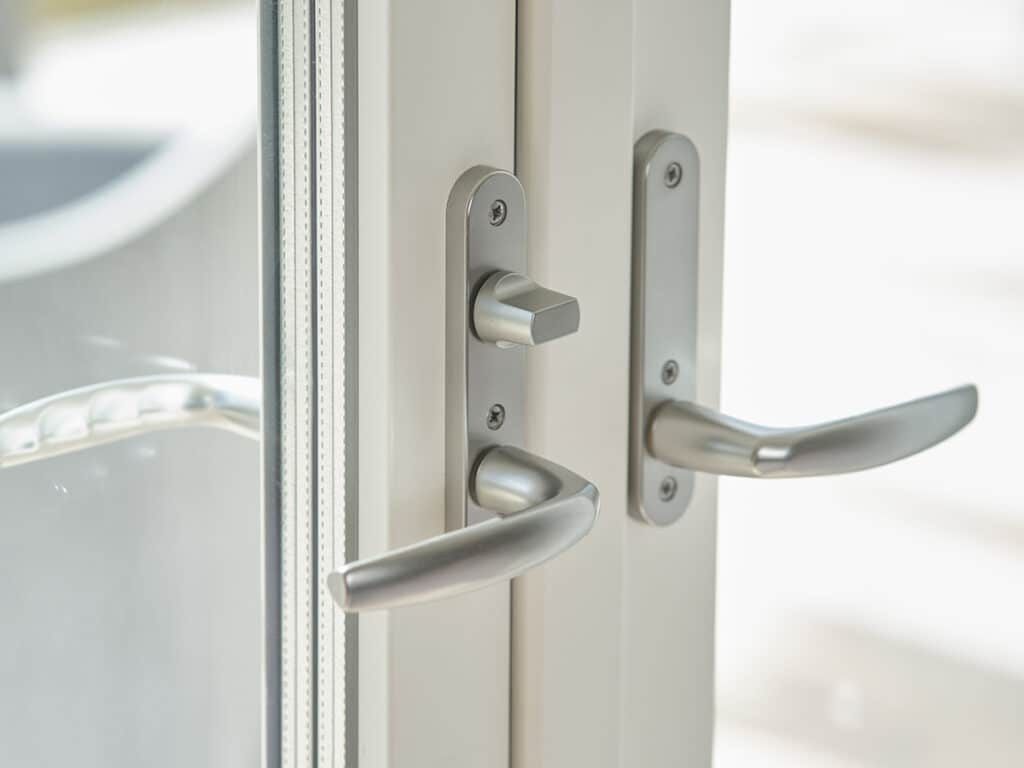
Start with a room-by-room list and assign each opening a simple label, such as “living room left,” “nursery east,” or “door panel A.” For every opening, record width and height, mounting preference, trim depth, handle or lock conflicts, and whether it is a window, door, skylight, or unusually shaped opening. Measure each opening independently, even when two appear identical.
Do not mix glass dimensions with finished shade dimensions. Tell the supplier exactly what your numbers refer to and follow the product’s measuring instructions. For an inside mount, record multiple width readings and note the smallest; for an outside mount, state the coverage area you want beyond the frame. If you are unsure, provide photographs with the tape measure visible and ask who is responsible for final verification.
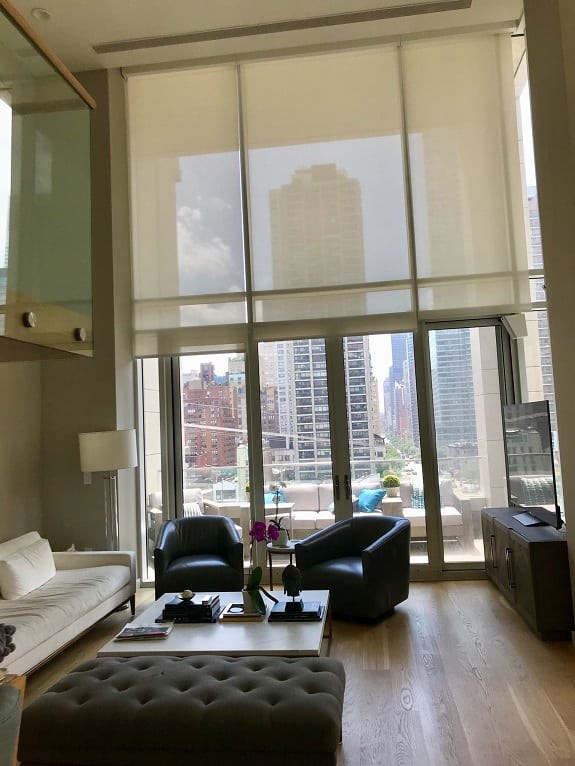
World Wide Shades can help you make this opening list before the quote is built. If the project includes standard rollers, compare how-to guidance in how to install roller shades and roller shades for tall windows. Start a project in the builder to organize your initial choices.
Describe the room outcome, not just the product type
“Roller shade” tells a vendor the broad product family, but not the result you expect. Describe whether you want privacy at night, reduced screen glare, diffused daylight, stronger darkening, a view through the fabric, coordinated color, or app-based operation. Add the time of day when sunlight is a problem and where the room faces if known.
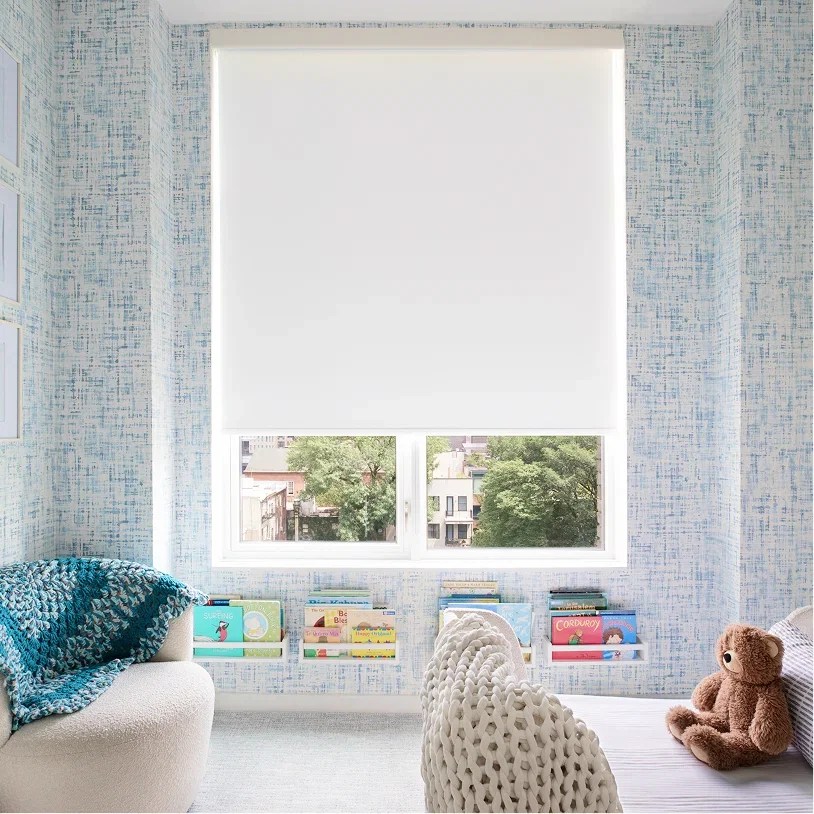
Share the room use and any constraints: nursery, media room, glass door, rental, home office, or high opening. A kitchen may need an easy-clean surface; a bedroom may prioritize darkening; an office may need lower glare without removing all daylight. If several goals conflict, rank them. That helps the supplier quote the right comparison rather than assume a fabric choice for you.
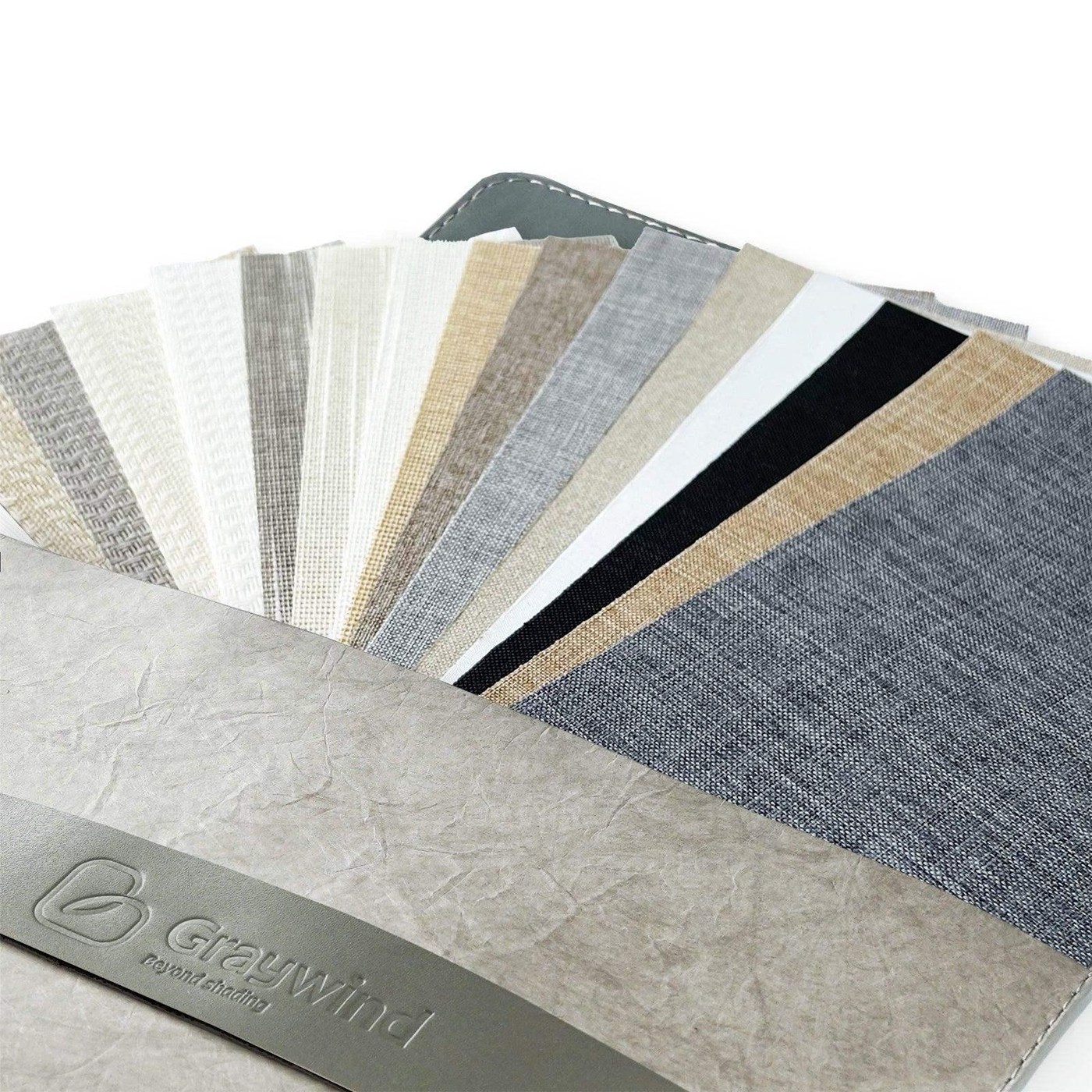
World Wide Shades can help turn your use case into a fabric shortlist. Read best fabrics for roller shades, light-filtering shades, and the window shades color guide. Order swatches to compare real color and texture before finalizing the quote.
Look for a written scope and material description
A complete proposal should identify the work and the materials clearly. The Federal Trade Commission’s home-improvement guidance says a written estimate should include a description of the work, materials, completion date, and price. For shade projects, ask that those basics be adapted to the product: quantity, room or opening labels, fabric collection and color, finished dimensions, headrail or cassette, and control type.
For installation, clarify who will measure, who will install, whether removal of old treatments is included, and what preparation you must do. Ask which measurements are preliminary and which become final manufacturing dimensions. The more unusual the opening, the more important it is to state assumptions about access, trim, wiring, and surface condition.
World Wide Shades can help explain the difference between a product-only quote and a full-service proposal. Review custom roller shades versus home-improvement-store options and how much custom roller shades cost. If you want a written explanation of a specific configuration, contact World Wide Shades.
Confirm fabric and light-control assumptions
Ask for the collection name, color, openness or opacity category, and any available technical data that applies to your chosen fabric. “Solar,” “light filtering,” and “blackout” are useful descriptions but do not guarantee a particular brightness level or eliminate every perimeter gap. A quoted fabric should match the sample and be identified on the proposal so a substitute is not introduced without discussion.
If glare control is important, ask what the product is designed to do and what is not covered by a fabric rating. For skylights or direct-sun exposures, explain the orientation and room conditions. The shade fabric is separate from a window or skylight’s glazing ratings; do not compare a fabric opacity label directly to the glazing’s SHGC or U-factor.
World Wide Shades recommends viewing samples in the actual room during the problem hours. Get swatches before you approve a color, and compare ideas in energy-efficient window shades. When selecting materials for a nursery, see nursery blackout shade safety and ask for the control details explicitly.
Make controls and power part of the written quote
For each opening, identify manual, cordless, motorized, or smart-home operation. If motorized, confirm whether the price includes the motor, remote, hub or bridge if needed, transformer or charger, power cable, installation, and programming. State whether shades should operate individually, in groups, by a schedule, or through a voice assistant.
Battery operation, plug-in power, and hardwiring have different installation implications. Ask where the battery or charger sits, how it is accessed, and whether wiring is included or supplied by another contractor. If a quote includes a motor but excludes a control or power accessory, the listed price may not represent a usable system.
World Wide Shades can help compare control plans across multiple rooms. Review smart-home motorized shades setup and Alexa or Google Home motorized shades. Call World Wide Shades at (844) 674-2716 if you need help checking whether a motor package is complete.
Compare totals, quantities, and exclusions
Line up proposals by opening label and compare shade count, products, options, labor, delivery, tax, and any measurement or travel charge. Ask whether the installation price assumes a standard ladder-accessible window or includes high-window equipment. For a tall stairwell or difficult skylight, site access can change what is practical and should be discussed early.
Here is a purely illustrative comparison, not a World Wide Shades price or market benchmark: Proposal A lists eight shades at a project total of $4,320, including installation; Proposal B lists the same eight openings at $3,760 but excludes $560 installation. The arithmetic produces the same $4,320 total before any other exclusions. This example shows why totals should be compared on the same scope, not why either amount is a typical price.
Ask for exclusions and allowances in plain language. “Standard fabric” is not enough if you have not seen the collection; “installation included” is incomplete if high access or electrical work is excluded. For cost variables, read how much custom roller shades cost. World Wide Shades can help you compare a like-for-like scope; request quote support.
Review timing, payment, and approval details
Ask for the expected lead time, the date the estimate expires if applicable, and what event starts production. If the order requires approval of final measurements, fabric samples, or motor options, confirm that sequence before paying. A change in fabric or dimensions after approval can affect timing and price, so make sure the final selections are written down.
The FTC advises consumers to get multiple estimates, read contracts carefully, and not automatically choose the lowest bid. It also notes that contract requirements vary by state. Ask the provider how deposits, cancellations, delivery, and warranty are handled; check local rules for larger installation work rather than assuming one policy applies everywhere.
World Wide Shades encourages shoppers to ask questions before approving a custom order. Compare warranty concerns in window shade warranty questions and finish options in roller shade valance options. For a final review, contact the World Wide Shades team with the proposal and opening list.
Questions that make an estimate easier to compare
Before accepting a proposal, ask: Are the quoted dimensions finished product dimensions or rough opening measurements? Is professional measuring included? Does the total include freight, tax, installation, and removal? What model, fabric, color, control, and valance are specified? What is the remedy if a measurement or bracket is wrong? Who handles electrical work? Which items are expressly excluded?
Keep the answer in writing. A brief email that confirms a product change, shade count, or revised total can prevent confusion later. If the proposal is revised, request a new version with the previous options removed or clearly marked; do not rely on a phone call or an old screenshot to establish what was ordered.
World Wide Shades can help clarify a product configuration before you approve it. Use the builder for an initial selection, then request a review if dimensions or package details remain unclear. If you are still choosing fabrics, order samples and make the quote reflect the material you actually want.
Include every opening in the project plan
If a proposal covers more than a standard window, review the special fit requirements before comparing totals. Our guides to skylight shade planning, tall-window hardware and motorization, French-door handle clearances, and nursery blackout shade safety can help you describe those openings accurately.
FAQs about custom window shade quotes
At minimum, ask for the work description, materials, expected completion timing, and price. For a shade order, also request opening-by-opening quantities, dimensions, fabric, control, installation scope, exclusions, and any optional accessories.
Not automatically. Compare the same fabric, number of openings, controls, measurement responsibility, installation, delivery, and exclusions. The FTC recommends getting multiple estimates and asking about substantial differences rather than choosing by headline total alone.
Provide preliminary measurements and clearly label what you measured. For an order, confirm who will verify final manufacturing dimensions and follow the selected product’s measuring instructions.
No. A proposal may price products only or include some service but exclude high access, wiring, removal, or travel. Ask for each service and any fee to be stated explicitly.
Check for the motor, remote or control, any hub, power supply, charging accessories, wiring scope, installation, and programming. Confirm which items are optional and whether multiple shades are grouped.
World Wide Shades can help you understand product and configuration details. Call World Wide Shades at (844) 674-2716 with your opening list and questions.