Tall windows make a room feel open, but they create practical decisions that ordinary window-covering advice can miss. A shade may be hard to reach, difficult to lift at full height, or too large for a standard tube or bracket. Choosing roller shades for tall windows means planning the opening, fabric, hardware, and operating method as one system.
World Wide Shades helps homeowners compare custom roller shade configurations for stairwells, two-story living rooms, lofts, and high clerestory glass. Start with how you use the room and which part of the window needs coverage. A high window that only needs occasional glare control has different requirements from a bedroom shade lowered every morning and night.
Define the actual tall-window problem
Record the window’s overall height and width, but also note where the glass starts, how high the headrail would sit, and what furniture or circulation lies below it. A 10-foot opening that begins 18 inches above the floor is different from a narrow clerestory whose bottom edge is already 8 feet up. Photograph the full wall from opposite corners so a designer can see trim, beams, outlets, and nearby doors.
List the problem by time and activity: late-afternoon glare on a television, heat on a landing, lack of privacy from an adjacent building, or the need to darken a room. Then decide whether the whole glass area needs a shade or whether a partial treatment is enough. World Wide Shades can recommend fabrics based on the goal rather than an arbitrary “tall window” label.
If the window faces strong sunlight, compare shades for south-facing windows and energy-efficient window shades. To get help selecting a configuration, start with the World Wide Shades builder.
Measure the opening in a way that supports a real quote
Measure the width at the top, middle, and bottom and the height at the left, center, and right. Record all six dimensions, the smallest clear width, and any variation. Do not subtract a deduction unless the ordering instructions ask you to; manufacturers may make their own clearances based on the selected hardware. For an outside mount, record the trim and the wall area available for overlap.
For a two-story opening, establish a safe way to measure from the floor or a landing without leaning from a ladder. A laser measure can help capture height, but verify readings against a tape where possible and write down the exact floor-to-headrail reference point. If a contractor is measuring, ask them to state whether they measured the frame, glass, or finished treatment area.
Measure every adjacent opening independently, even when the windows look identical. A ⅜-inch difference in frame width can alter a custom shade’s fit; multiple rollers may need to align visually while each is sized to its own opening. World Wide Shades can help review measurements via contact, and how to install roller shades explains why mounting surfaces and bracket placement matter.
Choose shade count, widths, and visual alignment
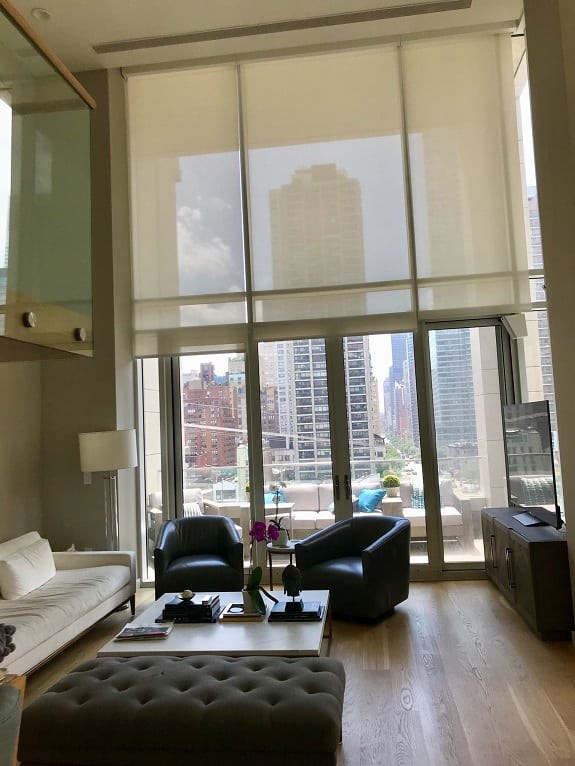
A single wide shade creates a clean plane, but it may require heavier components, a larger tube, or a motor that can support the product’s weight. Dividing the span into two or more shades can make operation easier and allow partial light control, but the fabric gaps and headrails become visible. The feasible width and height depend on the product’s published limits, fabric weight, motor, and mounting conditions.
Ask the supplier to identify the maximum supported dimensions for your exact fabric and drive. Do not infer capacity from a photo of another installation. For a pair of adjacent shades, clarify whether the headrails will align at the same elevation and whether controls should be on the same side. A simple elevation sketch often resolves appearance questions before fabrication.
World Wide Shades can help compare one wide treatment with multiple coordinated rollers. If the tall glass is part of a broader commercial-style space, see commercial roller shades for offices. For an updated look across the room, explore 2026 window shade trends and request a design review.
Select fabric for the view, glare, and room use
Screen fabrics can preserve a view while reducing direct brightness, but the openness percentage alone does not state exactly how bright the room will feel. A 1%, 3%, or 5% fabric refers to a product-specific weave characteristic; other factors include color, sun angle, glass, and the contrast between interior and exterior. Compare sample swatches on the actual window at the time of strongest glare.
Light-filtering fabrics diffuse incoming light and can feel softer than a solar screen. Room-darkening or blackout fabrics are more appropriate when a bedroom, projector, or privacy requirement calls for deeper light control. A dark fabric may appear more transparent when viewed from the brighter side, so test it under the conditions when you use the room.
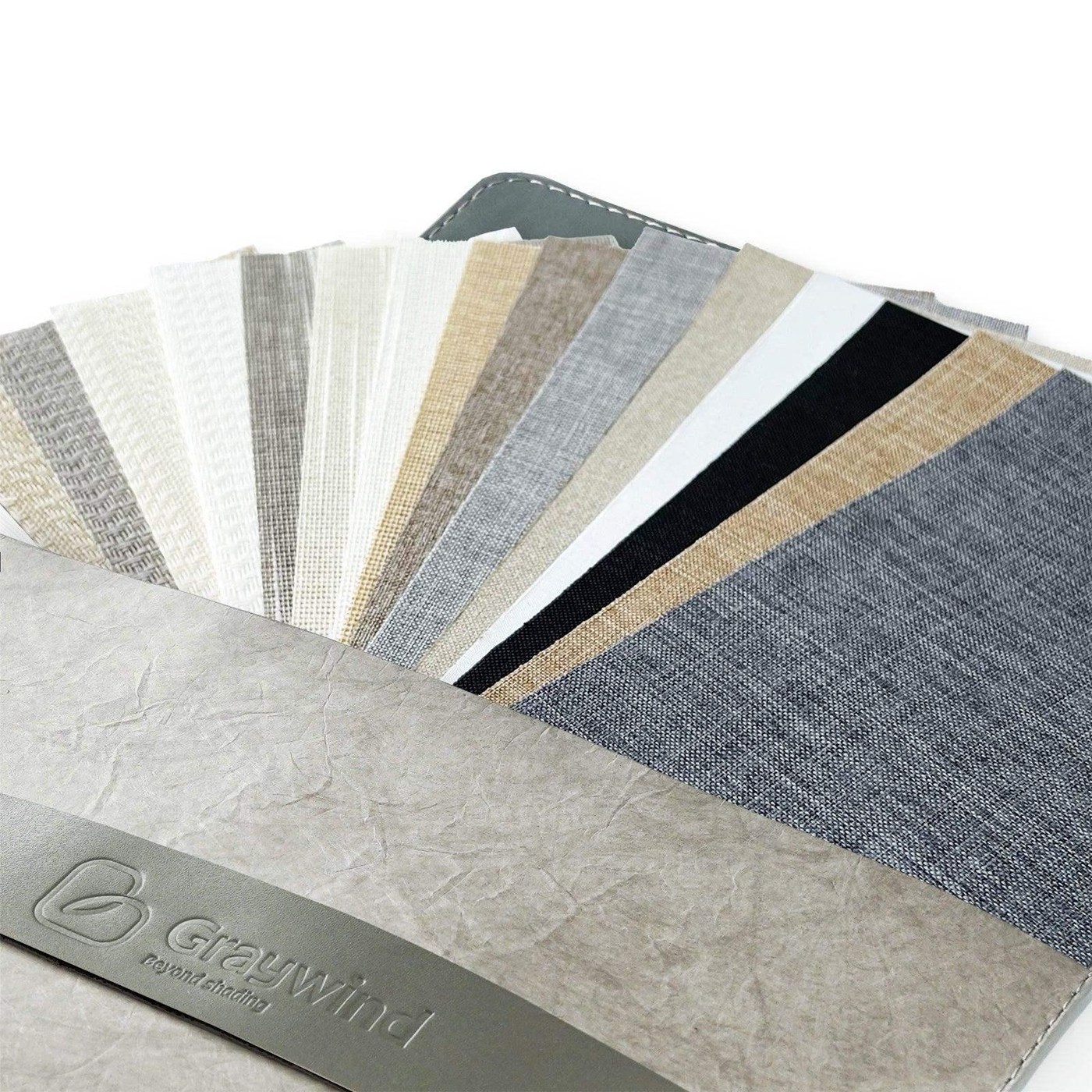
World Wide Shades can send swatches to compare color and openness before you select a tall run of fabric. For a deeper discussion of opacity and construction, read best fabrics for roller shades and light-filtering shade choices. If you have young children in the space, choose a cordless or motorized operating arrangement and review child-safe window treatments.
Plan manual reach, motorization, and power
If the shade is mounted above comfortable reach, a manual pull can be inconvenient, especially when the shade is wide or used multiple times a day. A long control pole may work for some products, but the pole’s storage location, user reach, and shade weight must be considered. Never use a chair or an unstable ladder as a routine control method.
Motorization can make daily operation easier and support schedules or compatible smart-home controls. Confirm whether the motor is battery-powered, plug-in, hardwired, or solar-assisted; whether a remote is included; and how a battery is charged or replaced. For new construction, route any wiring before finishes are complete. For a retrofit, ask where the charger or power lead will be visible and whether a nearby outlet is practical.
World Wide Shades can help decide whether one motor per opening or a coordinated group is a better fit. Explore smart-home motorized shade setup and motorized shades with Alexa or Google Home. Call World Wide Shades at (844) 674-2716 if you want to talk through an unreachable or unusually wide window.
Check the structure and mounting surface
Tall treatments place leverage on brackets and fasteners. The correct fastener depends on whether the headrail attaches to wood framing, masonry, metal, or drywall with a suitable structural backing. A decorative trim board is not automatically a sound attachment point. In a tall stairwell, access can require a scaffold or professional installer even when the shade itself is straightforward.
Before ordering, identify studs or other backing where the brackets will land and check that the headrail will not conflict with a ceiling beam, crown molding, sprinkler, smoke detector, or door swing. For multiple shades, confirm that each mounting surface can support the intended bracket spacing. Follow the product’s installation instructions rather than choosing screw length by guesswork.
For a tall window with shallow trim, review inside-mount options for shallow depth or consider an outside mount. World Wide Shades can help you compare a clean look with installation access; contact the team with photographs and opening measurements.
Calculate the usable coverage before you buy
The fabric width is not always the same as the total shade width because brackets, idlers, and drive components occupy space. Ask for the finished dimensions and how much side clearance or light gap to expect. For privacy, an outside mount may need additional overlap beyond the glass on both sides; the required amount depends on the product and the surrounding trim.
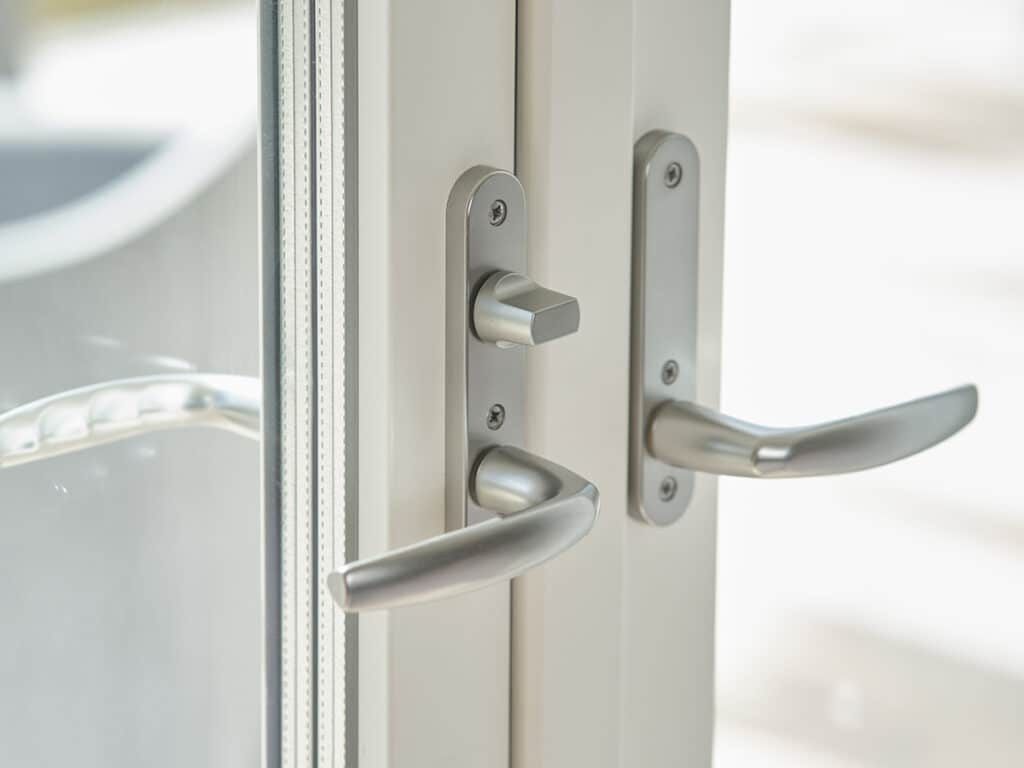
Consider the bottom of the shade too. A roller that ends exactly at the sill can leave a bright line if the frame is uneven or the fabric does not hang square. For a tall fixed window, the bottom rail may need enough weight to keep the fabric tracking smoothly. For an operable window or door below, ensure the bottom rail will not block a handle or travel path.
World Wide Shades can review coverage against your room’s use. If the opening contains multiple panes or an adjoining French door, compare the door-specific approach in roller shades for French doors. To review product dimensions before committing, configure a shade with the full opening information.
Compare total project cost—not just fabric
A tall shade’s price can reflect fabric area, a heavier tube, upgraded brackets, motorization, power accessories, access equipment, and installation. Request the exact product and options in writing so two proposals are comparable. A quote that excludes a motor or special access work may look lower while leaving out a real requirement.
Ask whether measuring, shipping, installation, taxes, and programming are included. If you have several tall windows, compare both the combined project amount and the cost per opening, but do not let an average hide a major difference in size or control. When a bid lists a broad allowance, ask what fabric tier or motor system that amount assumes.
World Wide Shades can help narrow fabrics and controls before you request pricing. Review how much custom roller shades cost for the variables behind a custom order, then contact World Wide Shades for a project-specific answer.
Coordinate tall windows with other openings
One project may also include a skylight, patio doors, or a nursery that needs a different operating plan. Compare skylight roller shade planning, French-door fit and handle clearance, what a shade quote should include, and cordless nursery blackout choices so controls, fabric, and installation assumptions stay clear.
FAQs about roller shades for tall windows
There is no universal height that defines a tall-window shade. The important factors are the opening dimensions, available hardware limits, shade weight, mounting surface, and whether a person can reach the control comfortably.
A single shade gives a continuous appearance, while multiple rollers can reduce individual shade size and allow independent control. The maximum supported width and height depend on the fabric, tube, motor, and manufacturer’s limits.
They are often more convenient when a manual control is out of reach or the shade is used frequently. Compare power source, remote or app controls, grouping, battery access, and serviceability before choosing.
Record width at three points and height on both sides and at the center, along with trim depth and mounting surface. Use safe access; do not lean from a ladder or substitute an estimated height for a verified measurement.
Choose based on the room’s use and the light problem: solar screen for glare with a view, light filtering for diffused daylight, or room-darkening/blackout for deeper darkness. Test a sample at the actual opening.
Yes. World Wide Shades can help compare fabric, shade count, motors, and mounting needs. Call World Wide Shades at (844) 674-2716 with photos and measurements.