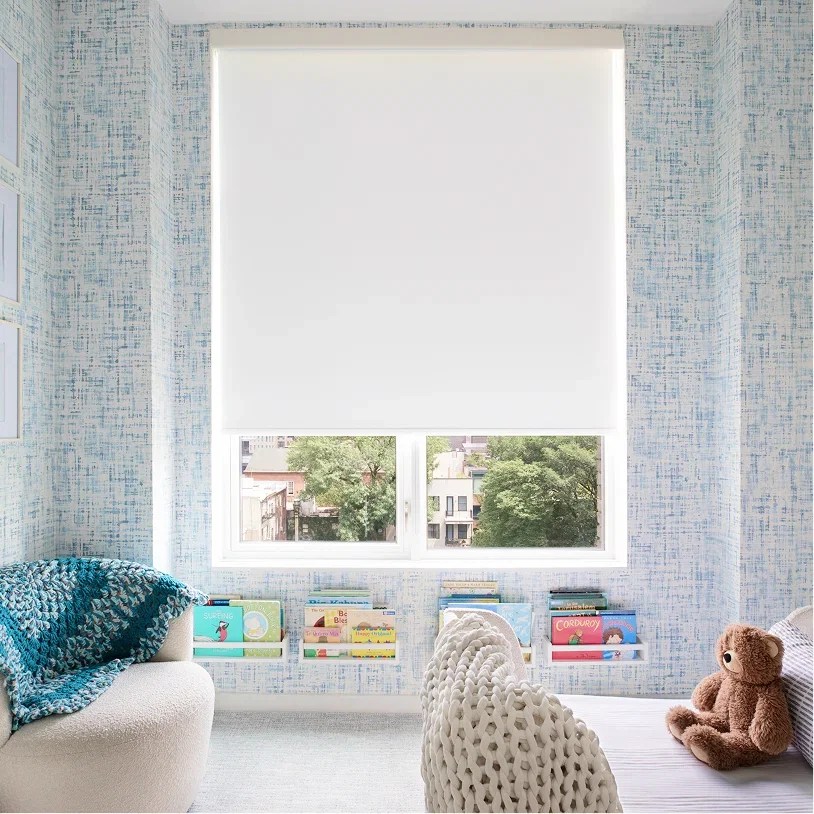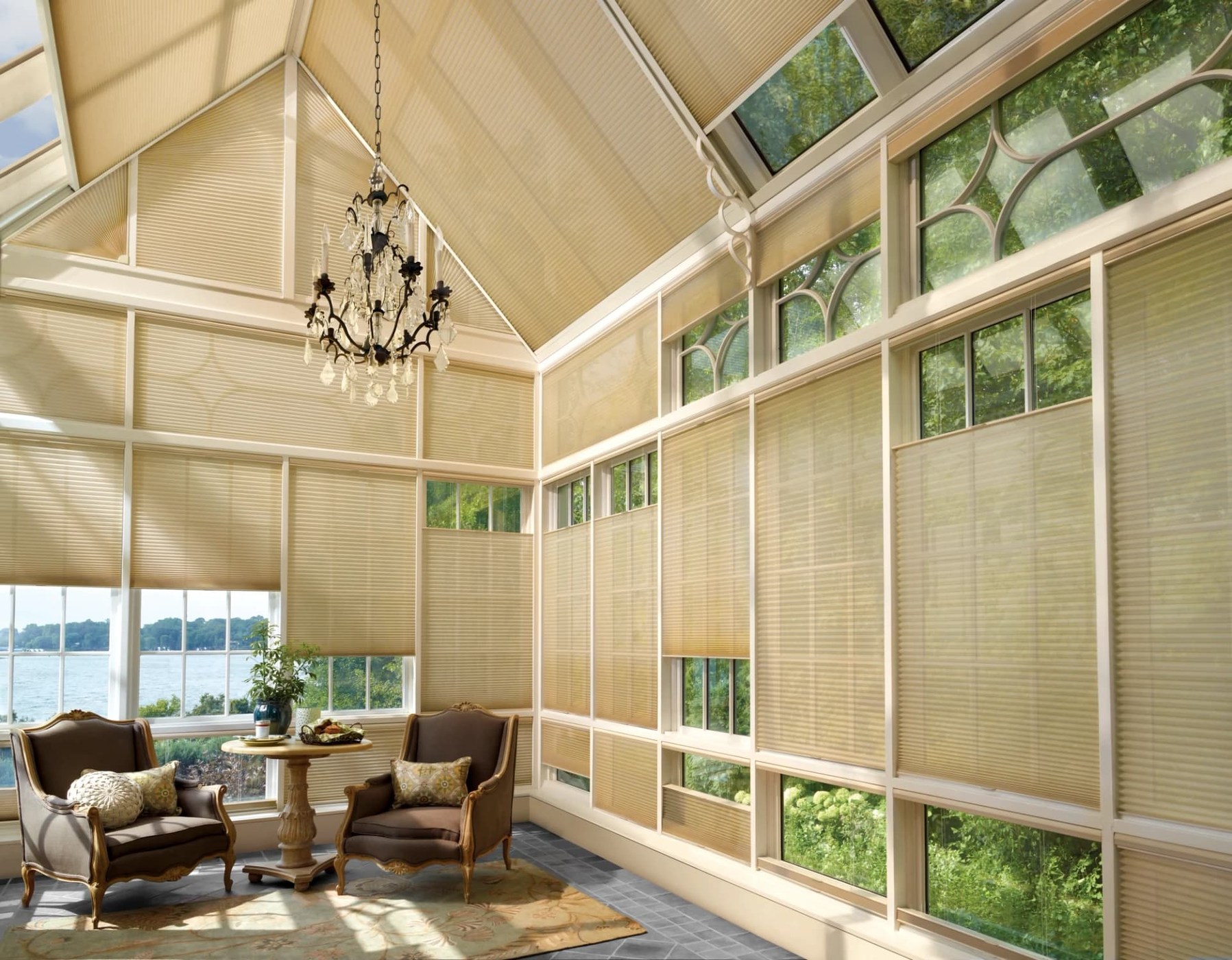
Skylights brighten rooms from above, but that overhead light can be hard to control with an ordinary window covering. A properly fitted skylight roller shade can soften glare, limit direct sun, add privacy at night, and make a high opening easier to manage. The best solution depends on the skylight’s angle, dimensions, reach, and the room’s purpose—not just on choosing a fabric labeled “solar.”
World Wide Shades helps homeowners compare custom shade fabrics and controls for roof windows, fixed skylights, and angled openings. Before choosing, identify whether your priority is daylight, reduced glare, daytime darkening, or convenient operation. These goals overlap, but a single fabric cannot maximize all of them at once.
Start with what the overhead sun is doing
Skylights receive light from a different direction than vertical windows. Depending on roof pitch, orientation, season, and nearby obstructions, the opening may admit strong direct sun for a concentrated period or broad diffuse daylight for much of the day. A desk, television, kitchen island, or bed directly below the glass reveals the practical problem: glare on screens, a bright stripe on a work surface, fading exposure, or a room that feels warmer when the sun is high.
Write down the hours the problem occurs and which surface is affected. A south- or west-facing roof plane can have a different afternoon profile from a north-facing one, while trees and neighboring buildings can alter the result. World Wide Shades recommends choosing a fabric after observing the room at the problem time, rather than judging it under evening lamps.
Interior shades can reduce unwanted solar heat gain, but they do not change the skylight’s rated glazing performance. The Department of Energy’s fenestration guidance explains that U-factor and solar heat gain coefficient (SHGC) are properties used to compare windows, doors, and skylights; shade fabric is a separate layer. Keep those two questions distinct when discussing energy performance.
If a room also has strong vertical sun, compare this skylight plan with shades for south-facing windows and energy-efficient window shades. World Wide Shades can help you look at all the openings as one light-control plan; start a custom configuration to compare the available fabrics.
Choose a fabric by the kind of light you want
Light-filtering shade cloth diffuses incoming light rather than making the room fully dark. It can reduce the sharp contrast of a bright beam and preserve a daytime glow, which often works well in a family room, stair landing, or kitchen. “Light filtering” is a broad category, not a precise promise of a particular brightness level, so compare actual samples at the opening.
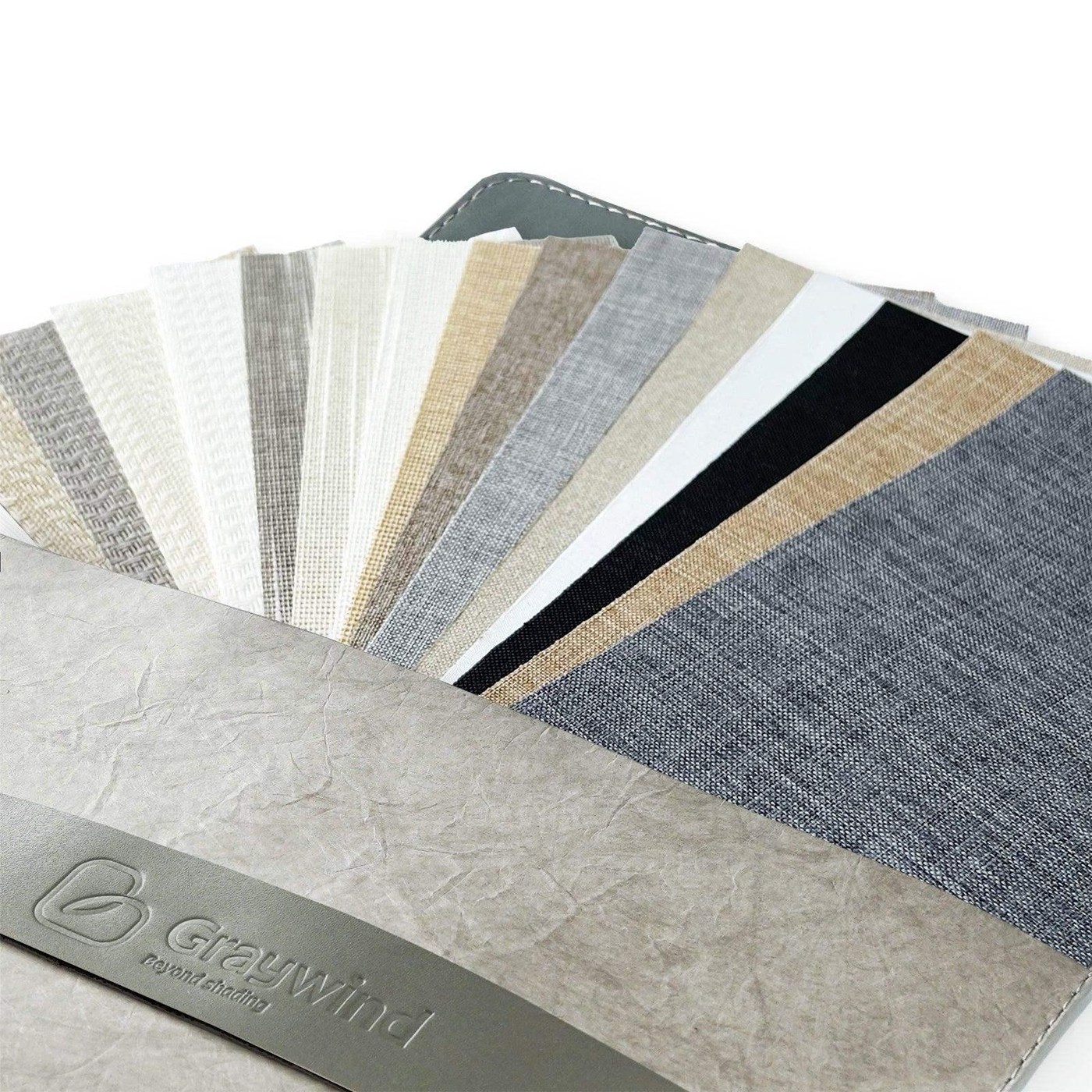
A lighter fabric may preserve a more open appearance, while a denser or darker weave can change perceived contrast. The view through an overhead skylight is usually less important than through a wall window, so prioritize whether the room feels comfortable from below. World Wide Shades can send fabric swatches so you can check how a color looks against the ceiling and how it changes the light.
Some screen fabrics are specified by openness factor, the approximate percentage of open area in the weave. A 3% openness sample, for instance, has a tighter weave than a 5% sample, but openness alone does not tell you the exact visible brightness, UV performance, or heat reduction of a particular custom shade. Ask for product-specific technical information instead of assuming a percentage is a complete performance rating.
Because skylights are viewed from below, color and weave may appear different from the same sample held vertically. World Wide Shades suggests placing the swatch flat against the ceiling-side frame and viewing it from the room. For background on fabric selection across rooms, see the best fabrics for roller shades.
Room-darkening fabric blocks more light through the cloth than most light-filtering options. Blackout fabric is designed to prevent light transmission through the material, but it does not automatically eliminate light around the shade’s perimeter. A small gap between the fabric, side channel, and frame can still create a visible halo, especially at sunrise.
If near-darkness matters in a bedroom or media room, ask whether the chosen skylight system supports side channels, a cassette, or another edge treatment. These add hardware and need enough space to fit the opening. World Wide Shades can help you balance fabric opacity with the actual frame geometry; for a wider comparison, read blackout curtains versus blackout shades.
Measure the opening and identify its geometry
Do not measure only the visible glass. A skylight shade must attach to a mounting surface, and the usable opening can be smaller than the glass dimensions. Record the inside width and height at the actual bracket locations, then note the slope, frame depth, any handles, and the location of the glazing or sash. Take at least two width readings and two length readings; if the frame tapers, preserve every measurement and let the supplier confirm which dimension controls.
Photograph the opening from below, include a tape measure in one image, and note whether the skylight is fixed or opens for ventilation. An operable sash can need clearance for its handle and movement. A steep slope can cause an unsuitable shade to sag or drift, so ask whether the product is designed for angled installation and how it retains fabric tension. Do not assume that a standard vertical roller shade can safely be used overhead.
Use exact manufacturer measuring instructions when you have selected a system. A half-inch error can matter on a compact opening, while an unusually wide opening may need a different roller size or support plan. The skylight shades guide covers other options; World Wide Shades can review dimensions through the online builder before you place an order.
Decide between manual and motorized operation
Reach is often the deciding factor. If the shade is more than a comfortable arm’s reach away, a manual pull may require a pole, ladder, or frequent stretching. Motorization lets you operate the shade from a wall control, remote, or compatible smart-home setup, depending on the system. It is particularly useful when the shade is used every day to follow changing sun.
Before selecting a motor, confirm how it is powered, where its receiver or charging port sits, and whether the selected control can reach the opening. Battery-powered systems avoid adding a new electrical run, but they require a battery plan. Hardwired power can be convenient in new construction or a renovation, but the wiring location should be settled before drywall is finished. A solar-powered motor may have specific exposure and panel-placement requirements.
World Wide Shades can help compare motorized options and fabric before you commit. If you already use voice control, review motorized shades with Alexa or Google Home and our smart-home motorized shade setup guide. Call World Wide Shades at (844) 674-2716 to talk through reach, power, and everyday control.
Plan the fit around side channels and headrail space
A shade that looks simple from the floor still needs enough room for its roller, brackets, fabric roll, and any cassette. A side channel can reduce light leakage, but it also occupies space along the frame. For angled installations, track depth and alignment matter: a channel that is twisted or installed out of parallel can cause the fabric edge to bind.
Ask for a drawing or written configuration that shows the shade’s attachment points, drive side, cassette depth, fabric direction, and any side channels. Check for a handle or crank that swings into the mounting path. If the skylight sits in a deep well, account for the distance between the shade and the glass; a shade too far from the opening may leave a bright rim or allow a visible line of sun.
World Wide Shades can review the configuration before manufacturing so dimensions, controls, and mounting choices agree. If the skylight is one of several special openings, compare how the system is planned with roller shades for tall windows. Use contact support for a fit question that a standard product diagram does not answer.
Consider temperature, fading, and ventilation separately
A shade changes sunlight entering the room, but it is not a replacement for a leaking skylight, failed seal, or inadequate roof ventilation. If you feel a draft, notice condensation between panes, or see water marks around the frame, investigate the glazing and roof connection with an appropriate building professional. A fabric treatment cannot repair those conditions.
For fading concerns, think about the total exposure and the materials in the room. Ultraviolet radiation is one contributor to fading, but visible light and heat can also affect finishes, artwork, and textiles. Do not rely on a generic “UV blocking” phrase without asking what test applies to the product. UV-protection window shade options can help you compare this concern across the whole room.
If the skylight opens for ventilation, consider whether lowering the shade interferes with operating the sash or restricts the airflow path. Some setups are better suited to fixed skylights; others can move with a venting unit. World Wide Shades recommends confirming the model and clearances first, especially when a remote motor and opening mechanism share the same narrow frame.
Build a practical selection checklist
Before ordering, have five details ready: exact frame dimensions, skylight model or a clear photograph, frame depth, preferred light level, and control preference. Add room use, problem hours, and whether the sash opens. For a pair of matching skylights, measure each one rather than assuming the rough opening is identical; older framing can vary by several fractions of an inch.
Then request written confirmation of fabric, color, width and length, motor or pull location, mounting method, edge treatment, and expected lead time. Ask what happens if the shade is too tight or a bracket cannot be installed in the planned location. Those questions are not overcomplication; they clarify what the product is meant to do before it arrives.
World Wide Shades can help you assemble those specifications and compare options. Browse related ideas in window shade trends for 2026, or request a recommendation. If you prefer to review a physical sample first, order swatches and view them overhead in morning and afternoon light.
Coordinate skylights with the rest of the project
If the same order covers high glass, glazed doors, or a nursery, plan controls and fabrics across all the rooms instead of treating each shade as an unrelated purchase. Compare roller shades for tall windows, roller shades for French doors, custom shade quote details, and nursery blackout shade safety before the final specification.
FAQs about skylight roller shades
Only if its manufacturer permits the angle and supplies hardware that retains the fabric. A conventional vertical roller can sag or move when installed overhead. Confirm slope, tensioning, and mounting instructions for the exact model.
No. They can reduce unwanted solar gain and glare, but the result depends on the fabric, fit, glazing, orientation, season, and room conditions. A shade does not repair a leaking skylight or replace an HVAC assessment.
Blackout blocks light through the fabric, not necessarily around its edges. A close fit, side channels, and compatible hardware may reduce perimeter leakage, but verify the expected result with the specific system.
They are especially practical when the opening is difficult to reach or you plan to adjust it often. Compare battery, hardwired, and solar-powered arrangements, and make sure the controls suit your daily routine.
Measure the usable frame at the intended attachment points, not just the glass. Record width and length at multiple positions, frame depth, slope, handles, and whether the sash opens; follow the selected product’s instructions.
Yes. World Wide Shades can help review measurements, fabric goals, and control choices. Call World Wide Shades at (844) 674-2716 before ordering if your skylight has an unusual pitch or frame.