Window treatments have never mattered more. In 2026, the shades, blinds, and fabrics you choose signal your design intentions — whether you're after energy savings, smart-home convenience, or a nature-forward aesthetic that makes every room feel calm and grounded. At World Wide Shades, we work with homeowners across the Bronx and the greater New York area every week, and the shift in what people are asking for has never been more pronounced. Heavy drapes, cool-gray roller shades, and ornate hardware are out. Purposeful, tactile, tech-forward treatments are in.
This guide breaks down the biggest 2026 window shade trends, explains which looks are already fading, and gives practical direction on updating your windows without overspending. Whether you're furnishing a new apartment or finally replacing shades you've had since 2015, this is where to start.
What's In: The Window Shade Trends Defining 2026
Motorization is no longer a premium add-on — it's the expected baseline for anyone building or renovating in 2026. According to research from Classic Blinds and Closets, motorized shades are now chosen primarily for their ability to reduce heat gain during peak sun hours, protect flooring and furniture from UV damage, and eliminate cords for safer, cleaner interiors.
What's driving the shift is whole-home integration. Today's motorized shades sync with Alexa, Google Home, and Apple HomeKit, allowing you to schedule shades to lower automatically when indoor temperatures rise, open gradually with your morning alarm, and close for privacy at sunset. For hard-to-reach windows above staircases or in tall living rooms, automation solves a real daily frustration.
World Wide Shades carries motorized shade systems starting around $180–$250 per window for battery-operated motors and $300–$450 for hardwired installations, depending on shade size and fabric. If you're ready to explore options, try our online shade builder to configure motorized shades for any room in your home.
For a deeper look at setting up smart shades with your existing home system, see our guide to smart home motorized shades setup.
The clearest aesthetic shift of 2026 is the move away from flat, synthetic fabrics toward organic, tactile materials. Woven wood shades — made from bamboo, reeds, grasses, and natural wood strips — are leading this trend because they do something no roller shade can replicate: they add handcrafted warmth and visual texture that changes subtly with light throughout the day.
Design analysts at Ogden Blinds describe this as the "Quiet Luxury" movement — a departure from sterile minimalism toward high-quality natural materials that speak for themselves. A neutral, sand-toned woven wood shade adds visual weight to a room without adding color or clutter. Each shade has unique knots and color variations that synthetic fabrics simply cannot replicate.
Woven woods pair especially well with current interior color palettes: soft sand, clay, muted sage, terracotta, and warm off-white. These earth tones are replacing the cool gray and blue-gray palettes that defined the 2015–2022 era. In living rooms and bedrooms, woven wood shades paired with floor-to-ceiling linen drapes create the layered, high-end look that's all over design platforms right now.
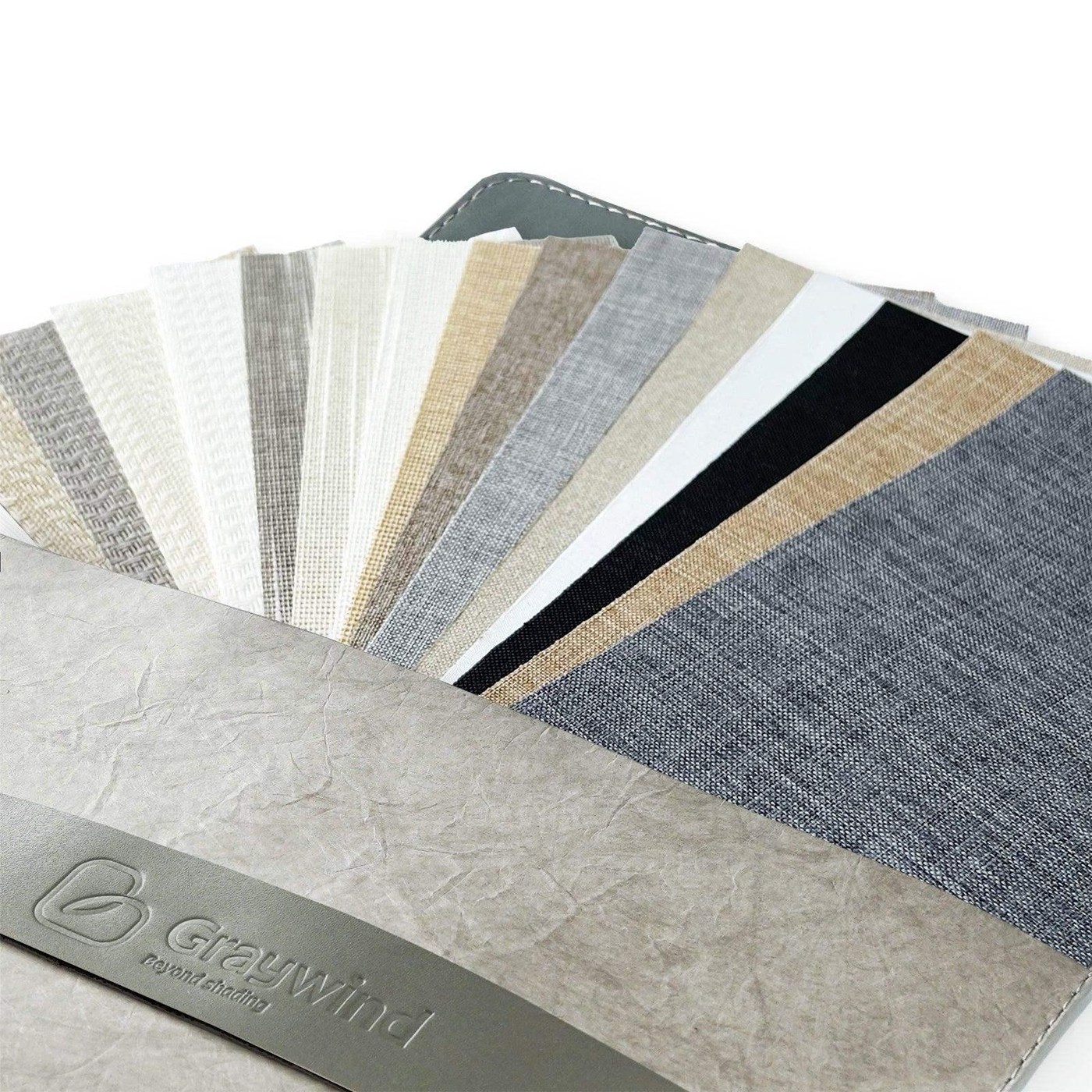
Custom woven wood shades from World Wide Shades start around $95–$175 per window. Order fabric swatches to see how bamboo, seagrass, and jute options look in your actual lighting before committing. Our full guide to woven wood shades covers materials, opacity levels, and liner configurations in detail.
Cellular shades (also called honeycomb shades) are having a moment in 2026, and the reason is straightforward: they deliver measurable energy savings that homeowners can actually see on their utility bills. According to the U.S. Department of Energy, tightly installed cellular shades can reduce heat loss through windows by 40% or more and reduce unwanted solar heat gain by up to 80% during the cooling season. Research from Oak Ridge National Laboratory found that rooms with cellular shades achieved up to 24% heating energy savings compared to standard venetian blinds.
For New York homes — where both winter heating and summer cooling costs are significant — this is a compelling value proposition. A set of double-cell honeycomb shades on five standard 36-inch windows typically runs $600–$900 through World Wide Shades, and the energy savings often recover that cost within two to three heating seasons. Single-cell shades offer solid insulation at a lower price point; double-cell and triple-cell configurations perform best for north-facing rooms or thin older glass. Our energy-efficient window shades guide compares options by climate zone and window type.
The single-shade approach is giving way to layered systems that let you fine-tune light, privacy, and ambiance throughout the day. Multiple design sources for 2026 identify layering as one of the most functional strategies available: combine a light-filtering sheer or solar shade for daytime glare control with a room-darkening roller shade or woven wood for evening privacy. You get full flexibility without sacrificing style at any hour.
For bedrooms especially, layering solves a real problem. A blackout shade handles sleep-quality light control while a sheer layer keeps the room feeling open during daylight hours. Our guide to the best window shades for bedrooms walks through the most effective pairings for different window orientations. In open-concept spaces, using the same base fabric across multiple windows with complementary drapery panels creates cohesion. World Wide Shades can spec layered systems for any configuration — call (844) 674-2716 to discuss.
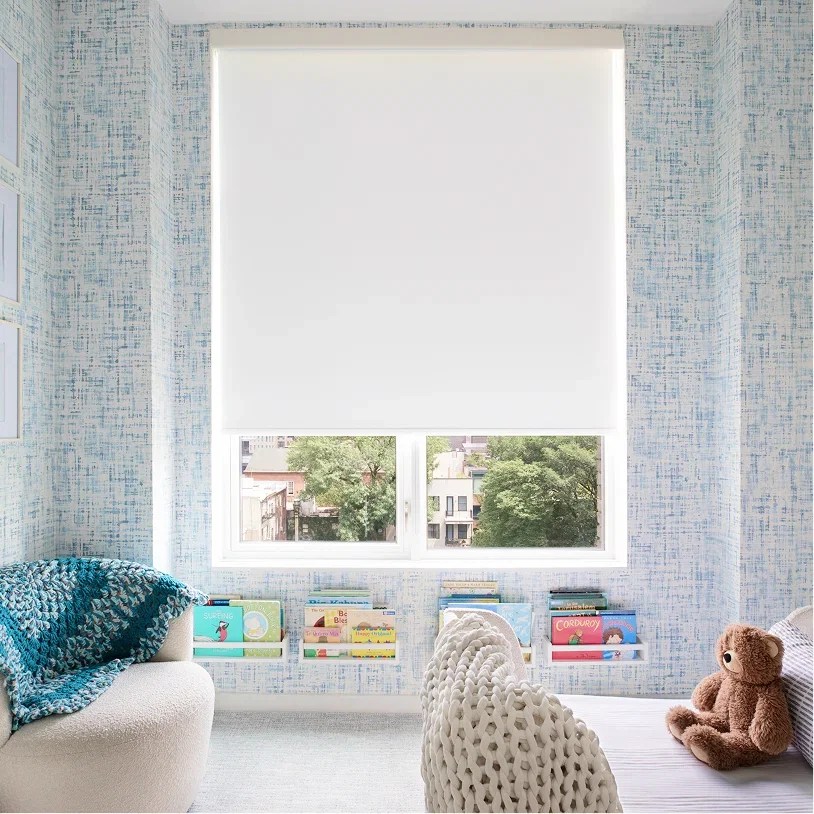
Clean-lined roller shades remain a staple in 2026, but the fabric choices have evolved significantly. The trend is away from flat, plasticky textures and toward performance fabrics with subtle weave patterns, linen-look finishes, and tone-on-tone textures that add depth without drawing attention. Solar fabrics with 3%–5% openness factors are especially popular for living rooms and home offices where glare control matters but views should be preserved.
Outside-mount installations that extend 3–4 inches beyond the window frame on each side are the 2026 standard — they make windows appear larger, maximize light blockage at the edges, and create cleaner sightlines. Recessed cassette rollers, which conceal the barrel inside a ceiling-mounted housing, are increasingly common for high-end installs. Compare construction details in our roller shades vs. roman shades guide, and use the window shades color guide to select the right fabric opacity for your room's light direction.
Acoustic performance is now a practical consideration for New York apartment dwellers and home-office users. Heavier cellular shades and lined roman shades add meaningful sound dampening — enough to take the edge off street noise without requiring a full window replacement. Our noise-reducing window shades guide covers which constructions perform best and how to pair shade type with frame sealing for maximum effect.
What's Out: Styles Fading Fast in 2026
Voluminous panels in heavy velvet, jacquard, or brocade have overstayed their welcome. Design analysts at Made in the Shade confirm the shift is toward lighter, breathable fabrics that allow natural light to filter through. Heavy drapes make rooms feel smaller and darker — the opposite of what 2026's wellness-focused interiors are after. If you love softness, the move is linen-blend panels in warm neutral tones, hung at ceiling height. The goal is airiness, not weight.
The cool gray palette that defined a decade of interior design is officially dated. Designer Raymond Yang of Deonovo noted in Living Edge that the shift away from cool undertones has been the most consistent industry change over the past 18 months. Gray-blue shades read as cold and corporate in 2026's warmer interiors. The replacement colors are mushroom, warm taupe, clay, soft terracotta, and creamy off-white.
Heavy curtain rods with decorative finials, fussy tiebacks, and bulky mounting systems are all out. Concealed hardware, recessed cassettes, and slim powder-coated rods in matte black or brushed bronze are the 2026 standard. The goal is for the fabric to be the visual element — not the rod holding it up.
Pre-cut, one-size-fits-most shades from mass-market retailers rarely fit precisely. Gaps at the frame edges reduce both insulation and light control, and fabric quality tends to degrade within 18–24 months. Custom shades from World Wide Shades are cut to exact window dimensions, ensuring full edge-to-edge coverage. For unusual window shapes — arches, skylights, wide sliding doors — custom is the only option that actually works.
The buffalo plaid curtains and distressed wood valances that dominated home design from roughly 2016–2022 have crossed into cliché territory. Multiple design sources cited for 2026 identify this aesthetic as "trying too hard to be cozy." The replacement isn't stark modernism — it's quiet luxury: high-quality natural fabrics, warm earth tones, and hardware that disappears rather than making a statement.
Practical Buying Advice for 2026
Before ordering, measure your windows at three points and use the narrowest width, subtracting 1/4 inch for inside-mount clearance. For outside-mount installs, extend 3–4 inches beyond the frame on each side. Standard widths in New York apartments run 24–36 inches; windows over 60 inches wide should be split into two shade units to prevent sagging.
Order fabric swatches from World Wide Shades before committing — seeing samples in your actual lighting prevents costly regrets. For households with pets, our pet-friendly window treatments guide covers which fabrics best resist scratching, fur, and moisture. Ready to move forward? Use the online shade builder or call (844) 674-2716 to talk through your project with our team.
Frequently Asked Questions
The leading 2026 window shade trends are smart motorization, organic natural textures (especially woven wood shades in bamboo and grasscloth), energy-efficient cellular shades, and layered light-control systems. Warm earth tones — sand, terracotta, clay, muted sage — have replaced cool grays as the dominant color direction. Slim-profile roller shades with refined linen-look fabrics and concealed hardware remain a versatile staple across room types.
Battery-operated motorized shades run $180–$250 per window for standard sizes (up to 48 inches wide). Hardwired motors with smart-home integration range from $300–$450 per window installed. For sliding glass doors or windows over 72 inches, expect $500–$700 depending on motor type and fabric. World Wide Shades offers free consultations to build accurate project quotes — call (844) 674-2716 or use the online shade builder to get started.
Yes, when paired with an independent liner. Open-weave woven woods allow gentle light diffusion during the day, while a room-darkening or blackout liner — on a separate operating system — provides full privacy at night. This dual-layer setup delivers natural warmth and texture without sacrificing sleep-quality light control. World Wide Shades can configure this for standard and oversized bedroom windows. See our best window shades for bedroom guide for complete pairing recommendations.
Cellular (honeycomb) shades rank highest for thermal performance. U.S. Department of Energy data shows they reduce heat loss by 40% or more and cut solar heat gain by up to 80% during cooling season. Double-cell and triple-cell constructions perform best in cold climates like the Northeast. Solar shades with 1%–3% openness factors handle glare and heat in south- and west-facing rooms while preserving outward views. See our energy-efficient window shades guide for a full comparison.
Update Your Windows With World Wide Shades
The 2026 window shade trends point consistently toward purposeful materials, smart technology, and custom fit over generic off-the-shelf solutions. Whether you're adding motorized roller shades to a home office, installing woven wood shades in a living room, or solving an energy problem with cellular honeycomb shades, the investment pays off in comfort, aesthetics, and long-term savings.
World Wide Shades is a custom window shade business based in the Bronx, NY, serving homeowners, renters, and commercial clients throughout the New York metro area. Every order is configured to your exact window dimensions — no trimming required.
Start your project today:
- Design online: online shade builder
- Request samples: fabric swatches
- Talk to our team: Contact World Wide Shades
- Call us: (844) 674-2716
The right shades don't just cover your windows — they complete the room. Let World Wide Shades help you get there.