For a few years, cool grays and bright whites dominated interiors. Now the pendulum is swinging back toward warmth: beige, tan, oatmeal, sand, and “natural” textures that make a room feel calm and lived-in.
If you’re considering beige roller shades (or any warm neutral shade), the key is choosing the right undertone and fabric texture so the shade looks intentional—not yellow, not orange, and not flat. This guide will help you pick the best warm neutral for your space, and you can start narrowing options immediately with the World Wide Shades Roller Shade Builder.
Why warm neutral roller shades are trending again
Warm neutrals work because they’re flexible. They can look modern, coastal, rustic, or minimalist depending on texture and the finishes around them.
Homeowners are also pairing more wood tones, earthy materials, and softer whites. Beige and natural roller shades complement those choices better than cooler colors.
If you want a bigger-picture look at what’s showing up in design right now, read window shade trends 2026 and our planning guide to window shades color selection.
Beige vs tan vs “natural”: what those labels usually mean
Retail labels can be inconsistent, so it helps to think in undertones.
Beige is typically a light-to-medium warm neutral with a creamy base. It often pairs well with:
- Warm white walls
- Brass or bronze hardware
- Oak, walnut, or cherry wood tones
Tan is usually deeper than beige and can lean caramel or khaki. It tends to work best in:
- Larger rooms with plenty of light
- Spaces with leather, darker woods, or bold contrast
“Natural” usually signals texture more than color. It can include linen looks, woven-like patterns, and subtle variations that feel organic.
If you want that warm, textured look without going fully woven wood, you’ll likely love natural-texture roller fabrics.
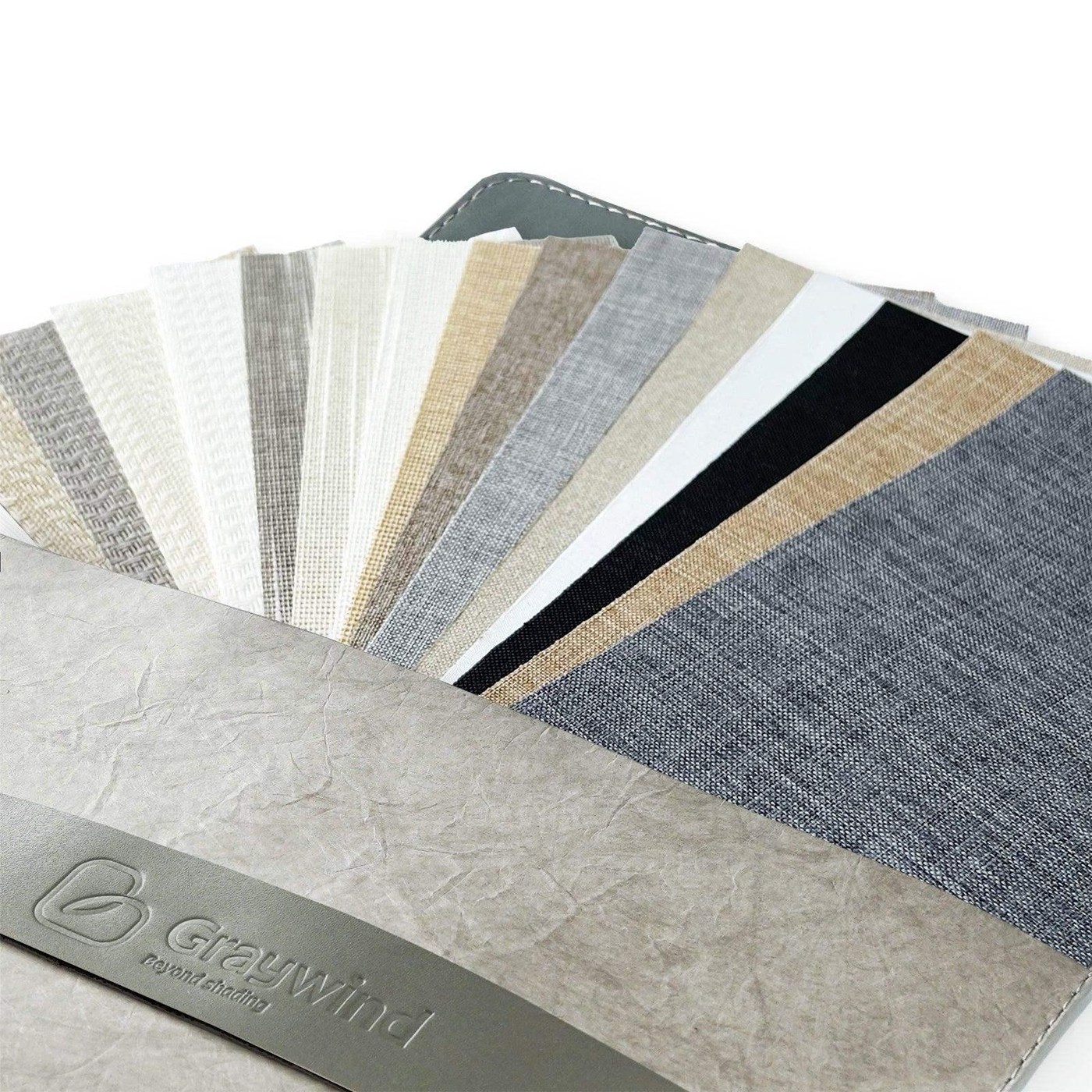
To compare textures in your own lighting, order samples through World Wide Shades swatches. If you want help choosing the right family of neutrals, call (844) 674-2716 or reach out on our contact page.
Step one: identify the undertone in your room
Warm neutrals still have undertones—and that’s what makes one beige look perfect and another look “off.”
Start with the items you’re not changing:
- Flooring (warm oak vs reddish cherry)
- Countertops (creamy vs gray-white)
- Wall color (warm white vs cool white)
- Large furniture (ivory, camel, taupe)
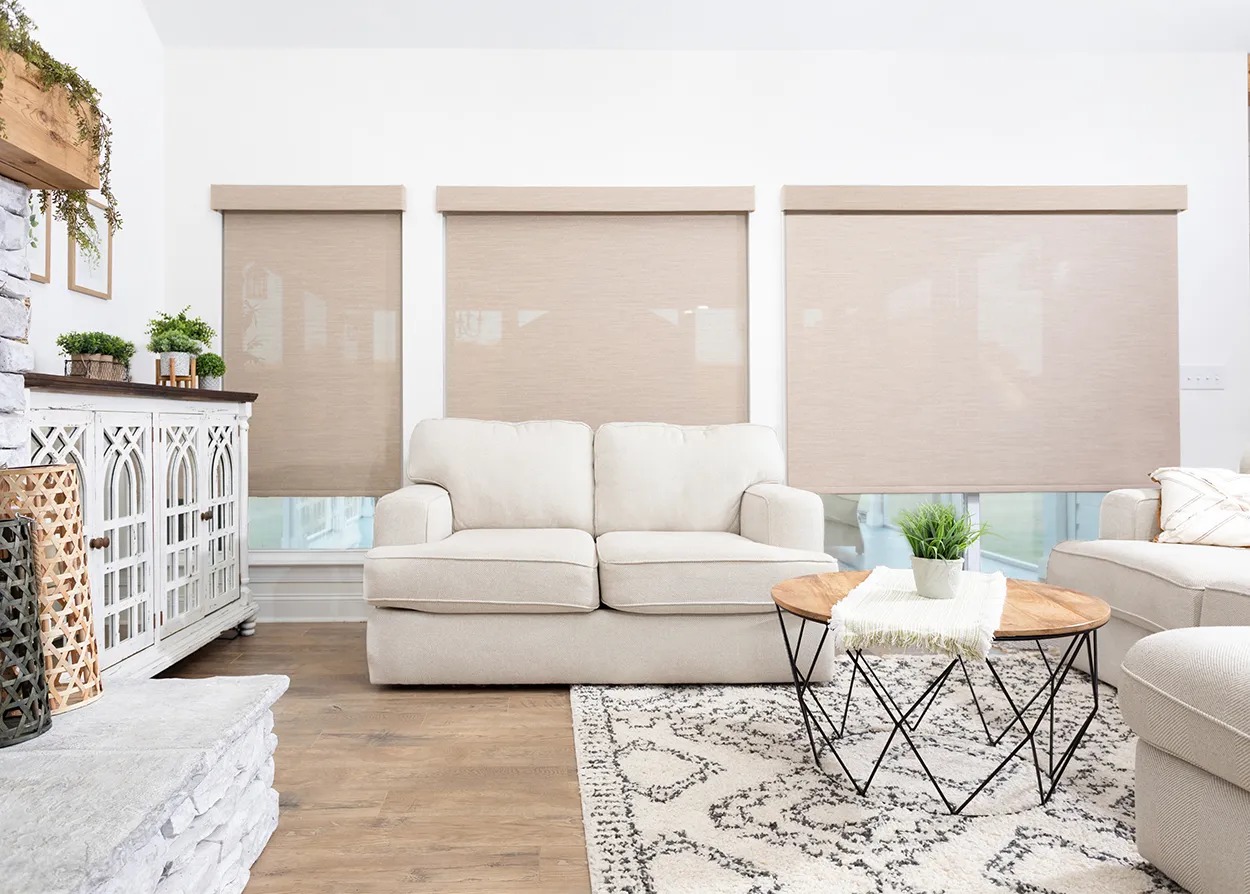
If your room already has warm woods and creamy whites, beige roller shades will usually blend beautifully.
If your room mixes warm and cool (for example: warm floors + cool counters), a balanced “sand” or “oatmeal” shade often works as a bridge.
Step two: choose the right texture (it matters more than you think)
Warm neutrals can look expensive or cheap depending on texture.
Smooth beige shades can look modern, especially when paired with simple trim and contemporary furniture. But they can also look flat if the room doesn’t have enough contrast.
A linen-look roller shade adds depth without feeling busy. It’s a great match for:
- Organic modern rooms
- Scandinavian-inspired spaces
- Coastal and airy interiors
If you’re planning a more natural vibe overall, you may also enjoy our guide to woven wood shades to see how different natural textures compare.
A tiny basketweave or tonal pattern can:
- Hide dust better than a perfectly smooth fabric
- Add visual interest without clashing
- Feel more “designer” at a glance
World Wide Shades offers warm neutrals in multiple weaves and finishes. Build a few favorites in the Roller Shade Builder, then confirm texture and undertone with swatches.
Step three: pick your opacity based on how the room is used
Color and opacity work together. A beige shade that’s light filtering will glow softly. A beige shade that’s blackout will look more solid and can read slightly deeper.
Best for:
- Living rooms
- Kitchens
- Dining rooms
- Open concept areas
Light filtering options are popular because they keep the room bright while softening glare. If you want a deeper breakdown, see our light filtering shades guide.
Best for:
- Bedrooms
- Nurseries
- Media rooms
If sleep is the priority, consider the trade-offs in blackout curtains vs blackout shades and our bedroom-specific advice in best window shades for a bedroom.
If you’re unsure which opacity is right, call (844) 674-2716 and the World Wide Shades team will help you match privacy and light control to your room.
Decorating with beige and tan roller shades: easy pairing formulas
Warm neutrals are flexible, but these formulas keep things cohesive.
This pairing is a classic because it feels soft and bright.
- Choose a shade that’s slightly deeper than the wall for subtle contrast
- Add black or bronze accents for definition
- Use texture (linen-look) to keep it from feeling flat
If your sofa is gray, a warm neutral shade can prevent the room from feeling cold.
- Look for “oatmeal” or “sand” (often less yellow)
- Add a warm rug or wood tones to tie it together
If you’re choosing a gray shade instead, our undertone guide to gray roller shades can help you avoid the blue/purple surprise.
Tan shades can look incredible with camel leather and walnut.
- Choose a deeper tan if the room gets lots of daylight
- Keep walls lighter so the room doesn’t feel heavy
For organic modern rooms:
- Use linen-look or subtly textured “natural” roller fabrics
- Pair with woven baskets, rattan chairs, and light woods
- Keep metals warm (brass) or matte (black)
If you’re considering more natural materials, compare options in woven wood shades guide and decide if you want a woven look or a smoother roller finish.
Preventing the most common warm neutral mistakes
Strong afternoon sun can intensify warmth. If your room gets a lot of golden light (especially west-facing), choose:
- A beige with a slightly grayer base (oatmeal)
- A fabric with visible texture (diffuses color)
Our sunlight-focused tips in best shades for south-facing windows can also help if you’re dealing with bright exposure.
Tan shades can look heavy in small spaces with limited daylight. If you want warmth but not heaviness:
- Pick a lighter beige
- Use light filtering fabric
- Consider outside mount to visually “open” the window area
If you’re still weighing mount style, you may want to review installation basics in how to install roller shades.
Trim is a big clue.
- If trim is bright, cool white: choose a neutral beige that isn’t overly creamy
- If trim is warm white: you can go creamier without issues
Samples are the fastest way to confirm. Order warm neutral options via World Wide Shades swatches and test them directly against trim and wall paint.
How to sample beige/tan shades like a pro
Use the World Wide Shades Roller Shade Builder to narrow down by:
- Opacity (light filtering vs blackout)
- Texture (smooth vs linen-look)
- Control style (cordless, motorized, etc.)
A beige swatch on a table is not the same as a beige swatch in the window.
Tape it up and look at it:
- Morning
- Mid-day
- Late afternoon
- Night with lights on
If you’re torn between two warm neutrals, the World Wide Shades team can help you spot undertones and predict how the shade will read in your room.
Call (844) 674-2716 or send photos through our contact page and we’ll point you to the most reliable choice.
FAQs about beige and natural roller shades
Not anymore. Beige is back because it complements warmer design choices, natural textures, and softer whites. The key is choosing a fabric that looks current—often linen-look or subtly textured rather than flat.
Look for “oatmeal,” “sand,” or “linen” tones with a clean texture. They read modern while still feeling warm.
Very light creams can show smudges more than mid-tone oatmeal or sand. A lightly textured fabric usually hides everyday dust better than a perfectly smooth one.
Choose based on undertone and the room’s finishes.
- If your room is warm (woods, creams, brass): beige or greige often looks best.
- If your room is cool (bright whites, chrome, cool stone): gray can look sharper.
If you’re leaning gray, compare undertones in gray roller shades decor pairing.
Ready to choose a warm neutral that looks right in your home?
Warm neutrals are easy to love when you pick the right undertone and texture.
- Design your shade in the World Wide Shades Roller Shade Builder
- Confirm the color in your lighting with swatches
- Ask for help anytime at (844) 674-2716 or through our contact page
World Wide Shades can help you land on a beige, tan, or natural roller shade that feels timeless, current, and perfectly matched to your space.