Gray roller shades are a go-to choice because they feel “neutral,” but not every gray behaves the same once it’s in your window. A shade that looks perfect online can suddenly read blue in morning light, purple next to a sofa, or muddy beside warm wood floors.
This guide breaks down cool gray, warm gray, and greige (gray + beige) so you can pick an undertone that looks intentional in your space. If you want help narrowing it down fast, start by exploring the custom options on our Roller Shade Builder and save a few contenders before you order samples.
Why undertone matters more than “light” vs “dark”
Most people shop gray roller shades by value first (light, medium, dark). But undertone is what decides whether the gray looks crisp, cozy, or just “off.”
Undertone is the subtle hue underneath the gray—often blue/green (cool), yellow/red (warm), or beige/brown (greige). Your walls, floors, and even your light bulbs can pull that undertone forward.
If you’re already comparing shade styles, you may also like our broader overview on window shade color planning and the trend-focused roundup in window shade trends 2026.
Quick rule of thumb: match undertone to the fixed finishes
Before you look at fabric books, walk your room and list the finishes you are not changing:
- Flooring (warm oak vs cool gray LVP)
- Countertops (creamy quartz vs icy marble)
- Large upholstery pieces (beige, charcoal, taupe)
- Metal finishes (brass reads warmer; chrome often reads cooler)
When those fixed pieces lean warm, warm gray or greige roller shades usually look most natural. When those fixed pieces lean cool, a cool gray can look sharp and modern.
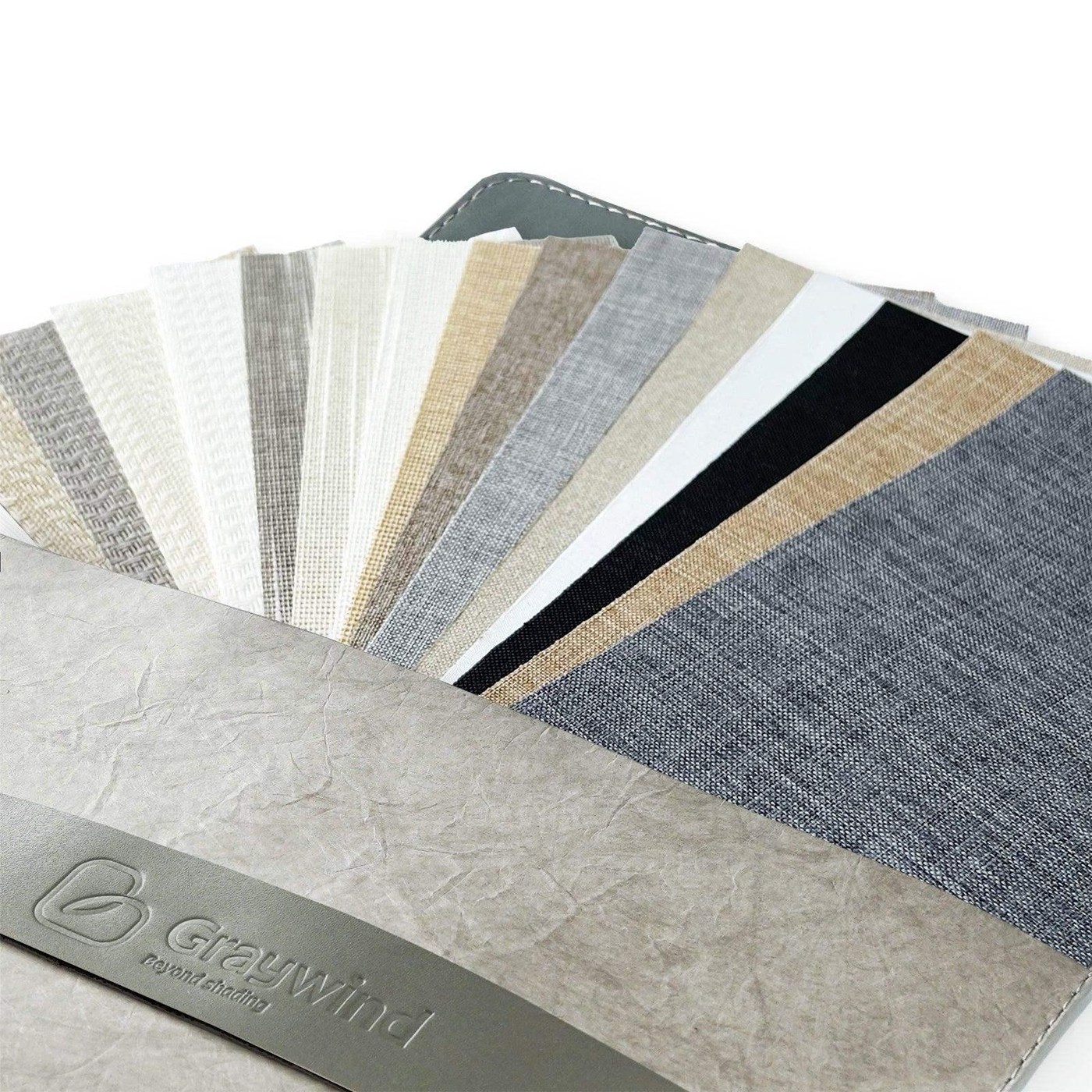
To see how a shade will look next to your exact finishes, request physical swatches from World Wide Shades through our swatch program. If you want a quick recommendation first, call (844) 674-2716 or reach out on our contact page.
Cool gray roller shades: crisp, modern, and sometimes “blue”
Cool gray roller shades have a blue, green, or violet undertone. They’re popular in modern homes with bright whites and cool-toned materials.
Cool gray tends to work well in:
- Minimal or modern interiors with white walls
- Spaces with stainless, chrome, or black metal accents
- Rooms with cool stone or marble
- Offices where you want a clean, focused vibe
If glare control is a priority in a modern workspace, pair a cool gray tone with the performance tips in our guide to energy-efficient window shades and consider a tighter openness factor if you’re leaning toward solar fabrics.
A cool gray can feel sterile if everything else is also cool. Two easy fixes:
- Add warmth through textiles (wood, woven textures, warm whites)
- Choose a cool gray that is slightly softened (not “pure” steel gray)
If you love the clean look but need comfort, consider a gray that’s labeled “smoke,” “pewter,” or “mist” rather than “silver.”
North-facing rooms tend to have cooler daylight. That means a shade that already leans cool can look extra blue in the morning and mid-day.
If your room gets mostly cool daylight, request samples and view them:
- In the morning
- At mid-day
- At night with lamps on
World Wide Shades makes this easy—start by picking 3–5 options on our Roller Shade Builder, then confirm with swatches before committing.
Warm gray roller shades: cozy, soft, and great with wood
Warm gray roller shades have a beige, yellow, or red undertone. They’re a strong match for warm wood floors, creamy whites, and traditional or transitional rooms.
Warm gray often looks best in:
- Living rooms with warm wood furniture
- Bedrooms with creamy bedding and softer palettes
- Kitchens with warm cabinets or brass hardware
- Transitional spaces that blend modern and traditional
If you’re styling a sleep space, you can also compare light control options in best window shades for a bedroom.
If your walls are a very cool “bright white,” a warm gray shade can look slightly dingy. That doesn’t mean you can’t do it—it just means you should aim for a warm gray with a clean finish (less brown) or consider greige.
When in doubt, World Wide Shades can help you choose an undertone that complements your paint and trim. Call (844) 674-2716 to talk through the room and get pointed in the right direction, or send photos via our contact page.
Greige roller shades: the safe bridge between warm and cool
Greige is the “best of both worlds” neutral. It’s ideal when your room mixes warm and cool finishes—like warm floors plus cool countertops, or black hardware with beige upholstery.
Greige shades typically:
- Hide minor dust and everyday wear better than true charcoal
- Pair smoothly with both warm woods and crisp whites
- Feel contemporary without looking cold
Greige is also a great way to align with current design preferences while staying timeless. For more on the neutral-forward direction, see window shade trends 2026.
Greige can still swing one way depending on the fabric:
- Linen-look textures can push greige warmer
- Smooth, tightly woven fabrics can look cooler and more “gray”
- Heavier blackout backings can slightly shift the face fabric
Because of those variables, we strongly recommend confirming with physical samples. Get started with World Wide Shades swatches, then finalize sizing and lift options in the Roller Shade Builder.
How lighting changes gray roller shades (more than you expect)
Gray is sensitive to light temperature and direction. Here’s how to plan around it.
In west-facing spaces, afternoon sun is warmer. That can make cool gray look more balanced—or make a warm gray look extra beige.
If your room gets strong afternoon sun, consider balancing with:
- A slightly cooler greige
- A textured fabric that diffuses color shift
- Light filtering instead of sheer to reduce harsh contrast
You can also reference our sunlight-focused guidance in best shades for south-facing windows if your room is bright for most of the day.
Bulb temperature matters:
- 2700K–3000K (warm) tends to pull out beige/yellow undertones
- 3500K (neutral) is usually the most “honest” for grays
- 4000K–5000K (cool) can pull blue/green undertones forward
If you’re updating lighting soon, pick bulbs before you finalize your gray roller shades so your samples reflect the final environment.
Texture and weave: the secret weapon for better-looking grays
Two shades can share the same “gray” label but look completely different because of texture.
Smooth roller fabrics tend to:
- Look cleaner and more minimal
- Show undertone more clearly
- Highlight straight lines and modern trim
Textured fabrics tend to:
- Diffuse light more pleasantly n- Hide slight color shifts
- Feel warmer and more residential
If your goal is a high-end, lived-in neutral, a textured greige or warm gray can be a great choice.
To compare finishes in your own space, pick a few textures in the World Wide Shades swatches and hold them next to your walls and flooring.
Light control: choose the right opacity for each room
Color is only half the decision. Light control changes the way gray reads.
Light filtering grays are popular for:
- Living rooms
- Kitchens
- Open-concept areas where you want daylight
They soften brightness while keeping the space feeling open. If you’re still weighing opacity, review our practical breakdown in light filtering shades guide.
Blackout is ideal for:
- Bedrooms
- Nurseries
- Media rooms
In blackout fabrics, the backing can slightly affect the face tone. Always confirm with samples if blackout is a must.
If you’re comparing solutions, our article on blackout curtains vs blackout shades can help you decide which style fits your room.
Sampling method: how to test gray like a designer
If you want the “right” gray, don’t guess. Test.
Use the World Wide Shades Roller Shade Builder to shortlist options by fabric type, opacity, and control style.
Order your finalists through swatches and write the name on the back of each sample (painters tape works well).
Check each swatch:
- Right against your wall paint
- Against your biggest fixed finish (floor, sofa, counters)
- In the window itself (tape it up)
Look at your swatches:
- Morning daylight
- Mid-day daylight
- Sunset/late afternoon
- Nighttime with your lamps on
If you want a second opinion, send a few photos through our contact page or call (844) 674-2716 and we’ll help you spot undertones before you order.
Gray roller shades with popular palettes (real-world pairings)
- Cool gray: crisp and modern
- Warm gray: softer, more classic
- Greige: easiest “safe” match
If your whites are bright and cool, lean cool gray or cooler greige. If your whites are creamy, lean warm gray or warm greige.
Greige is usually the most seamless. True cool grays can look too blue against beige paint.
Warm gray or greige typically works best because it echoes the warmth in the wood without turning orange.
If your room has black hardware, black light fixtures, or dark frames, medium cool gray can look sharp. Greige also works if the room has warm elements.
FAQs about gray roller shades
Yes—gray is still popular, but the direction has shifted. Many homeowners are moving from icy cool grays toward warmer grays and greige because they feel more natural with wood tones and warm neutrals.
Greige is often the most forgiving because it bridges warm and cool finishes and is less likely to look blue or purple.
Not necessarily. A lighter gray with light filtering fabric can feel airy. A dark charcoal can feel moodier and more enclosed, especially in small rooms with limited daylight.
You don’t have to match exactly. Many designers prefer a subtle contrast—either a shade slightly deeper than the wall or a greige that echoes the room’s warmth.
Make gray roller shades easy: design, sample, and order with confidence
If you’re ready to choose gray roller shades that look right all day (not just in a product photo), use World Wide Shades to do it in a simple process:
- Build your ideal shade in the Roller Shade Builder
- Confirm the undertone with swatches
- Reach out for guidance at (844) 674-2716 or through our contact page
World Wide Shades is here to help you land on a gray, warm gray, or greige that fits your home—and looks intentional in every kind of light.