What makes a home library or reading nook different
A reading space has two goals that sometimes conflict: you want enough light to read comfortably, but you also want soft, controlled light that doesn’t wash out pages or create harsh glare on glasses, tablets, or glossy book covers.
Home libraries add another layer: books are sensitive to light. Sun exposure can fade spines, yellow pages, and discolor dust jackets over time. The “best” roller shades for a library aren’t just decorative—they’re protective.
If you’re designing a library that feels good year-round, start with a shade that does three things well:
- Diffuses daylight for comfortable reading
- Reduces glare on screens and glossy paper
- Cuts UV exposure to protect books and furnishings
CTA: Want help picking a fabric that balances view, coziness, and protection? Use the World Wide Shades configurator to compare fabrics and control types: Start in the builder.
The two types of light control every reading space needs
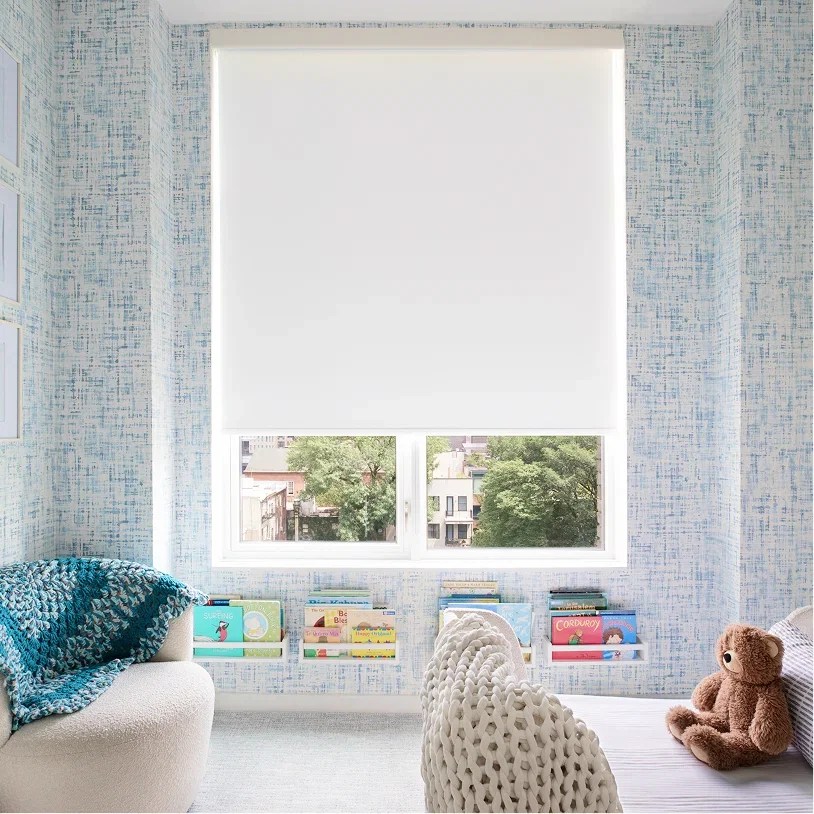
For reading, the best daylight is even and indirect. Roller shades with light-filtering or screen fabrics spread bright window light across the room.
Glare usually comes from a low sun angle (east mornings, west afternoons) that hits your page or device at just the wrong angle.
A simple rule: if you read in the same chair daily, set up your shade so you can stop it at the exact height that blocks the glare line.
If your reading nook has a TV or monitor nearby, you’ll also like: Best Shades for Home Office Zoom.
Best roller shade fabrics for book protection + cozy light
Light-filtering fabrics create a warm, calm ambience without turning the room into a cave.
What to look for:
- Fabric described as diffusing rather than “sheer”
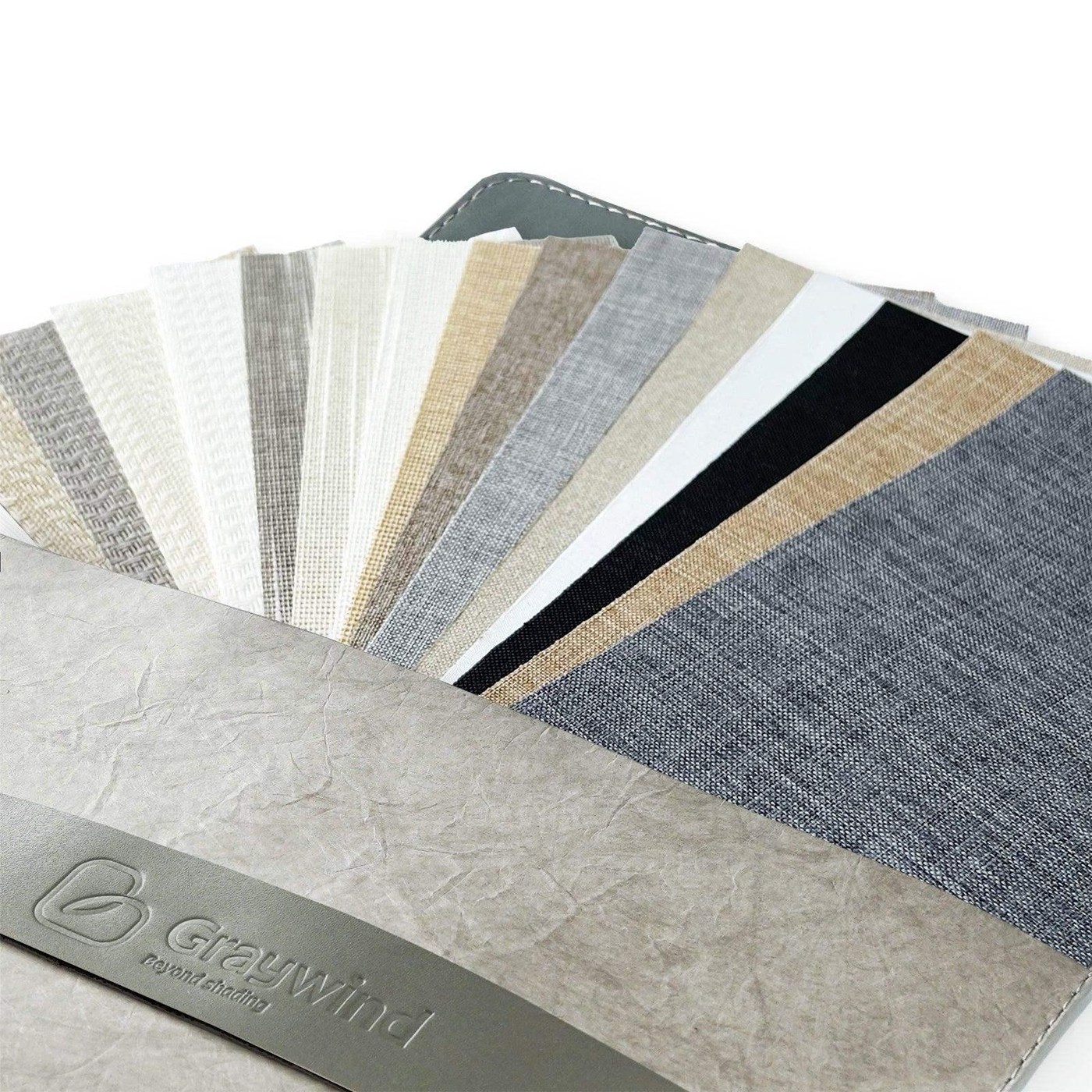
- A neutral tone (soft white, oatmeal, light gray) to avoid color cast
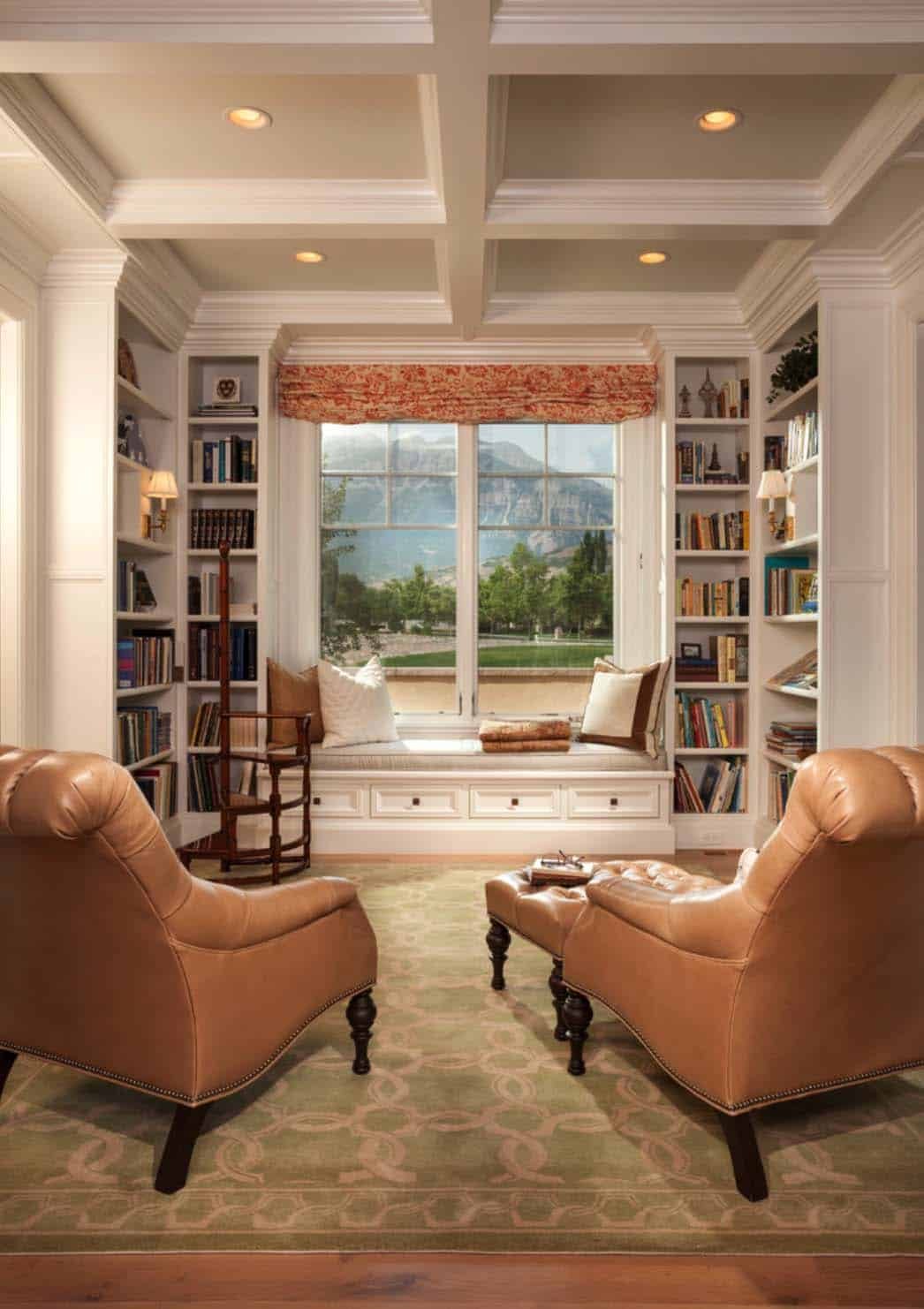
- A texture that complements wood shelves and leather chairs
If you like bright but cozy spaces, these guides help with color selection: White Roller Shades Style Guide and Window Shades Color Guide.
CTA: If you’re unsure between two neutrals, World Wide Shades makes sampling easy: Order swatches.
Screen fabrics are excellent when you want to keep a view (trees, city skyline) while protecting your eyes.
They’re especially helpful in:
- Libraries with large windows
- Reading corners next to bright patios
- Rooms with computer work mixed in
Openness is the key spec:
- 1%–3% openness: strongest glare reduction and privacy during the day
- 5% openness: balanced daylight + view (a common “sweet spot”)
- 10% openness: brightest feel with maximum view, but less glare control
More detail: Roller Shade Fabric Openness Guide.
If your library doubles as a media room, blackout can make the space more flexible.
- Blackout helps protect rare books and art.
- Room-darkening is often enough if your main goal is reading comfort and privacy.
Related: Blackout Curtains vs Blackout Shades.
UV protection: how to keep books from fading
Sunlight is one of the biggest contributors to book fading in sunny rooms.
Practical steps that work together:
- Use a UV-focused shade fabric (screen or light-filtering with strong UV reduction).
- Close shades during peak sun exposure windows.
- Keep valuable books 12–24 inches away from direct sun patches.
- Rotate displayed items seasonally if a window hits one shelf more than others.
For more UV-focused guidance: UV Protection Window Shades.
CTA: Want a recommendation that matches your windows (direction, size, and sun intensity)? Contact World Wide Shades at (844) 674-2716 or use our contact page.
Creating a “warm library” look: color, texture, and hardware choices
Reading spaces are often about mood. Roller shades can contribute without feeling sterile.
- Soft white or ivory (classic, bright but not clinical)
- Oatmeal, linen tones, and warm light gray
- Muted taupe for wood-heavy rooms
Textured fabrics, linen looks, and subtle weaves work well with:
- Natural wood shelving
- Leather chairs
- Brass or matte black lighting
If you like natural texture, this may inspire you: Woven Wood Shades Guide.
Operation style: what works best when you read daily
Cordless is popular for reading nooks because it’s clean, quiet, and uncluttered. It’s also safer in homes with kids.
Related: Child-Safe Window Treatments.
Chain control is ideal if you want precise, repeatable placement to block a glare line at the exact height.
Motorization can make a library feel “high end,” but the real benefit is convenience.
- Schedule shades to close during peak afternoon sun to protect books.
- Use voice control so you don’t leave your reading chair.
CTA: Interested in motorized options that work with your smart home? Explore: Motorized Shades Alexa + Google Home and then build your system with World Wide Shades: Get started in the builder.
Inside mount vs outside mount for libraries and reading nooks
Inside mount is the classic library look—especially with nice trim.
Outside mount can reduce side gaps and help block direct sun on shelves, which can be important for book protection.
If you’re trying to tighten light control: Roller Shade Light Gaps: Side Fix.
CTA: Not sure which mount your windows support? World Wide Shades can help you choose—call (844) 674-2716 or reach us via contact.
Cost expectations for custom library roller shades
Costs vary by size, fabric type, and upgrades.
Typical cost drivers include:
- Large picture windows and wide spans
- Premium textures or specialty screen fabrics
- Motorization and smart controls
For a realistic planning baseline, read: How Much Do Custom Roller Shades Cost?.
CTA: For a fast, window-by-window quote, use the World Wide Shades builder: Price your shades now.
Fabric protection: keeping rare books, art, and collections safe from UV
Even filtered daylight causes cumulative damage to book bindings, paper stock, and framed artwork. Museums use 50 lux (about 5 foot-candles) as their preservation lighting standard for sensitive collections — most home libraries run at 200 to 800 lux during daylight hours. World Wide Shades solar screens with 3% openness block roughly 97% of visible light and up to 99% of UV, dropping ambient light into the museum-preservation range while still preserving your view.
For dedicated collection rooms, we recommend layering two shade types: a solar screen on the room side for daytime use, plus a blackout roller shade behind it for full protection when the room is unused. This double-shade configuration mimics what conservation libraries use for their reference collections and has become standard for our high-end home library clients.
Related: UV Protection Window Shades covers the science of UV damage and fabric ratings in detail.
Warm light temperature: how shade fabric color changes reading experience
The color of the shade fabric acts like a light filter — a warm oatmeal or cream fabric transmits a warmer, more amber-toned light into the room, while a cool grey or pure white fabric transmits a cooler, bluer light. For libraries and reading nooks, warmer tones (2700K to 3000K color temperature equivalent) reduce eye strain during long reading sessions and match the incandescent or warm LED bulbs most people install in reading lamps.
Our top-selling reading-nook fabrics are Warm White, Soft Linen, and Oatmeal in a 5% openness solar screen — enough light transmission to read comfortably during the day, warm enough to feel inviting, and neutral enough that the shade doesn't compete with wood shelving or upholstery.
CTA: Order swatches to see fabric colors in your specific reading light. Get free samples at World Wide Shades swatches.
Motorization for tall floor-to-ceiling library windows
Home libraries with dramatic floor-to-ceiling windows often have shades that are simply too tall for comfortable manual operation. A 108-inch shade with a chain requires 50+ chain pulls to fully raise — impractical for daily use. Motorized shades solve this instantly, and for reading-focused rooms they add a specific benefit: schedule the shades to lower automatically at sunset to prevent evening glare on your reading chair from streetlights, headlights, or exterior sconces.
We recommend battery-powered motors for library retrofits (no wiring, 12 to 18 months of battery life on typical use) and hardwired motors for new construction where you can add a low-voltage line during framing. Both integrate with Alexa, Google Home, and Apple HomeKit for voice control while reading.
Related: Smart Home Motorized Shades Setup walks through the installation and app configuration process.
CTA: Talk with a World Wide Shades design consultant about your library layout. Call (844) 674-2716 or reach out through contact.
FAQ: home library and reading nook roller shades
Yes. Roller shades can diffuse daylight for comfortable reading, reduce glare on pages and screens, and add UV protection to reduce book fading.
If your room gets intense sun, 1%–3% screen fabrics typically reduce glare the most. For balanced light and view, 5% is a common choice.
They can significantly reduce UV exposure when you choose UV-focused fabrics and close them during peak sunlight hours. Also keep valuable books out of direct sun patches.
Choose blackout if the space doubles as a media room, if you store rare books, or if you want maximum UV and light control. Otherwise, light-filtering shades often feel more comfortable for everyday reading.
Warm neutrals like soft white, oatmeal, and light taupe usually feel cozy and pair well with wood shelving without shifting color too aggressively.
Next step: design a library shade that protects books and feels inviting
The best reading room is one you want to sit in every day—comfortable light, minimal glare, and protection for the collection you’ve built.
CTA: Build your ideal setup with World Wide Shades: Start in the builder. For quick guidance on fabrics and UV protection, call (844) 674-2716 or visit our contact page.