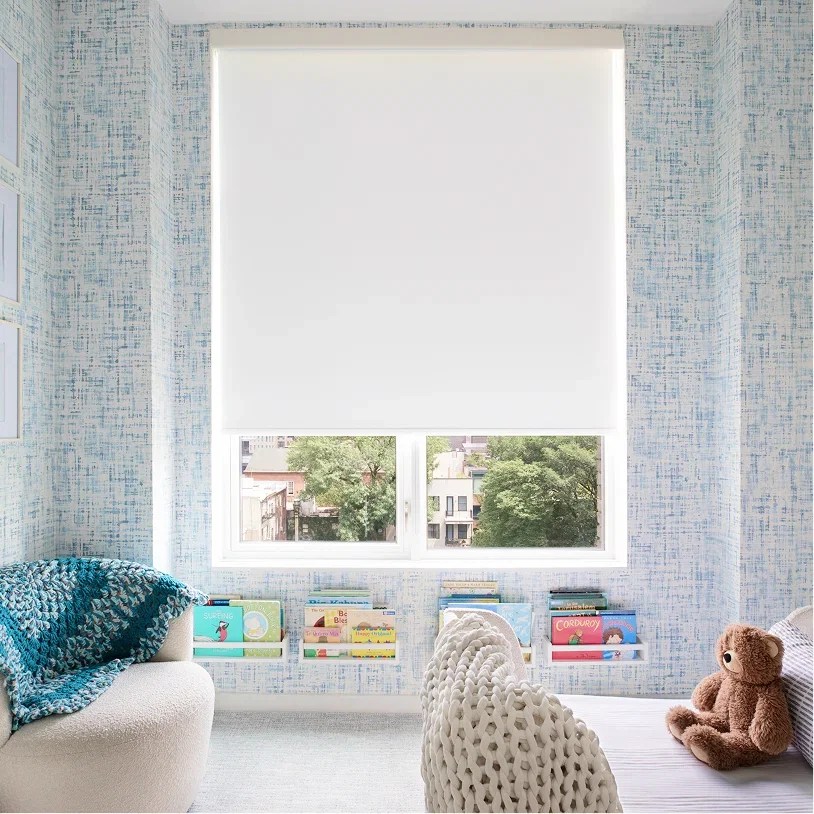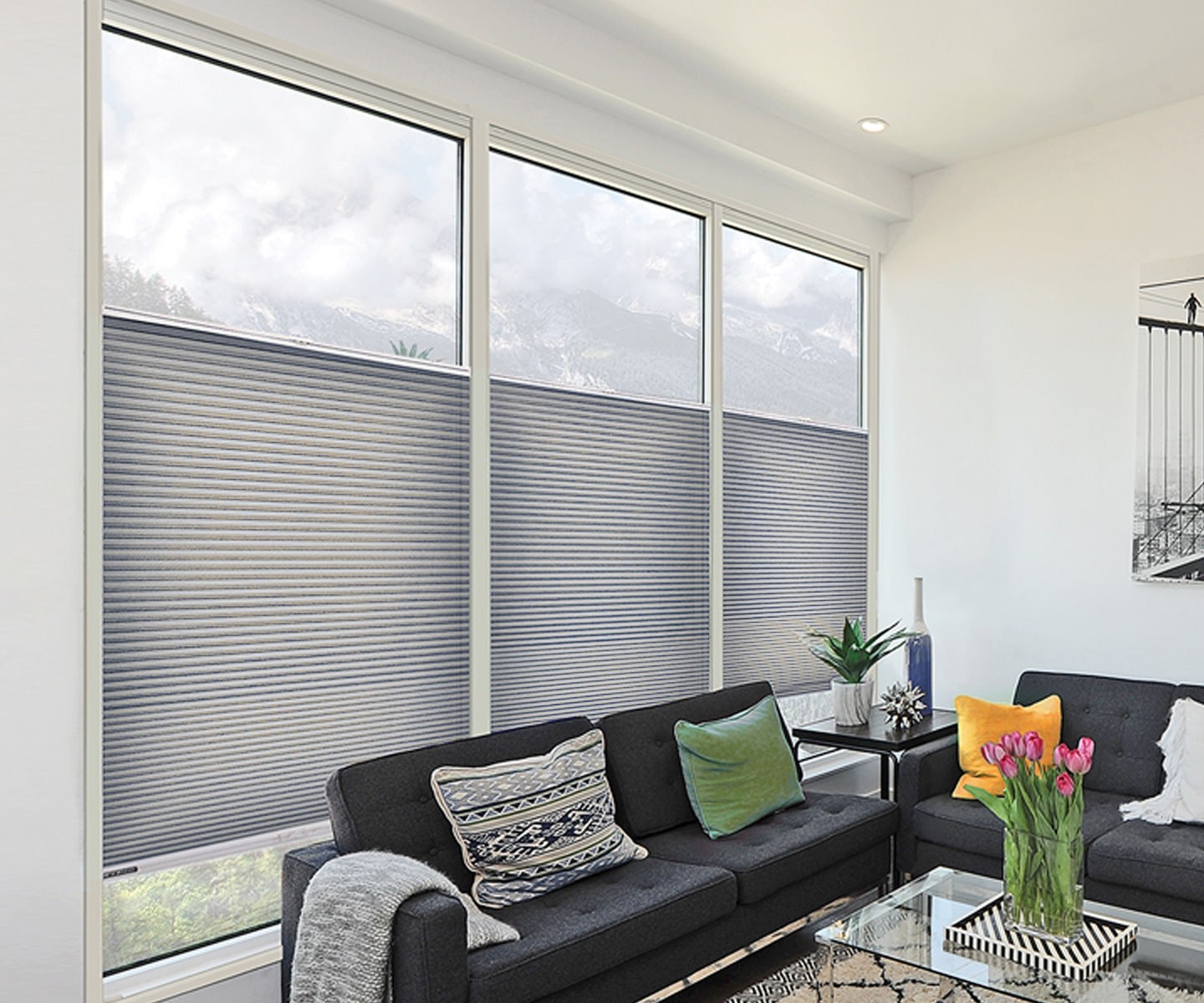
Roller shades for tall, narrow windows solve a specific design problem: the opening has much more height than width, so a small mistake in proportion or mounting can make the shade look top-heavy, hard to reach, or mechanically unstable. A well-specified shade keeps the long vertical line clean while controlling glare and privacy at the right times of day.
The most important questions are not simply “what size is the glass?” They are: where does the shade need to stop, how far can the roll project, and who will operate it? World Wide Shades can coordinate those details from fabric selection through hardware; begin with the World Wide Shades builder if the window is high, shallow, or part of a group.
What counts as tall and narrow?
There is no single industry ratio that defines a tall, narrow window, but a width-to-height ratio below about 0.60 is a useful design warning. A 24-inch-wide by 72-inch-tall opening has a 1:3 ratio; a 30-inch-wide by 84-inch-tall opening is about 1:2.8. At those proportions, the fabric roll is narrow but the operating travel is long, so the bracket alignment and bottom-rail weight matter.
The classification also depends on location. A 30-by-84-inch window above a stair landing is functionally more difficult than the same opening in a reachable bedroom. Note the sill height, floor-to-head height, nearby furniture, and whether a ladder would be required. Send those dimensions through /contact or call (844) 674-2716 before choosing manual control.
Start with the operating height
A chain-controlled shade can work when the headrail is within comfortable reach and the chain can hang clear of furniture. Keep the control on the side that is easiest to approach and avoid placing it where it can be caught by a door or cabinet. If a child or pet uses the room, choose a cordless design or motorized control and review child-safe window treatments.
Motorization is often the practical answer when the bottom of the shade is high above a stair, landing, or double-height space. A remote, wall switch, or smart-home routine avoids a long pole and gives you repeatable positions. Use separate groups if the tall windows face different directions.
A battery motor can be installed without opening the wall, but plan how the battery will be recharged. A hardwired motor can be cleaner for new construction, especially when several high windows share a control zone. World Wide Shades can review access, wiring, and motor load through the builder.
Proportion and fabric choices
Tall, narrow windows often look best with a simple roller profile that follows the vertical geometry rather than adding a wide decorative treatment. A cassette can hide the roll and make the headrail feel finished, while an exposed tube keeps the top lighter. Compare the visual impact in roller shade valance options before choosing hardware only by price.
Fabric openness controls the relationship between view, glare, and privacy. A 1%–3% solar screen can preserve a daytime view while reducing direct brightness, but nighttime privacy changes when indoor lights are on. A light-filtering fabric diffuses daylight and is often more forgiving in a narrow opening. A blackout fabric can provide sleep or projection control, but side gaps become visible against the long edge.
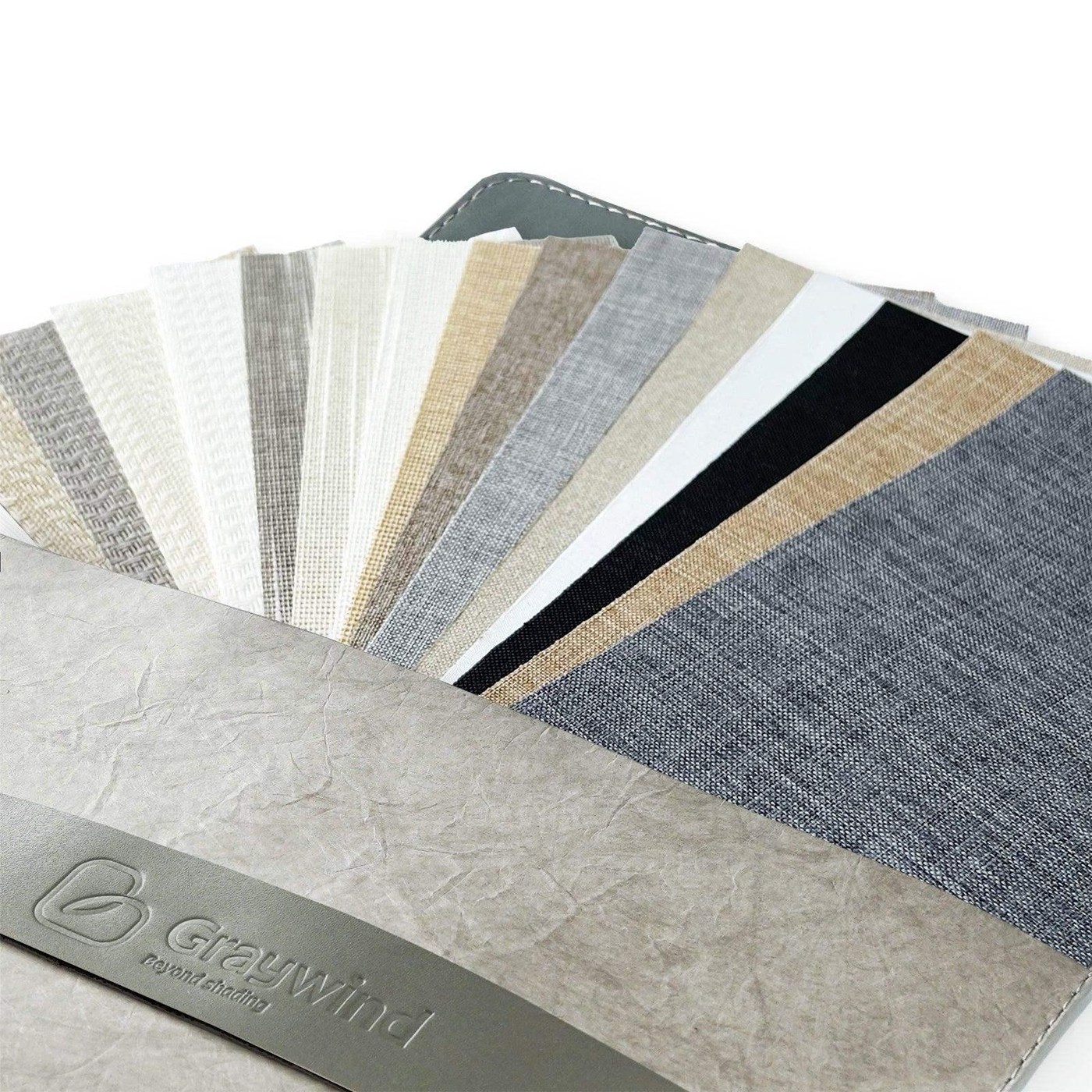
Use the light-filtering shades guide, best fabrics for roller shades, and window shade color guide to compare texture and openness. Request real samples from /swatches; a 2-inch sample cannot show every shift in a tall opening, but it can reveal whether the fabric reads warm, gray, or stark against the frame.
Measuring a tall narrow window
Measure width at the top, middle, and bottom and height on the left, center, and right. Record the smallest and largest readings rather than averaging them away. If the opening is out of square by 1/8 inch or more, the long fabric edge can make the difference visible as the shade travels.
For an inside mount, check depth for the roll, bracket, and bottom rail. A shallow opening may require a low-profile bracket or outside mount. For an outside mount, mark the desired coverage above and beyond the frame, then check whether the mounting surface is strong enough for the full height and motor weight.
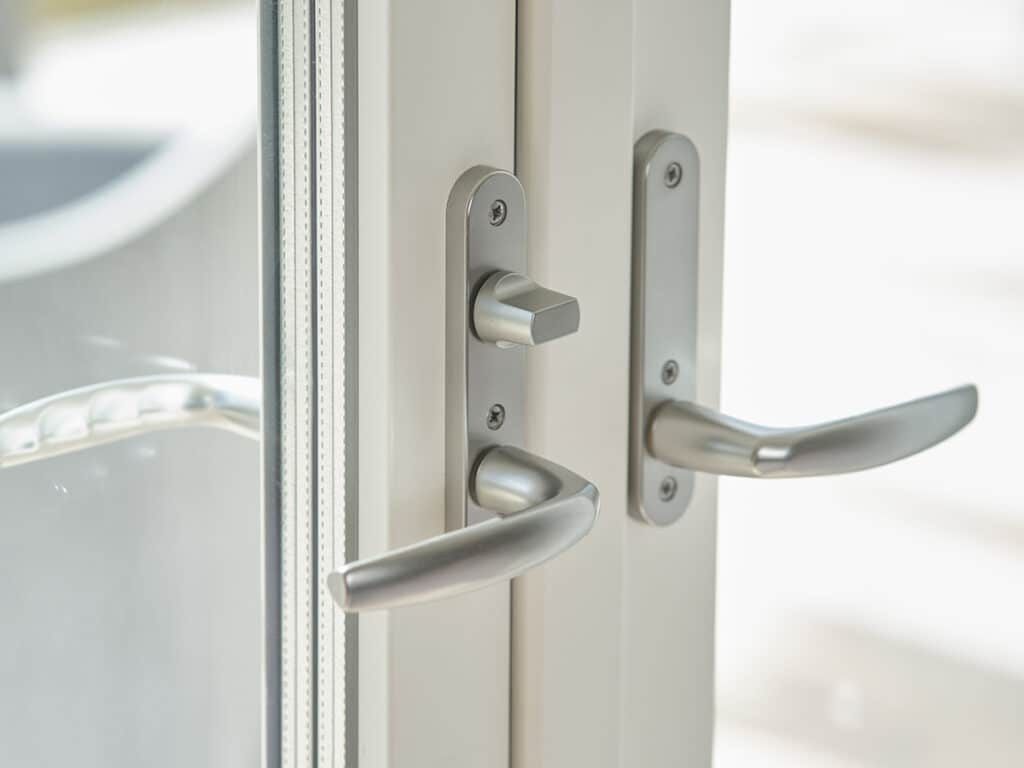
Do not use the glass measurement as the final order size. Handles, screens, trim, and a nearby wall can change how far the fabric can travel. World Wide Shades can verify deduction and mounting assumptions from /contact, which is safer than trimming a shade that was ordered too narrow.
Preventing telescoping and crooked rolls
Tall narrow shades have a long travel path, so small alignment errors can compound. Telescoping occurs when the fabric walks toward one side of the tube. Causes include an unlevel headrail, a bracket at the wrong depth, fabric tension, or friction from a frame or side guide.
Use a level across the brackets, keep the tube parallel to the sill, and check that the bottom rail hangs square before testing the full travel. Do not pull the fabric sideways to “teach” it to roll straight. If the roll drifts or stops at inconsistent heights, see why a roller shade rolls up crooked and stop before the edge rubs through.
Side channels can guide a blackout shade and reduce side light, but they need a flat, aligned mounting surface. Roller shades with side-channel light blockers explains when the extra hardware helps and when a simple solar fabric is more appropriate.
One tall window or a vertical group?
A single tall opening can use one shade if the tube, motor, and fabric are rated for its dimensions. A row of narrow windows may look more balanced with one shade per opening, especially when mullions have different widths or the windows need independent privacy. A single wide shade across the group reduces gaps but increases tube load and may be harder to service.
For a bank of three 18-inch-wide windows, three coordinated shades can create cleaner sightlines than one 54-inch shade if the mullions are prominent. If the windows are high, group the motors for a single command but retain individual channels. World Wide Shades can help compare the cost and visual trade-off through the builder.
Matching shades to rooms
In a bedroom, the priority may be darkness and a quiet morning operation. In a hallway, a translucent fabric may preserve daylight while limiting direct views. In a bathroom, choose a moisture-tolerant material and keep the shade clear of splashing water; roller shades for kitchens and bathrooms covers ventilation and material decisions.
Tall windows in a stairwell can expose a home at night from the street. A dusk routine can close those shades automatically, but the control should remain accessible for cleaning and emergencies. In a home office, glare control is often more important than full blackout; pair a solar screen with a monitor position that avoids the brightest angle.
Use /contact to describe the room and operating height. World Wide Shades can suggest a fabric and motor that fit the space instead of treating every tall opening as the same product.
Cost and long-term value
A custom manual roller shade for a tall narrow opening may start around $150–$400, while a motorized unit often falls around $350–$1,200 depending on fabric, cassette, width, height, and control system. High-access installation can add labor because the installer may need a ladder, lift, or additional safety time. Use how much custom roller shades cost as a planning guide, not a guaranteed quote.
A slightly higher-cost motor can be worthwhile when the shade is used daily or cannot be reached safely. Replaceable batteries, a supported control protocol, and serviceable brackets matter over a 5–10-year ownership period. World Wide Shades can compare options and provide a fit-focused recommendation at (844) 674-2716.
Frequently Asked Questions
A simple roller shade with correctly sized fabric and shallow, stable hardware is usually a strong starting point. Choose solar, light-filtering, or blackout fabric based on glare and privacy, then decide whether the control can be reached. A motorized shade is often best for high openings.
Use one shade when the opening is within the tube and motor’s rated dimensions and you want a continuous look. Use two when the opening is unusually tall, needs top and bottom zones, or must be operated independently. A professional can confirm load and proportion before ordering.
Check that the brackets are level, the tube is parallel to the sill, and the fabric is not rubbing a handle, screen, or side channel. Do not pull the fabric sideways. If it still telescopes after alignment, stop cycling it and request service from World Wide Shades.
They are often worth it because they remove ladders and long poles and can close the window at a consistent time. Battery versus hardwired control depends on access and project stage. Keep a wall switch or remote as a manual fallback.
Many designs use about 1–2 inches of coverage beyond each side, but the correct amount depends on frame depth, fabric opacity, glare direction, and side-channel requirements. Measure the actual wall and trim before selecting a deduction or overlap.
Tall, narrow windows look intentional when proportion, operation, and mechanics are planned together. World Wide Shades can coordinate those decisions from samples to installation; start with /swatches, use the /builder, or contact World Wide Shades for help with a hard-to-reach opening.