Rental property window shades take more abuse than any other category in the residential window treatment market. The math is simple: a typical owner-occupied home cycles its shades 3–5 times per day. A rental property with annual tenant turnover sees move-in inspections, move-out inspections, photo shoots, repairs, repaints, and the cumulative wear of multiple households over the same shade hardware.
Most landlords learn this the hard way. They install builder-grade shades at unit construction or renovation. Within 3–4 years, those shades are sagging, faded, dirty, or broken. Replacement during occupancy is a nightmare. Replacement between tenants adds vacancy days that cost more than the shades themselves.
Across the World Wide Shades customer base, multi-unit landlords consistently report the same pattern: spending 20–40% more upfront on the right fabric and hardware saves 2–3 replacement cycles over a 15-year hold period. This guide walks through the spec choices that matter for rental properties.
The five forces that destroy rental property shades
Each move-in and move-out involves shades being raised and lowered repeatedly, sometimes by tenants who don't know how the mechanism works. Standard cordless shade mechanisms can fail within 1,000 cycles when used roughly. Premium spring mechanisms handle 10,000+ cycles.
World Wide Shades rental-grade roller shades use commercial-rated cordless mechanisms tested to 25,000+ cycles — equivalent to 10+ years of heavy tenant use.
Tenants don't know what fabric they're dealing with. They scrub natural-linen-look fabrics with bleach. They pressure-wash blackout shades. They machine-wash anything that fits. The result: ruined fabric within months of a new tenant moving in.
Synthetic fabrics — polyester, vinyl, coated-polyester — are far more tolerant of misuse. They wipe clean with damp cloths and survive bleach contact. See our polyester vs vinyl vs PVC fabric comparison for specifics.
Kids pull on shade cords. Pets scratch at the bottom of shades. Both shorten shade lifespan dramatically. Cordless shades eliminate the cord problem entirely. Heavy-weight bottom rails resist pet damage and stay straight when bumped.
For pet-specific considerations, see our pet-friendly window treatments guide. For child safety, see our child-safe window treatments guide.
Rental units sit empty during turnovers. During those weeks, shades often stay open all day to maximize natural light for photos and showings. This concentrated direct sun exposure ages fabric faster than typical occupied use.
UV-rated fabrics from World Wide Shades carry multi-year warranties against premature fade even under heavy direct sun exposure. For tenant-occupied units, this matters less. For high-turnover or premium units, it matters a lot.
Even if shades only need replacement every 5 years, doing it during occupancy is brutal. Coordinating with tenants, scheduling installation, handling complaints, replacing damaged drywall around new brackets. Most landlords end up waiting until the unit turns over, which means living with broken shades or covering windows with sheets.
Premium shades that last 12–15 years align with typical multi-year hold periods. They get replaced once at unit refurbishment, not multiple times during occupancy.
What rental property shades actually need
Cordless is non-negotiable for rental properties. Three reasons:
- Safety: cord-related child injuries are still a real issue. Cordless eliminates the risk entirely. Many states now require cordless shades in rental units with children.
- Durability: cords break, get knotted, get cut. Cordless mechanisms have fewer failure points.
- Insurance: some landlord insurance policies offer reduced premiums for cordless installations.
World Wide Shades offers fully cordless roller shades as the standard spec for rental properties.
Polyester, vinyl, or coated-polyester. Skip natural fibers — they're beautiful but they don't survive tenants. Specifically avoid:
- Linen (warps with humidity)
- Cotton (stains permanently, shrinks if washed)
- Jute and natural wovens (fragile, expensive to replace)
- Wool (moth damage, expensive cleaning)
Stick with synthetic fabrics that wipe clean and tolerate misuse. The look can still be sophisticated — natural-linen-look polyester gives the visual texture without the durability problems.
Rental units cycle through tenants with very different decor preferences. A shade in a trendy color now will look dated in 5 years. Neutral colors — white, off-white, oat, mushroom, sand, warm grey — work across decor styles and last through trend cycles.
World Wide Shades "rental-grade" fabric collection focuses specifically on neutral palettes that work in any unit.
Cassette headrails cover the roller tube, which prevents tenants from tampering with the mechanism. Inside mounts also create a cleaner look that photographs well during turnover marketing.
For multi-unit landlords, having a few standard shade sizes that fit most of your unit's windows saves money and reduces replacement complexity. Stock 2–3 spare shades per building and you can swap broken ones in minutes during turnover.
Premium rental-grade roller shades should carry at least a 5-year manufacturer warranty covering mechanism failure and fabric defects. World Wide Shades rental-grade products carry 7-year warranties on mechanisms and 5-year warranties on fabric.
Specifying shades for different rental property types
The most flexible category. Spend up on premium shades since tenant care is typically better than in apartments. Choose fabrics that signal quality during showings — natural-linen-look polyester in oat or warm white is the standard pick.
Typical spec from World Wide Shades:
- 5% openness solar shade in light-filtering fabric
- Cassette headrail with white finish
- Cordless operation
- 7-year warranty
Cost per window: $200–$400 installed.
Standardize sizing across all units. Choose the most durable fabric available. Use uniform exterior-facing color throughout the building for HOA/permit compliance — see our condo HOA window shade approval guide for compliance specifics.
Typical spec from World Wide Shades:
- Vinyl or coated-polyester fabric in white
- Standard inside-mount roller (no cassette to reduce cost)
- Cordless operation
- Bulk pricing on identical sizing across units
Cost per window: $150–$300 installed.
Different math entirely — guest experience matters. See our Airbnb roller shades guide for guest-experience optimization. Briefly: spend on blackout in bedrooms (sleep quality affects reviews), invest in photogenic fabrics for listing photos, and standardize across units.
Maximize durability per dollar. Vinyl fabric, simple cordless mechanism, white color, no cassette. The goal is bulletproof, not beautiful.
Typical spec from World Wide Shades:
- Premium-vinyl fabric in white
- Standard inside-mount roller
- Cordless cordless mechanism
- Heavy-duty bottom rail
Cost per window: $120–$220 installed.
The opposite end. High-end fabrics, motorization, full coordination with unit decor. Reputation and tenant retention justify the spend.
Typical spec from World Wide Shades:
- Natural-linen-look polyester
- Cassette headrail with brushed bronze finish
- Optional motorization for high-end units
- Coordinated fabric story across windows
Cost per window: $350–$700 installed.
Bulk pricing and multi-unit logistics
Multi-unit landlords benefit from project-pricing structures that don't exist for single-home buyers. World Wide Shades offers:
- Bulk pricing tiers: 10+ window orders, 25+ window orders, 50+ window orders
- Standardized sizing programs: reduce per-unit cost by ordering shades in batches matched to common window sizes
- Spare stock allocation: order 1–2 spares per 10 shades for turnover-replacement use
- Delivery scheduling: stagger shipments to match construction/renovation timelines
- Installation coordination: for projects over 25 units, World Wide Shades can coordinate professional installation
To discuss multi-unit projects, call (844) 674-2716 or reach us at /contact.
What ROI looks like for rental property shades
A 12-unit apartment building example:
- Builder-grade shades at original construction: $80 per window × 4 windows × 12 units = $3,840 initial
- Replacement every 4 years over a 16-year hold: 3 replacements × $3,840 = $11,520 in replacements
- Vacancy days during replacement: estimated 2 days per unit × 12 units × 4 replacement cycles × $100/day rent = $9,600 in vacancy
- Total 16-year cost: approximately $24,960
The same building with rental-grade World Wide Shades:
- Initial install: $200 per window × 4 windows × 12 units = $9,600 initial
- One mid-term refresh at year 10: estimated $7,500
- Vacancy days saved during occupancy: estimated $4,000 savings
- Total 16-year cost: approximately $13,100
Net savings over 16 years: $11,860 plus better unit appearance during the entire hold period, plus better tenant retention, plus easier turnover marketing.
For your specific portfolio math, call (844) 674-2716 for a project consultation.
Common rental property shade mistakes
The classic mistake. Tenants notice. Listing photos look worse. Vacancy days go up. The savings on shades cost you more than the upgrade would have.
Cord safety is a serious issue. Many states now require cordless shades in rentals with children. Even where not required, the liability exposure is real.
Sage green was trendy in 2022. Burnt orange was trendy in 2024. Mushroom is trendy in 2026. By 2030, all three will read as dated. Stick with timeless neutrals.
$50–$100 more per shade. Photographs better for listings. Resists tenant tampering. Worth it for any unit renting above your market median.
Different fabrics, different colors, different mounting styles within a single unit signals neglect. Tenants notice. Spend the extra $50 to make all shades in the unit match.
Some markets require specific shade specs for rentals. NYC has child safety regulations. California has cord regulations. Florida has hurricane considerations. World Wide Shades can confirm local compliance requirements during project consultation.
Coordinating shades with unit upgrades
When you're already renovating between tenants — fresh paint, new flooring, deep cleaning — that's the cheapest moment to upgrade shades. The unit is empty, contractors are already on site, and unit downtime is being absorbed.
Pair shade upgrades with:
- Cabinet refinishing (kitchen shades match cabinet hardware finishes)
- Fresh paint (shade fabric should complement new wall color)
- Floor refinishing (cassette headrail and bracket finishes should match other hardware in the unit)
- HVAC upgrades (motorized shades can integrate with smart thermostats)
For multi-unit landlords planning rolling renovations, scheduling shade upgrades during turnover blocks maximizes the cost efficiency.
FAQs: rental property roller shades
With premium rental-grade specs, 10–15 years. With builder-grade, 3–5 years before replacement becomes necessary. The math heavily favors premium specs for any hold period over 5 years.
Varies by state and locality. NYC, California, and several other states have restrictions on corded shades in rental units, especially those with children. Cordless is the safe default everywhere.
Vinyl or coated-polyester. Both wipe clean, tolerate misuse, and survive aggressive cleaning attempts. Avoid natural fibers entirely.
Generally no for standard rentals — adds cost and complexity without proportionate ROI. Worth it in luxury rentals, high-end vacation rentals, or units with hard-to-reach windows where manual operation is impractical.
Generally yes — window treatments installed in rental units are typically depreciable assets. Consult your accountant for specific tax treatment in your situation.
Take down shades, clean or replace as needed, install new ones during the empty period. World Wide Shades can ship replacement orders timed to match your turnover schedule.
Premium rental-grade shades should carry at least 5 years on fabric and 5–7 years on mechanism. World Wide Shades rental-grade products carry 5-year fabric and 7-year mechanism warranties.
Ready to spec shades for your rental portfolio?
World Wide Shades offers rental-grade custom roller shades with bulk pricing, standardized sizing programs, and warranty coverage built for landlords. To get started:
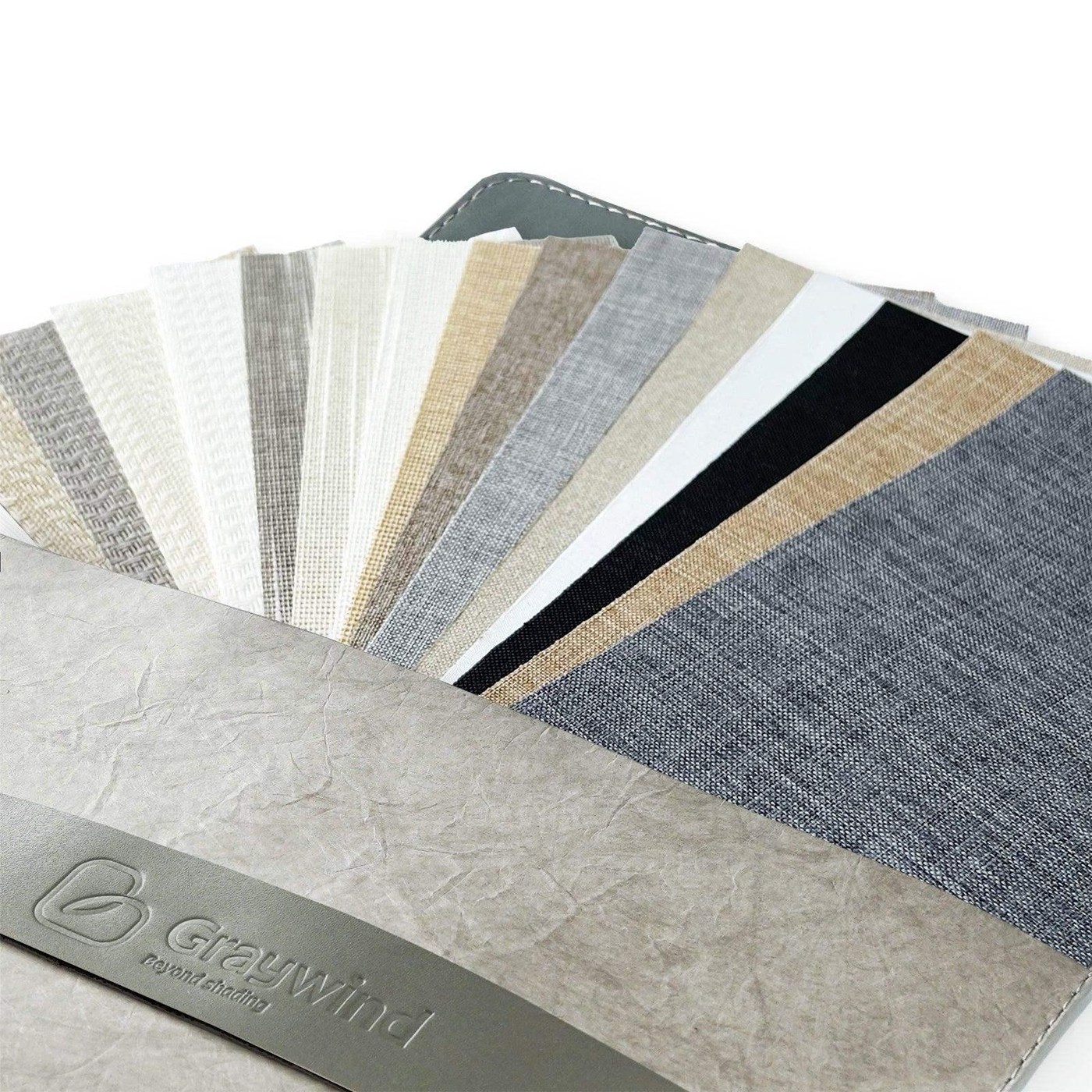
- Browse rental-grade fabric options in our swatches gallery.
- Configure single-unit shades in the online builder.
- For multi-unit pricing, project planning, or rental-specific consultation, call (844) 674-2716 or reach us at /contact.
World Wide Shades helps landlords protect their ROI with shades that survive tenant cycles and stay looking good through years of turnover.