Battery-powered motorized shades remove dangling cords and avoid opening walls for new wiring, but every homeowner eventually asks the same practical question: how often will the batteries need attention? The honest answer depends on shade width, fabric weight, daily cycles, temperature, and the motor platform. A small light-filtering shade used twice a day may run for 12–18 months between charges; a wide blackout shade that moves four times daily may need service in 4–8 months.
World Wide Shades helps you plan for battery life before you order, not after a shade stops halfway up. Begin with the World Wide Shades builder to compare fabric and control choices, then contact World Wide Shades with approximate widths, heights, and the number of daily movements. A realistic duty cycle produces a better result than a generic “long-lasting battery” promise.
What motorized shade battery life usually means
“Battery life” can mean either operating cycles or calendar time. A cycle is one complete movement, such as open plus close, while a calendar estimate assumes a particular number of cycles per day. If a manufacturer rates a motor for 500 cycles, that does not automatically equal 500 days. Two open-and-close events per day can use 730 movement cycles in a year if the rating counts individual directions.
For planning, many residential rechargeable systems fall into these useful ranges:
- Light use: one open-and-close cycle per day, often about 12–24 months for a moderate-size shade.
- Typical use: two to four cycles per day, commonly about 6–18 months.
- Heavy use: six or more movements per day, often about 3–9 months.
These are planning ranges, not a warranty or a promise for a particular motor. World Wide Shades can identify whether your proposed fabric and width create a light, medium, or heavy load. Ask World Wide Shades for a configuration review before assuming a small battery will handle a 96-inch-wide blackout shade.
The five factors that change runtime
A 24-by-48-inch solar screen does not ask the motor to do the same work as a 72-by-96-inch room-darkening roller. Wider fabric creates a longer roll, and heavier fabric increases the torque required to start and stop. A cassette, bottom bar, side channels, or an oversized hem can add more load. Two shades with the same height can therefore have very different charge intervals.
Schedules, scenes, and geofencing are convenient, but each command consumes energy. A bedroom shade that opens at 7:00 a.m., closes at 8:00 a.m. for glare, opens at noon, and closes at sunset has already moved four times. Add manual adjustments and a battery can lose several months of expected runtime. Set a default schedule, then use a scene for exceptions rather than creating a dozen small movements.
The smart home motorized shades setup guide explains how grouped scenes reduce unnecessary commands. World Wide Shades can also help you create a control plan in which a bank of shades moves together, rather than six motors receiving six separate commands a few seconds apart.
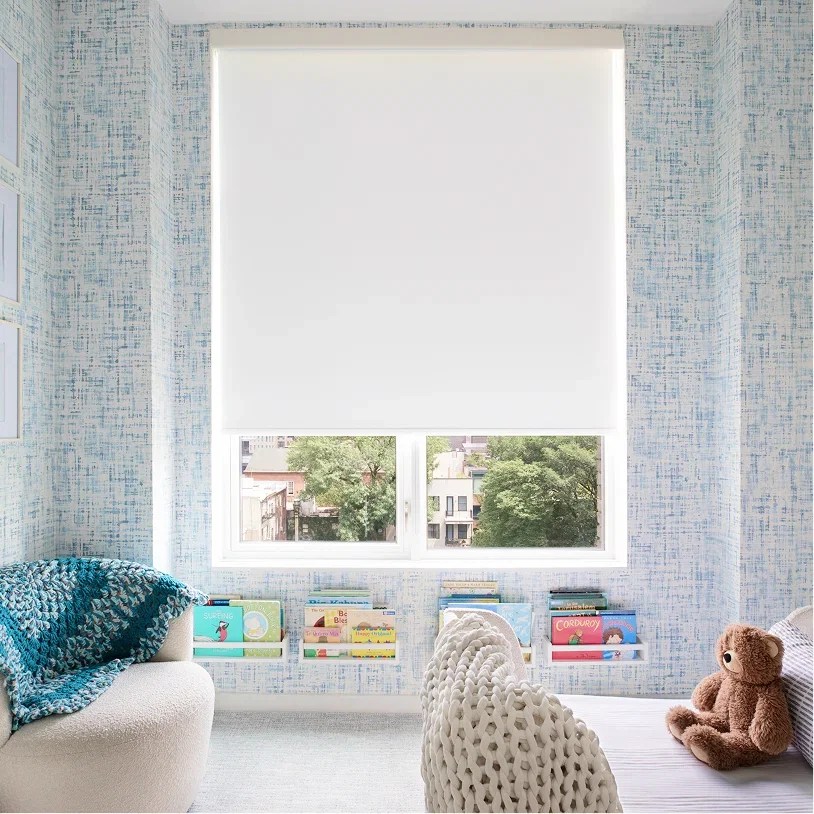
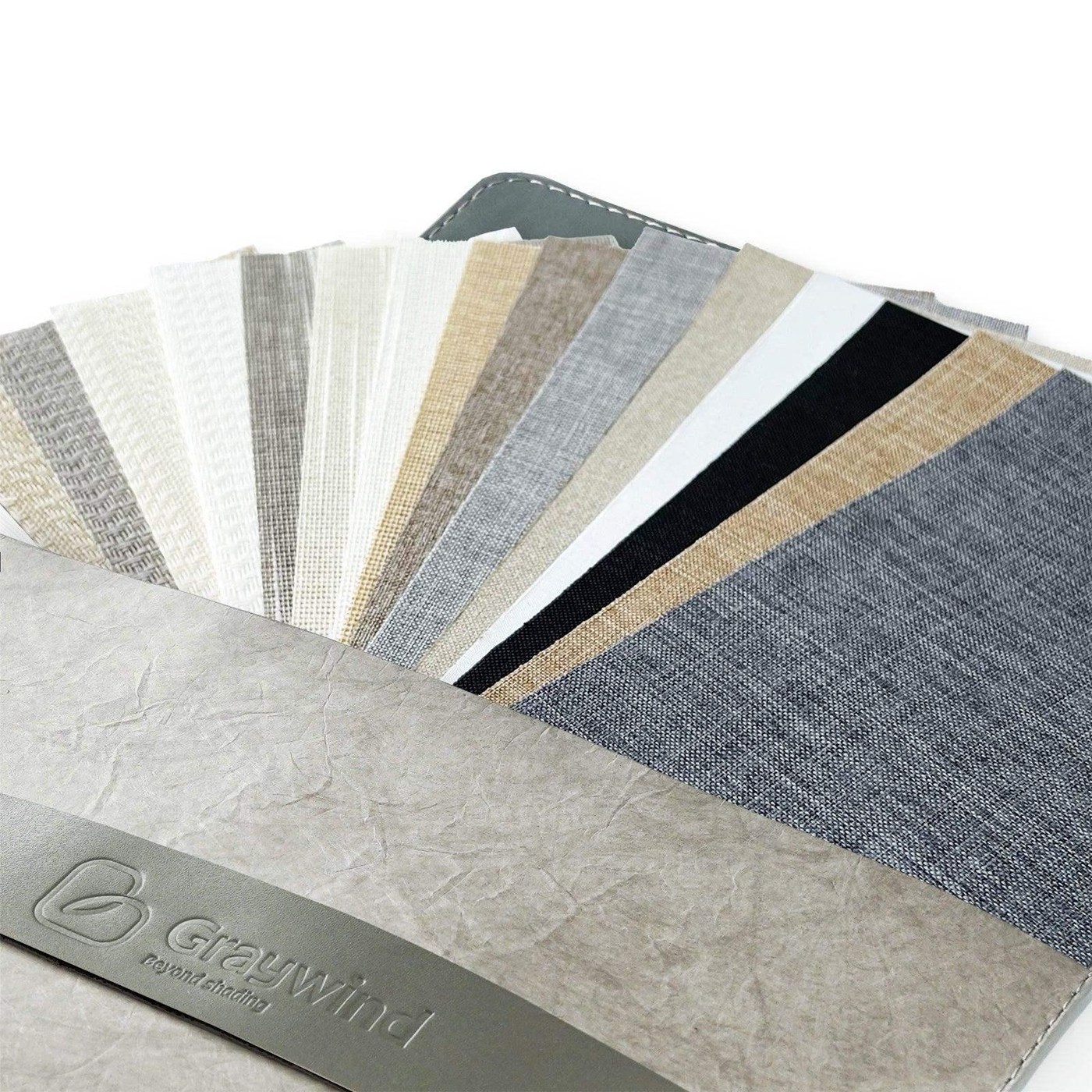
Solar screen fabrics are often specified at 1%, 3%, 5%, or 10% openness. A lighter 5% or 10% fabric may be easier for a motor than a dense blackout fabric with a heavier coating. Blackout fabric is still a good choice for a bedroom, but it should be matched to a motor with enough capacity. Compare performance goals in the light-filtering shades guide before selecting the heaviest cloth by default.
Battery chemistry is sensitive to temperature. A battery in a very cold garage-adjacent room or a hot sunroom may deliver less useful capacity than one inside a stable interior. Direct solar heating, a tightly enclosed valance, and a charger stored near a heat source can also shorten service life. Keep the charging area dry, ventilated, and accessible.
A shade that is constantly searching for a weak wireless signal may use more standby energy than one with a strong hub connection. Place the bridge or hub where it can communicate with the shade bank without being buried inside metal cabinetry. If a shade is rarely used, disable a redundant automation rather than leaving several systems polling it.
How often will you recharge a shade?
A practical maintenance plan starts with the room, not a single number. For a typical bedroom using two movements daily, mark a calendar review every six months. If the shade still reports a strong charge, extend the interval. For a living room with sunrise, afternoon glare, and evening privacy scenes, check every three to four months until you learn the pattern.
Recharge before the motor reaches zero. A shade that stops at 30% open is harder to diagnose than one that gives a low-battery alert while it still operates. Keep the original charging cable labeled by room. If a window is more than 10 feet above the floor, plan a safe access method or ask about a concealed power option during design. Call World Wide Shades at (844) 674-2716 with the room height and shade count so the team can discuss charging access.
Rechargeable battery versus hardwired power
Rechargeable power is usually the cleaner retrofit. It avoids electrician time, drywall repair, and a new low-voltage route. A homeowner might budget roughly $50–$150 for an appropriate replacement battery or charging accessory, although exact pricing depends on the motor system and whether a service visit is needed. Installation is faster when every shade can be reached from a stable ladder.
Hardwired power costs more upfront because an electrician may need to route cable, add a transformer, and coordinate with the shade installer. A small residential wiring allowance might be $300–$900 for a simple group, while difficult access or multiple rooms can cost more. The benefit is near-zero routine charging and a better fit for tall windows, commercial settings, or shades that move many times daily.
The how much do custom roller shades cost guide helps separate the shade, motor, fabric, and installation portions of a budget. World Wide Shades can compare rechargeable and wired options without treating the lowest initial price as the only criterion. Use the builder to price a battery and hardwired scenario before a project is finalized.
What to ask about a battery system
Ask whether the battery is removable, charged in place, or connected to a dedicated cable. Confirm how the low-battery notification appears: remote indicator, app alert, audible signal, or no warning. A shade that is difficult to reach should have a clear notification and a service plan.
Confirm maximum width, maximum drop, fabric weight, and whether a cassette or side channel changes the limit. A motor can lift a sample shade in a showroom and still be underpowered for a wide blackout installation. World Wide Shades should receive the finished shade dimensions, not only the glass size, before recommending a motor.
Some systems allow a local button or emergency manual movement; others should never be forced. Ask what happens when the battery is empty or the hub is offline. Teach everyone in the home the safe recovery procedure, especially if the shade covers a door or an emergency egress window.
Battery planning by room
Bedrooms: Two daily movements and blackout fabric often produce a moderate load. Schedule opening after the household wakes, not at sunrise, and place charging access on the order sheet. For children’s rooms, pair motorization with the recommendations in the child-safe window treatments guide.
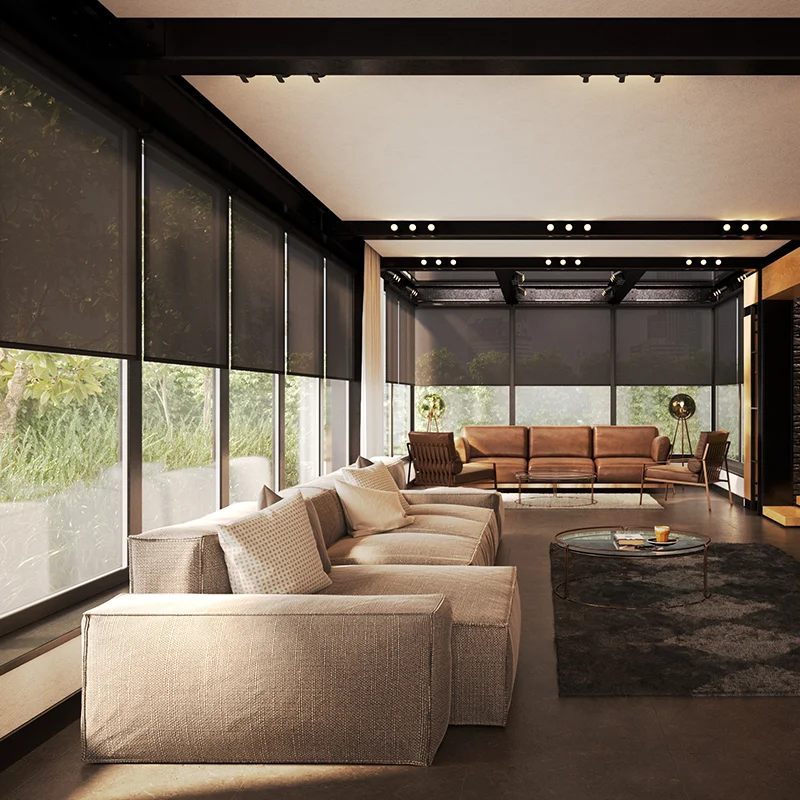
Living rooms: Glare scenes can create frequent movement. A 3% or 5% solar screen may control television reflections without requiring a heavy blackout construction. If south or west glass receives strong sun, coordinate with the energy-efficient window shades guide and choose schedules that reduce unnecessary adjustments.
High windows: Battery convenience can disappear if a ladder is required. Motorization is still useful, but hardwiring or a planned charging extension may be the better total-cost choice. Call World Wide Shades at (844) 674-2716 before ordering a motor for a two-story room.
Home offices: A shade may move repeatedly during video calls. Set a 50% preset for normal work, use a glare scene when needed, and avoid manual up-down testing throughout the day. Request World Wide Shades swatches to compare screen fabrics before the motor load is locked in.
When a short battery life signals a problem
A single short interval is not automatically a defect. Check for a tight bracket, rubbing side channel, fabric telescoping, or a bottom bar catching on trim. Confirm the charger is the correct voltage and that the indicator reaches a full-charge state. If the shade moves slowly, stops at inconsistent positions, or drains overnight, stop forcing it and request service.
World Wide Shades can help distinguish normal high-use charging from a fit or control issue. Send a short video of the movement, the shade size, and the last charge date through the World Wide Shades contact page. That information is more useful than reporting only “the battery is bad.”
FAQ: motorized shade battery life
Many residential shades run about 6–18 months between charges under typical use, with light-use shades sometimes reaching 12–24 months and heavy-use or large blackout shades needing service in 3–9 months.
Usually, yes. A wider or heavier shade needs more torque, especially when it has blackout fabric, a cassette, or side channels. Confirm motor capacity using finished shade dimensions rather than glass dimensions.
Hardwiring is often better for tall, commercial, or frequently cycled shades because it removes routine charging. Rechargeable motors are often better for clean retrofits where opening walls would be disruptive.
Some systems have user-replaceable or removable batteries; others require a specific service procedure. Check the motor instructions and never substitute an unapproved charger or battery pack.
Reduce unnecessary movements, group shades into efficient scenes, maintain a strong hub connection, keep motors within their size rating, and schedule a low-battery check before the shade becomes immobile.
Give World Wide Shades the shade width, drop, fabric type, control platform, expected movements per day, mounting height, and whether the shade includes a cassette or side channels. Those details support a useful estimate.
World Wide Shades can design a motorized shade plan that fits your routines and your access to charging. Start your configuration with World Wide Shades, order swatches, or contact the team for a project-specific recommendation.