Buyers ask World Wide Shades the same question every week: "Do I need blackout, or is room-darkening enough?" The terms get used interchangeably online, but they describe meaningfully different products. Specifying the wrong one is the most common reason customers come back wanting a second order — and the cost of doing it right the first time is almost identical.
This guide walks through the real differences in fabric construction, the light-leak percentages each option allows, the rooms where each is the right call, and how to spec the order so the shade actually performs to the specification on the product page.
Start your order at the World Wide Shades builder →
The Short Version
- Light-filtering shades: Block roughly 50–80% of light. The room gets dimmer but stays visibly illuminated. Used in living rooms, kitchens, dining rooms, anywhere natural light is desirable.
- Room-darkening shades: Block roughly 95–99% of light through the fabric. The room feels distinctly dark but a faint glow remains around the edges and through any seams or imperfections.
- True blackout shades: Block 99.9%+ of light through the fabric. The room is dark enough that a tablet screen looks bright by comparison. To actually achieve full blackout, the fabric alone is not enough — mount type and gap-blocking strategy matter as much as the fabric itself.
The fabric difference is real but smaller than most buyers expect. The bigger differentiator is the installation strategy.
Fabric Construction: What's Actually Inside
Room-darkening fabric typically uses a single layer of densely woven polyester with a dark backing coat. Light hits the front of the fabric, much of it is absorbed by the dark backing, and a small percentage (1–5%) still passes through pinhole openings in the weave.
True blackout fabric uses a triple-layer construction:
- A face fabric (color you see from inside the room)
- A dense polyurethane or acrylic foam middle layer
- A backing fabric (typically white or silver, faces outward to reflect heat/UV)
The foam middle layer is what makes the difference. It's opaque on a molecular level — there's no pinhole pathway for light to travel through. World Wide Shades' triple-layer blackout fabric measures less than 0.1% light transmission in third-party testing.
The fabric itself is roughly 2–3x thicker than room-darkening, which matters for roller diameter (more fabric = bigger rolled-up tube). On windows over 60 inches tall, the blackout roller is often visibly larger than a room-darkening roller at the same width.
The Light-Leak Problem: Why Fabric Alone Isn't Enough
Here's what every guide gets wrong: even a 99.99% blackout fabric only blocks light through the fabric. Light still leaks through:
- Side gaps between the shade and the window jamb (typically 1/4 to 1/2 inch on each side for an inside-mount shade)
- Top gap between the shade and the top of the window frame
- Bottom gap between the shade hem and the windowsill
- Light bleed through any seams in the fabric (multi-panel shades have center seams that can leak)
In a typical inside-mount installation, 60–80% of the light that enters a "blackout" room actually comes from gaps, not from the fabric itself. World Wide Shades has measured this on customer installations: a perfectly opaque blackout fabric with a standard 1/4-inch side gap allows roughly 8–12% of outdoor light to reach the room — which is still bright enough to read by.
The fix: side channels or outside-mount. True blackout requires either:
- Side channels — aluminum tracks installed on each side of the window jamb that the shade fabric slides into, eliminating the side gap entirely.
- Outside-mount with overlap — mounting the shade outside the window frame with at least 2 inches of fabric overlapping the wall on each side and 1 inch overlapping the top.
Without one of these strategies, even the best blackout fabric will leak meaningful light. For the full mounting decision, see Inside Mount vs Outside Mount: Which Is Right for Your Windows?.
When Room-Darkening Is the Right Call
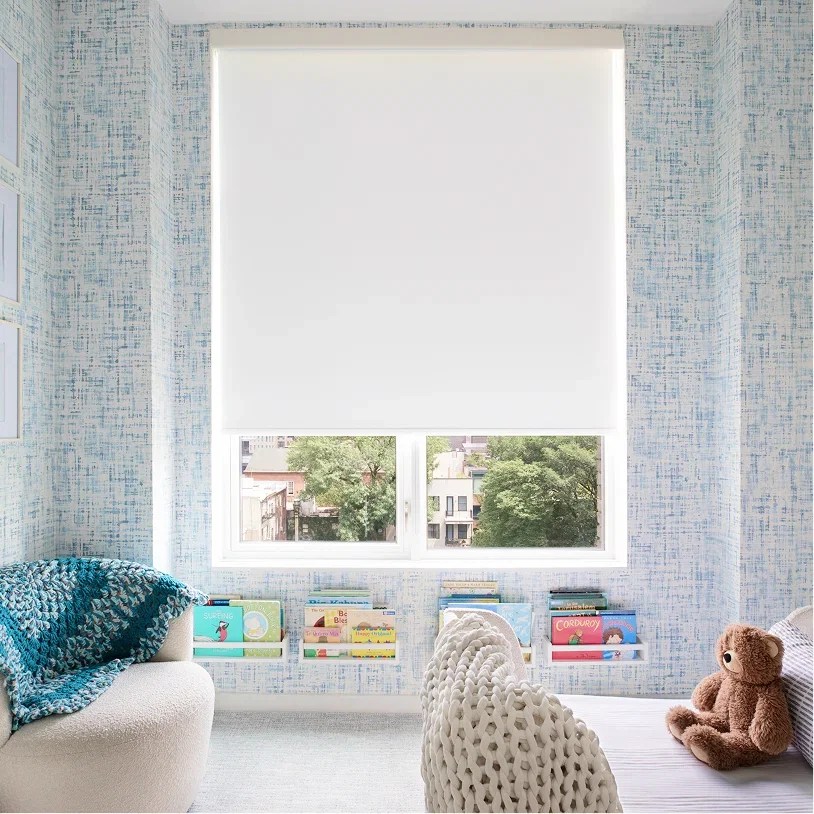
Room-darkening is the better choice in:
- Primary bedrooms where the residents wake naturally with light. Total blackout can make it hard to wake up; room-darkening provides enough dimming for sleep without total cave conditions.
- Living rooms and great rooms. You want darkness for TV viewing, not for sleeping. Room-darkening kills glare on screens without making the room feel like a closet.
- Home offices with screen work. Reduce glare for monitor visibility while preserving enough ambient light to avoid eye fatigue.
- Nurseries with babies older than 12 months. Total blackout is great for naps but trains kids to expect cave-dark conditions, which then become hard to replicate during travel.
For these uses, the lower cost and faster operation (lighter shade = smoother roll) of room-darkening is a real benefit. World Wide Shades carries premium room-darkening options at roughly 60–70% the cost of triple-layer blackout.
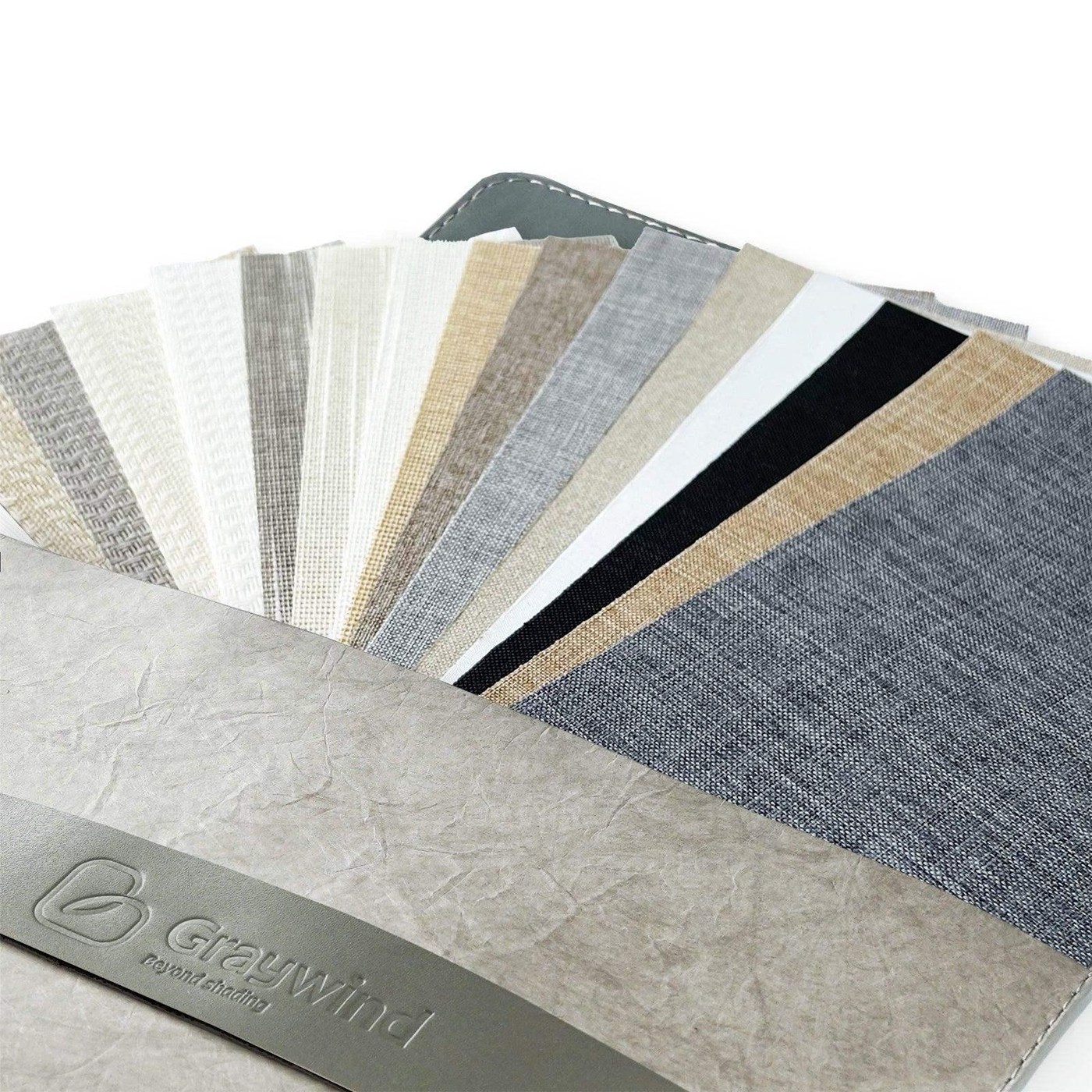
Order free swatches and compare fabric weight in person → (844) 674-2716
When True Blackout Is the Right Call
True blackout is the better choice in:
- Nurseries with infants 0–12 months. Predictable nap conditions improve infant sleep training, and the developmental case for very dark sleep environments is well-established. See Complete Bedroom Blackout Shade Checklist for the full setup.
- Bedrooms for night-shift workers, parents of newborns, or chronic insomnia sufferers. Daytime darkness needs to be true darkness.
- Home theaters. Light leak ruins picture contrast. True blackout with side channels is the standard.
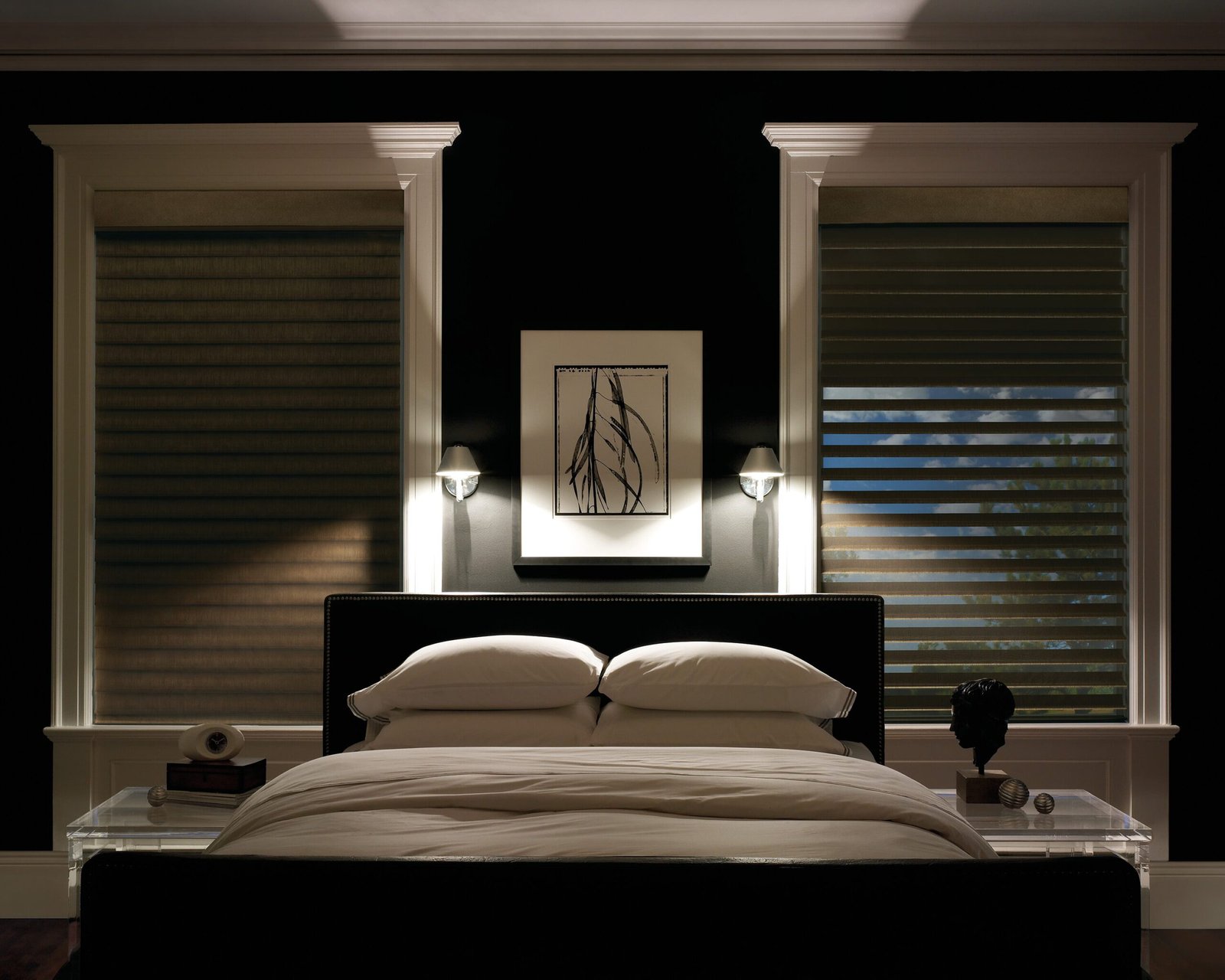
- East-facing bedrooms in summer. Sunrise hits at 5:00 AM in many latitudes. Even a small amount of light leak through gaps will wake a light sleeper.
For these uses, paying the additional cost for triple-layer blackout fabric AND specifying side channels or outside-mount with overlap is the only way to actually achieve the result.
For more on east-facing window strategy, see Best Shades for East-Facing Windows.
Cost Difference: Smaller Than You Think
Room-darkening vs blackout fabric pricing through World Wide Shades:
- Standard room-darkening: baseline cost
- Premium room-darkening (with thicker face fabric): +$15–$25 per window
- Triple-layer blackout: +$35–$60 per window
- Triple-layer blackout + side channels: +$80–$140 per window (channels add the most cost)
For a 4-window bedroom, the difference between premium room-darkening and full triple-layer blackout with channels is roughly $300–$500. If you have a newborn or work night shifts, this is one of the highest-ROI window treatment upgrades World Wide Shades sells. For broader cost framing, see How Much Do Custom Roller Shades Cost?.
The Most Common Spec Mistake
The most common mistake World Wide Shades sees: customers order "blackout" fabric, install inside-mount with the standard 1/4-inch deduction, and are surprised the room isn't dark.
The fabric IS blackout. The installation isn't.
If you want a truly dark room, your order needs to include:
- Triple-layer blackout fabric (not just room-darkening)
- Side channels OR outside-mount with at least 2 inches of overlap on each side
- Cassette headrail to block the top gap
- Optional: bottom seal strip if the windowsill has a gap below the shade hem
World Wide Shades sales reps will recommend this configuration when customers describe their use case — call (844) 674-2716 and explicitly mention the room and the sleeper. The default order forms don't auto-add channels, so for true blackout you have to ask.
How to Test Before You Commit
A trick the World Wide Shades team recommends: order a single sample sheet of the blackout fabric you're considering. Tape it temporarily over your window (covering 100% of the glass with masking tape sealing the edges) and sleep with it for 2–3 nights. You'll learn quickly whether you need true blackout or whether room-darkening is enough.
If the tape-and-sample approach leaves the room too dark, downgrade to room-darkening. If it's still too bright, you definitely need side channels with your eventual order.
FAQ: Room-Darkening vs Blackout
What percentage of light does each block? Light-filtering: 50–80%. Room-darkening: 95–99% through fabric. True triple-layer blackout: 99.9%+ through fabric. With side channels and outside-mount overlap, the effective total light reduction approaches 99.99%.
Will my room actually be dark with inside-mount blackout shades? No — not fully. Inside-mount leaves 1/4 to 1/2 inch side gaps that allow meaningful light leak. For true darkness, you need side channels or outside-mount with overlap.
Are blackout shades good for hot summer rooms? Yes — the triple-layer construction blocks UV and reduces heat gain by approximately 25–35% compared to room-darkening. See UV Protection Window Shades and Energy Efficient Window Shades for more.
Do blackout shades make the room cold in winter? Slightly. The reflective backing that helps in summer also reflects radiant heat from indoor radiators or sunbeams in winter. Net effect is typically positive — see Energy Efficient Window Shades.
Can blackout shades be motorized? Yes — World Wide Shades offers motorized blackout in both battery and hardwired configurations. The heavier fabric uses slightly more battery per cycle but is otherwise identical to standard motorized.
How do I order blackout for a child's room? Call (844) 674-2716 and mention you want full blackout with side channels for a nursery or child's room. The rep will configure the full stack — triple-layer fabric, cassette headrail, side channels, and cordless or motorized operation per CPSC child-safety regulations.
The Bottom Line
Room-darkening and blackout are not interchangeable. Room-darkening works for living rooms, home offices, and most primary bedrooms — and saves cost without sacrificing real performance. True blackout, properly installed with side channels or outside-mount overlap, works for nurseries, night-shift sleepers, home theaters, and east-facing summer bedrooms.
If you're not sure which you need, order free swatches from World Wide Shades and tape them up for a few nights. You'll know quickly. For specific advice on your space, call (844) 674-2716 — the World Wide Shades team will walk through your sleep schedule, window orientation, and budget before configuring the order.
Start your shade order at World Wide Shades or talk through your use case at (844) 674-2716.