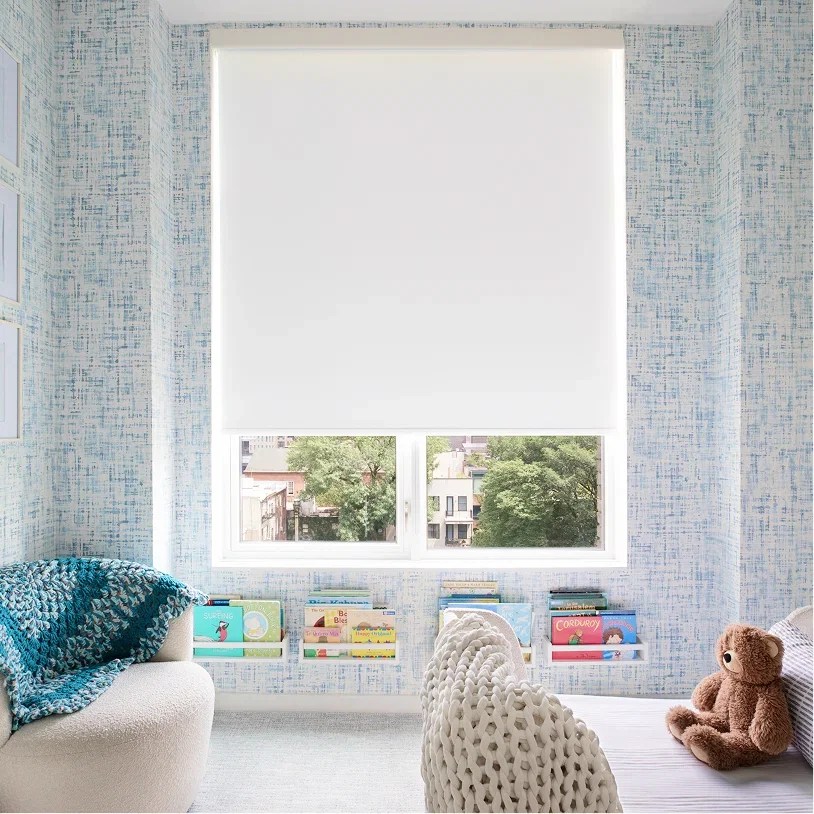
Tudor, Craftsman, and bungalow homes share a problem with most window treatments: the windows themselves are part of the architectural identity. A Tudor's leaded-glass casements, a Craftsman's mullioned uppers, a bungalow's deep eaves and narrow vertical openings — these are signatures, not blank canvases. Cover them with chunky drapery or commercial-looking blinds and the house loses what made buyers walk in. Custom roller shades, specced right, are the rare treatment that adds privacy and light control without flattening the character.
World Wide Shades has worked with hundreds of homeowners restoring or refreshing pre-1940 architecture across the country. The patterns that work — and the ones that ruin a room — are surprisingly consistent across all three styles.
Start your shade order at the World Wide Shades builder →
Why Roller Shades Suit Heritage Architecture
Roller shades have one structural advantage over almost every other treatment: when rolled up, they essentially disappear. For Tudor casements with leaded-glass diamond panes, that means the artisan glass remains the visible feature during the day. For Craftsman homes with mullioned upper sashes, the woodwork stays unobstructed. For bungalows with low ceilings and deep window trim, an inside-mount roller shade preserves the natural sightline.
The trick is fabric selection and mount type. The wrong roller shade can read as cheap apartment hardware. The right one looks like it's been there for fifty years.
Tudor Homes: Honoring the Leaded Glass
Tudor revival homes (1910s–1940s) typically feature steel or wood casement windows with leaded-glass diamond or rectangular panes. These windows are usually narrow and tall, sometimes paired or grouped under stone or stucco arches. The leaded glass itself is the architectural focal point.
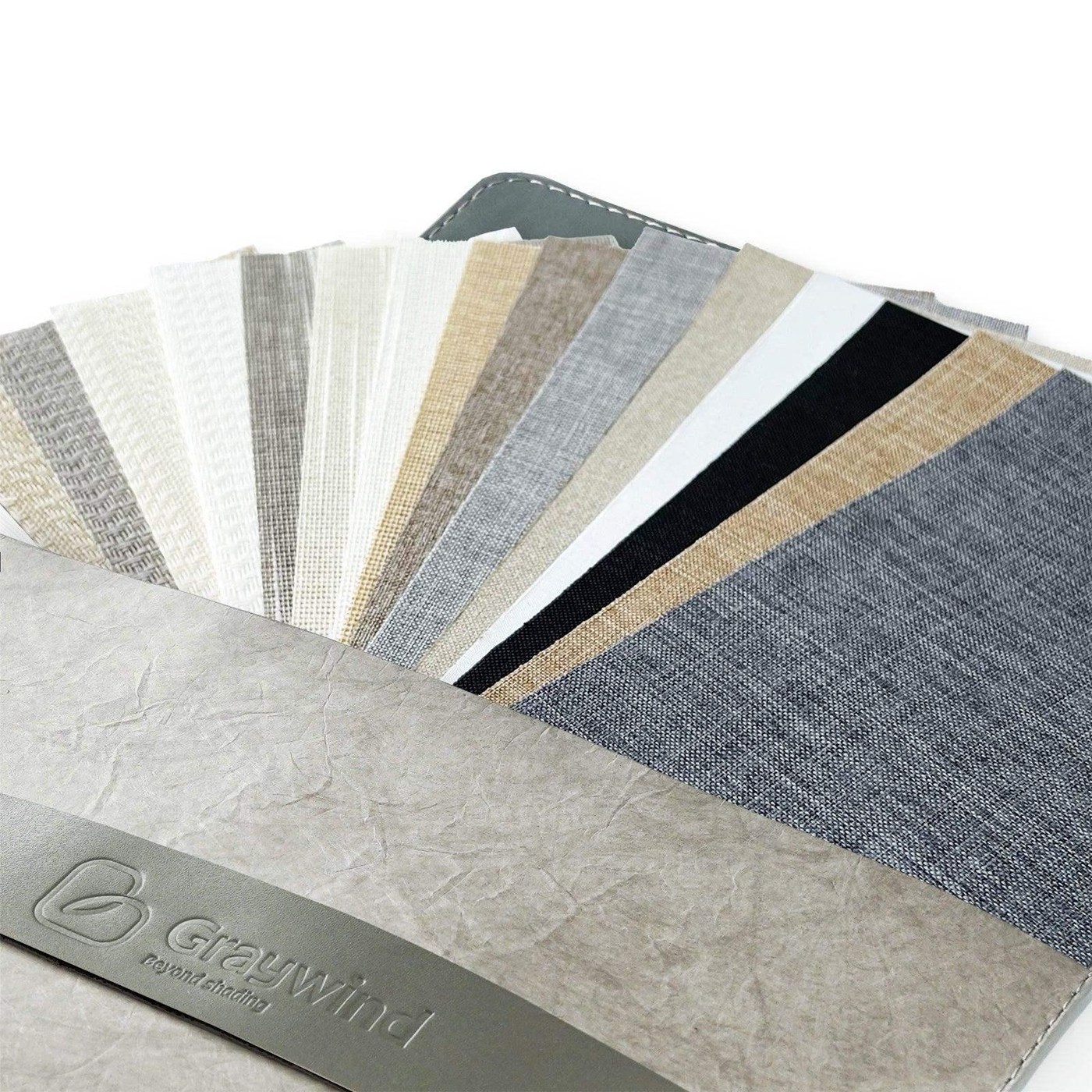
Recommended fabric for Tudor: Light-filtering linen-blend in cream, warm white, or soft taupe. The texture echoes period-appropriate fabrics; the neutral color disappears behind the leaded glass during the day. Avoid solar shades — the technical look fights the historic detail. Avoid pure white — too modern for the warm wood tones common in Tudor interiors.
Mount type: Inside-mount, recessed deep within the window opening so the lead came (the metal grid of the leaded glass) remains the visible feature. Cassette headrail in matching wood-grain or matte black if the casement frames are dark.
Operation: Cordless or motorized. Tudor windows often sit behind built-in seating, deep sills, or radiators — a pull cord that drags across that detail looks wrong. World Wide Shades' battery-powered motorized roller shades are popular in Tudor restorations because they install without disturbing original woodwork.
Cross-reference: Best Fabrics for Roller Shades covers the linen-blend options that work best with leaded-glass pairings.
Craftsman Homes: Mullions, Wood, and Earth Tones
The Craftsman (1900s–1930s) is defined by exposed structural elements: oak or fir trim, built-in cabinetry, and double-hung windows with mullioned upper sashes (typically a 4-over-1 or 6-over-1 pattern). Color palettes lean toward earth tones — moss green, terracotta, mustard, deep browns.
Recommended fabric for Craftsman: Woven wood (bamboo or grass weave) in walnut or honey tones, OR a textured roller shade in warm beige, oat, or putty. Both options pick up the warmth of the surrounding millwork without competing with it.
If you prefer roller over woven, World Wide Shades carries textured linen-look polyester blends that read as natural fiber but resist UV fade — important because Craftsman homes typically have low overhangs and direct sunlight exposure. For the woven wood option, see Woven Wood Shades Guide.
Mount type: Inside-mount above the lower sash (allowing the mullioned upper sash to remain visible), OR full inside-mount with the shade rolled to 70% to deliberately frame the mullion pattern. Outside-mount works if the trim is wider than 3 inches — Craftsman trim usually qualifies.
Operation: Cordless. Craftsman interiors tend to be cozy and tactile; a continuous loop chain looks too commercial for the style.
Order free swatches and match them to your Craftsman millwork → (844) 674-2716
Bungalow Homes: Light Control in Tight Spaces
The bungalow (Arts & Crafts, California, Chicago variants) is typically a 1,200–1,800 sq ft home with low ceilings, deep eaves, and narrow vertical window openings — often grouped in pairs or threes with shared mullions. Light control is harder in bungalows because the eaves block overhead sun, but the lower angles of morning and afternoon sun cut directly into the rooms.
Recommended fabric for bungalow: 5% openness solar shade for living/dining rooms (preserves the view through deep eaves while cutting low-angle glare), OR light-filtering polyester in oat, putty, or warm white. For bedrooms, room-darkening linen in matching neutral.
Mount type: Inside-mount is critical in bungalows. The deep eaves and narrow windows mean an outside-mount shade looks bulky and blocks the eave's architectural shadow line. Inside-mount with a slim cassette headrail (under 1.5 inches) preserves the visual proportions.
Operation: Cordless preferred; motorized for grouped windows over 30 inches wide where reaching the cord becomes awkward.
For a deeper look at small-room light control strategies, see Best Window Shades for Small Bedrooms.
The Wrong Choices: What to Avoid
After supplying shades to hundreds of heritage homes, World Wide Shades has seen these mistakes most often:
- Faux wood blinds: They scream 1990s rental. The horizontal slat pattern fights the vertical mullion lines of every heritage style.
- Pure white shades: Too modern. The cool white kills the warm wood tones that define these styles. Always pick a warm neutral — cream, taupe, putty, oat.
- Aggressive blackout fabric in main rooms: Heritage homes were designed around natural light. Use blackout only in bedrooms; use light-filtering everywhere else.
- Outside-mount on narrow openings: Bungalows and many Tudor windows are too narrow to support outside-mount shades. The shade ends up wider than the window and reads as oversized.
- Visible pull cords on prominent windows: Pre-1940 homes have prominent windows; visible cords are an instant character-killer. Always go cordless or motorized.
For the inside vs outside mount decision, see Inside Mount vs Outside Mount: Which Is Right for Your Windows?.
Color Pairings That Honor Each Style
Tudor color palette: Cream, warm white, soft taupe, putty. Avoid: gray, charcoal, pure white, any saturated color.
Craftsman color palette: Walnut woven, honey woven, oat, warm beige, putty, moss-tinged neutral. Avoid: cool gray, pure white, black, navy.
Bungalow color palette: Oat, putty, warm white, soft taupe, sand. Avoid: bright white, gray, anything too saturated.
For more on neutral selection, see the Window Shades Color Guide. Order free swatches from World Wide Shades before committing — heritage interiors have unusual lighting that catalog photos won't capture accurately.
Motorization in Heritage Homes: Worth It?
Yes, more often than people expect. Heritage homes tend to have:
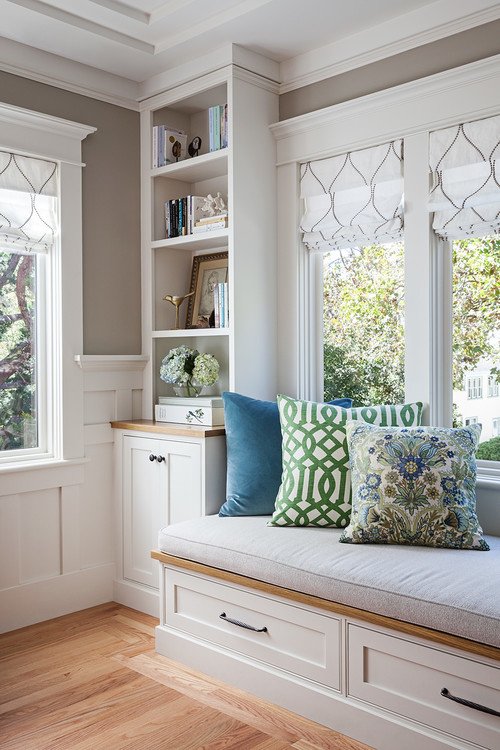
- Window-seat alcoves where cords can't reach
- Tall windows with hardware out of arm's reach
- Period-correct interiors where any visible cord ruins the aesthetic
- Restored woodwork the owner doesn't want to drill through for hardwired controls
World Wide Shades' battery-powered motorized roller shades solve all four problems. They install without an electrician, last 12–18 months per charge for typical use, and integrate with Alexa, Google Home, or HomeKit if smart-home control is desired. For setup details, see Smart Home Motorized Shades Setup and Battery vs Hardwired Motorized Shades.
Get a heritage home quote from World Wide Shades → (844) 674-2716
FAQ: Roller Shades for Tudor, Craftsman, and Bungalow Homes
Will roller shades hide my leaded glass or mullions? Not when specced correctly. Inside-mount roller shades roll up to expose the full window during the day. The artisan glass and mullion patterns remain the visible feature.
What color goes with restored oak Craftsman trim? Warm neutrals only — honey woven wood, oat, putty, warm beige, or walnut for woven options. Order free swatches from World Wide Shades and tape them to your trim before deciding; oak's exact tone varies between homes.
Can I get cordless roller shades for tall Tudor casements? Yes — World Wide Shades' cordless spring mechanism works up to approximately 96 inches tall. For taller, motorized is the right call.
Are roller shades historically accurate for a Craftsman home? The original Craftsman era used roll-up linen and bamboo shades — the modern roller shade is a direct descendant. Specced in linen-blend or woven wood, it's more period-appropriate than wood blinds, drapery panels, or shutters.
How long does World Wide Shades take to ship a heritage-home order? Most custom roller shades ship in 7–14 business days. Call (844) 674-2716 to confirm fabric availability and rush options.
The Bottom Line
Heritage architecture rewards restraint. The best roller shades for Tudor, Craftsman, and bungalow homes are the ones you barely notice — neutral fabrics in warm tones, inside-mount with slim cassettes, cordless or motorized operation, and color matched to the existing millwork rather than the trim. Done right, they protect the architectural identity while giving the owner modern privacy and light control.
Start your heritage home order with World Wide Shades, grab free swatches, or call (844) 674-2716 to talk through your home's specific style.