What makes a shade feel “Japandi” (and what breaks the look)
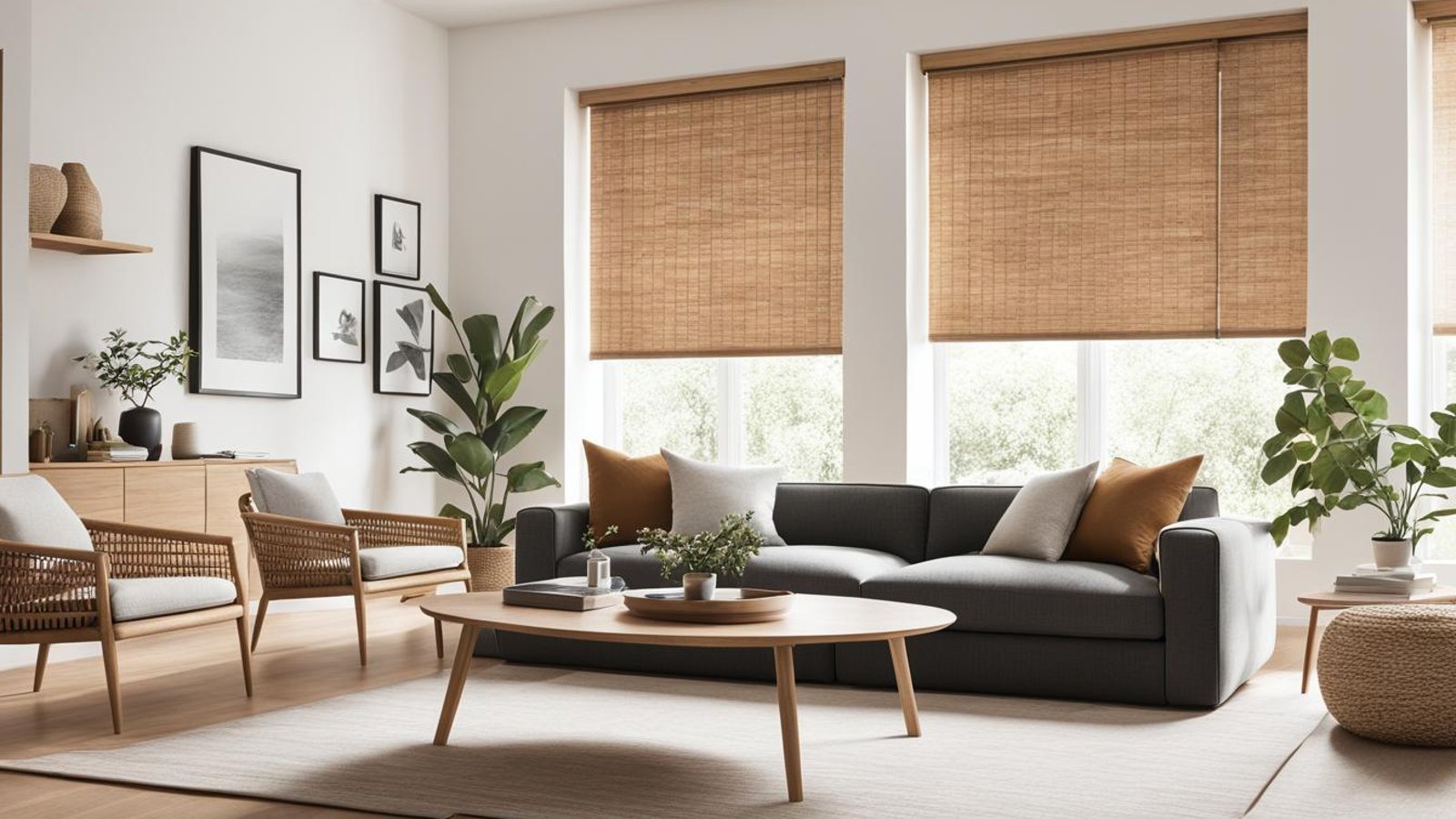
Japandi design blends Japanese restraint with Scandinavian warmth. On windows, that usually means:
- Minimal visual noise (simple hems, clean brackets)
- Natural textures (linen-like weaves, matte finishes)
- A calm, limited palette (warm whites, oat, stone, soft gray)
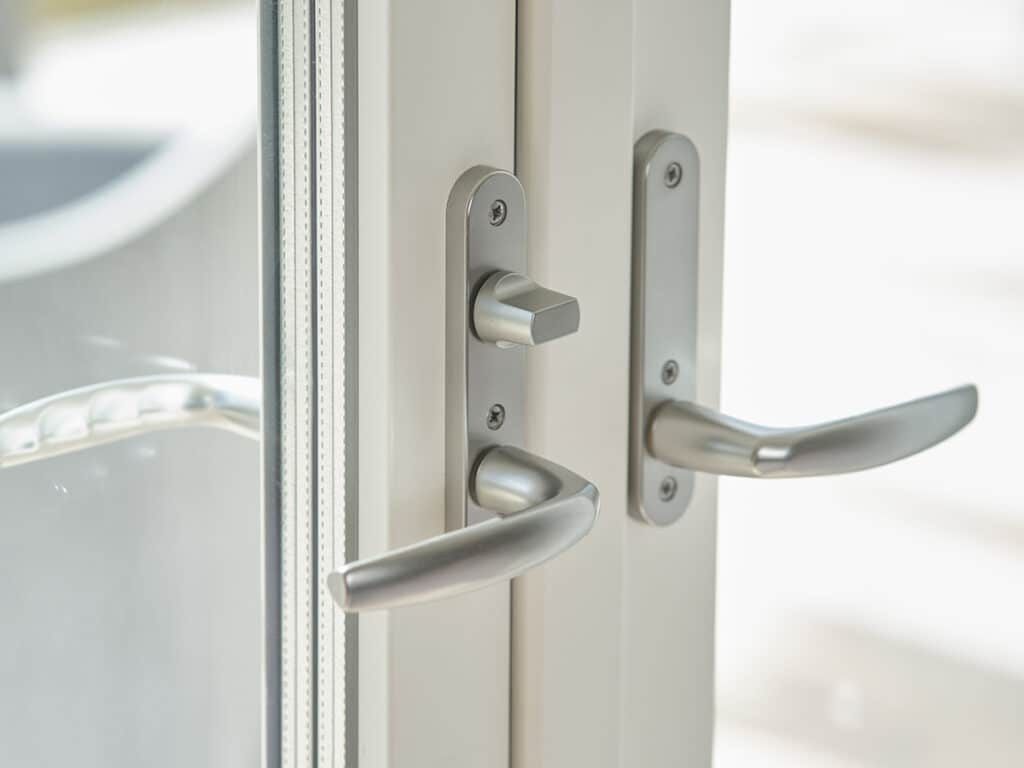
The fastest way to break the Japandi look is shiny hardware, overly bright whites, or heavy patterns that compete with wood grain and negative space.
World Wide Shades specializes in custom roller shades that keep that quiet aesthetic while adding the performance you need for real homes. Start with the World Wide Shades Shade Builder to explore fabrics that fit a Japandi palette.
The best roller shade fabric families for Japandi interiors
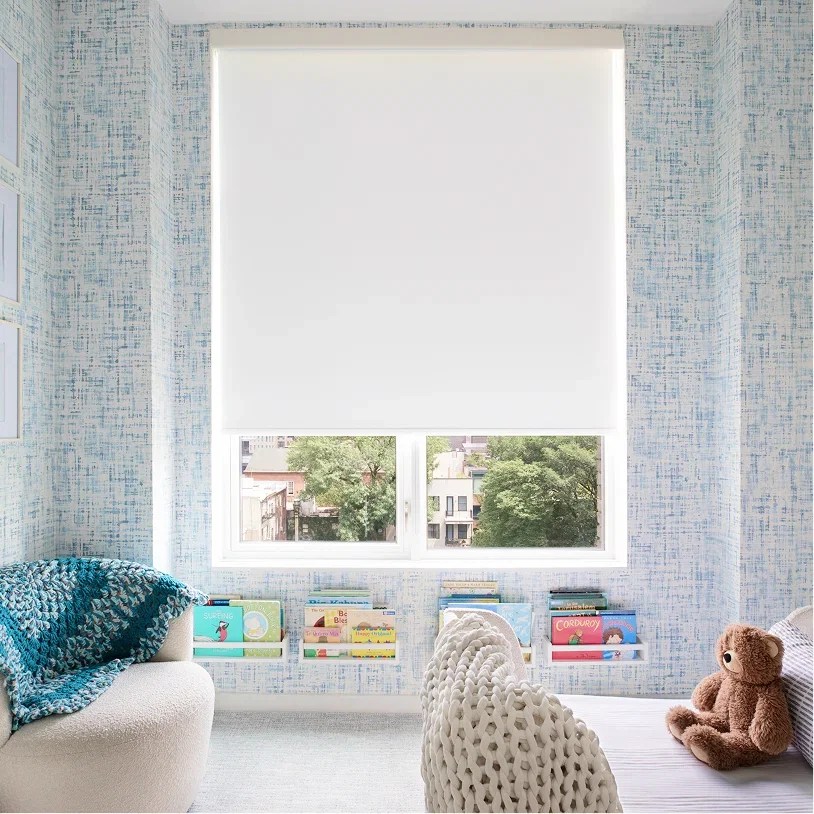
A linen-look roller shade gives you the “textile warmth” of drapery without the bulk. Look for:
- Subtle slub texture (not chunky)
- Matte finish (to avoid glare)
- Medium light filtering for soft ambient daylight
If you’re choosing between light-filtering levels, use light filtering shades guide.
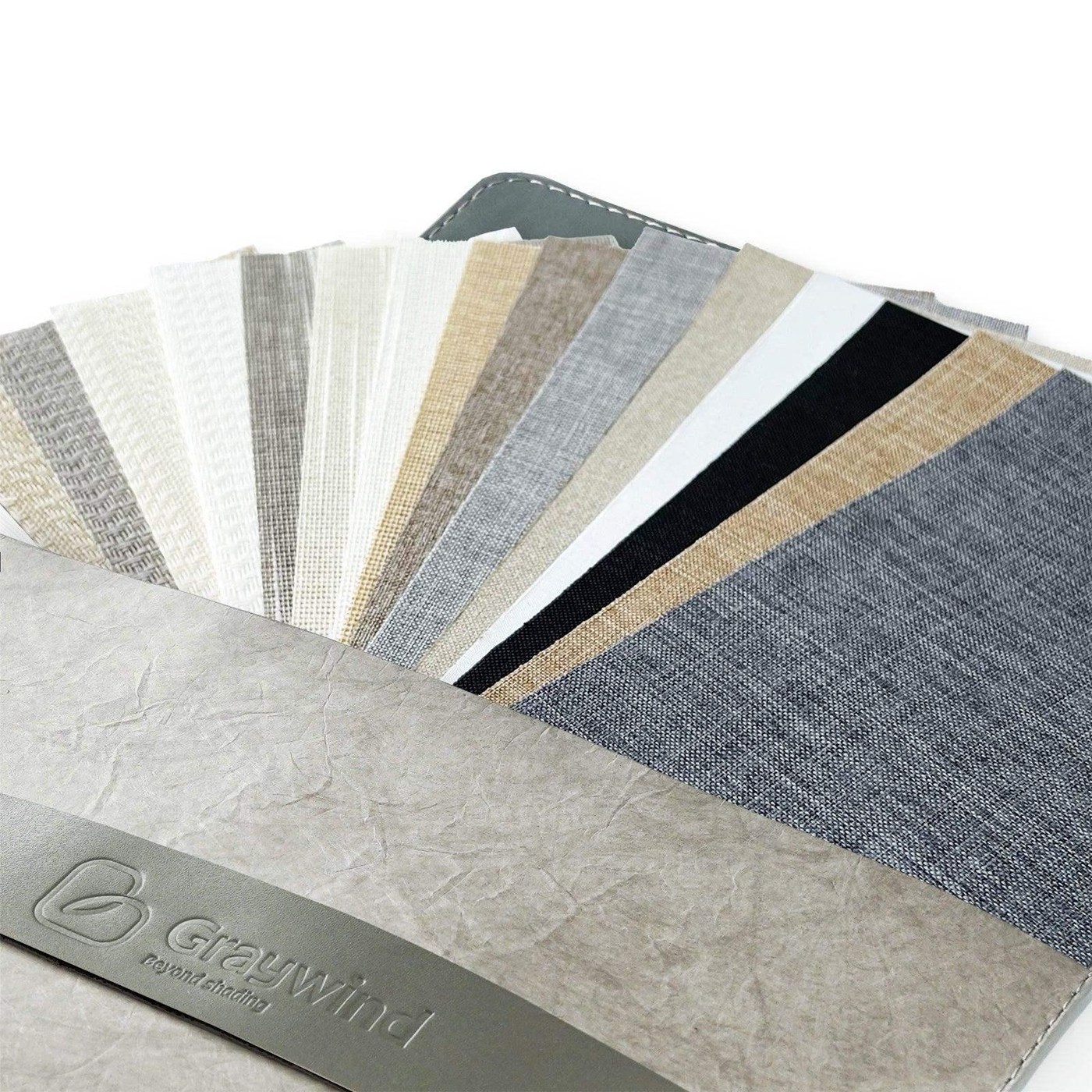
CTA: World Wide Shades can mail linen-look swatches so you can compare undertones next to your flooring and cabinetry—order swatches.
If your Japandi home has large glass and a view, screen fabrics keep the lines crisp.
Good starting points:
- 3% openness for balanced glare control
- 1% openness when you want more UV reduction and privacy
For UV specifics, see UV protection window shades.
Japandi bedrooms often use layered neutrals and a restful feel. Blackout roller shades support that calm by:
- Reducing early light
- Helping maintain a cooler sleep environment
If you’re planning a full bedroom setup, compare with best window shades bedroom.
CTA: For a Japandi bedroom that still feels airy, ask World Wide Shades about dual shades: sheer/daytime plus blackout/night—configure in builder.
Color: the Japandi “undertone rule” you should follow
Japandi colors are less about brightness and more about undertone harmony.
Warm whites work best with:
- Oak, ash, or walnut
- Beige/stone plaster tones
- Brass or matte black accents
Cooler shades work with:
- Concrete floors
- Charcoal accents
- Cooler lighting (4000K+)
A helpful reference: window shades color guide.
CTA: If you’re torn between two “whites,” the difference is usually undertone. World Wide Shades can help you pick the right one—call (844) 674-2716 or start with swatches.
Hardware and details: keep it minimal, but don’t cheap out
A clean, concealed hem bar often looks most Japandi. If you prefer a visible hem bar, choose a slim profile with a matte finish.
If you want the roll hidden, a simple valance can keep lines neat.
See options: roller shade valance options.
Japandi emphasizes clean geometry, so inside mount typically looks best. If your windows are shallow, outside mount can still work—just keep the bracket look understated.
Installation: how to install roller shades.
Room-by-room Japandi shade recommendations
Aim for “soft daylight, no glare.”
- Linen-look light filtering for warmth
- 3% screen for view-heavy rooms
Related: best roller shades living room.
CTA: World Wide Shades can match your living room’s light needs with a Japandi fabric set—try the builder.
Kitchens need easy-clean fabrics.
- Screen fabrics are practical and minimal
- Light-filtering works if it’s wipe-friendly
Related: roller shades kitchen bathroom.
Prioritize sleep and privacy.
- Blackout for primary bedrooms
- Dual-layer for flexible mornings
Related: best window shades bedroom.
Performance specs that matter (with realistic ranges)
When you compare fabrics, look for:
- Openness factor: typically 1%–10% (screen)
- Visible light transmission: commonly 5%–20% (light-filtering)
- UV reduction: often improves as openness decreases and color darkens
If you want a comfort-first approach, also review energy efficient window shades.
CTA: World Wide Shades can translate specs into a simple recommendation for your orientation and room use—call (844) 674-2716.
Motorization in Japandi homes: invisible convenience
Japandi favors calm routines. Motorized shades support that by making the room feel consistent without daily fiddling.
Common setup:
- Morning open schedule
- Afternoon partial-close for glare
- Evening close for privacy
If you’re exploring smart setups: smart home motorized shades setup.
CTA: Configure a motorized Japandi setup in the World Wide Shades builder and we’ll help you choose control options.
Cost planning (so your aesthetic stays on budget)
Custom roller shade pricing varies, but a practical planning range is $200–$600 per window for manual shades, with motorization adding cost depending on the system.
For a deeper cost breakdown: how much do custom roller shades cost.
FAQ: Japandi roller shades
Warm whites, oat, flax, and soft stone tones are the most common because they harmonize with natural woods and textured neutrals.
They can be, especially in warmer Japandi variations, but roller shades often feel more minimal and easier to maintain. Compare styles in woven wood shades guide.
Use light-filtering in social spaces and blackout in bedrooms. If you want both, dual shades give you a soft daytime layer plus blackout at night.
Not if you choose a matte, neutral screen fabric and keep hardware minimal. A 3% openness in a warm tone often looks at home in Japandi rooms.
That’s an undertone issue. Always compare swatches next to your floors and paint, and check them in morning and evening light.
Yes. Use the World Wide Shades builder, request swatches, or call (844) 674-2716 for fast guidance.
Design checklist: keep Japandi calm while improving performance
In Japandi rooms, you want texture that reads as warmth from a few feet away, not a pattern that becomes a focal point. If a fabric’s slub is high-contrast, it can compete with wood grain and minimal art.
A Japandi window usually looks best with one of two contrast levels:
- Low contrast: warm white shade + warm white wall for a seamless, restful look
- Medium contrast: stone/oat shade + warm wall to frame the window opening gently
High contrast (very dark shade on very light wall) can work, but it tends to push the room toward “modern” more than “Japandi.”
A weighted hem keeps the shade hanging straight, but visually you want the hem to feel simple. If you’re adding a valance, keep it flat and minimal so it doesn’t read as decorative trim.
CTA: If you want the most minimal look possible, ask World Wide Shades about a clean roll concealment option and hem style—start at builder.
Japandi lighting by window direction (quick guide)
North light is softer and more consistent. Many homeowners prefer light-filtering fabrics here because you can keep the room bright without strong glare.
Morning sun can feel harsh at breakfast time. Consider 3% screen fabric or a tighter light-filtering weave if you want softer diffusion.
South exposure is typically the brightest and can bring more heat. Screen fabrics with 1%–3% openness are common when you want daylight without the “washed out” look.
West sun is often the most uncomfortable because it’s lower in the sky later in the day. If glare is a problem, lean toward tighter weaves, darker neutrals, or dual-layer setups.
CTA: Tell World Wide Shades which direction your windows face and we’ll recommend a fabric level that fits your Japandi goals—call (844) 674-2716.
How to coordinate shades with Japandi materials (real pairings)
- White oak floors + warm white walls: warm white or oat roller shade with matte hardware
- Walnut furniture + stone walls: light taupe or flax shade to bridge the warmth
- Concrete + black accents: soft gray shade with minimal black hardware
If you’re styling multiple rooms, keep the color family consistent and adjust performance by room (screen in bright living rooms, blackout in bedrooms).
CTA: World Wide Shades can help you build a whole-home Japandi plan that stays consistent—use swatches to compare options in different rooms.
Common Japandi shade mistakes
Bright whites can look cold next to warm woods and make the room feel less inviting. A warm white usually reads more natural.
Japandi is minimal. If you add drapery, keep it simple and avoid heavy pleats that fight the roller shade’s clean line.
Some airy light-filtering fabrics look perfect during the day but become see-through at night. If privacy matters, choose a privacy-rated fabric or add a second layer.
For a privacy comparison, see blackout curtains vs blackout shades.