Whether a custom shade warranty transfers when you sell your home depends on the written warranty, the manufacturer, the installer, and sometimes the original sales contract. Many product warranties cover the original purchaser only; some allow a transfer if the manufacturer receives notice within a stated period. Custom shade warranty transfer is not automatic just because the shades remain attached to the property.
The safest approach is to review the actual warranty before listing the house, gather invoices and model numbers, and ask the shade company for a written answer. World Wide Shades can help homeowners organize product details for a service conversation. Contact World Wide Shades with your order number, installation date, and the home's sale timeline, or call (844) 674-2716, rather than relying on a verbal assumption.
This guide is general information, not legal advice. Warranty terms vary by product, state, and contract. The Federal Trade Commission warranty overview explains why consumers should read the written terms, exclusions, and remedy language instead of assuming a warranty provides unlimited repairs.
Warranty, guarantee, and service plan are different
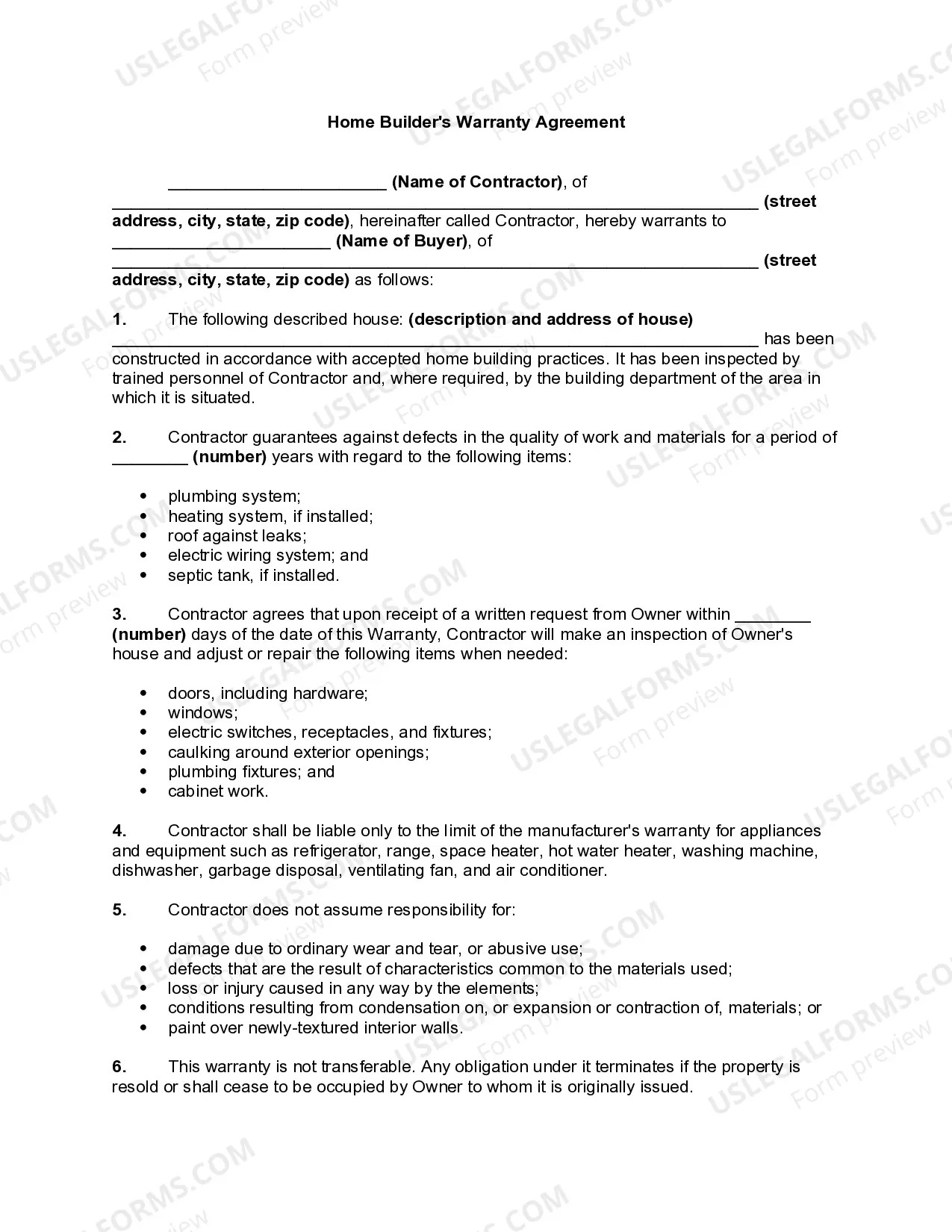
A product warranty is a manufacturer's or seller's promise about defects in materials or workmanship for a defined period. An installation warranty may cover mounting, wiring, alignment, or labor for a different period. A service plan may offer maintenance or discounted repairs without promising that every failure is free.
For example, a shade fabric could carry a 5-year limited warranty while a motor carries 3 years and installation labor carries 1 year. A transfer clause may apply to one component and not another. A warranty can also exclude normal wear, misuse, unauthorized modifications, fading, batteries, or damage caused by moving the shade to another window.
Do not treat a receipt, a brochure, and a warranty webpage as interchangeable. Save the document that applies to the exact product and date. Ask World Wide Shades for the applicable warranty paperwork, and keep a copy with the home's appliance and improvement records.
What “original purchaser” usually means
An original-purchaser limitation generally means the person or entity named on the order is the warranty holder. If the house changes hands, the shades may remain physically installed but the contractual coverage may not follow the real estate. Some companies make an exception for a one-time transfer; others do not.
Read for phrases such as “non-transferable,” “original consumer purchaser,” “first owner,” “proof of purchase,” “transfer fee,” “notice,” and “successor owner.” Also look for whether the warranty begins at purchase, shipment, installation, or another defined event. A home sold three years after installation may have a different remaining term than a home sold three years after delivery.
If the warranty does permit transfer, it may require the buyer's name, property address, original invoice, installation date, and a request within 30–90 days of closing. Requirements vary, so do not guess the deadline. Send your documents to World Wide Shades and ask for the current process in writing.
What may transfer with the home
The sale contract, state law, and warranty wording control the result. In some transactions, window treatments are treated as fixtures because they are attached to the property; in others, a contract may exclude specific treatments. Whether an item stays with the home does not automatically rewrite the shade warranty.
Ask the real-estate agent or closing professional how the purchase agreement describes custom shades. If the shades are included, list them clearly by room and type. If a warranty transfer is a selling point, attach the actual written terms or a company confirmation rather than promising “lifetime coverage.”
A transferable warranty may still exclude labor, batteries, fabric fading, or damage after closing. A non-transferable warranty may not erase a manufacturer's separate obligation to honor an open service ticket already accepted for the original owner. The only reliable answer is the written policy and the company's response to your specific order.
The custom roller shades vs. Home Depot comparison is useful when documenting why a shade is a custom product rather than a generic fixture. For material and care context, compare the best fabrics for roller shades. Ask World Wide Shades to identify the order's components before sharing the details with a buyer.
Documents to gather before you sell
Create a simple shade file with:
- Original invoice, quote, and proof of payment.
- Manufacturer, collection, fabric name, color, and openness.
- Shade width, height, mount type, and room location.
- Motor model, remote information, hub, and wiring notes.
- Installation date and installer name.
- Warranty PDFs, registration confirmations, and service tickets.
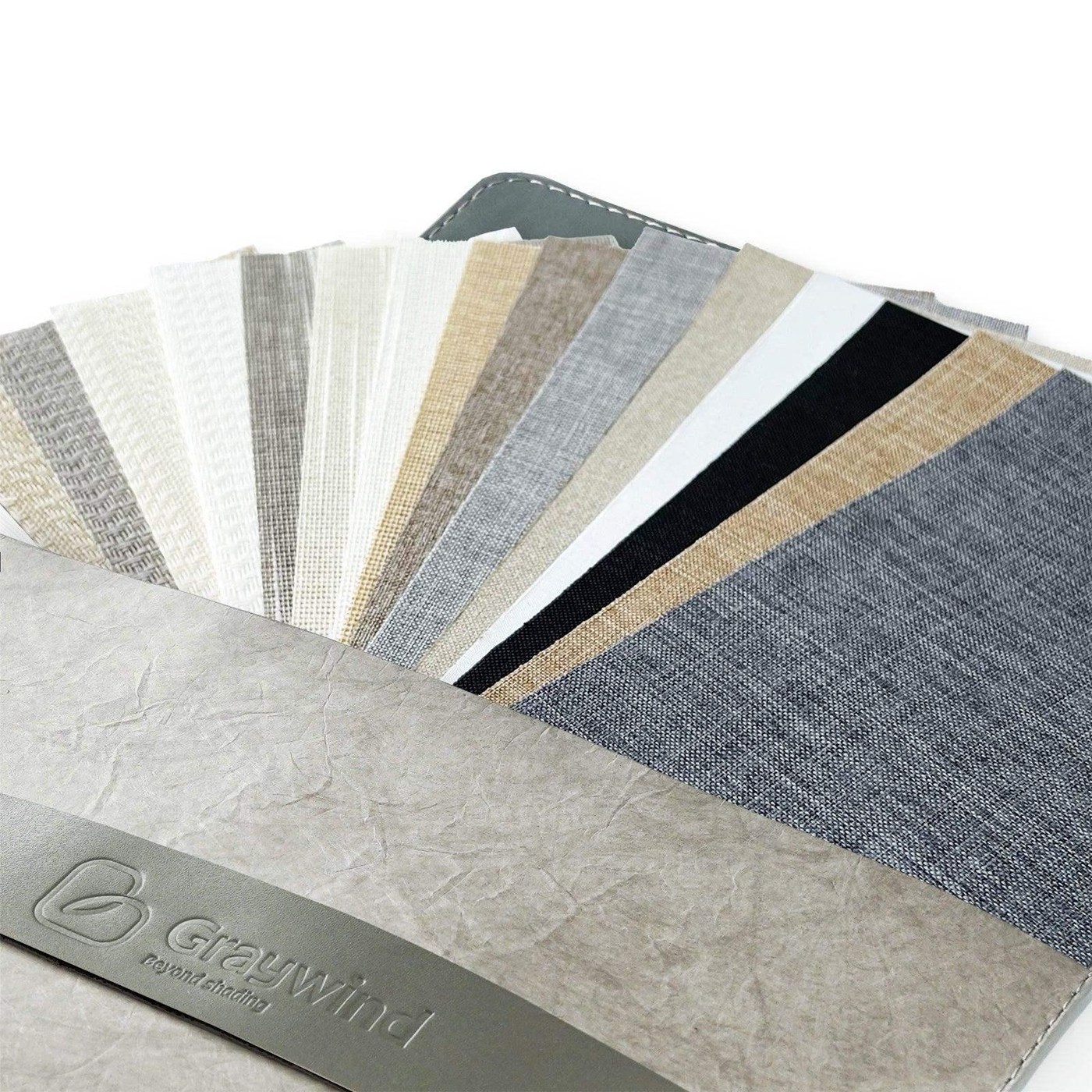
- Swatch or fabric code if replacement fabric may be needed.
- Care instructions and any exclusions that affect cleaning or use.
Photograph each shade, headrail, remote, and label. Label remotes by room and photograph the charging port or hardwired access. If a buyer later needs a replacement motor, a model number can save hours of guesswork.
Store a digital copy in a neutral folder that can be shared at closing. Do not share account passwords or smart-home credentials; transfer the device through the manufacturer's supported process. Use World Wide Shades' contact page to ask which information a future owner should receive.
How to request a transfer
Find the exact document that matches the order date and product line. Read the eligibility, duration, exclusions, remedy, and transfer sections. Note any registration requirement or deadline.
Provide the order number, property address, original buyer, installation date, and the planned closing date. Ask whether transfer is allowed, whether a fee applies, what documents are needed, and whether coverage changes after transfer.
A phone answer can be useful, but a written email or transfer certificate is easier to show a buyer. Save the representative's name and date. If the answer is “not transferable,” ask whether the buyer can purchase a new service plan or receive paid service at the same rates.
Give the buyer a copy of the warranty terms, care guide, invoice, and transfer confirmation if allowed. Do not give the original if you need it for tax or home-improvement records. Record which remotes, chargers, and hubs stay with the property.
Contact World Wide Shades to start this process early. If you need new shades for a replacement window before listing, use the World Wide Shades builder and order swatches so the project is documented from the beginning.
Common exclusions that affect a future owner
Normal wear is rarely the same as a manufacturing defect. Fabric can accumulate dust, a battery can lose capacity, and a cord or remote can be misplaced. Warranties may exclude fading from sunlight, moisture damage, incorrect cleaning, pet damage, impact, unauthorized repairs, or installation on a window different from the original specification.
Motors can have separate terms from fabric and brackets. A rechargeable battery may be a consumable item with a shorter warranty. Smart hubs can depend on a third-party app or network and may have terms separate from the shade itself. Record the model and service date for every component.
A homeowner who removes a shade and reinstalls it in another opening may also void coverage if the product is not designed to be moved. The how to install roller shades guide and how long do roller shades last guide provide useful maintenance context, but the written warranty remains controlling.
Warranty transfer and home value
A documented shade package can make a home easier to understand for the next owner. It shows which rooms have blackout, solar, motorized, or light-filtering treatments and reduces uncertainty about replacement parts. That is different from claiming that the shades guarantee a higher sale price.
If the shades are a recent improvement, list the installed date and original cost in your home records. The window shades increase home value guide discusses how buyers may perceive coordinated, functional treatments. Be precise: say “documentation included” or “manufacturer transfer confirmed” only when you can support it.
World Wide Shades can help create a clean handoff list for a buyer. Request a product and care summary, compare replacement options in the builder, or order a fresh swatch set if a future owner wants to match an additional room.
If a claim is already open during a sale
Tell the buyer and agent that a service request is pending. Ask the shade company whether the claim follows the original owner, the product, or the property. Keep photos, troubleshooting notes, shipment tracking, and appointment confirmations.
Do not close the ticket without knowing who will receive a replacement part or appointment. If the remedy is a replacement shade, confirm the delivery address and whether the new owner must sign. A transfer may be easier before closing, but the company may require the original purchaser to authorize it.
If a claim concerns a safety issue—such as a loose bracket, exposed wiring, or a motor that overheats—stop using the shade and arrange service. Contact World Wide Shades promptly rather than hiding the condition or attempting an unapproved repair.
Cost and practical planning
A warranty transfer may be free, may cost a modest administrative fee, or may not be offered. Paid service visits for an out-of-warranty shade often fall around $100–$250 before parts and travel, while a replacement motor may cost $150–$500 depending on the system. These are planning ranges, not a policy or quote.
Start the review 30–60 days before closing. That leaves time to find invoices, answer registration questions, correct a missing model number, and obtain a written response. Call World Wide Shades at (844) 674-2716 with your order information if you need help locating the right paperwork.
Frequently asked questions
No. Many warranties are limited to the original purchaser, while some permit a one-time transfer under stated conditions. Read the exact terms and ask the manufacturer or shade provider for written confirmation before advertising coverage.
Usually the buyer needs the invoice or order number, product and motor model, installation date, property address, warranty terms, and any transfer confirmation. Requirements vary, so provide the company's requested documents and protect account passwords.
Not necessarily. A shade may remain with the property under the sale contract while its product warranty remains limited to the original purchaser. The fixture language and warranty language address different questions.
Often they do not. Fabric, motor, brackets, labor, batteries, and smart-home accessories may each have separate coverage periods and exclusions. Keep the component model numbers and exact warranty documents.
Only if the written warranty uses that term and its conditions support the claim. “Lifetime” may refer to the original owner, a limited component, or a defined lifetime, and it may exclude labor and normal wear.
Start 30–60 days before closing, or as soon as the home is listed. Early notice leaves time to retrieve records, meet a transfer deadline, and obtain written confirmation for the buyer's file.