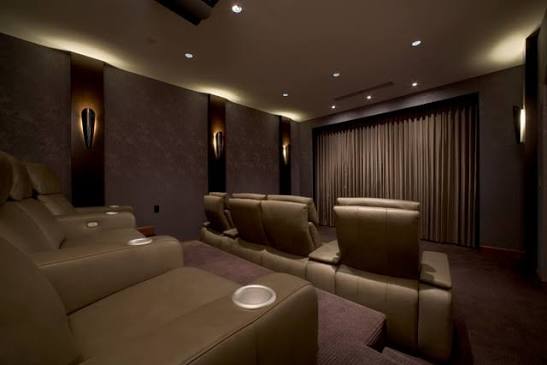
A home theater can have a premium projector, carefully placed speakers, and a beautiful screen, yet still look washed out when afternoon sun slips through the windows. Home theater blackout shades solve the most preventable source of poor picture quality: uncontrolled ambient light. The right system darkens the room, reduces reflections on the screen, and lets you bring daylight back when the room becomes a lounge. World Wide Shades designs custom treatments around your screen size, window geometry, and viewing schedule. Start with the World Wide Shades online builder to explore a blackout configuration.
Why ambient light changes the picture
Projectors create an image by adding light to a surface. Daylight and lamps add competing light that lifts the black level, flattens shadow detail, and reduces perceived contrast. Even a small bright window beside the screen can become a distraction because the eye adapts to the brightest point in the room. Glossy screens and dark paint amplify the problem by reflecting a window, wall sconce, or hallway light back toward the audience.
Blackout is not simply “a dark fabric.” A well-specified treatment combines an opaque face fabric with a close fit, a light-blocking liner or backing, and mounting details that control the perimeter. A shade that stops 2 inches short of the sill can leave a bright stripe across the screen. A shade that fits tightly but has a large gap at the side can still admit a visible beam. World Wide Shades checks the opening and mounting location before recommending the fabric alone.
Blackout versus room-darkening shades
Manufacturers use the words differently, so compare performance rather than labels. Room-darkening fabric usually blocks a large percentage of visible light but may still allow a glow around the weave or edges. Blackout fabric is intended to block nearly all light through the material; the remaining light typically comes from installation gaps, trim, or uncovered glass. In a theater, that distinction matters most for daytime screenings and scenes with dark cinematography.
For a room used mostly after sunset, a room-darkening shade may be enough and can feel less closed-in during the day. For a projector, gaming setup, or media room with a large south-facing window, choose a true blackout construction and pay equal attention to the perimeter. Read blackout curtains versus blackout shades for a practical comparison of coverage, stack, and operating convenience. Then request World Wide Shades swatches and hold them against the glass with a lamp behind them.
The four places light leaks into a theater
A tightly woven blackout roller shade or coated blackout material blocks light through the panel. Darker colors often appear more opaque, but opacity is a fabric construction issue, not a guarantee that black is always better. Ask for the actual fabric category and whether the color is backed with a light-blocking layer.
Side gaps are especially obvious on wide windows and inside mounts. An outside mount with 2 to 4 inches of overlap on each side can improve coverage when wall space allows. A cassette or side-channel system can reduce the visible gap further, although it requires enough depth around the frame. World Wide Shades can compare an inside mount, outside mount, and side-channel approach for your specific trim.
An uncovered strip between the headrail and ceiling can send a shaft of daylight across the front wall. A fascia, cassette, or ceiling-mounted outside shade hides the roll and closes that visual opening. Measure the distance from the top of the window to the ceiling before ordering; a 3-inch headrail and a deep trim return can change the best mount.
A low sill can reflect light onto the screen even when the shade covers the glass. On a bank of windows, separate shades let you close the brightest pane while preserving a small amount of daylight elsewhere. For a corner or bay window, treat each plane as its own optical problem rather than forcing one oversized shade to follow an irregular wall.
Choose fabric with screen reflections in mind
Dark matte fabrics tend to disappear visually in a theater, while a shiny surface can create its own reflection. A charcoal, graphite, or deep neutral often balances absorption and room aesthetics without making the shade look like an afterthought. If the theater doubles as a living room, a textured blackout roller shade can soften the architecture while staying flatter than drapery.
Wide openings may need a split shade because every roller system has a maximum width and weight. A split at a mullion is easier to align than a split in the middle of a picture window. The gap between two shades should be placed away from the screen’s critical sightline when possible. Compare roller shade fabrics by weave and openness before deciding on color.
Decide whether motorization is worth it
Motorization is valuable when the windows are behind seating, above a walkway, or high on a wall. It also makes repeatable scenes possible: “Movie” can lower every shade, dim lights, and close a door; “Day” can raise the shades to restore the view. A remote is sufficient for one or two windows. A hub integration becomes more useful when the theater has four or more openings or multiple users.
Battery motors avoid opening walls and are practical for retrofit projects. Hardwired motors can be cleaner for new construction but require electrical coordination before drywall. Allow roughly 4 to 8 weeks for custom fabrication and installation planning, and confirm the motor noise is acceptable from the main seats. The smart-home motorized shades setup guide covers hub and scene planning, while motorized shades with Alexa and Google Home explains voice-control considerations. Contact World Wide Shades to discuss a quiet, theater-friendly operating system.
Plan the rest of the room around the shades
Blackout shades are one part of a light-control plan. Use dimmable, shielded sconces rather than exposed bulbs aimed toward the screen. Keep glossy décor, glass tables, and bright artwork outside the screen’s reflection angles. Darker carpet and matte paint reduce secondary bounce, but do not choose a fully black room solely to compensate for a window that leaks light.
Heat matters too. A closed south- or west-facing window can raise the theater temperature quickly, particularly when a projector, receiver, and gaming computer run together. Solar or thermal construction may reduce solar load before the room is darkened, but confirm that the selected fabric still delivers blackout. The energy-efficient window shades guide explains how insulating layers and solar control differ.
If the theater contains books, posters, leather seating, or hardwood floors, UV control is also worth specifying. UV-protection window shades describes how to reduce cumulative fading while preserving a consistent interior palette. Order samples from World Wide Shades before selecting a fabric that will sit beside dark paint and a bright screen.
Budget for the complete installation
Custom theater shades commonly range from $250 to $1,200 per opening, depending on width, height, fabric, cassette, mount, and installation complexity. Battery motorization may add approximately $250 to $600 per shade; hardwired or integrated systems can add more once electrical work is included. A large, tall window with side channels and a motor is not comparable to a small manual inside mount, so ask for an itemized quote.
Keep a 10% to 15% contingency for unusual trim, electrical access, or a required split system. Measure the screen wall, seating sightlines, sill height, and nearby outlets before a consultation. Build a theater shade package with World Wide Shades so fabric, control, and mounting decisions are priced together instead of pieced together later.
A practical selection sequence
- Record the window dimensions, orientation, trim depth, and distance from the screen.
- Decide whether the room needs true blackout or simply a lower daytime light level.
- Test 1 to 3 fabric samples in front of the glass at the time you normally watch movies.
- Choose an inside or outside mount based on perimeter coverage, not just appearance.
- Select manual, battery, or hardwired control based on reach and scene requirements.
- Confirm the headrail, cassette, side channels, and shade split with the installer.
World Wide Shades can review this list with you and flag problems before fabrication. Send the theater plan to World Wide Shades, or call (844) 674-2716 for a design conversation about screen reflections and window coverage.
Installation details that affect darkness
Install the shade square to the opening; a tilted roller can produce a diagonal gap that is surprisingly visible in a dark room. Make sure brackets are anchored to a stud, header, or appropriate masonry fastener. On an outside mount, keep the top of the shade high enough to cover the frame but low enough to avoid a collision with crown molding. If a side channel is used, the channel must remain straight from top to bottom so the hembar does not bind.
Professional installation is especially useful when windows are wide, high, or close to a corner. The how to install roller shades guide is useful for understanding the sequence, but a theater with several aligned shades benefits from an on-site check. Book a World Wide Shades consultation before the room’s final trim is installed.
Frequently asked questions
They can make the room very dark, but no shade can cover glass that is not treated. Most remaining glow comes from side, top, bottom, or mullion gaps rather than light passing through the blackout material. Outside overlap, cassettes, and side channels improve the result.
The fabric construction and perimeter fit matter more than face color. A matte dark fabric can visually recede in a theater, while a neutral backed blackout fabric can perform just as well. Request samples and test for reflected glare beside the screen.
Yes. Blackout shades reduce reflections on a television and improve comfort during daytime viewing. You may prefer a dual or light-filtering option if the room also serves as a daytime lounge.
A useful planning range is $250 to $1,200 per opening before unusual electrical work, side channels, or complex trim. Motorization can add roughly $250 to $600 per shade. World Wide Shades can provide a project-specific quote after measuring.
Motorization is recommended when windows are hard to reach, there are several openings, or you want repeatable Movie and Day scenes. Manual cordless shades can be a cost-effective choice for one reachable window.
Yes. Start with the World Wide Shades builder, order swatches, or call (844) 674-2716 for help matching blackout coverage, fabric, mounting, and controls.
Build a better movie night
The best home theater blackout shades do more than make a window look finished. They protect contrast, reduce reflections, control solar heat, and give the room a reliable transition from bright lounge to dark screening space. World Wide Shades can coordinate those details into a single custom plan.
Design your shades online, compare fabrics, or contact World Wide Shades to schedule the next step. A darker, calmer, more consistent picture starts with the windows.