Rechargeable motorized shades eliminate a wall wire at the window, but they still need a charging plan. The motor, battery wand, integrated pack, and charger must match. You also need a safe way to reach the charging port without standing on furniture or removing the shade. With the correct adapter and a simple calendar reminder, most homeowners can keep a battery-powered shade ready for daily operation.
World Wide Shades can plan rechargeable power before a shade is fabricated. Build a motorized shade system with World Wide Shades, compare fabrics and hardware, or contact World Wide Shades for charger and access questions. Call (844) 674-2716 when a window is high, extra wide, hard to reach, or part of a whole-home automation project.
Identify the battery system first
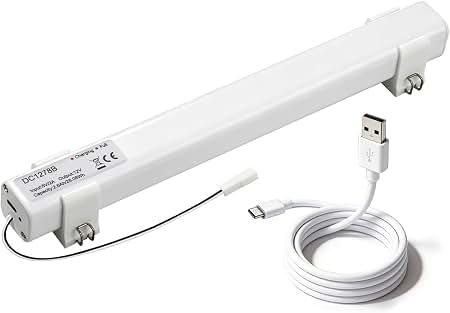
Do not start by ordering a generic USB or DC adapter. Motorized shade systems vary in voltage, connector, polarity, current, battery chemistry, and charging method. Some use a removable rechargeable wand, some use an integrated tube battery, and some use a dedicated charging cable that clips or plugs into a port. The motor label, installation guide, or World Wide Shades order record should identify the approved charger.
Take a photo of the motor end, battery label, connector, and charger before you shop for a replacement. A charger that physically fits may still be electrically wrong. Never splice wires, reverse polarity, or substitute a higher-voltage adapter. World Wide Shades can help match the replacement to the original system. Ask World Wide Shades to verify the charger.
When should a rechargeable shade be charged?
Charge when the motor shows a low-battery warning, movement slows, the shade stops before its limit, or the app reports a low percentage. Do not wait until the shade is completely unresponsive if the battery is difficult to reach. Many systems provide a status light or app estimate, but the exact threshold and charge time are product-specific. A typical recharge may take several hours; follow the motor manual rather than assuming every battery needs the same duration.
For a frequently used shade, check status monthly and plan a proactive recharge every few months if the manufacturer allows it. A guest room may need less frequent attention, while a west-facing living room that moves four times per day may need more. Make a list of windows, motor type, last charge date, and observed run cycles. Have World Wide Shades design a low-maintenance schedule.
Prepare a safe charging location
Choose a stable location near the shade that does not require a chair, countertop, or leaning over a stair rail. Keep the charger dry, ventilated, and away from children and pets. Do not pinch the cable in a window, run it across a walking path, or leave it where a door can crush it. If the port is behind a cassette or valance, resolve that access problem before installation.
For high windows, use a manufacturer-approved extension or charging lead only when the system supports it. Do not add an improvised extension that changes the connector or creates a trip hazard. A professional installer can position a battery wand or service access point at a reachable height. World Wide Shades can review access during the design stage. Contact World Wide Shades about high-window charging.
Step-by-step charging procedure
Match the charger label to the motor or battery specification. Check the connector for damage, bent pins, melted plastic, or corrosion. If anything looks damaged, do not energize it. Keep the shade’s model number nearby in case service is needed.
Raise or lower the shade according to the instructions so the charging port is accessible and the fabric is not rubbing. Keep hands clear of the tube and do not pull the fabric by force. If the battery wand is removable, support it while disconnecting it instead of allowing it to hang by a cable.
Some systems require the charger to be connected to the battery before it is plugged into the wall; others specify the opposite. Follow the motor guide. Push the connector straight in and do not twist it. A loose fit can cause intermittent charging and heat.
A light may show charging, full, fault, or no power. The colors vary, so use the product’s legend. If the indicator stays dark, check the outlet and connection once, then stop. Repeatedly reconnecting a questionable charger can worsen a damaged port.
Unplug in the sequence specified by the manufacturer, remove the cable without pulling the wire, and close or protect the port. Store the charger where it will be easy to find for the next cycle. Record the date and whether the shade completed a full open-and-close cycle.
World Wide Shades can help document the charging procedure for a multi-room project. Request a room-by-room control plan.
How long should the battery last?
Battery life depends on shade width, fabric weight, number of cycles, temperature, charging habits, radio activity, and the motor model. A narrow light-filtering shade that moves twice a day will have a different service interval from a wide blackout shade that moves eight times a day. Do not promise a fixed month or year without the exact motor data.
Track performance rather than guessing. If a shade begins moving more slowly, stops halfway, or needs charging much more often than similar shades, inspect the fabric and limits as well as the battery. Extra friction, a bowed tube, or a side channel rubbing the fabric can increase load. See motorized shade battery life expectations and motorized shade troubleshooting.
Ask World Wide Shades to diagnose battery versus mechanical symptoms.
Plan charging for smart-home routines
A schedule does not remove the need for battery care. A shade can still appear connected to an app while lacking enough power to complete a long movement. Include battery status in the monthly home-automation check. If a group of six shades runs together, identify which shade is low before an important scene such as sleep, privacy, or movie time.
Keep a physical remote or wall control available even when the shade is connected to Alexa, Google Home, or another platform. For compatible systems, the app may show battery status, but a local control is useful during a Wi-Fi or hub outage. Review smart-home motorized shade setup, motorized shades with Alexa and Google Home, and sunrise and sunset routines.
World Wide Shades can coordinate motor, fabric, and fallback controls. Build the automation-ready package or call (844) 674-2716 for battery planning.
Troubleshooting a shade that will not charge
First, verify the correct charger, a live outlet, a fully inserted connector, and an undamaged cable. Check the battery or motor indicator and wait for the normal charge period. If the shade remains unresponsive, try the approved local control only if the manual recommends it. Do not repeatedly reset the motor while it is connected to an unknown power supply.
If the charger becomes hot, smells burnt, sparks, or shows melted plastic, unplug it safely and stop. If the battery swells, leaks, or becomes unusually hot, do not puncture or discard it in household trash; follow the manufacturer’s battery-disposal guidance and request service. World Wide Shades can help identify the correct replacement path. Contact World Wide Shades for service.
A shade that charges but stops halfway may have an obstruction, limit setting, fabric tracking problem, or weak battery. Inspect the fabric edges and headrail, but do not force the tube. Read how to set motorized shade limit stops before changing limits.
Design access before installation
The best charging plan is made before the brackets go on the wall. For a bedroom, keep the port reachable without moving the bed. For a sliding door, avoid placing a cable where it crosses the handle path. For a two-story window, consider hardwired power or professional service instead of a battery that requires a tall ladder. For a media room, place the charger and control hardware where the blackout fabric can still be serviced.
World Wide Shades can compare battery and hardwired choices using your room list, usage, and wall conditions. Compare motorized options with World Wide Shades, request swatches, or call (844) 674-2716 for planning help.
Frequently asked questions
No. Use only the charger approved for the exact motor or battery system. Voltage, connector, polarity, current, and charging controls must match. A cable that fits physically can still damage the battery or motor.
There is no universal interval. Width, fabric weight, cycles, temperature, and motor type all matter. Check the manufacturer’s status indicator and track performance; many homes benefit from a monthly status check and a proactive recharge when the system permits it.
Charge time is model-specific and can range from several hours to longer. Follow the product guide and the charger indicator. Do not leave a damaged or overheating system connected while waiting for it to charge.
Often, yes, if the charging port or wand is designed to be reached while installed. The port should be accessible without unsafe climbing or a pinched cable. World Wide Shades can plan the access point before installation.
The cause may be low battery capacity, an obstruction, fabric rubbing, a limit setting, or a mechanical load. Inspect for obvious interference and review the approved troubleshooting steps; do not force the shade or change limits randomly. Contact World Wide Shades if the symptom persists.