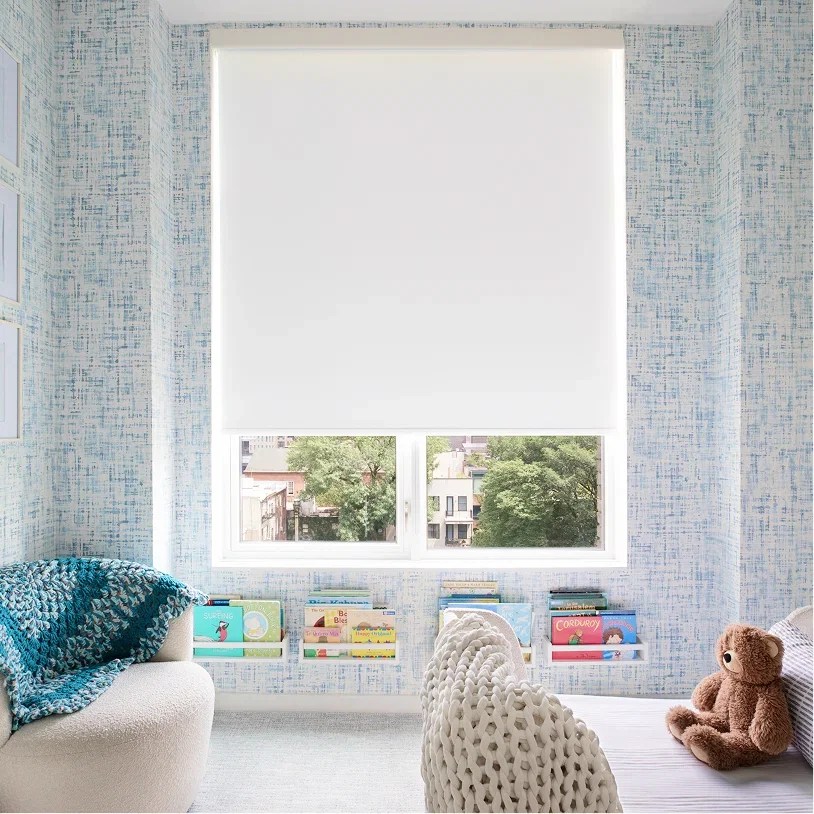
Motorized shades vs. smart blinds is really a comparison of two layers: the window covering and the control system. A shade can move with a remote without being connected to Wi-Fi. A smart blind can join scenes, schedules, voice assistants, or sensors, but it still needs a well-sized window covering and dependable power.
World Wide Shades helps homeowners choose the fabric first, then match motor, control, and installation to the project stage. Compare motorized options in the World Wide Shades builder, order World Wide Shades swatches, or contact World Wide Shades for help with a multi-room plan. Call (844) 674-2716 when you need to coordinate an electrician, hub, or hard-to-reach window.
The short answer
Choose motorized shades when you want quiet, cordless operation, consistent positions, or access to high windows. Choose smart blinds when you also want app control, schedules, scenes, voice commands, occupancy triggers, or integration with a smart-home platform. Many of the best installations are both: a motorized roller shade with a smart controller.
Do not assume “smart” means better light control. A poorly mounted shade still leaks light. A voice command does not correct a fabric that is too sheer for nighttime privacy. Start with openness, opacity, cassette, mount, and window clearance. The smart-home motorized shades setup guide covers the planning sequence. Start a configuration with the window problem, not the app name.
What a motorized shade includes
A motorized shade has a tubular motor, power source, control method, and limits that define where the shade stops. It may use a handheld remote, wall switch, dry contact, proprietary hub, or direct app connection. It can be cordless, rechargeable, or hardwired, depending on the motor and installation.
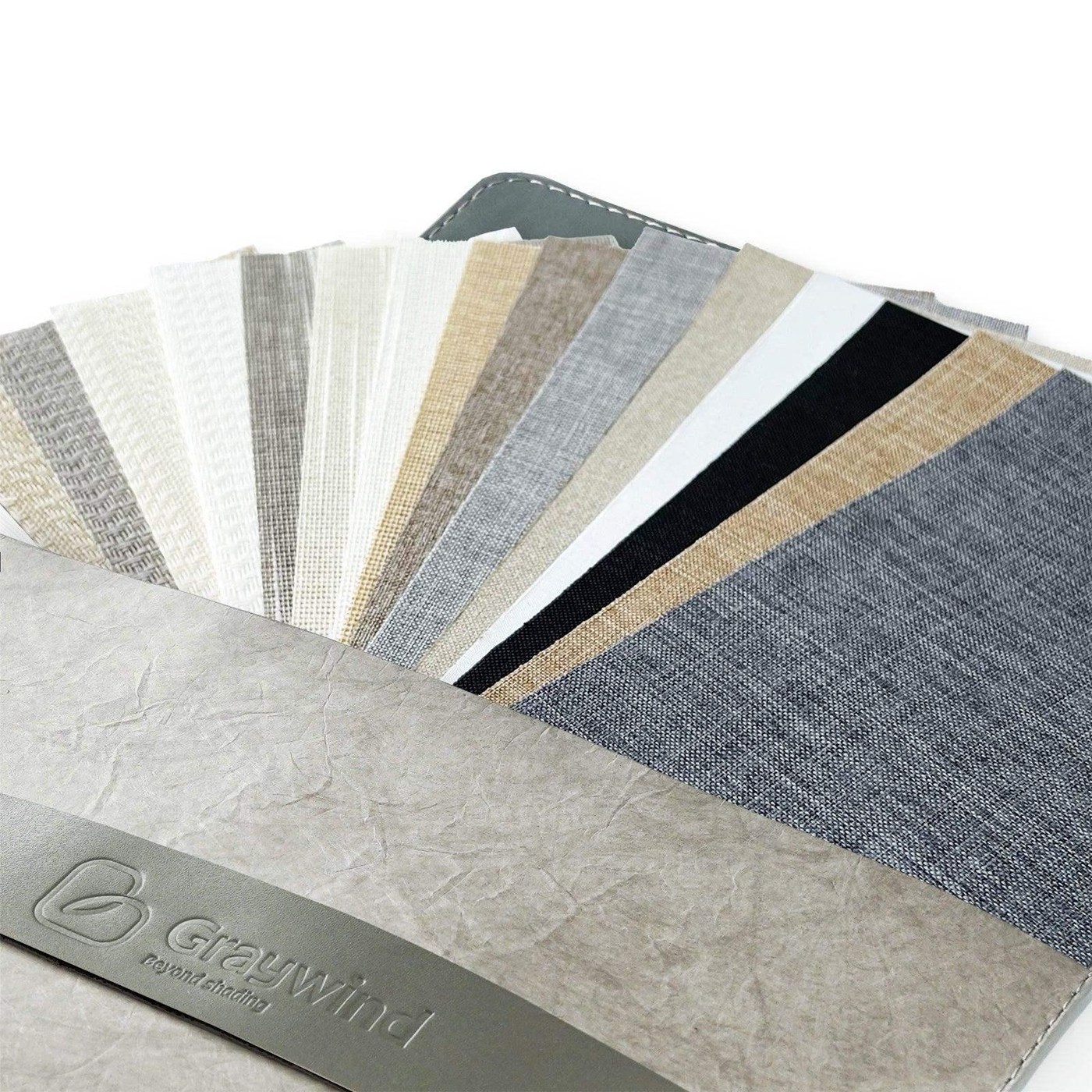
The motor handles movement; the shade fabric handles light, glare, privacy, and view. Solar screen fabric may use a 1%, 3%, or 5% openness factor. Light-filtering fabric diffuses daylight. Room-darkening and blackout fabrics provide more darkness. Compare fabric performance before selecting controls.
Motorization is particularly useful over a stair landing, above a soaking tub, behind a desk, or in a two-story room where a chain is inconvenient. For a child’s room, cordless and inaccessible controls are also a safety advantage; review child-safe window treatments.
World Wide Shades can specify a motor that fits the shade width and weight rather than treating every window as a standard unit. Contact World Wide Shades if the opening is unusually wide or tall.
What makes a blind “smart”
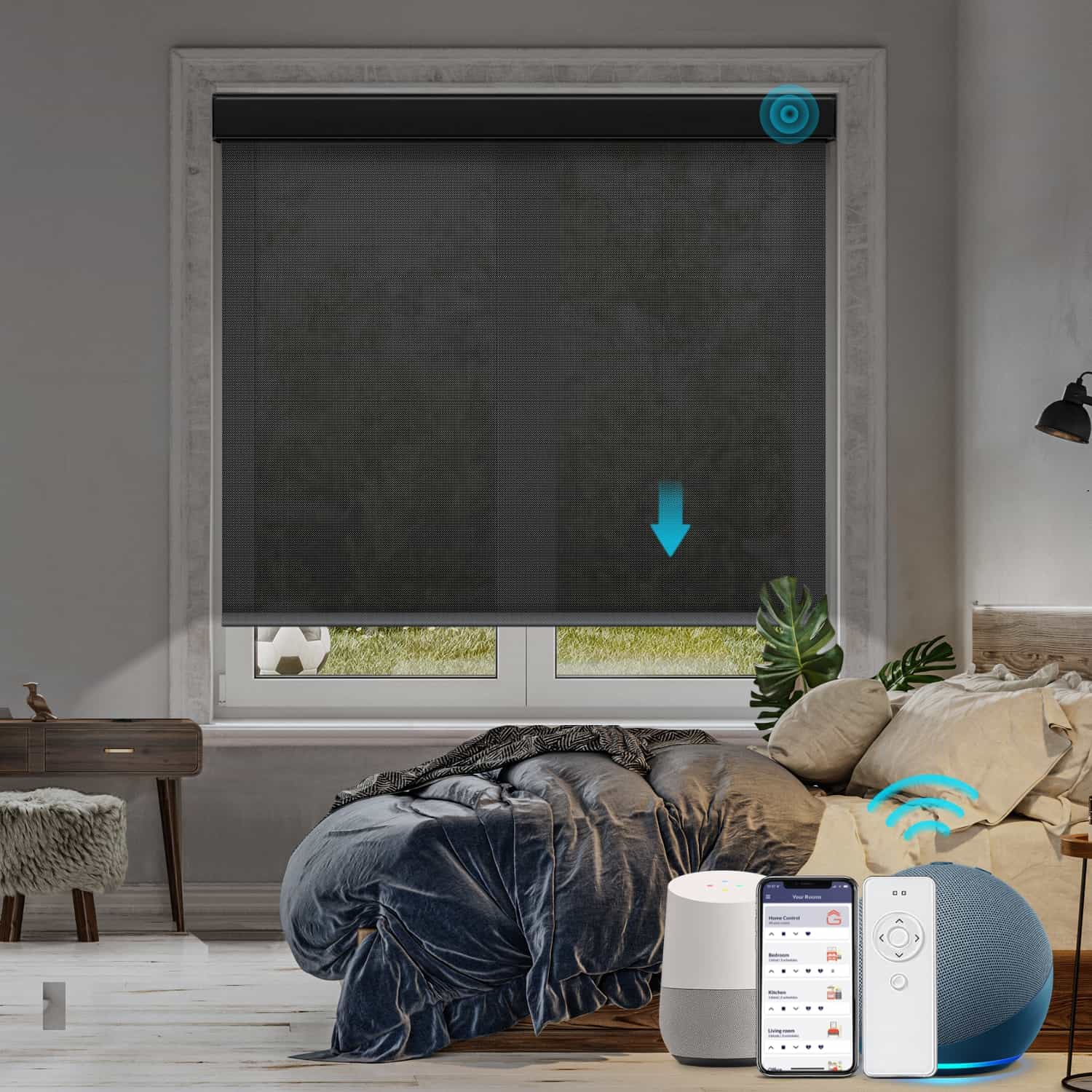
A smart blind adds communication and automation. Depending on the system, that can include a mobile app, sunrise and sunset schedules, percentage positioning, scenes, voice control, temperature or light sensors, and integration with a broader home platform. Smart operation may use Bluetooth, radio frequency, Wi-Fi, or a dedicated bridge. Range and protocol vary by product.
Ask five practical questions before buying:
- Can the shade still operate with a physical remote if the internet is unavailable?
- Does the controller report battery level and shade position?
- Can one scene move several shades to different percentages?
- Does the platform support the voice assistant or hub you already use?
- Who will reset or replace the system if a bridge is discontinued?
A smart feature that is never used is not value. A simple “good morning,” “screen time,” or “away” scene often delivers more benefit than a complicated rule set. World Wide Shades can help keep the operating experience understandable. Discuss the control hierarchy before ordering a dozen motors.
Compare power choices
Rechargeable motors suit completed rooms because they avoid opening walls. Depending on shade size, fabric weight, movement frequency, and battery capacity, charging intervals may range from several months to more than a year. Treat those intervals as planning estimates; a large blackout shade moved six times a day will use more energy than a small office shade moved twice.
Place the charging connector where it can be reached without a ladder. If the shade is above a stair, ask about an extension or service plan. Get a configuration review before assuming every high window is battery-friendly.
Some motors use replaceable cells. They can be convenient for a rental or a single small window, but battery access and disposal should be considered. A remote property needs a clear note about the battery type and location so a future guest or caretaker does not force the shade.
Hardwired motors are attractive for new construction and major remodels. An electrician can plan power before drywall, conceal cables, and place a low-voltage route near the headrail. Coordinate the window schedule with the electrical plan; the shade’s final width and motor location matter.
See custom shades for new construction when the walls are open. World Wide Shades can provide the shade dimensions and power assumptions to the project team.
Compare installation and setup
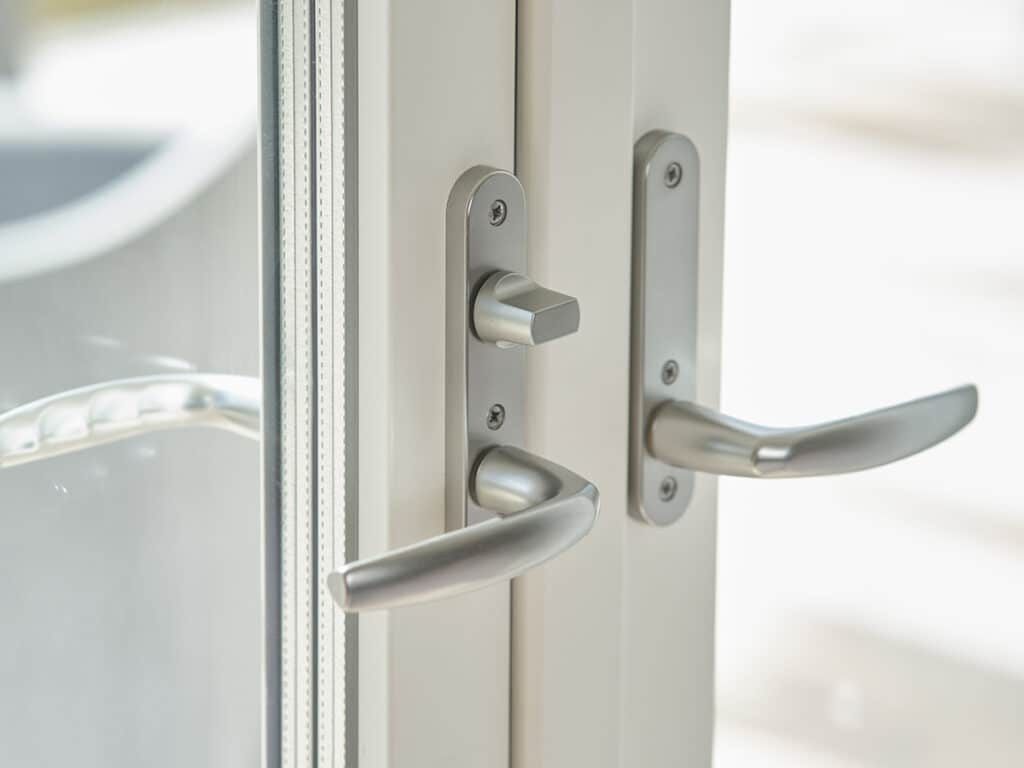
A motorized shade still needs square brackets, correct tube support, and adequate clearance. Measure width at the top, middle, and bottom and check the recess depth. Confirm that a handle, insect screen, or adjacent casing will not rub the fabric. Large openings may need two shades rather than one oversized unit.
After mounting, set upper and lower limits so the hem bar stops safely above the sill and does not overrun the roll. Pair the remote before installing a high shade if the manufacturer allows it. Label rooms and channels immediately; “Shade 1” becomes confusing when there are 14 windows.
Use a physical test for every unit: open, close, stop at 50%, and confirm the final position. Then test scenes from the app and from the voice assistant. Read how to install roller shades for general mounting logic, but use the motor maker’s instructions for pairing and limits.
Decide whether smart integration is worth it
Smart control is valuable when the shades are numerous, high, or tied to a predictable routine. A sunrise scene can open bedrooms gradually. A sunset scene can close street-facing windows. An away scene can lower south-facing shades while the family is gone. A glare scene can lower the office to 40% instead of closing it completely.
Integration is less important for one reachable shade that moves twice a day. In that case, a remote or wall control may be more reliable and less expensive. Avoid buying a hub solely because it is fashionable. Confirm compatibility, local control, firmware support, and the ability to operate basic functions if the cloud service is unavailable.
World Wide Shades can coordinate groups by room, facade, or use. Ask about a practical automation plan so “smart” reduces effort instead of adding another app.
Compare privacy, safety, and light control
Motorization does not determine the shade’s privacy rating. Choose a solar screen for glare with some view, a light-filtering fabric for diffuse daylight, or a room-darkening or blackout fabric for sleep and projection. The roller shades versus solar shades comparison explains why an open screen and a continuous face behave differently.
Cordless motorization is useful around beds, cribs, pets, and doors because it removes a hanging operating loop. Keep remotes out of a crib and mount wall controls where a child cannot pull on them. Use a cassette or outside mount when perimeter light is a major concern. Order swatches and test privacy with the interior lights on.
Budget the whole system
A small manual roller shade may cost about $175 to $400 as a planning range. Motorization commonly adds approximately $250 to $600 per shade. A rechargeable or hardwired system, smart bridge, premium fabric, cassette, side channel, and installation can raise the total. A large blackout shade may fall around $350 to $850 before motorization.
Smart control can add a bridge or hub cost, but the largest budget variables are often shade size, fabric, and motor count. The custom roller shade cost guide covers the main drivers. Build the actual window list, then contact World Wide Shades for a proposal instead of multiplying a retail price by an assumed number of rooms.
Keep the system serviceable
Dust the fabric with a soft brush or low-suction vacuum. Keep charging ports accessible and label remotes. Check battery status before a season with heavy use. If one shade starts slowly, stops short, or sounds strained, stop running it repeatedly; the issue may be a limit, alignment, obstruction, or power problem.
Maintain a one-page home note with motor model, room, channel, hub, Wi-Fi requirements, and charging date. World Wide Shades can help identify the shade configuration when service is needed. Contact the team before replacing a motor with an incompatible controller.
FAQ: motorized shades vs. smart blinds
No. Motorized describes the powered movement. Smart describes added connectivity or automation. A motorized roller shade can use only a remote, or it can become a smart shade through a compatible hub or controller.
It depends on the system. Many can operate locally with a remote or Bluetooth connection, while app scenes or voice control may need a bridge or internet. Always ask for a physical fallback before installation.
They can be reliable when the shade is correctly sized and the charging connection remains accessible. Battery life depends on width, fabric weight, movement frequency, and temperature; large blackout shades moved often need more frequent charging.
Cordless motorized shades remove an accessible operating cord, which is useful around children and pets. Remotes and wall controls still need thoughtful placement, and the shade must be installed and limited correctly.
They are most useful for multiple windows, high openings, regular schedules, or scenes that reduce glare and heat. For one reachable window with occasional movement, a simple remote may provide nearly all the practical benefit.
A planning range is $175 to $400 for a small manual shade, plus about $250 to $600 for motorization. Large blackout units, hubs, cassettes, side channels, and installation add cost; the exact quote depends on the full system.
Make automation serve the room
The best answer to motorized shades vs. smart blinds starts with light, privacy, and access, then adds technology that makes the solution easier to live with. World Wide Shades can coordinate fabric, motor, power, and control across the home. Start the design, compare swatches, or contact World Wide Shades. Call (844) 674-2716 when you want a system that works from the wall, the remote, and the smart-home app.