If you’ve ever ordered something online and thought, “That’s not the color I expected,” you already understand why shade samples matter. Window treatments are even trickier because the light in your home changes every hour. What looks like a warm white at noon can turn gray at dusk, and a fabric that feels private at night may look transparent in bright daylight.
That’s why World Wide Shades strongly recommends ordering shade samples (swatches) before you buy—especially if you’re investing in custom roller shades.
If you want to avoid expensive do-overs, start with this simple step: Order swatches from World Wide Shades.
What shade samples are (and what they’re not)
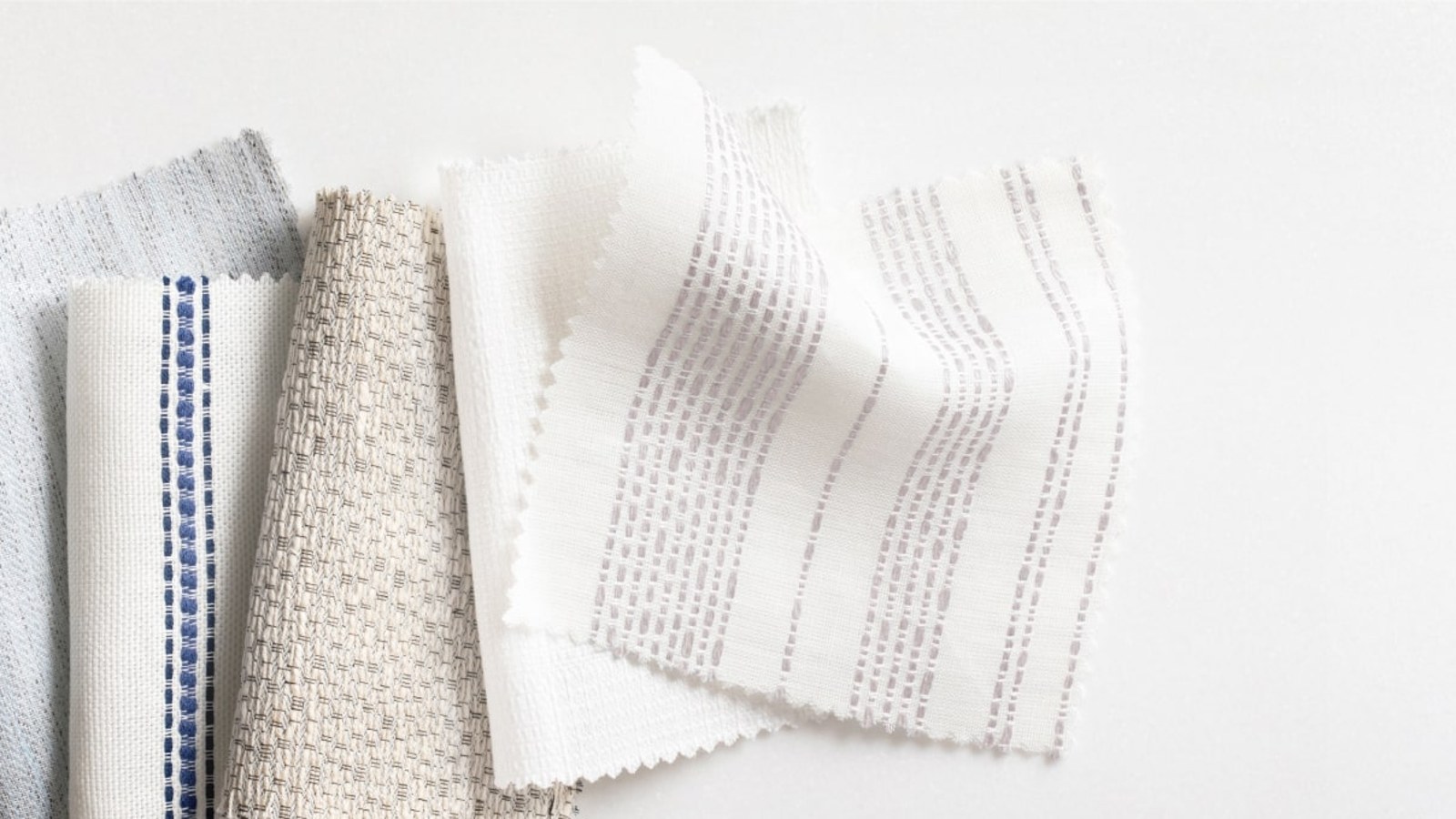
Shade samples are small cuttings of the exact fabric (or a close representation of the fabric collection) you’re considering. They help you evaluate color, texture, and light behavior in your real space.
What swatches can tell you:
- Whether the color is warmer/cooler than it looks on a screen
- How the weave reads up close (smooth, linen-like, textured)
- How much light passes through during the day
- Whether the fabric creates glare on screens
What swatches cannot fully tell you:
- The exact look at full window scale (pattern repeats and large areas feel different)
- The full effect of hardware, valances, and mounting details
That’s why the best approach is: use swatches to make the “fabric decision,” then use a builder and room-by-room plan to confirm the final look. You can do that here: Build your shades.
Why screens lie about shade color
Phones and monitors are great for inspiration, but they’re unreliable for final color decisions.
A few reasons:
- Displays vary by brand and brightness settings
- Auto color adjustments change how neutrals look
- Photos are edited (even unintentionally)
- Your room lighting can be warm (2700K) or cool (5000K), which shifts the fabric tone
If you’re choosing a neutral, this matters a lot. Neutrals show undertones—yellow, green, pink, or gray—more than people expect.
To reduce “neutral regret,” pair swatches with a quick read of Window Shades Color Guide, then request swatches: Order swatches.
The biggest reason to order samples: privacy and opacity
People often focus on color first, but the real make-or-break decision is opacity.
Two fabrics can look similar in a product photo and behave totally differently in daylight.
Light filtering shades soften daylight and reduce glare, but they don’t create total darkness.
Blackout shades are designed to block significantly more light, making them ideal for bedrooms, nurseries, and media rooms.
Before you decide, read:
Then use swatches to test these real-life questions:
- Can I see shapes or silhouettes from outside during the day?
- Does the fabric create screen glare at my desk or TV?
- Does it make the room feel darker than I want?
World Wide Shades can help you match the right fabric to your privacy goals. If you want guidance before ordering, call (844) 674-2716 or contact us.
How to test shade samples correctly (a simple 10-minute routine)
Swatches work best when you treat them like a mini experiment.
Tape the swatch directly to the glass and also hold it in front of the window.
- On the glass: shows true light transmission
- In front of the glass: mimics how a shade sits in the room
Check it three times:
- Morning sun (cooler light)
- Midday (brightest)
- Evening (warm indoor light dominates)
If possible, step outside or into a hallway and look back at the window.
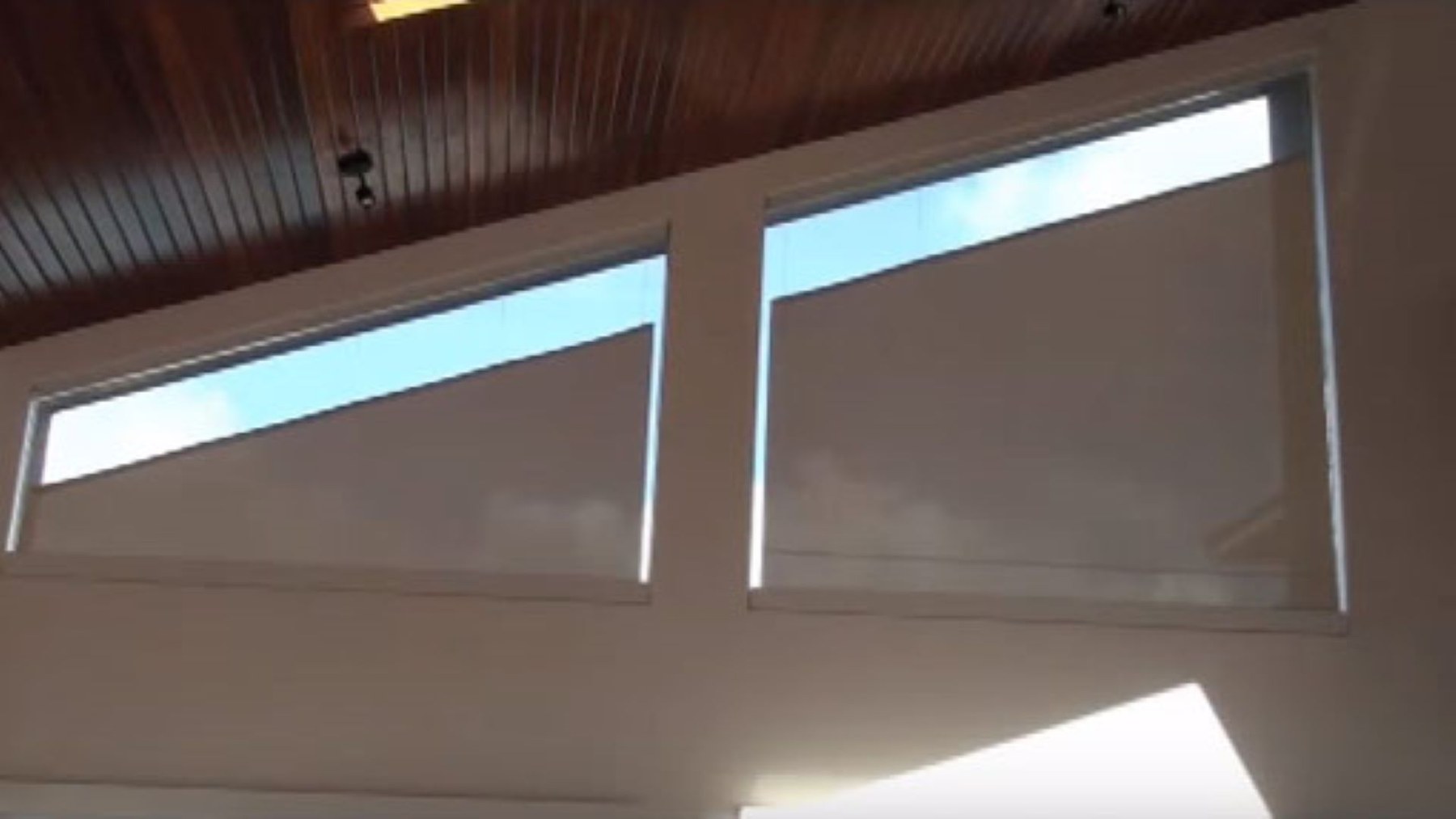
This is where people get surprised: a “light filtering” fabric can look far more open than expected when the sun is behind it.
If you’re trying to reduce view-in while still keeping a bright room, a solar shade option may be worth comparing. Start here: Solar Shades vs Roller Shades.
Place the swatch next to:
- Wall paint
- Trim color
- Flooring and rugs
- Sofa or bedding textiles
This helps you spot undertones fast.
Many fabrics look “busy” only up close. Stand 6–8 feet back and ask:
- Does it read smooth and clean?
- Does it feel too textured for the style?
If you’re going for a modern look, you may prefer cleaner weaves. For trend cues, see Window Shade Trends 2026.
What to order: how many swatches do you actually need?
Most people don’t need 15 swatches. Too many options can slow your decision.
A practical approach:
- Choose 1–2 “safe” neutrals
- Add 1 slightly warmer and 1 slightly cooler option
- If you’re unsure about opacity, add one step darker/more opaque option
For a whole-home project, select swatches by room category:
- Bedrooms: prioritize opacity and softness
- Living areas: prioritize glare control + style
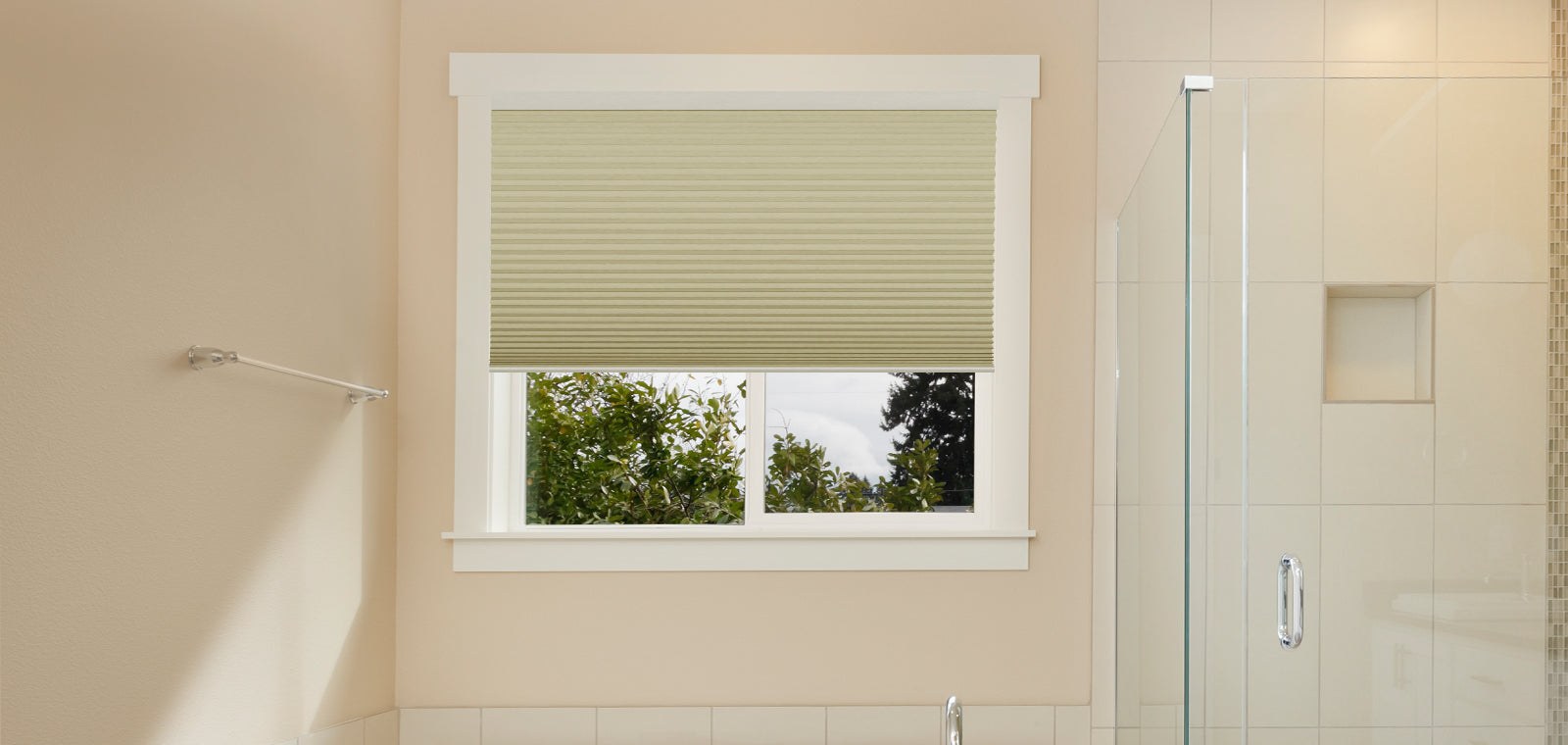
- Bathrooms/kitchens: prioritize moisture-friendly performance
(If you’re making decisions room by room, this post can help for wet areas: Roller Shades for Kitchen and Bathroom.)
When you’re ready to move from swatches to exact sizing, use the World Wide Shades configurator: Start in the builder.
How samples make your project faster (not slower)
It feels like samples add an extra step, but they usually reduce total time.
Here’s why:
- You stop second-guessing once you’ve seen the fabric in your light.
- You avoid re-ordering after installation.
- You can make decisions in batches (one set of swatches can cover multiple rooms).
If timeline matters to you, combine swatches with a clear production plan. This guide explains the overall process and typical lead times: How Long Does It Take to Get Custom Roller Shades?.
Common mistakes people make with swatches
Avoid these and you’ll decide faster.
Indoor lighting can make almost any fabric feel private. Daylight is the real test.
A beautiful fabric that creates screen glare or feels too transparent will annoy you daily.
If glare is a concern, compare options that protect interiors too: UV Protection Window Shades.
Trends are helpful, but undertones are permanent.
Use swatches to confirm your color choice works with your paint and flooring.
A swatch can’t show you light gaps around the edges.
If you want near-total darkness, your mounting choice matters. Read Inside Mount vs Outside Mount Shades, and consider a valance for a cleaner finish: Roller Shade Valance Options.
Swatches and cost: do samples help you spend smarter?
Yes, because they help you avoid buying the wrong product.
If you’re comparing costs, it’s useful to understand what goes into custom pricing (fabric, sizing, hardware, and upgrades). This guide can help you budget: How Much Do Custom Roller Shades Cost.
And if you’re comparing custom vs retail, here’s a straight talk breakdown: Custom Shades vs IKEA and Amazon.
FAQ: ordering window shade samples
They’re not mandatory, but they’re the easiest way to prevent color and privacy regrets—especially with neutrals and light-filtering fabrics.
A solid rule is 2–3 days so you see the fabric in different daylight and at night. If you already know your style and only need a quick confirmation, one full day can be enough.
Yes. In fact, doing both in parallel often speeds up your project. For measuring help, see How to Measure Windows for Roller Shades.
If you’re using the same fabric collection throughout the home, one set of swatches can cover multiple rooms. The key is to test the swatches in the rooms with the most dramatic light (usually south- or west-facing).
Next step: get swatches, then build with confidence
If you’re close to buying, swatches are the best “final check” you can do.
- Order swatches from World Wide Shades
- Ready to price and configure? Build your custom shades
- Want a quick recommendation? Call (844) 674-2716 or contact World Wide Shades
Once you’ve tested your samples, you’ll feel confident pressing “order,” because you’ll know exactly how your shades will look and perform in your home.