What a slipping roller shade clutch feels like
A roller shade clutch is the control mechanism that transfers chain or spring movement to the tube. When it slips, the shade may stop halfway, drift downward after you release the chain, require more force than usual, or make a clicking sound without lifting the fabric. A chain loop that moves while the tube does not is one of the clearest clues.
The clutch is a wear part, but slipping can also be caused by an overloaded shade, a wrong-size replacement, a misaligned bracket, or a chain loop that is rubbing. World Wide Shades helps homeowners choose a complete shade when a clutch diagnosis reveals a larger fit or fabric problem.
CTA: If you want to compare a clutch repair with a new custom shade, start with the World Wide Shades Builder.
Safety first: know when not to DIY
Do not work on a shade above a tub, stair, loft, or tall window without proper access. Have a second adult support a wide headrail or tube. If the shade is motorized, disconnect power and do not open the motor housing. A chain loop can pose a child-safety hazard; secure it with the correct tension device and keep it away from cribs, beds, and climbing furniture. The child-safe window treatments guide covers safer operating choices.
Wear eye protection when removing a bracket. Springs inside some roller mechanisms can be preloaded, and a small component can release unexpectedly. If the fabric is wider than about 72 inches, blackout fabric is heavy, or the bracket is mounted in masonry, professional service is usually the better value.
CTA: Send a photo of the clutch and the shade label to World Wide Shades support for a safer next step.
Three tests that isolate the clutch
Lower the shade to a comfortable position. Pull the chain a few inches while watching the tube. A healthy clutch should turn the tube immediately and consistently. If the chain advances 2 inches but the tube hesitates, jerks, or stops, the clutch teeth or drive path may be worn.
Do not pull harder to “get past” the slip. Excess force can tear the chain, strip the clutch, or detach the fabric from the tube. Count how much chain travel corresponds to one full wrap of fabric; a sudden change is useful evidence.
Operate the shade with the bottom rail centered. Listen for rubbing at the left and right ends. A crooked headrail can make a good clutch feel weak because the tube is binding. Use a level across the headrail and inspect for a bracket screw that has loosened.
Dust, a bent idler pin, or a bracket that is too tight can increase friction. Clean with a dry cloth and run the shade again. For a broader mechanical diagnosis, compare how to troubleshoot a stuck roller shade and how to fix uneven tracking.
A clutch is sized for a fabric width, height, and weight. A 60-inch-wide blackout shade can place much more load on the mechanism than a 60-inch-wide light-filtering shade. If the shade was recently refabricated, shortened, or fitted with a heavier hembar, the original clutch may be undersized.
Measure the finished width and height, note the fabric type, and record whether the chain is metal or plastic. That information matters more than a brand name alone.
CTA: Need the right material before you order parts? Request World Wide Shades swatches and compare light-filtering, solar, and blackout fabrics.
How clutch replacement works
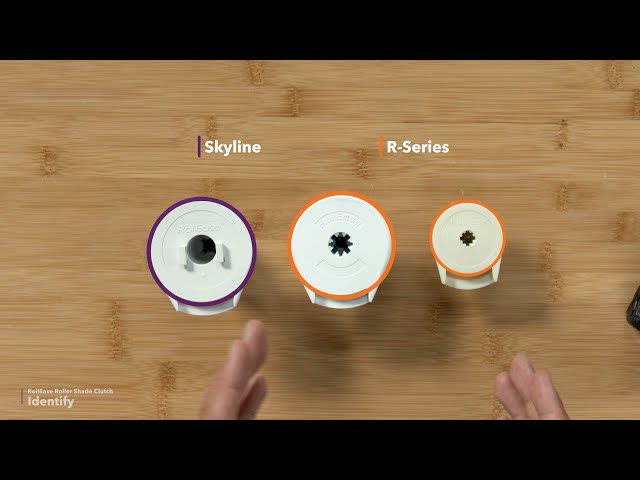
A typical manual roller shade has a control-side clutch, an idle-side pin or end plug, two brackets, and a tube with the fabric attached. Replacement starts by lowering the shade, supporting the tube, releasing it from the brackets, and identifying the clutch profile. The new clutch must match the tube diameter, bracket geometry, chain type, and load rating.
Photograph the installed mechanism before removal. Measure the tube diameter with calipers if available; common systems use approximately 1.25 inches, 1.5 inches, or 2 inches, but nominal sizes are not interchangeable. Count the chain beads or measure bead pitch. A clutch designed for a 3.2 mm bead chain is not automatically compatible with every loop.
Reinstall the tube level, verify that the fabric is centered, and test the full range with the shade unloaded by your hands. Check that the chain tensioner is secure and that the loop cannot form a hazardous reach. If the fabric rolls backward or the chain direction feels wrong, stop and recheck the clutch orientation.
World Wide Shades can specify the tube and clutch as a matched system instead of asking you to combine parts from different product families. That is especially useful for a wide opening or a shade that must coordinate with others in the room.
CTA: Choose a matched custom configuration with World Wide Shades if you do not know your tube diameter or clutch model.
Repair cost versus replacement cost
A small manual clutch part may cost about $15 to $45, while a complete repair visit commonly lands around $75 to $200 before unusual access or custom parts. A new custom manual shade can range from roughly $150 to $600 per opening, and motorized configurations often start higher, depending on width, fabric, controls, and installation. These are planning ranges, not a quote; large blackout shades and specialty mounts can exceed them.
Repair is attractive when the fabric is clean, the tube is straight, the shade fits well, and the clutch is a standard replacement. Replacement is usually smarter when the fabric has faded, the tube bows, the brackets are damaged, or the old unit has repeated failures. If heat and sunlight are part of the problem, read UV protection window shades before choosing a new fabric.
A new shade also lets you correct a light gap, upgrade to cordless operation, or select a cassette. Compare roller shade valance options when the exposed tube is a design concern, and review how much custom roller shades cost for more budgeting context.
CTA: Ask World Wide Shades for an honest repair-versus-replace recommendation at contact or by calling (844) 674-2716.
Preventing another clutch failure
Keep the shade within its intended height and do not hang objects from the bottom rail. Operate chain loops in a straight vertical path, not at a sharp sideways angle. Dust the bracket and headrail monthly in high-pollen rooms, and do not use abrasive cleaners on the fabric or mechanism.
If several windows need the same opening, order them with matching tube and clutch specifications. For frequently used rooms, motorization can reduce repeated chain pulls, but it adds batteries, controls, and setup decisions. The motorized versus manual roller shades cost comparison can help quantify that tradeoff.
World Wide Shades can coordinate a consistent fabric, hembar, and operating system across a room, so one heavy unit is not carrying a load it was never designed to handle.
CTA: Get a coordinated quote through the World Wide Shades Builder before buying a one-off replacement clutch.
FAQ: roller shade clutch problems
The clutch may be slipping, the chain may be incompatible, or the shade may exceed the mechanism’s load rating. First check for side drag and a loose bracket. If the chain moves without immediate tube movement, stop pulling and identify the clutch before replacing it.
Yes, when the tube, fabric attachment, brackets, and idle pin are sound and the replacement clutch matches the system. A wrong diameter or load rating can create another failure. Photograph and measure the parts before ordering.
Service life depends on weight, use, dust, humidity, and alignment. A lightly used bedroom shade may last many years, while a heavy, frequently operated shade can wear sooner. Repeated slips after cleaning usually indicate a worn mechanism.
Metal and plastic chains can both work well when matched to the clutch. The chain’s bead size, loop length, tension device, and load compatibility matter more than appearance. Choose a secure, child-safe setup rather than simply the heaviest chain.
Repair makes sense if the blackout fabric is unmarked and the tube is straight. Because blackout fabric is relatively heavy, confirm that the replacement clutch is rated for the finished size. A matched custom system may be safer for a wide opening.
CTA: Talk with World Wide Shades at (844) 674-2716 or request shade samples before committing to a repair.