Roller shades for octagon windows start with a practical question: should the covering follow the eight-sided opening, or cover it with a rectangle? Those approaches create different appearances, mounting needs, and uncovered areas. An eight-sided frame does not automatically require an eight-sided shade, but a standard roller should not be assumed to fit inside its angled outline.
World Wide Shades recommends settling the mounting concept before selecting fabric or entering dimensions. A rectangular roller installed above the opening may be worth evaluating; a true shape-specific treatment requires confirmation of its construction and operation.
Contact World Wide Shades with a straight-on photo and your privacy goals, or call (844) 674-2716 before ordering. Include a side-view photo so the discussion addresses available mounting space, not just the glass shape.
Understand the Octagon Before Choosing a Shade
A regular octagon has eight equal sides and equal interior angles. A window described casually as “octagonal” may instead have unequal sides, different angles, or proportions stretched vertically or horizontally. Two openings with the same overall width can therefore need very different coverage plans.
Record the overall width and height, but also identify the horizontal top segment, bottom segment, vertical sides, and angled corners. Equal side lengths alone do not establish a regular octagon; the angles matter too. If the frame appears uneven, document what is actually built rather than assuming symmetry.
Some octagons present a horizontal flat at the top; others present a point. That orientation affects where a straight roller tube could sit. A short upper flat may not provide enough room for the brackets or housing required by a shade wide enough to cover the middle.
For a pointed-top opening, record the apex location and available wall above it. For a flat-top opening, record the top-flat width separately from the widest span. Mark whether each measurement refers to visible glass, the frame opening, or outside trim.
World Wide Shades can review this information with you before a configuration is selected. For broader planning around unusual openings and unfinished mounting areas, see custom shades for new construction.
Compare Rectangular Coverage With a Shape-Specific Treatment
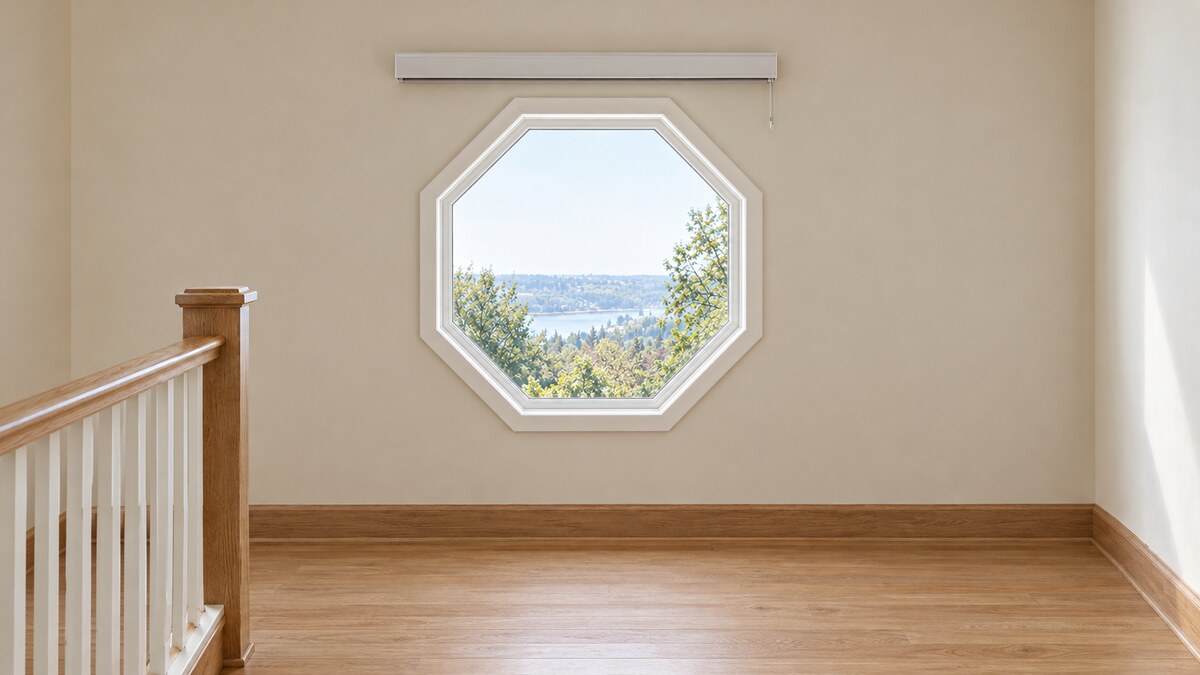
A conventional roller raises and lowers a rectangular panel. Placing it above an octagon can cover the opening without requiring fabric that follows every angled edge, provided the mounting surface, fabric coverage, and travel path work together.
With the shade lowered, the rectangle will usually cover some wall or trim around the angled corners. With it raised, the octagonal outline can remain visible beneath the roller assembly. Decide whether preserving that outline while the shade is down matters more than having a straightforward rectangular covering.
Sketch a rectangle around the entire opening, including any trim you want concealed. Then show the proposed roller position, full fabric width, lower stopping point, and clearance from projecting details. This helps reveal whether the shade would hang cleanly or brush the frame.
For an illustrative example, an opening with a 30-inch widest span and a 34-inch height would not necessarily require a shade ordered at those dimensions. Desired overlap, bracket spacing, and fabric deductions could change the specification; those figures are not an ordering recommendation.
A treatment that follows an octagon is a specialty proposition, not simply a rectangular roller with its corners trimmed. Ask whether the proposed product is approved for that exact geometry, whether it moves or remains fixed, and what portions of glass it covers.
World Wide Shades does not recommend assuming that a standard roller fabric can be cut into an operating octagon. Before pursuing either route, start a configuration in the builder only after the mounting approach is confirmed; unusual geometry may need a separate fit discussion.
Measure the Frame, Reveal, and Usable Mounting Area
Frame dimensions describe the window; mounting dimensions describe where the shade can actually attach and travel. Keep those records separate. Decorative casing, an inset glass plane, or a narrow upper reveal can make an apparently generous opening unsuitable for an inside-mounted rectangular roller.
Crestron’s roller shade measuring guidelines advise measuring finished openings, accounting for hardware and other obstructions, and measuring where the brackets will mount. Its inside-mount procedure includes depth, while its outside-mount guidance distinguishes bracket-to-bracket width from fabric width.
Apply those principles without borrowing another manufacturer’s deductions. For an octagon, measure the width at the intended bracket elevation and map how the opening narrows above and below its widest section. A single middle-width reading cannot establish that a straight assembly will fit higher in the frame.
Reveal depth also needs more than one observation. Note the distance from the proposed mounting face to glass, handles, stops, or screens, and identify whether that clearance changes along the roller’s width. Check the chosen system’s required depth rather than assuming a shallow bracket will work.
For installation sequencing, review how to install roller shades. Treat that guide as supporting context, not a substitute for the selected product’s instructions or a review of an unusual frame.
Keep Fixed Glass and Operable Sashes Separate
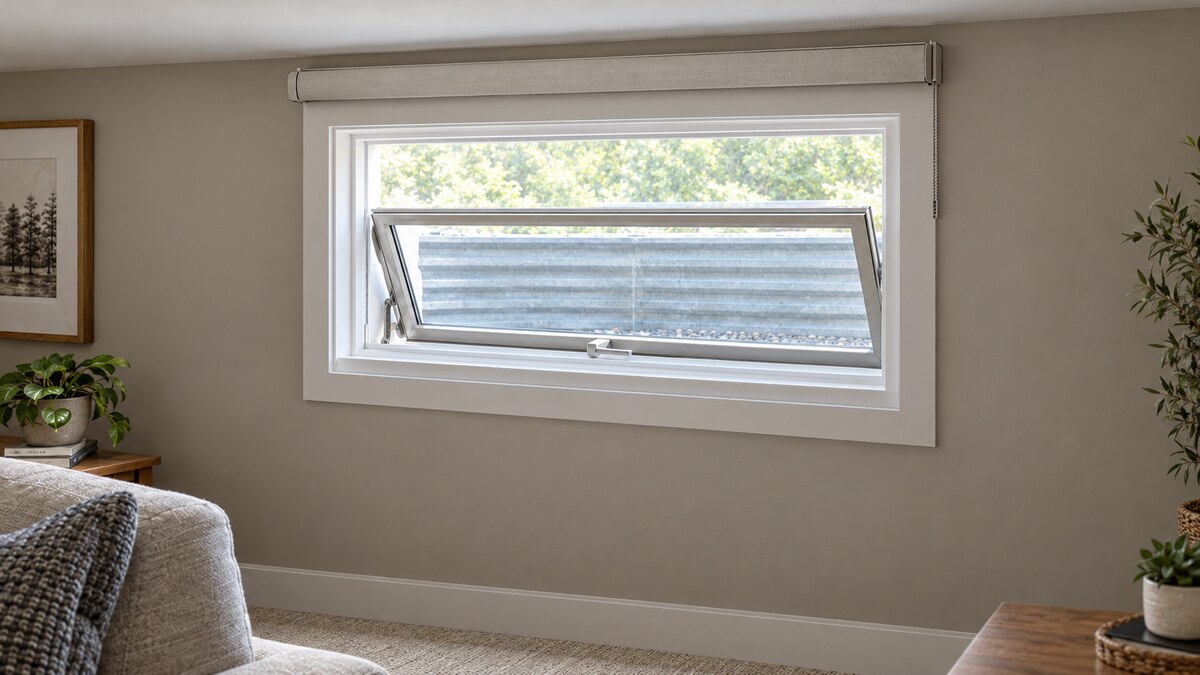
A fixed octagonal window has no sash-opening path to accommodate, but its trim, glass, and mounting substrate still affect the shade. An operable octagon adds moving hardware and a sash that may tilt, swing, or project beyond the frame. Record the actual motion rather than relying on the window’s shape.
Open the sash fully while observing the proposed shade plane. Identify whether it would strike the fabric, bottom rail, housing, or controls, and consider access to latches and screens. Raising the fabric does not necessarily remove the roller assembly from the sash’s path.
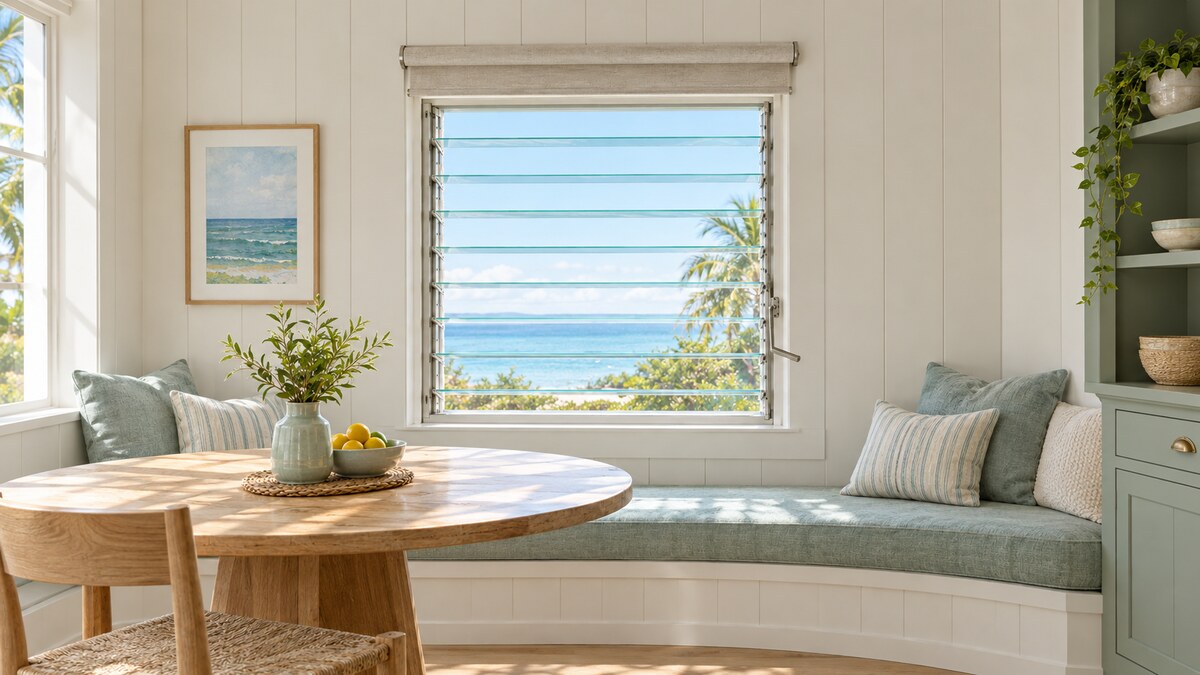
The clearance-first approach in our guide to roller shades for hopper windows is useful when a sash tilts into the room. For openings with moving glass blades, see roller shades for jalousie windows rather than treating ventilation hardware as a minor detail.
World Wide Shades encourages a separate review of anything installed in front of the opening. The same principle appears in roller shades for windows with security bars, where mounting position must account for another physical layer.
Send the team your sash-open photos before choosing a mount, or call (844) 674-2716. Include the handle position and explain whether opening the window is part of your daily routine.
Choose Fabric After Resolving Coverage
Fabric cannot correct a shade that leaves part of the octagon outside its coverage. First establish the rectangle’s position and the expected perimeter gaps; then decide how much transmitted light and visibility you want. A bathroom privacy goal deserves a different evaluation from occasional afternoon glare control.
Do not equate an opaque fabric with a fully darkened room. Light can still enter around the panel, particularly where a shade stands away from projecting trim. Ask how the proposed installation handles the perimeter, and avoid promising complete blackout from a fabric description alone.
For a high decorative window, consider how the fabric looks against both the glass and surrounding wall. A strongly contrasting rectangle emphasizes its outline when lowered, while a quieter color may make the overlap less noticeable. Our window shades color guide can help narrow that visual decision.
Request fabric swatches from World Wide Shades before finalizing the room palette. Hold them near the actual opening and evaluate their appearance under the lighting conditions that matter most to you.
Make the Roller Assembly Part of the Design
The upper hardware deserves attention because an octagon often draws the eye upward. A cassette, exposed roll, or separate valance can change the composition, but each proposed assembly needs enough mounting room. Do not select a cover solely because it hides the roller in a rendering.
Mark its full outline on a photo or sketch, including any projection into the room. Check whether it crowds the ceiling, interrupts nearby trim, or sits awkwardly above a pointed apex. Compare available approaches in roller shade valance options.
World Wide Shades also recommends planning how you will reach and operate the shade. If motorization is being considered, confirm availability for the chosen system and address power, charging access, and service access before ordering.
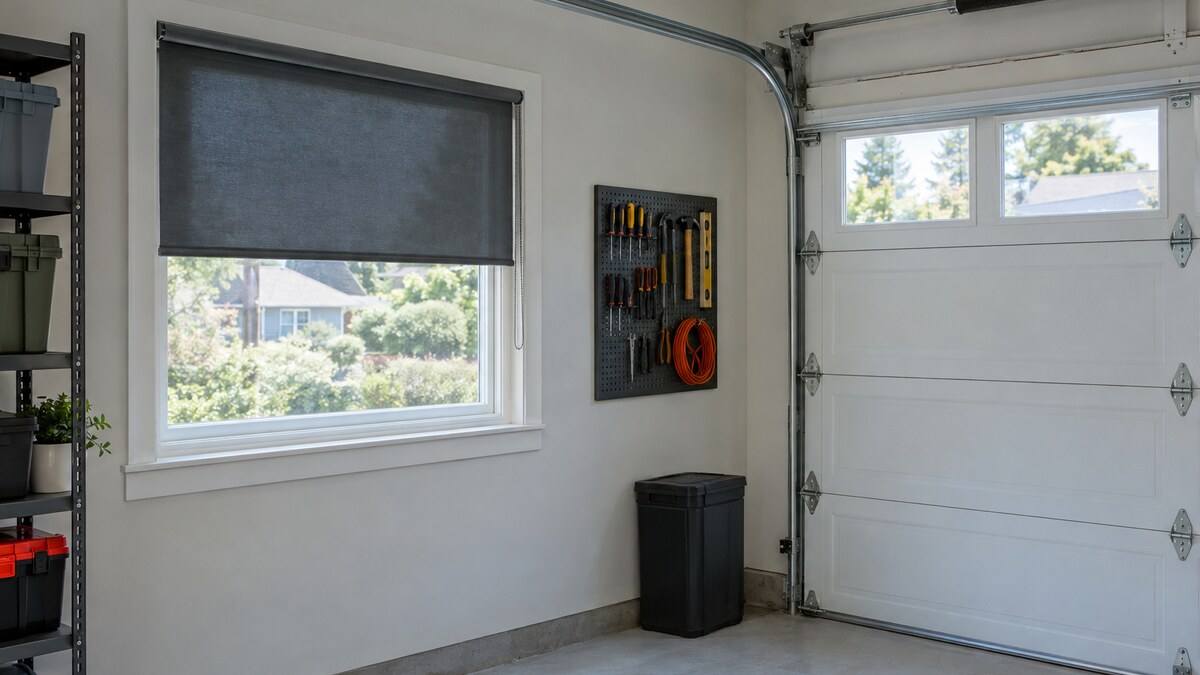
An octagon mounted in a moving garage-door section needs a different review from one set into a stationary wall. Our guide to roller shades for garage door windows addresses that separate planning context; do not transfer a wall-mounted design to a moving door without approval.
Frequently Asked Questions
Do not assume it can. A straight roller assembly needs suitable bracket locations and clearance, while the octagon narrows toward its corners. An inside-mounted rectangle may leave angled glass uncovered or conflict with the frame, so evaluate the exact assembly and intended coverage first.
Not without confirmation that the complete system is designed and approved for that configuration. Custom sizing of a rectangular shade does not establish shape-cut capability. Ask for a documented specialty solution rather than modifying a standard operating panel.
It is often the first rectangular approach worth evaluating because mounting above the opening avoids placing a full-width roller within its narrowing top. It still needs adequate wall space, secure attachment, and clearance. The visible overlap may also be undesirable if preserving the outline while covered is your priority.
Record the top flat or apex, angled transitions, widest span, frame and trim boundaries, and usable reveal depth. Add bracket-location measurements and any sash or handle projection. State exactly what each dimension represents so glass size is not mistaken for an order size.
Privacy depends on the selected fabric and the installed coverage, including gaps and viewing angles. Review the opening from the relevant outside sightlines and discuss nighttime use. Do not rely solely on a daytime fabric sample or the assumption that a high window cannot be seen through.
Plan the Fit Before Placing the Order
The most useful octagon shade plan combines an accurate opening sketch, a confirmed mounting location, and a clear statement of what should happen when the shade is lowered. Distinguish a rectangular overlap solution from a verified shape-specific treatment before choosing finishes or controls.
Contact World Wide Shades to review the geometry and next steps. Once fit is established, use the shade builder to explore supported configurations and keep the approved measurements with your project notes.