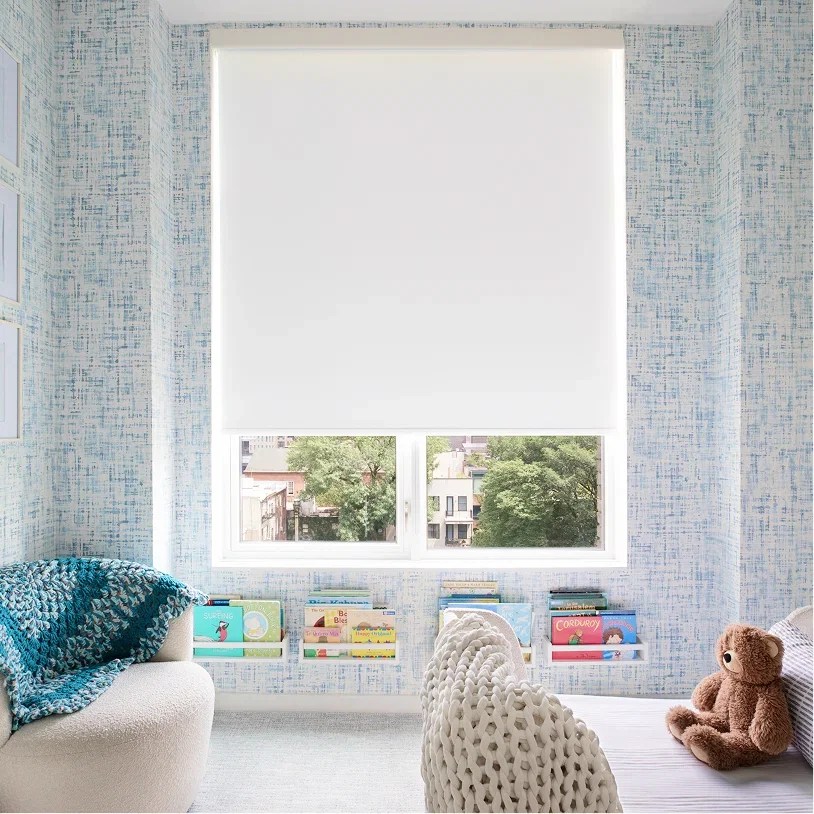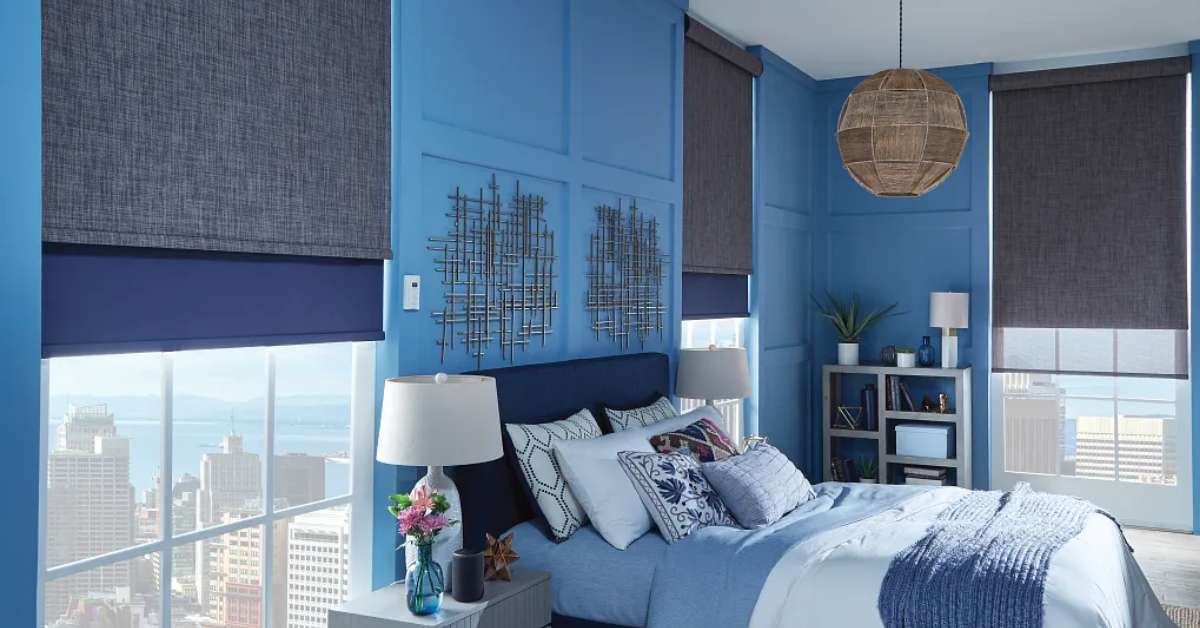
A teen bedroom is a bedroom, study, gaming setup, music room, and personal retreat in one space. The right roller shades for a teen bedroom make those competing uses easier to manage: they can soften harsh daylight for homework, block a streetlight at bedtime, and protect privacy without making the room feel dated after a year or two.
World Wide Shades designs shades around the actual opening, the furniture, and the way the room is used. Start with the World Wide Shades builder to compare roller fabrics and controls, order World Wide Shades swatches to see color in the room, or contact World Wide Shades for a window-by-window recommendation. Call (844) 674-2716 when you want help matching the shade to a desk, screen, bed, or unusual window.
Start with the bedroom’s daily schedule
A teen who sleeps until 9:00 a.m. on weekends has a different light-control need from a teen who wakes at 6:00 a.m. for school. Begin by noting when direct sun, headlights, and indoor lights are most distracting. East-facing glass can send a bright beam across a pillow at sunrise; west-facing glass can put a low afternoon reflection on a monitor; street-facing glass can create a privacy problem as soon as interior lights turn on.
The CDC recommends 8 to 10 hours of sleep per 24 hours for teenagers ages 13 to 18. A shade cannot create a sleep routine, but consistent darkness can remove one environmental variable. For a room with strong early light or a bright parking lot nearby, blackout material plus thoughtful edge coverage is usually worth considering. For a north-facing room with mild light pollution, room-darkening fabric may feel more comfortable than full blackout.
World Wide Shades can help you balance the teen’s schedule with the room’s exposure. Build a bedroom shade plan once you know which window wakes the sleeper and which one hits the desk.
Choose the right level of darkness
Blackout roller shade fabric is made to stop visible light through the cloth, but it does not automatically eliminate light around the sides. An inside mount may leave a narrow halo at the frame. An outside mount with approximately 2 to 3 inches of overlap per side can reduce that glow, subject to trim and hardware. Side channels can tighten coverage further when headlights or a neighbor’s floodlight are persistent.
Blackout is a good fit for a teen who sleeps late, uses a projector, or needs a dark background for video calls. It also helps a gaming screen look more consistent during daytime play. Read the blackout curtains vs. blackout shades comparison when you are weighing a roller against fabric panels.
Room-darkening fabric lowers brightness without always making the room feel completely sealed off. It works well when a teen wants a visual cue that morning has arrived, or when the bedroom doubles as a reading and homework space. Darker colors often make the room feel dimmer, but the construction and backing matter more than color alone.
Light-filtering fabric diffuses daylight and reduces sharp contrast on a desk. Solar screen fabric uses an open weave, commonly described by openness factors such as 1%, 3%, or 5%, to manage glare while preserving some view. A 3% solar fabric is a practical starting point for a desk near a sunny window; 1% gives stronger glare control, while 5% preserves more view and brightness.
For a room that needs both daylight and deep sleep, consider a dual shade: a solar or light-filtering front layer for homework and a blackout layer for nighttime. The light-filtering shades guide explains how diffusion differs from true blackout.
Reduce screen glare without creating a cave
A glossy monitor reflects a window as a bright rectangle, even when the room does not feel hot. Ask the teen to sit at the desk at 9 a.m., noon, and 4 p.m.; note whether the light strikes the screen directly, arrives from behind the chair, or creates a side reflection. The shade should respond to that direction rather than simply making every window dark.
A matte 1% or 3% solar screen usually reduces direct glare while maintaining usable daylight. If the desk faces a west window, a lower openness factor or a blackout layer may be needed late in the day. If the window is behind the monitor, rearranging the screen perpendicular to the glass can reduce reflection before the shade does any work. World Wide Shades can compare these combinations in the online builder, or you can contact World Wide Shades for a screen-position review.
Plan privacy and safety together
Privacy is most important after dark, when a lit room turns a clear window into a view from outside. A fabric that seems private during the day may become translucent at night. For a street-level bedroom, choose a privacy or room-darkening material and test a swatch with the room light on behind it.
Cordless lift, inaccessible cords, or motorization is the responsible default in a room used by children, younger siblings, friends, or pets. The U.S. Consumer Product Safety Commission says cordless window coverings are the safest option where young children are present and warns that cord hazards can be silent and fast. Review child-safe window treatments for practical placement and operating-system guidance.
Keep beds, desks, and climbable furniture away from the operating hardware when possible. If a window is over a bed or the shade is unusually wide, motorization avoids a dangling control and makes a morning scene easy to schedule. Call (844) 674-2716 to discuss a cordless or motorized configuration with World Wide Shades.
Pick a style that can grow with the room
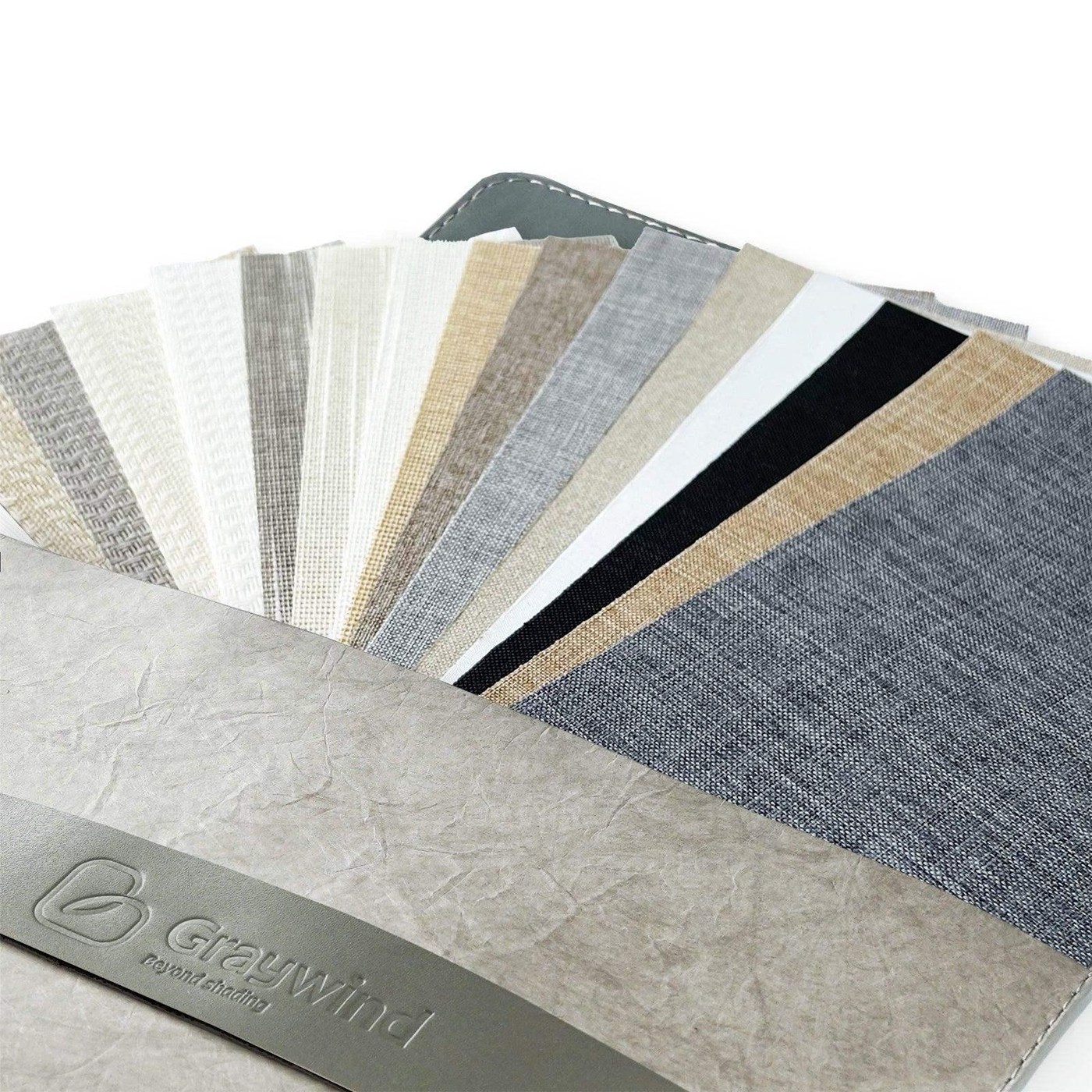
Teen preferences change quickly, so use the shade as a durable base rather than a short-lived theme. White, warm gray, charcoal, oatmeal, and muted navy can work with new bedding and wall art. A subtle texture adds personality without locking the room into a single color story. If the room already has patterned walls or a bold gaming setup, a clean roller profile keeps visual noise under control.
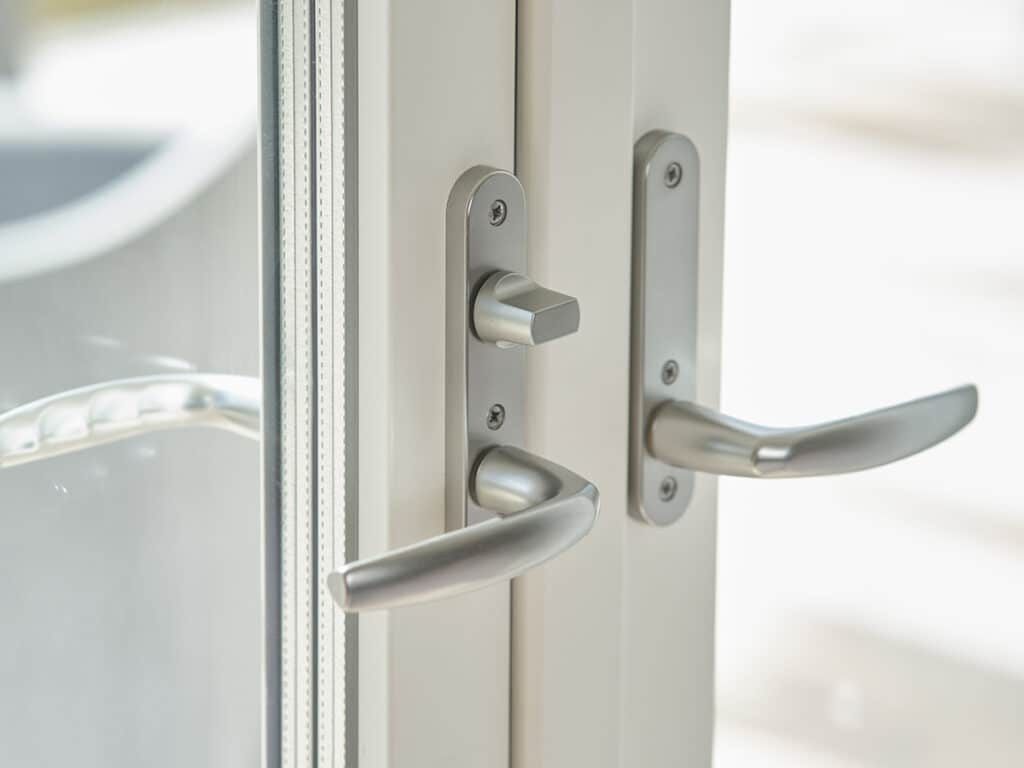
For an elevated look, use a cassette that hides the roll and a consistent hem bar across multiple windows. If the room has French doors, match the fabric but confirm handle clearance; the guide to roller shades for French doors covers split units and door operation. For a dormer or angled opening, treat the window as a specialty project rather than forcing a standard shade.
Inside mount or outside mount?
Inside mount keeps the shade within the recess and preserves trim. It requires enough depth for brackets, the tube, the fabric roll, and the bottom rail. Record width at the top, middle, and bottom and use the narrowest dimension for an inside-mount order, following the manufacturer’s deduction rules. Check that a desk, handle, or window crank will not collide with the shade.
Outside mount is useful when the recess is shallow, the frame is uneven, or edge light matters more than showing trim. A common planning range is 2 to 3 inches of extra width on each side, but the exact overlap depends on the cassette and fabric. World Wide Shades can recommend the mount and gap strategy before you order. Send your measurements through the contact form for a second set of eyes.
What a realistic budget looks like
Custom roller shade pricing varies by width, height, fabric, lift, cassette, and quantity. As a planning range, a small manual custom shade may start around $150 to $350, while a larger blackout shade with a cassette may run $300 to $700. Motorization commonly adds roughly $250 to $600 per shade, depending on motor, power, and control ecosystem. A dual shade can cost more because it contains two fabrics and two operating systems.
Treat those figures as budgeting ranges, not a quote. A tall window, difficult access, side channels, or a rechargeable motor changes the total. The guide to how much custom roller shades cost explains the cost drivers. World Wide Shades can turn the actual dimensions into a more useful proposal through the builder.
Keep the shade easy to live with
Dust the fabric with a soft brush or vacuum attachment at low suction every few weeks. Spot-clean only as the care label allows; saturating a blackout backing can damage its appearance. Keep abrasive cleaners away from the hem bar and cassette. A cordless shade should move smoothly without a sharp pull, while a motorized shade should be stopped if the fabric is rubbing or the tube is no longer level.
For a teen room, standardize the control: one wall-mounted remote, one app scene, or one simple cordless lift is easier than a mix of unfamiliar devices. World Wide Shades can help specify consistent controls across bedrooms so the house feels intentional.
FAQ: roller shades for a teen bedroom
Yes. Blackout roller shades are useful for late sleepers, bedrooms with streetlights, gaming, and projector use. Plan outside overlap or side channels if perimeter light is a concern, because blackout fabric only blocks light through the material.
A 3% solar screen is a strong starting point for balanced glare control and daylight. Choose 1% for intense west-facing glare or 5% when view and brightness matter more than maximum glare reduction.
Cordless, inaccessible-cord, and motorized systems reduce accessible loop hazards. The CPSC recommends cordless window coverings as the safest option in homes with young children, and they are also simpler around beds, desks, and pets.
Use inside mount when the recess has enough depth and you want to show the trim. Use outside mount when the recess is shallow, the frame is uneven, or you need more overlap to reduce edge light.
A planning range is roughly $150 to $350 for a small manual shade and $300 to $700 for a larger blackout shade with a cassette. Motorization, dual layers, and side channels add cost; exact pricing requires dimensions and fabric selection.
Yes. Neutral matte fabrics such as warm white, oatmeal, gray, charcoal, and muted navy provide a flexible base. Order World Wide Shades swatches and view them beside bedding, paint, flooring, and the screen before deciding.
Make the room work today and later
The best teen-bedroom shade is not simply the darkest or cheapest option. It matches the window’s sun direction, gives the desk a usable screen, protects privacy after dark, and uses a safe control that a busy household will actually operate. World Wide Shades can coordinate those details into one consistent plan. Start your custom shade design, compare swatches, or contact World Wide Shades for help; call (844) 674-2716 when you want to talk through the room with a shade specialist.