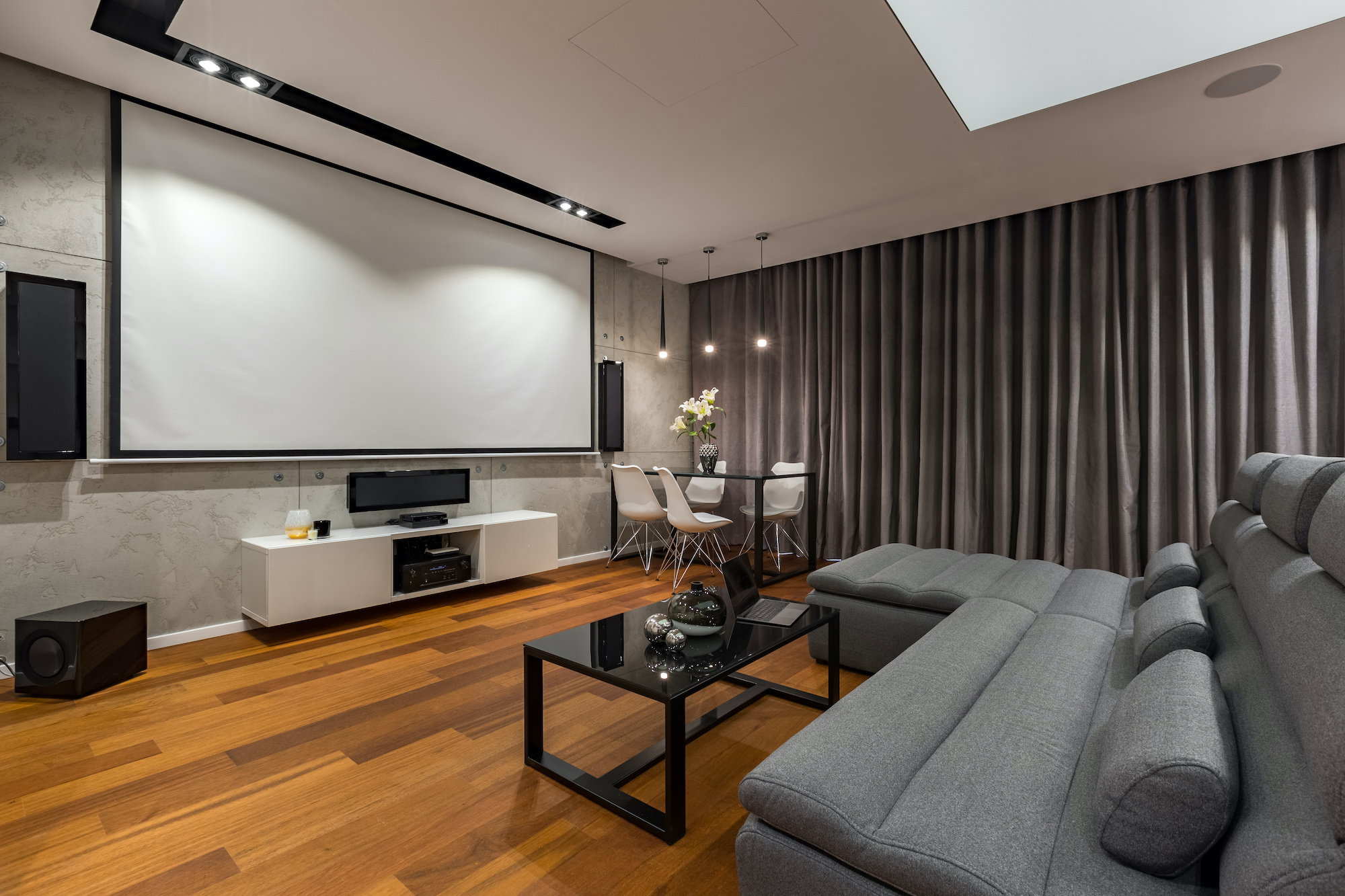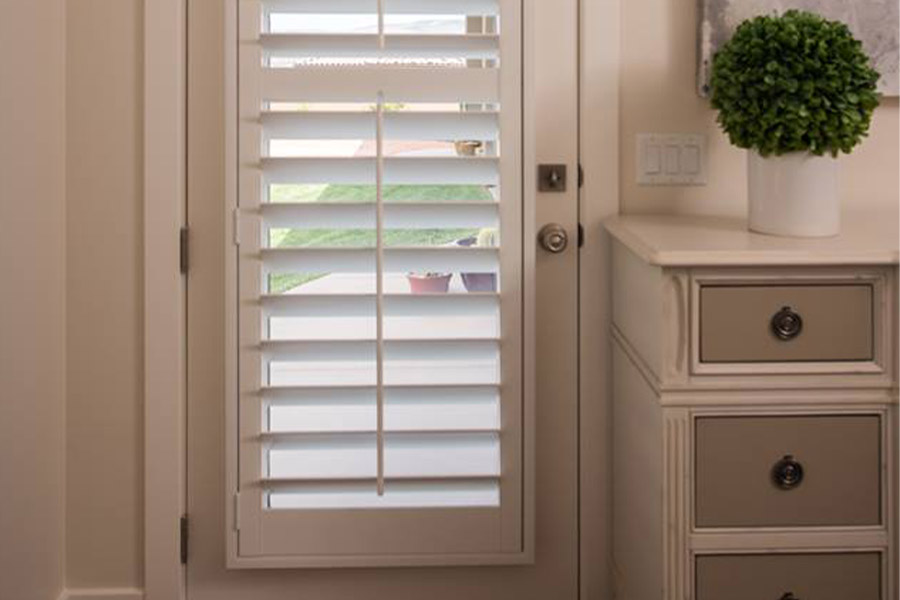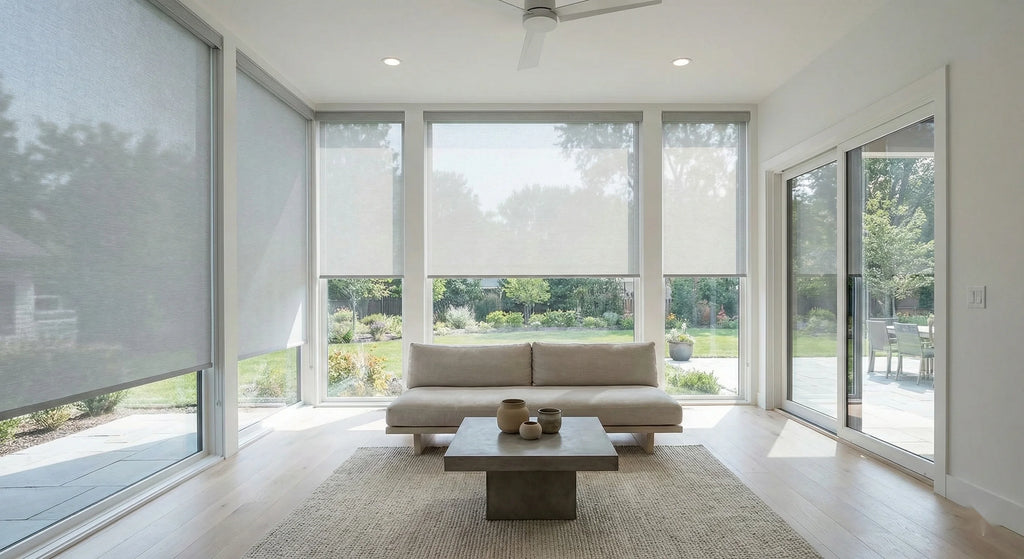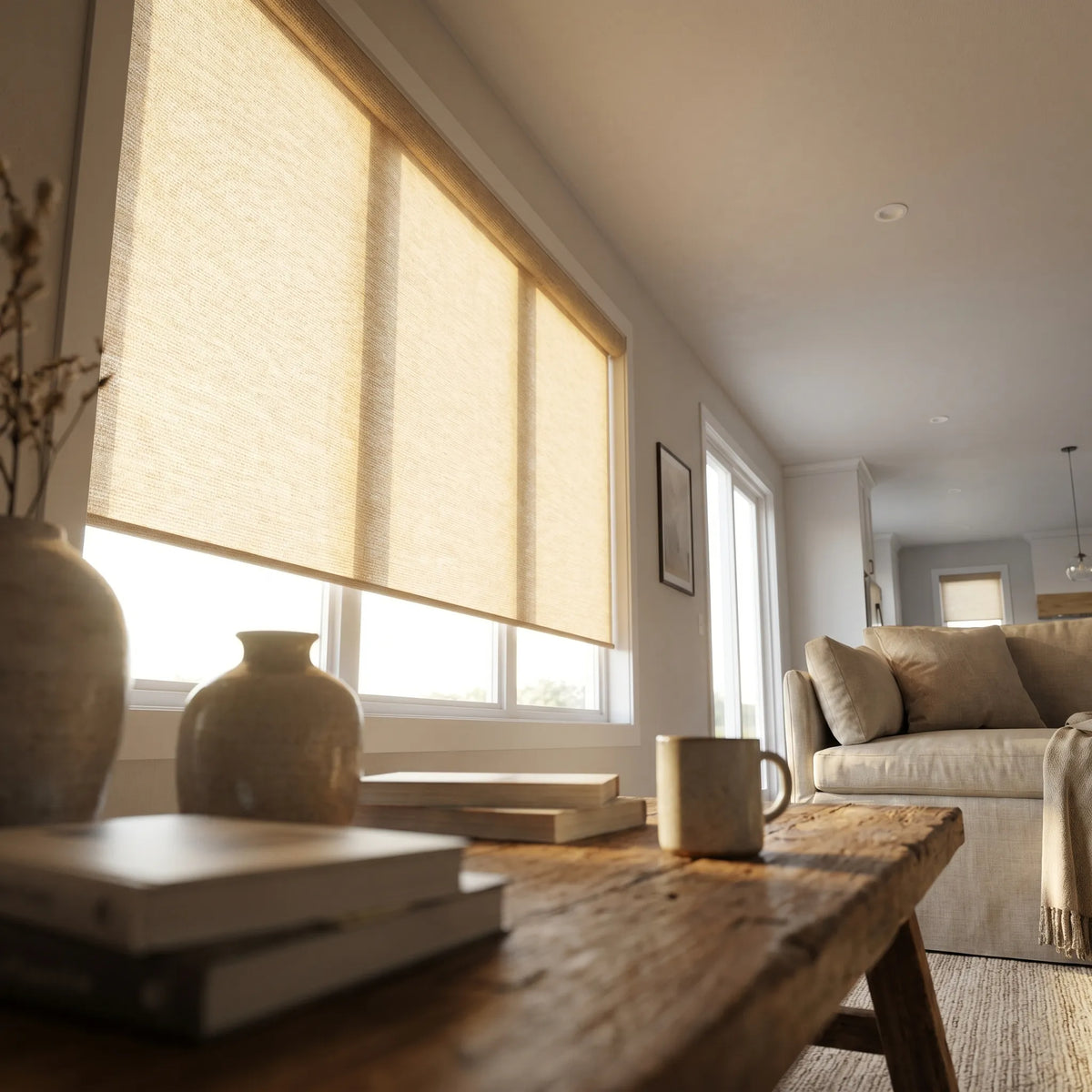
A home library needs two kinds of comfort at once: clear, readable pages and a room that still feels inviting at 4 p.m. The best roller shades for a home library reduce the bright band of sunlight across a desk, limit ultraviolet exposure, and avoid turning shelves into a dark box. World Wide Shades designs made-to-measure shades around the window, the reading position, and the way daylight changes through the room. Start with the World Wide Shades builder to compare a light-filtering fabric, openness level, and control style before you commit.
Start with the light problem, not the color
Observe the library at three times: morning, solar noon, and late afternoon. A window that looks comfortable at 9 a.m. may put a white-hot reflection on a laptop or glossy book jacket at 3 p.m. Record which panes create the glare, where your chair sits, and whether direct sun reaches the shelving. In practical terms, a 3% solar screen blocks more direct brightness than a 5% screen while preserving some view; a room-darkening weave goes further when the library doubles as a media or study room.
The goal is not to eliminate every lumen. Reading generally feels easier when the page is brighter than its surroundings but not hit by a sharp beam. A soft, even field of daylight keeps contrast manageable and makes warm wood, leather, and paper feel natural. For a tailored recommendation, send your window details to World Wide Shades; a specialist can help map fabric performance to orientation.
Choose openness for glare and view control
Openness is the approximate percentage of a solar fabric’s weave that remains open. A 1% fabric is tighter and more private; 3% is a versatile middle ground; 5% keeps a brighter outward view but admits more glare. In a library with a computer monitor, south- or west-facing glass, or pale floors that bounce light, 1% to 3% is usually the sensible starting range. In a north-facing room where view matters most, 5% may provide enough softening.
Do not confuse openness with a guaranteed blackout rating. A screen shade can manage glare while still allowing a glowing rectangle of daylight around the edges. If the room contains rare editions, art, or a desk directly in the sun path, pair a solar shade with a room-darkening liner or a second shade. World Wide Shades can help you compare layered approaches through custom swatches, where the color and weave are easier to judge than on a monitor.
Protect books, art, and wood finishes
Ultraviolet light contributes to fading, but visible light and solar heat also accelerate wear. A shade that cuts the intensity of direct sun can slow uneven fading on book spines, rugs, and framed prints. It also reduces the thermal swings that make a reading chair uncomfortable. Use close-fitting coverage at the top and sides, and consider an outside mount when an inside mount would leave a large light gap.
For especially valuable collections, avoid placing irreplaceable materials directly against hot glass. Keep shelves a few inches back when possible and use a consistent shade schedule. The UV-protection window shades guide explains how fabric selection, orientation, and coverage work together. World Wide Shades can specify a fabric for the preservation goal without making the library look clinical.
Pick a fabric that keeps the room warm
Color changes how a library feels and how much light the room reflects. Ivory, flax, sand, and warm gray soften daylight; a cool stark white can make walnut or cherry look more orange by contrast. A textured linen-look roller shade adds visual depth without the bulk of a Roman fold. If the architecture is traditional, a narrow cassette or tailored valance can hide the roll while keeping the window treatment quiet.
For a modern library, a flat roller shade with a charcoal, mushroom, or oatmeal face can echo metal shelving and leather seating. For a historic room, woven textures or a subtle herringbone create warmth without competing with molding. Compare the ideas in our window shade color guide and woven wood shades guide before ordering samples.
Measure for clean sightlines
Measure each opening separately, even if a row of windows appears identical. Record width at the top, middle, and bottom; record height at the left, center, and right. A variance of 1/8 inch can matter when several shades meet. Check for cranks, latches, trim, shelf overhangs, and the handle of a nearby door. Inside mounts look integrated but need enough depth; outside mounts can cover trim and reduce side light gaps.
A library often rewards a shared headrail only when the window group is level and the span is within the manufacturer’s limits. Splitting a wide opening into two or three shades reduces weight and makes operation easier. Request a measurement review from World Wide Shades if the window wall is unusually wide or the shelves restrict access.
Choose the control that matches the chair
A continuous-loop or cordless shade works well for a reachable single window, but motorization is valuable when shades sit behind a desk, above a reading nook, or across a tall bank of glass. A quiet motor can raise the shades before your workday and lower them when afternoon glare arrives. A basic schedule might lower west-facing shades at 2 p.m. in summer and raise them at sunset, then adjust by season.
If you already use a smart-home hub, confirm compatibility before buying multiple motors. The smart-home motorized shades setup guide and Alexa and Google Home motorized shades guide cover pairing and scene planning. World Wide Shades can coordinate the fabric, motor, and control plan so the library does not become a collection of mismatched remotes.
Budget for the details that change performance
Custom roller shades commonly vary by width, fabric construction, cassette, motor, and installation complexity. As a planning range, many homeowners compare roughly $250 to $900 per shade for custom fabric options, with motorization and tall or difficult windows adding to the project. Treat that as a budgeting framework rather than a quote: a 36-by-60-inch inside mount and a 96-inch motorized shade have very different hardware requirements.
Do not cut cost by accepting a shade that leaves the desk in direct sun. A lower-priced fabric that fails the glare test can lead to a second purchase. Get a tailored World Wide Shades estimate, and include window sizes, orientation, trim depth, and whether you need a liner or motor.
A practical library specification
For a west-facing reading room with a monitor, start by sampling 1% or 3% solar fabric in a warm neutral. Use outside mount when trim depth is shallow or when reducing side gaps matters. For a north-facing library, sample 5% openness and a light-filtering weave to keep the view. For a room with collectibles, select a fabric with strong UV screening and plan a shade schedule. For tall or hard-to-reach glass, choose motorization and put the shades on a scene rather than relying on manual adjustments.
A good specification should describe the problem in measurable terms: “reduce the 3 p.m. reflection on the 27-inch monitor,” “keep books out of direct sun,” or “preserve a view of the garden.” That language helps World Wide Shades recommend performance instead of selling a generic color.
FAQ: roller shades for a home library
Start with 1% to 3% solar openness when glare, monitor reflections, or west-facing sun is the main issue. Choose 5% when preserving a daytime view matters more and direct beams are limited.
They can reduce direct ultraviolet and visible-light exposure, especially when the fabric covers the full opening and side gaps are controlled. Valuable collections still benefit from distance from glass and a consistent shade schedule.
Usually not. Room-darkening or blackout is useful when the library doubles as a theater, nursery, or nap room; otherwise light-filtering or solar fabric often preserves a more comfortable reading atmosphere.
Inside mount gives a built-in look when the frame has adequate depth. Outside mount is better when you need to cover trim, conceal gaps, or reduce bright light leaking around a shallow opening.
Yes. World Wide Shades can plan motorized shades for tall, numerous, or furniture-blocked windows, then help match controls to schedules and smart-home scenes. Call (844) 674-2716 for a project discussion or contact the team online.
Measure the openings, note the sun direction and reading position, then compare fabrics through World Wide Shades swatches. For a multi-window library, call (844) 674-2716 or start a custom design.