When insulation is the priority, the choice between roller shades and cellular shades is usually a choice between a tighter visual profile and a deeper insulating structure. Roller shades are simple, durable, and available in solar, light-filtering, and blackout fabrics. Cellular shades form honeycomb air pockets that can slow heat transfer at the glass. Neither option is automatically best for every window.
World Wide Shades helps homeowners compare the actual opening, exposure, glass, room use, and control method before ordering. When you are ready to compare fabrics, start the World Wide Shades builder, order World Wide Shades swatches, or contact World Wide Shades for a window-by-window recommendation. This guide breaks down how each construction performs, what the numbers mean, where each shade works best, and how to budget for a whole-home insulation plan.
The short answer: choose by the heat-loss problem
Choose a cellular shade when the window feels cold in winter, hot in summer, or drafty because the glass is older and the room needs an added insulating layer. Choose a roller shade when glare, UV protection, cleanability, slim stacking, or a modern profile matters most. A roller with a thermal or blackout backing can improve comfort, but it does not create the same air-cell structure as a honeycomb shade.
The U.S. Department of Energy explains that window coverings can reduce heat loss and solar heat gain, but results depend on the window, fit, fabric, and whether the covering is closed at the right time. A shade is one part of the envelope; it cannot correct a failed seal or a major air leak.
World Wide Shades can help identify where a cellular construction is worth the extra depth and where a solar roller will do more for daily glare. Start in the builder, then call (844) 674-2716 if you are planning multiple exposures or high windows.
How roller shades insulate
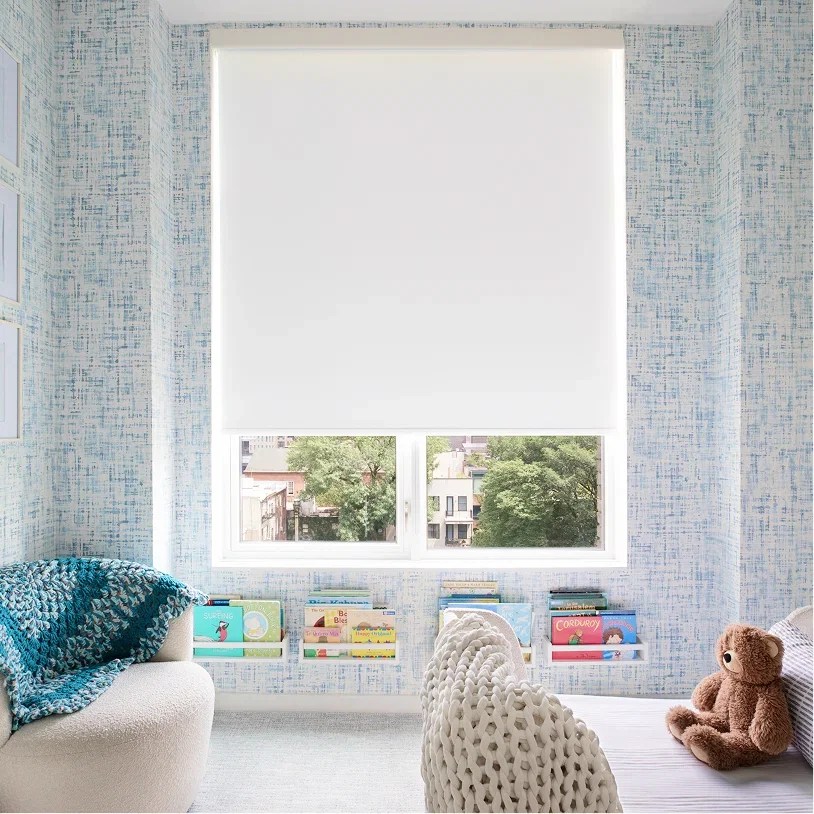
A standard roller shade uses one sheet of fabric that wraps around a tube. The thermal effect comes from the fabric’s density, backing, and how close the shade sits to the glass. Blackout and room-darkening materials can block light and add a modest barrier, while solar screens reduce glare and solar radiation without creating a sealed pocket.
Edge gaps matter. An inside-mounted shade leaves clearance for the roll and hardware, so heat and light can move around the sides. An outside mount can cover more of the frame and is often better when comfort and darkness matter. Side channels or a cassette can improve the seal, but the product remains a single-layer fabric rather than a cell.
For south- and west-facing windows, a 3% or 5% solar screen can reduce the intensity of direct sun while preserving the view. The exact solar openness, color, glazing, and exterior shading all affect results. A dark screen can absorb more solar energy than a light screen but may give a different outward appearance; ask for fabric performance data instead of judging by color alone.
Our energy-efficient window shades and best shades for south-facing windows guides cover exposure-specific choices. World Wide Shades can recommend whether to prioritize openness, reflectance, blackout, or a second layer for the room.
How cellular shades insulate
Cellular shades fold into horizontal honeycomb cells that trap air between the room and the glass. Single-cell models are slimmer, while double-cell models create more layers and often provide greater insulation. Cell size is commonly around 3/4 inch, 3/8 inch, or another manufacturer-specific dimension; a larger cell can give a fuller look, while a smaller cell suits shallow recesses.
Cellular shades can be especially useful in bedrooms over garages, home offices with cold exterior walls, and rooms with large temperature swings. They are not a cure for a cracked pane or failed weatherstripping. If you feel air movement around the frame, fix the leak first and then add the shade.
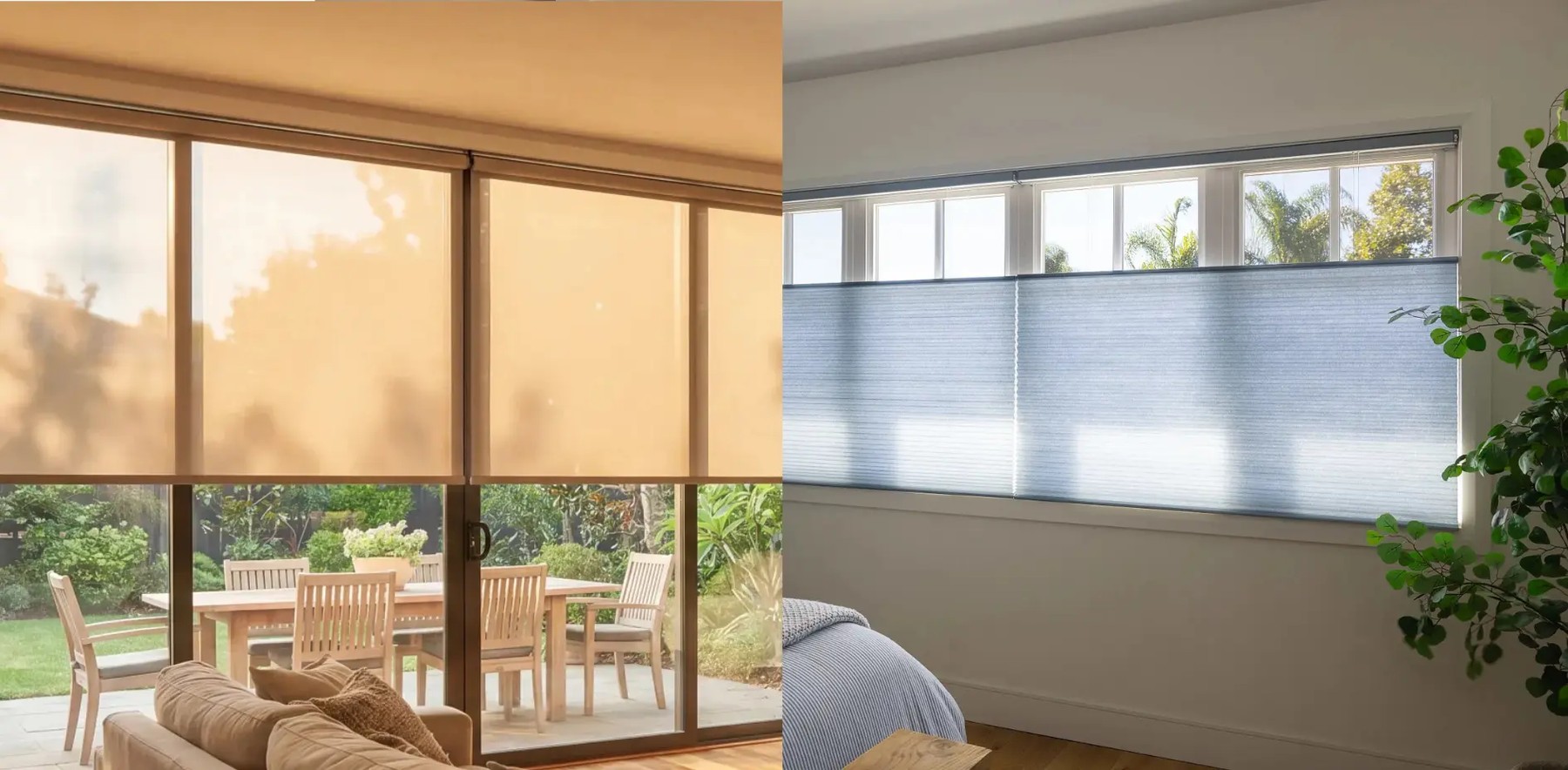
A top-down, bottom-up cellular shade can cover the lower portion for privacy while leaving the upper glass open for daylight. A blackout cellular shade adds a room-darkening layer, but side gaps remain unless the system includes tracks or an overlap. This control flexibility can matter more than a small difference in insulation because it lets you tune the shade throughout the day.
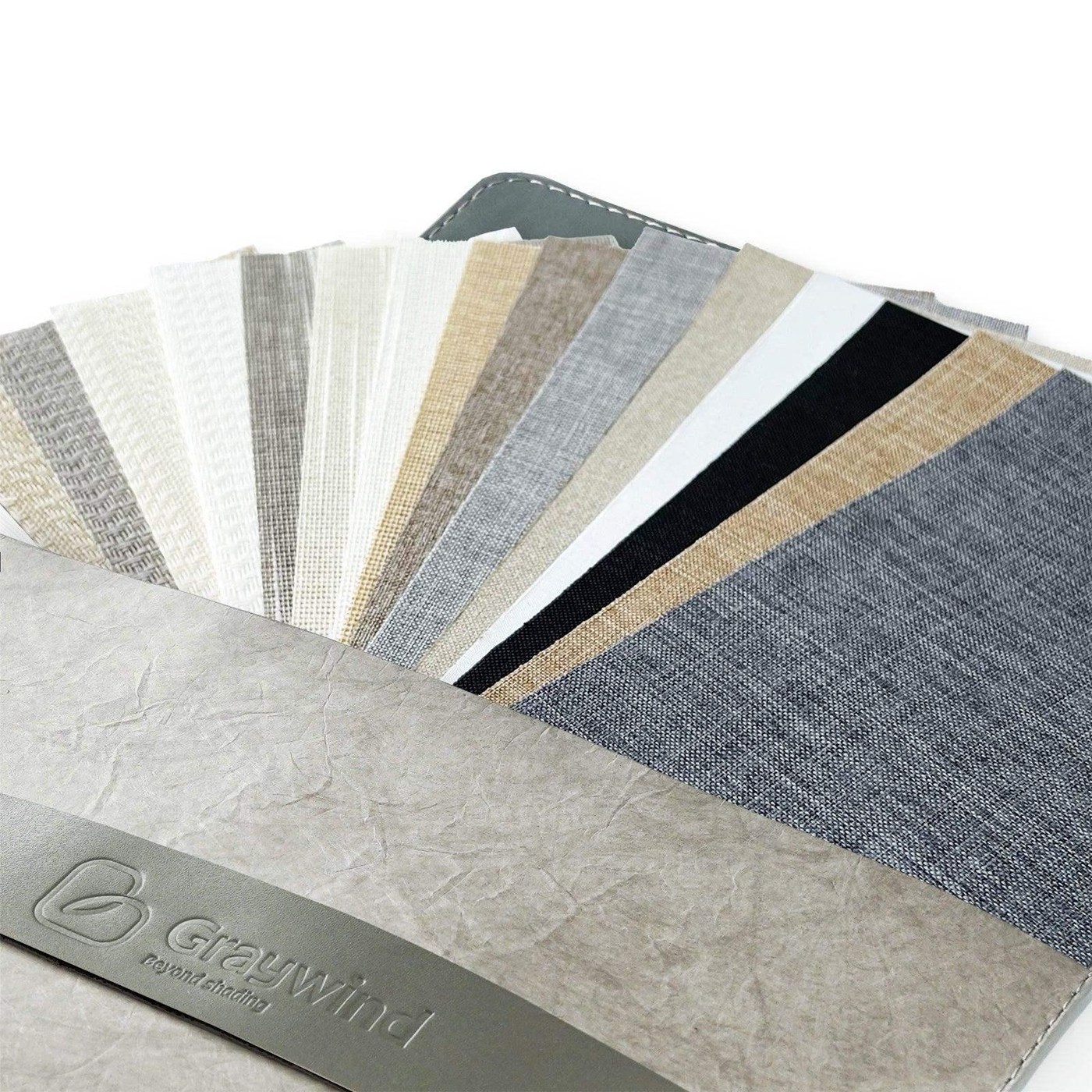
World Wide Shades can show cell size, color, and opacity through swatches. If the room also needs smart scheduling, compare smart home motorized shades setup before choosing a battery or hardwired motor.
Side-by-side comparison
Cellular shades generally have the stronger insulating construction because the cells create trapped air pockets. Roller shades can still improve comfort, especially with blackout or thermal backing and an outside mount, but they are usually chosen for glare, style, and cleanability first.
Both styles can be light filtering or room darkening. Solar rollers are better when you want to preserve an exterior view while reducing glare. Cellular shades are better when you want top-down control, a soft diffuse glow, or a blackout option in a sleeping room.
A light-filtering roller can provide daytime privacy depending on the weave, but many solar fabrics become see-through at night when lights are on. Cellular shades offer privacy through opacity and can cover just the lower window. For bedrooms, review best window shades for bedrooms.
Roller shades have a flat surface that is easy to dust and spot-clean, making them a strong fit for kitchens, playrooms, and high-use spaces. Cellular fabric needs gentler care because dust can collect in the cells. Follow the product instructions and avoid forcing a vacuum attachment into the folds.
A roller shade usually has the smallest stack and the cleanest horizontal line. Cellular shades have a folded texture and a deeper compressed stack, but they can visually soften a modern or traditional room. Compare roller alternatives in roller shades versus Roman shades and woven wood shades guide.
Cost and project planning
A custom manual roller shade for a standard 36-by-60-inch opening may budget around $150 to $450. A comparable cellular shade may range around $200 to $550, with double-cell, blackout, top-down, and specialty controls moving higher. Motorization can add roughly $100 to $250 per shade for rechargeable systems. A ten-window project can therefore span about $1,500 to $5,500 before installation, depending on the product mix.
Do not compare only price per square foot. Count the value of the control you need, the time the shade will stay closed, the room’s heating and cooling load, and the cost of adding a second layer later. A cellular shade in a cold bedroom and a solar roller in a sunny living room can be a more efficient plan than using one construction everywhere.
World Wide Shades can separate the project by exposure and room use. Use the builder for a starting list, order swatches, and contact World Wide Shades for an opening-by-opening quote. Call (844) 674-2716 if windows are unusually wide, shallow, or difficult to reach.
Installation details that affect performance
Measure width in three places for an inside mount and use the narrowest dimension. Check depth for the headrail, cell stack, handle projection, and window crank. For an outside mount, allow enough overlap to cover trim and limit edge leakage. A shade that rubs, bows, or leaves a large gap will not perform as intended.
If you are replacing windows, coordinate the shade recess before final trim. New construction is the easiest moment to plan power and pocket depth; see custom shades for new construction. For a do-it-yourself installation, compare how to install roller shades, but use a professional for hardwired power or very large units.
Frequently Asked Questions
Usually, cellular shades have the stronger insulating construction because their honeycomb cells trap air. A well-fitted roller shade can still improve comfort through a dense backing, outside mount, and good edge coverage.
A solar roller is often the better first choice when the goal is to reduce glare and preserve the view on a sunny window. A cellular shade is useful when the room also needs privacy and a deeper insulating barrier; exposure and glazing determine the result.
Blackout roller fabric blocks visible light and may add a modest thermal barrier, but it does not create honeycomb air pockets. Cellular construction generally provides more insulation potential, especially in a well-fitted system.
Planning ranges are about $150 to $450 for a standard manual roller shade, $200 to $550 for a comparable cellular shade, and roughly $100 to $250 extra per shade for rechargeable motorization. Actual pricing depends on size and features.
Yes. World Wide Shades can use solar or light-filtering rollers where view and cleanability matter and cellular shades where insulation or top-down privacy matters. Start with World Wide Shades swatches, use the builder, or contact the team.