Cassette vs exposed tube: the quick visual difference
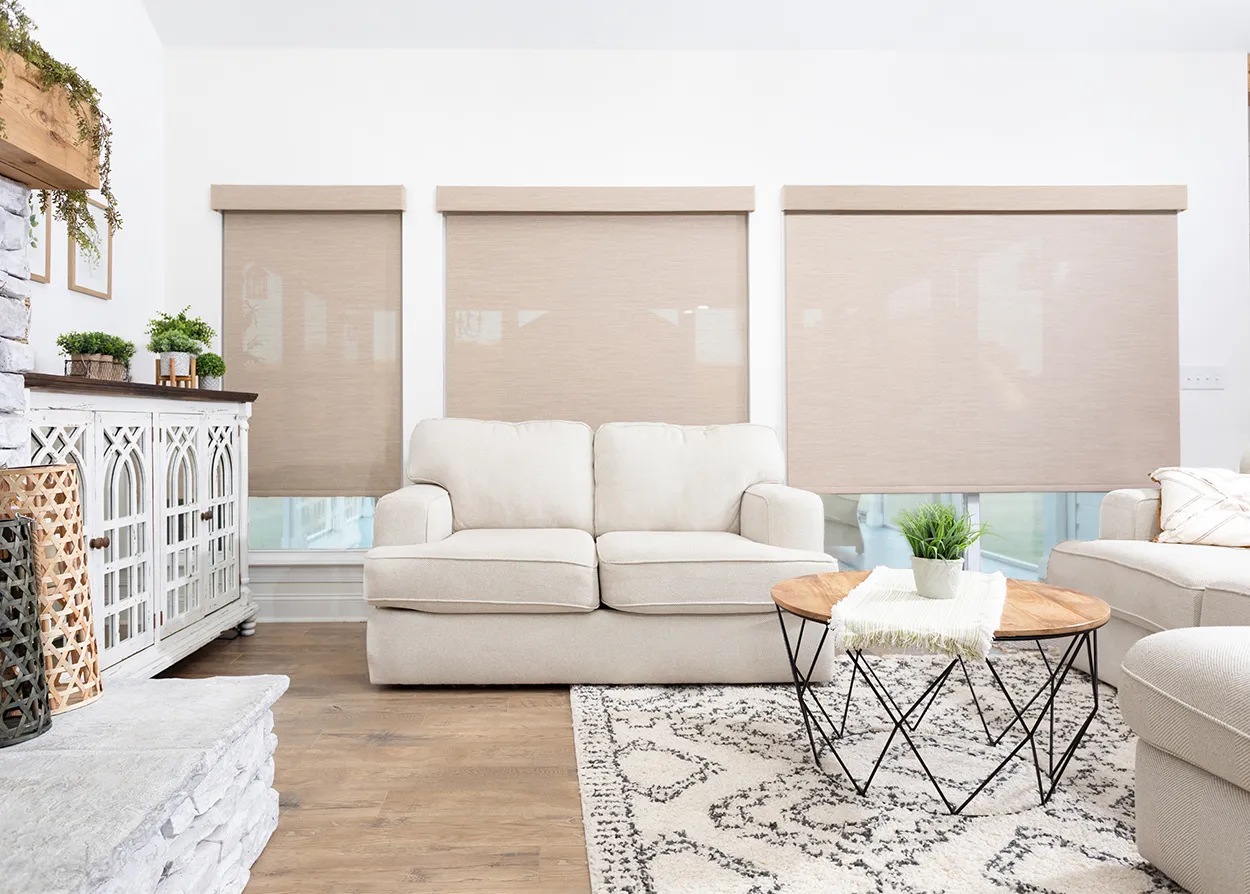
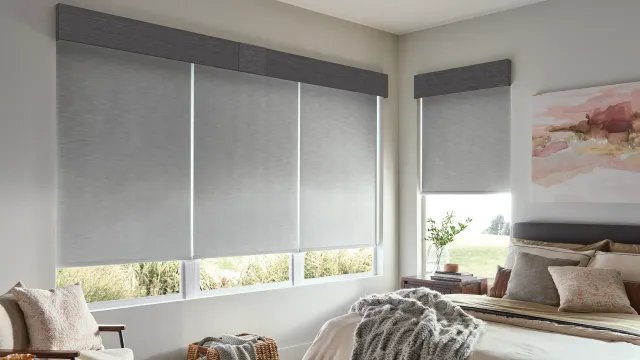
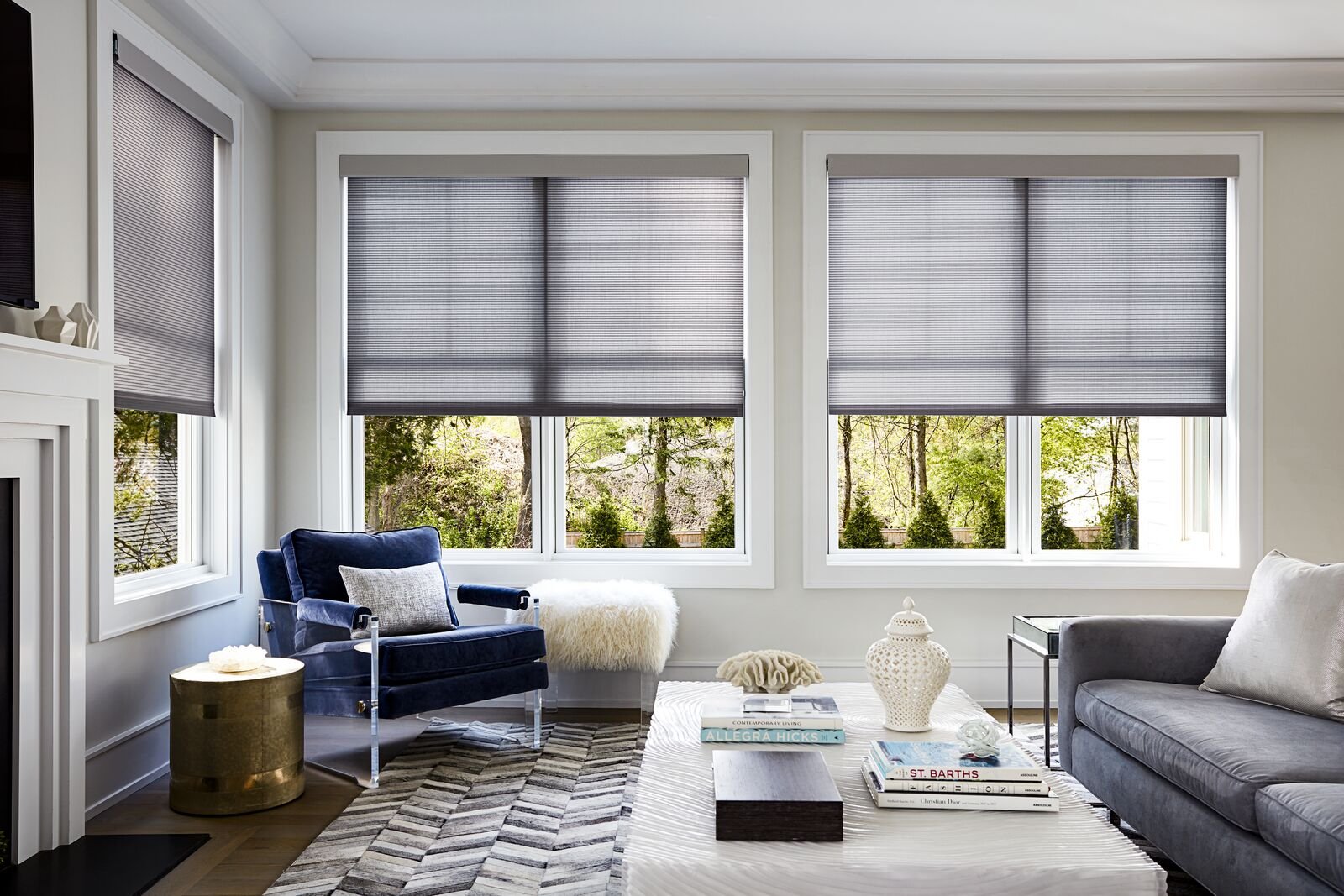
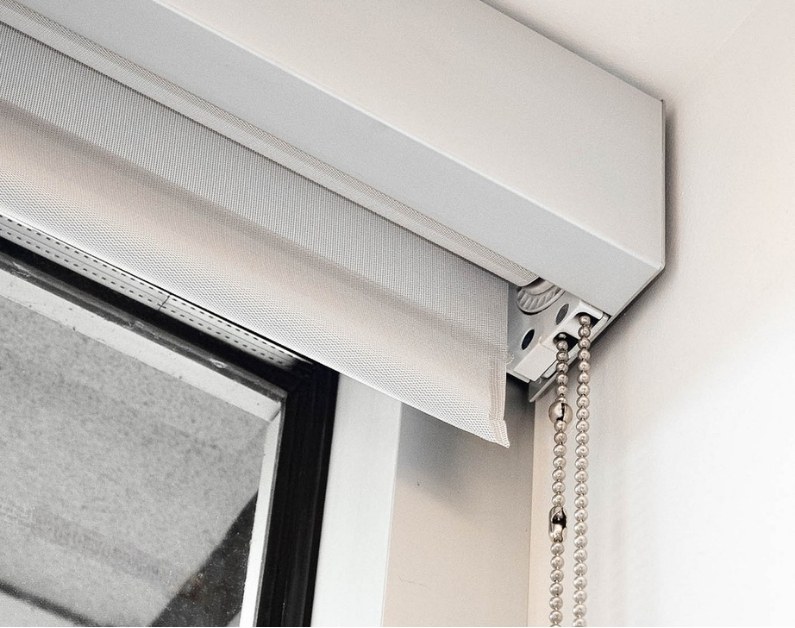
A cassette headrail is a finished cover that hides the roller tube and bracket hardware, while an exposed roll shows the fabric roll and tube when the shade is open. If you want the most “built-in” look, most homeowners prefer a cassette because it creates a clean horizontal line at the top of the window.
Start designing your custom shades in the World Wide Shades builder to compare cassette and open-roll options by size and fabric.
When a cassette headrail looks best (and why)
On white trim with darker fabric, an exposed tube can draw attention because the roll is visible. A cassette reduces that contrast by creating a single finished profile.
Modern rooms often rely on fewer visual elements. A cassette headrail keeps the top of the window visually quiet so the fabric can be the focal point.
A cassette often serves the same purpose as a valance: it hides the mechanism. If you’re comparing finishes, also see Roller Shade Valance Options.
When an exposed tube is the smarter choice
Open-roll hardware is typically less expensive because it uses fewer parts. For budget planning, compare against How Much Do Custom Roller Shades Cost?.
If your window recess is deep enough, the roll may sit far back and be barely noticeable. Inside mounts can also look cleaner when the side gaps are minimized.
Laundry rooms, garages, and storage areas usually prioritize function. An exposed tube delivers the same sun control without paying for a finished headrail.
Order free swatches from World Wide Shades before you buy so you can judge how much the top treatment matters in your actual lighting.
Cost comparison in 2026: cassette vs exposed roll
Costs vary by fabric and size, but the headrail choice usually adds a predictable premium.
- Manual roller shade: cassette headrail often adds about $40–$120 per window.
- Motorized roller shade: cassette headrail often adds about $75–$200 per window (because the cover is larger and the brackets can be heavier-duty).
As widths approach 72–96 inches, the tube diameter and bracket strength usually increase. A larger cassette profile and sturdier mounting points can add cost. If your project includes wide openings, review Best Roller Shades for Living Rooms.
Get a quote from World Wide Shades and confirm your measurements if you want World Wide Shades to sanity-check your window widths before you finalize.
Installation and measurement: what changes with a cassette
A cassette doesn’t make measuring harder, but it does make tolerances more important.
A cassette is bulkier than open-roll brackets. If your recess is shallow, you may have to use an outside mount to avoid the cassette protruding.
Because the cassette snaps onto brackets, misaligned brackets can cause the cover to bind. For step-by-step tips, see How to Install Roller Shades.
Light gaps and performance: cassette is not the same as blackout
A cassette headrail improves looks and can reduce top light leakage, but it does not automatically create a blackout system. For true sleep-room darkness, the fabric, side gaps, and mounting style matter more. Compare options in Blackout Curtains vs Blackout Shades and Light Filtering Shades Guide.
Talk to the World Wide Shades team at (844) 674-2716 if you’re trying to hit a specific “movie room” or “nursery nap” darkness level.
Best use cases by room
Cassettes look finished and help reduce top glow, especially on outside mounts. Pair with room-darkening or blackout fabrics depending on your sensitivity.
Prioritize easy-clean fabrics and moisture resistance. If you want a clean line but worry about grease or steam, talk through fabric choices with World Wide Shades. Related: Roller Shades for Kitchens and Bathrooms.
Video-call backgrounds look more polished when the shade hardware is hidden. If glare control is your main goal, also read Best Shades for South-Facing Windows.
Choosing the right cassette style
Square cassettes read more modern; rounded profiles feel softer and more transitional. Match the profile to your trim and hardware finishes.
Most homeowners pick white, off-white, or a trim-matched neutral. If you’re trend-driven, see Window Shade Trends 2026.
Frequently asked questions
It can protect the roll from dust and minor bumps, but lifespan is driven more by fabric quality, clutch/motor quality, and correct installation.
Sometimes, but it depends on the exact hardware platform. It’s usually more cost-effective to choose the right headrail up front.
It can reduce top leakage, especially on outside mounts, but side gaps and fabric choice still control most light bleed.
If you want a more “built-in” look without changing trim, it can be worth it. For renter-friendly strategies, see Roller Shades for Rental Apartments.
Build your roller shades now with World Wide Shades and choose cassette vs open roll for each room.
Detailed comparison table (2026)
- Cassette headrail: hides the roll and brackets; reads like a finished architectural trim line.
- Exposed tube: roll is visible when open; can feel more “utilitarian” in a designer room.
- Cassette: helps keep dust off the fabric roll; useful in kitchens, busy streets, and pet homes.
- Exposed tube: easier to inspect and vacuum lightly, but the roll collects dust faster.
- Cassette: can reduce top-edge glow, especially on outside mounts.
- Exposed tube: top of the roll is visible, so you may see a bit more light at the head.
Most custom systems can be re-ordered easily either way, but matching a specific cassette profile years later can be harder than matching basic open-roll brackets. If you expect renovations, ask World Wide Shades to document your exact headrail profile and color in your order notes.
How to choose in 60 seconds (a practical checklist)
- The shade is in a “main room” (living room, kitchen, primary bedroom) where you see it every day.
- You are doing an outside mount and want the most finished look.
- The window is at eye level and the roll will be obvious when open.
- The window is high or tucked behind furniture.
- You’re prioritizing price across many windows.
- The room is secondary (mudroom, laundry, garage office) and you want clean function.
Call World Wide Shades at (844) 674-2716 for help choosing options
Real-world examples by window type
Picture windows often benefit from a cassette because the headrail line looks intentional across a wide opening. If the picture window is very wide, confirm bracket spacing and stud locations before ordering.
If the door is used frequently, focus on smooth operation and durability first; cassette is an aesthetic upgrade. Also consider whether the cassette could protrude and interfere with door trim or handles on an inside mount.
French doors usually look best with minimal projection. An exposed roll can be slimmer, but a compact cassette can look more refined if clearance allows. Related: Roller Shades for French Doors.
Use the World Wide Shades builder to price your exact windows
How much “better” does cassette look? A buyer’s rule of thumb
If you can see the top of your window treatment from the room’s main seating position, most people perceive a cassette as an upgrade. If the top is hidden by crown molding, tall trim, or the window is above eye level, the difference is often not worth paying for.
More FAQs (so you can decide quickly)
Yes. Some systems offer a simple fascia that hides the front of the roll but leaves the bottom or back more open. It’s a good middle-ground if you want a cleaner look at a lower cost.
Usually no. In layered designs, a cassette can make the shade disappear behind drapery so the fabric reads cleaner. See Roller Shades With Drapery: Layering Guide.
Often yes, but the bracket type and clearance rules vary. If you are ceiling-mounting, ask World Wide Shades to confirm the right bracket set.
Get free World Wide Shades swatches to compare fabrics in your space